1. ArchDaily
  2. Point Supreme

Point Supreme: The Latest Architecture and News

The Right to Be Naive: How Architecture Turned Innocence into a Position

Audio available

Since the 2008 crash, a scatter of small practices (none more than fifteen years old and none large enough to need a manifesto in the traditional sense) have arrived, independently of one another, at some version of the same refusal: to sound too certain, too soon, in a discipline that had spent the previous decade selling confidence as a finish. They would probably resist being filed under one heading, but the coincidence itself is that something about practising architecture after 2008 made innocence look like the only posture worth trying.

At least from 2019 onwards, Fala has circulated a two-word description of itself, repeated verbatim across dozens of architecture outlets: a "naïve architecture practice." No footnote, no irony, just an office, founded in 2013, that built a decade of houses, birdhouses and institutional commissions on a term architecture had spent a century trying to outgrow. The question the phrase raises is not whether the buildings are any good (as they generally are) but what it means for a practice to choose innocence as a public position. Where does post-irony end and marketing begin?
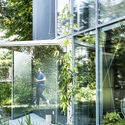
The Right to Be Naive: How Architecture Turned Innocence into a Position - Image 1 of 4The Right to Be Naive: How Architecture Turned Innocence into a Position - Image 2 of 4The Right to Be Naive: How Architecture Turned Innocence into a Position - Image 3 of 4The Right to Be Naive: How Architecture Turned Innocence into a Position - Image 4 of 4The Right to Be Naive: How Architecture Turned Innocence into a Position - More Images+ 15

Vibrancy and Utility: Embracing Color in Urban Apartment Kitchens

Subscriber Access | 

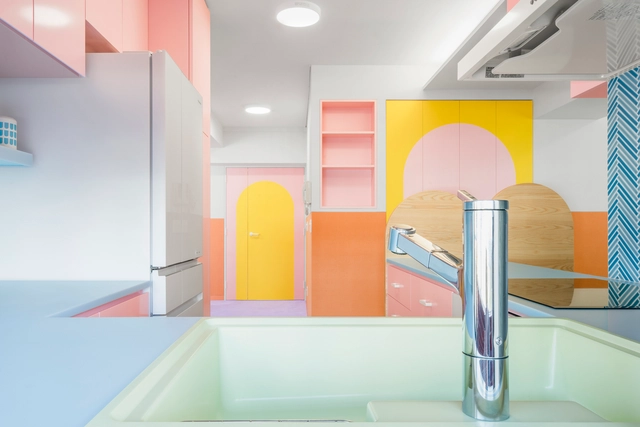
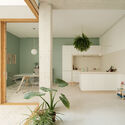
Urban apartments are frequently praised for their clever use of space, but what of their approach to color? Thoughtfully incorporating color is more than an aesthetic decision; it has the potential to shape emotional responses, influence mood, and create spatial illusions. Research in color psychology shows that colors affect our social, cultural, and psychological reactions, making them powerful design tools. Variations of blue, for instance, have been shown to slow melatonin production, keeping people more awake and alert, while shades of green relieve strain on our nervous systems, helping us feel calmer and more grounded. Color in architectural spaces can even alter our perception, creating illusions of depth, movement, and texture that influence how we experience space. Warmer hues like oranges and reds tend to make a room feel more intimate and cozy, while cool whites and blues lend a sense of openness, making spaces appear taller and more expansive.

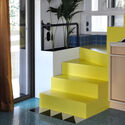
Vibrancy and Utility: Embracing Color in Urban Apartment Kitchens - Image 2 of 4Vibrancy and Utility: Embracing Color in Urban Apartment Kitchens - Image 1 of 4Vibrancy and Utility: Embracing Color in Urban Apartment Kitchens - Image 8 of 4Vibrancy and Utility: Embracing Color in Urban Apartment Kitchens - Image 3 of 4Vibrancy and Utility: Embracing Color in Urban Apartment Kitchens - More Images+ 29

NP2F Wins Competition for New Mediterranean Institute of Cities and Territories in Marseille

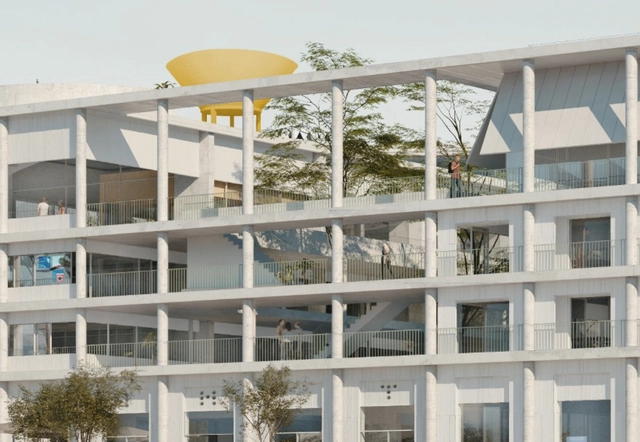
NP2F, in collaboration with Marion Bernard, Point Supreme and Jacques Lucan, has won the competition for a new institute on Porte d’Aix Plaza in Marseille, France. A combination of research and education at a Mediterranean scale, the Mediterranean Institute of Cities and Territories will link three programmatic volumes: the Atelier Building, the Forum Building and the Experimentation and Research Building. The three forms compound a "progressive system and precise composition" oriented around a Y-shaped courtyard.

15 Must-See Installations at the 2017 Chicago Architecture Biennial

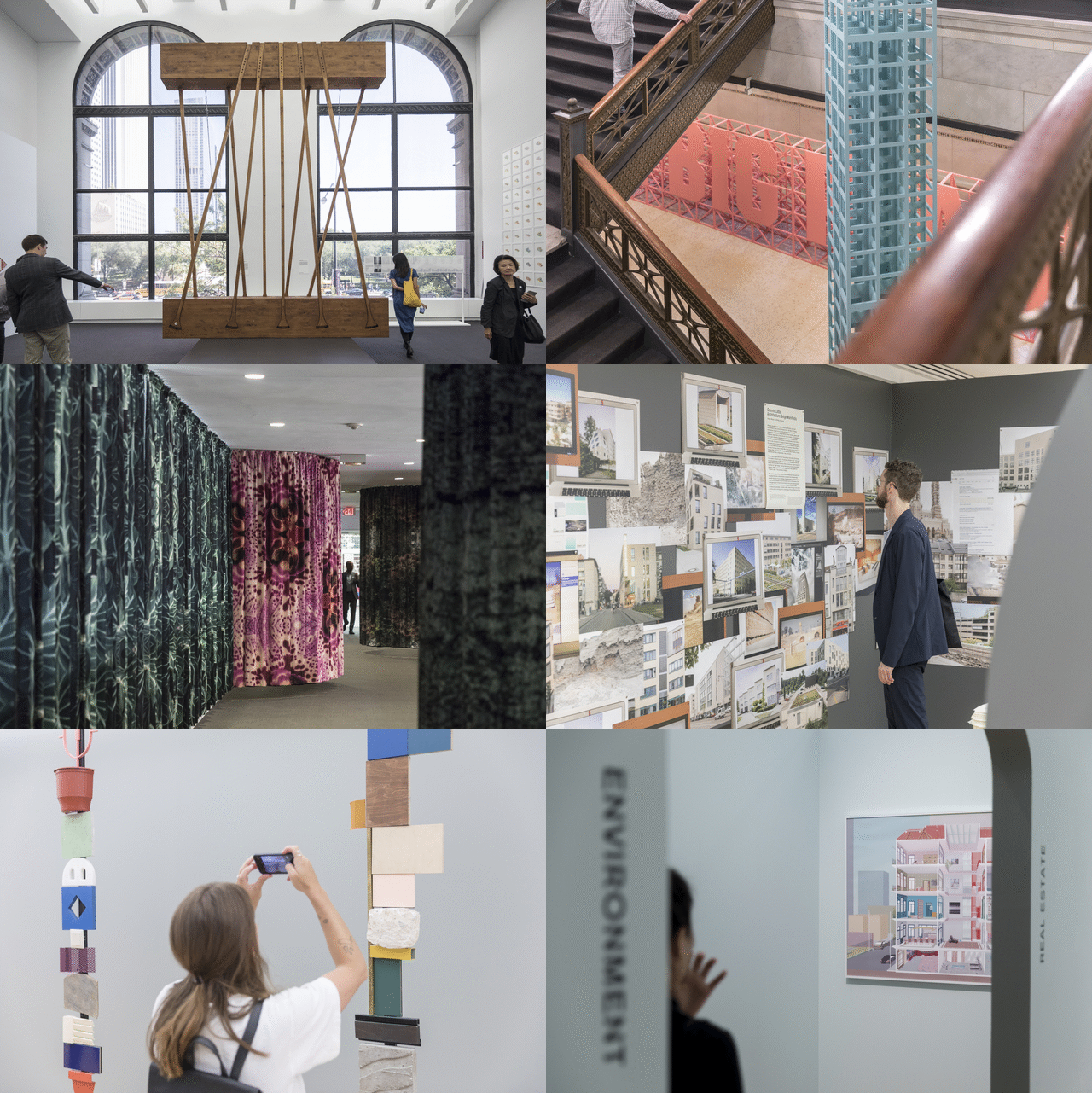
With the 2017 Chicago Architecture Biennial in full swing and open to the public until January 7, 2017, we've scoured the galleries, halls and corridors of the Chicago Cultural Center to bring you our favorite fifteen installations. Documented through the lens of Laurian Ghinitoiu and assembled by our Editorial Team on location, this selection intends to shed light on the breadth, scope and preoccupations of Make New History – the largest architecture event in North America.

15 Must-See Installations at the 2017 Chicago Architecture Biennial - Image 1 of 415 Must-See Installations at the 2017 Chicago Architecture Biennial - Image 2 of 415 Must-See Installations at the 2017 Chicago Architecture Biennial - Image 3 of 415 Must-See Installations at the 2017 Chicago Architecture Biennial - Image 4 of 415 Must-See Installations at the 2017 Chicago Architecture Biennial - More Images+ 40

In Conversation with 3 Rapidly Emerging Practices: L.E.FT, Point Supreme, and vPPR

In Conversation with 3 Rapidly Emerging Practices: L.E.FT, Point Supreme, and vPPR - Image 4 of 4
Courtesy of Point Supreme. Image © GSAPP Conversations

In these three episodes of GSAPP Conversations, a podcast series designed to offer a window onto the expanding field of contemporary architectural practice, three globally-operating emerging practices are pressed and interviewed by students and staff from the New York-based school.

In Conversation with 3 Rapidly Emerging Practices: L.E.FT, Point Supreme, and vPPR - Image 5 of 4
© GSAPP Conversations

In Conversation with 3 Rapidly Emerging Practices: L.E.FT, Point Supreme, and vPPR - Image 1 of 4In Conversation with 3 Rapidly Emerging Practices: L.E.FT, Point Supreme, and vPPR - Image 2 of 4In Conversation with 3 Rapidly Emerging Practices: L.E.FT, Point Supreme, and vPPR - Image 3 of 4In Conversation with 3 Rapidly Emerging Practices: L.E.FT, Point Supreme, and vPPR - Image 4 of 4In Conversation with 3 Rapidly Emerging Practices: L.E.FT, Point Supreme, and vPPR - More Images+ 11