There are few more powerful questions than “Where are you from?” People feel intensely connected to cities as places and to other people who feel that same kind of connection. In other words, we tend to understand and experience places in a very personal way.
Yet to understand place—indeed, to understand human settlements in general—it’s important to recognize that places are not created by accident. They are created on purpose to further a political or economic agenda. Better cities emerge when the people who shape them think more broadly and consciously about the places they are creating.
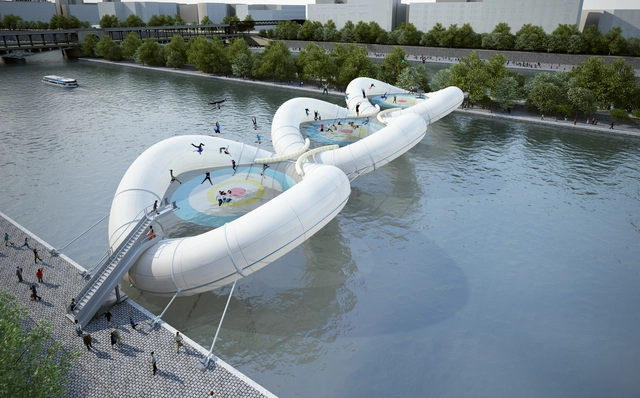
Trampoline Bridge / AZC Architects. Image Courtesy of AZC Architects
Humane cities center around the relationships between people and places. Communities thrive on shared resources, public spaces, and a collective vision for their locality. To nurture happy and healthy cities, designers and the public apply methods of placemaking to the urban setting. Placemaking—the creation of meaningful places—strongly relies on community-based participation to effectively produce magnetic public spaces.
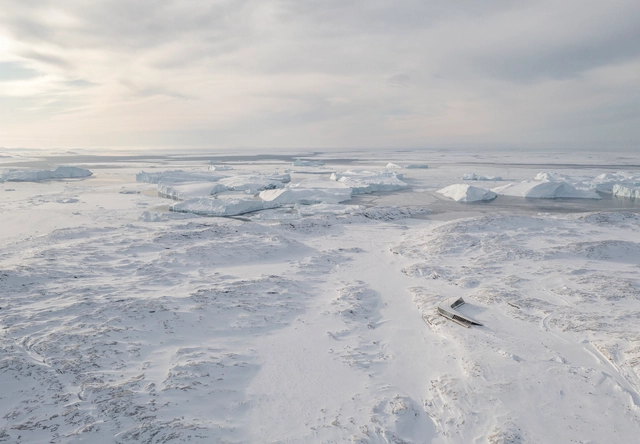
A new traveling exhibition by Danish architecture studio Dorte Mandrup opens at Aedes Architecture Forum in Berlin on 8 July 2022. The exhibition entitled PLACE delves into the strong interrelation between place and architecture and explores the role of the context ties in the quest for sustainable solutions for the future. In September, the exhibition will move to Le Bicolore – Maison du Danemark in Paris.
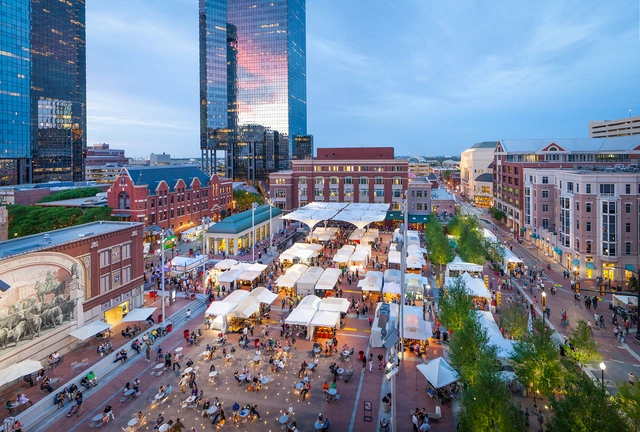
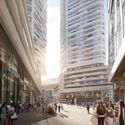
Sundance Square, a new central place for the city of Fort Worth, TX, USA. Image Courtesy of PPS
Public spaces play a significant role in organizing the life of every community but defining what differentiates them from other spaces within the city is not an easy task. Once these spaces start to settle into the collective memory of the local communities, they become key elements that concentrate the mental image of a city. While this process usually happens with urban spaces, monuments and isolated architectural elements can also become markers for the urban life of an area. So, what happens when dramatic events like fires, war, or even the pandemic alter that image?
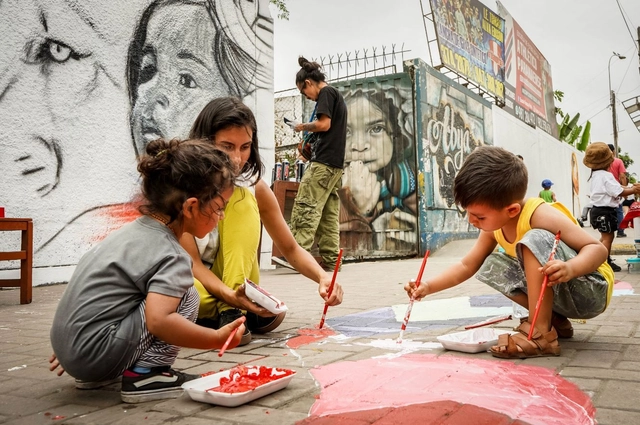
Lucía Nogales is the general coordinator of Ocupa tu Calle (Occupy your Street) —an UN-Habitat, Avina Foundation-supported initiative promoted by Lima Como Vamos— which focuses on 'citizen urbanism' for inclusive and resilient cities in Latin America.
Videos
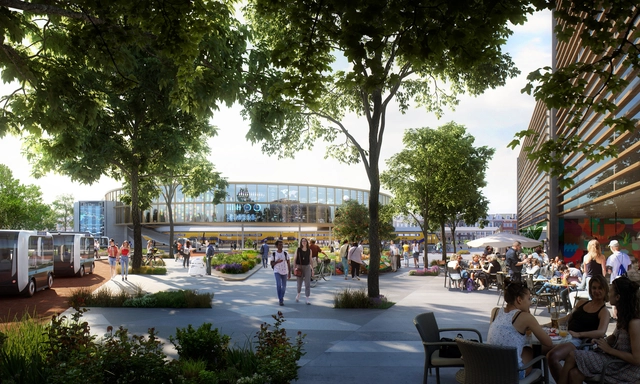
Brainport Smart District Master Plan. Image Courtesy of UNSense
UNStudio has recently published a report exploring the broader scope of community building and placemaking in the post-pandemic urban environment. Through examples from their practice, UNStudio highlights various design strategies currently incorporated in architecture and urban planning that cater to the universal and crucial need to connect socially. In addition, the practice stresses the importance of “ third spaces” and human-scale connectivity, as well as the blending of digital and physical spaces of interaction.
The terms space and place are often used interchangeably, but they can mean different things depending on the context in which they are used. Placemaking shows that the creation of places transcends the material dimension and involves aspects such as sociability, uses, activities, access, connections, comfort, and image, to create bonds between people and a sense of place.
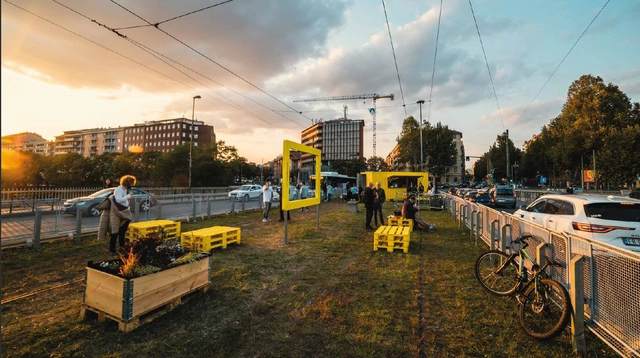
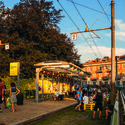
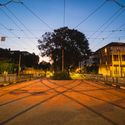
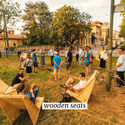
Ever since the tramline’s closure, the 800-meter-long strip in the center of Corso Gabetti and Ponte Regina Margherita in Turin, has been abandoned. To make use of the dead area and give residents an extra space outdoors following Italy's severe pandemic repercussions, non-profit cultural association Torino Stratosferica has transformed the tree-lined strip into Precollinear Park, a temporary public space fit for socially-distanced leisure.
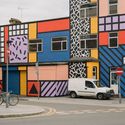
"Les Jumeaux" or The Twins is a new large-scale public urban intervention by French artist and designer Camille Walala in White City, West London. The project encompasses two pedestrian crossings and seven striking murals, created with geometric patterns and primary colors, Walala’s signature style. Moreover, Camille Walala also unveiled this month her East London intervention, a giant work of art aiming to breathe new life into the street and boost the local economy, entitled "Walala Parade".
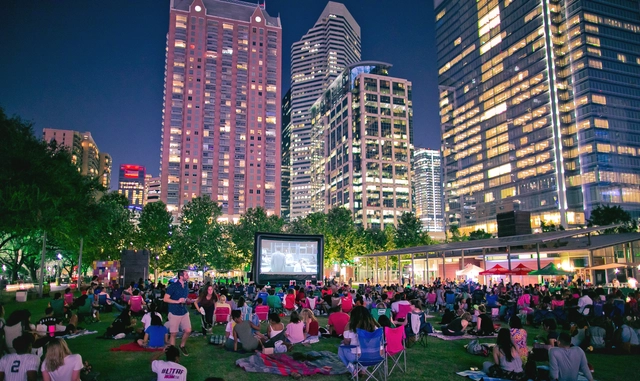
A crowd of locals watch a movie at Discovery Green, Houston, TX, USA. Image Courtesy of PPS
This article was originally published by Project for Public Spaces as "What makes a successful place?", a brief guideline about how to develop great public spaces by following four qualities: Sociability, Uses & Activities, Access & Linkages, and Comfort & Image.
Great public spaces are those places where celebrations are held, social and economic exchanges occur, friends run into each other, and cultures mix. They are the “front porches” of our public institutions – libraries, field houses, schools – where we interact with each other and government. When these spaces work well, they serve as the stage for our public lives, but what makes some places succeed while others fail?
https://www.archdaily.com/914616/what-makes-a-great-public-placeProject for Public Spaces
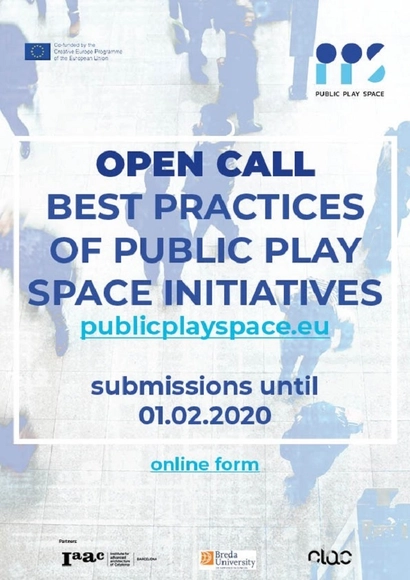
Public Play Space (PPS) is launching a Call for Best Practices for projects and concepts focusing on innovative and creative practices for the co-design of inclusive, cohesive, and sustainable public spaces and cities, through the use of games and digital technologies.
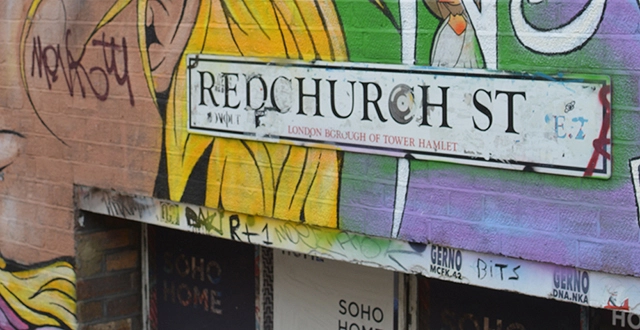
ShopSmart on Redchurch is an ideas competition that will explore ways that placemaking and technology can bring character, activity, community and economic success to Redchurch Street in Shoreditch, London.
Join us for the 3rd International Placemaking Week on October 1-4 in Chattanooga, TN!
The 3rd International Placemaking Week is an intimate, four-day-long global gathering of public space practitioners, researchers, and advocates that combines hands-on learning, public space activations, and innovative social events. Sign up before the regular registration rate ends on August 30!
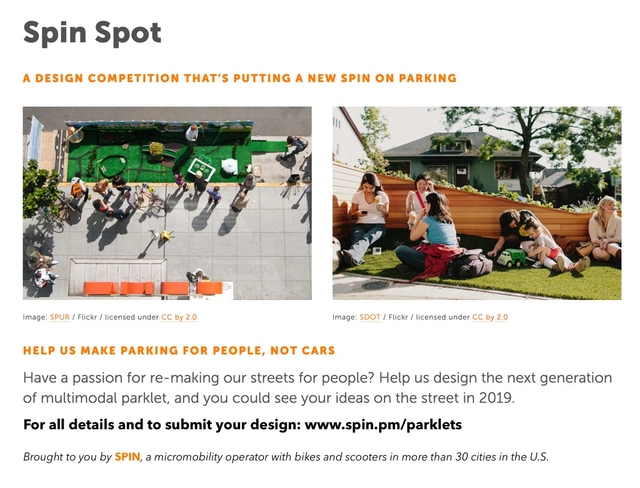
Visit www.spin.pm/parklets to learn more and apply. Image credit: Spin
In partnership with Better Block Foundation, Spin is launching an open call for designers, urbanists, architects, citizens and anyone who cares about safer and more livable streets, to design an on-street parklet prototype that blends the traditional parklet, bike corral, scooter parking, and bus shelter with placemaking.
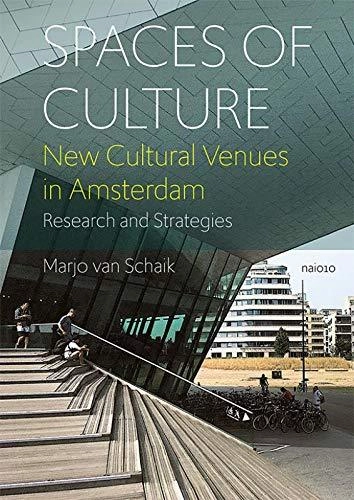
Cultural flagships, from trendy breeding grounds to iconic cultural palaces, form the core of many urban cultural landscapes. Spaces of Culture is about the new construction and redevelopment of cultural buildings in Amsterdam in the period 2000-2016.
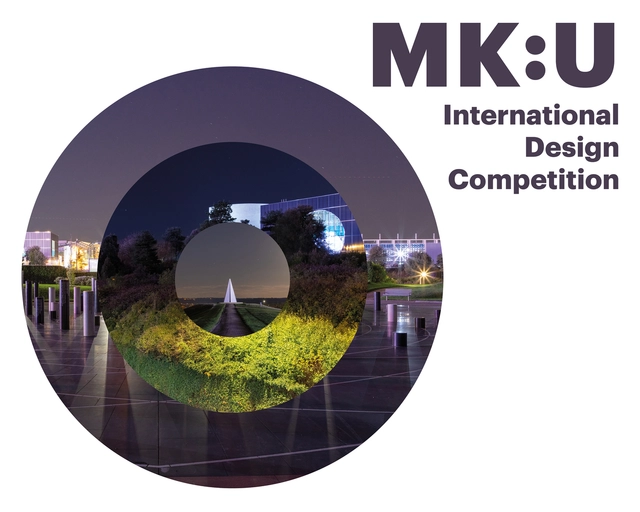
MK:U International Design Competition, images Luke Hayes
The MK:U International Design Competition seeks world-class design teams for a new model university in the Oxford to Cambridge innovation arc.
Beloved by architects as the most original and successful of the mid-twentieth century’s wave of ‘New Towns’, and famously ‘different by design’, Milton Keynes (MK) has successfully reinvented itself as a ‘Smart City’ and is a key contributor to the United Kingdom’s knowledge economy.
For the last 30 years, street furniture and outdoor advertising have defined the grammar of our cities. In Public-Private-Partnerships (PPP), cities award long-term licenses for advertising in public space in relation to the partly necessary urban furniture and their maintenance (bus stops, public bathrooms, benches, trash bins, signposts, etc.). The business model is dominated by the few large, globally oriented companies with profits running into billions. For instance, for years Berlin has been “supplied” by the Wall AG - part of the international JCDecaux group as the number one outdoor advertiser worldwide since 2009 (with a turnover in 2014 of 2,8 billion euros in more than 60 countries with 11.900 employees).


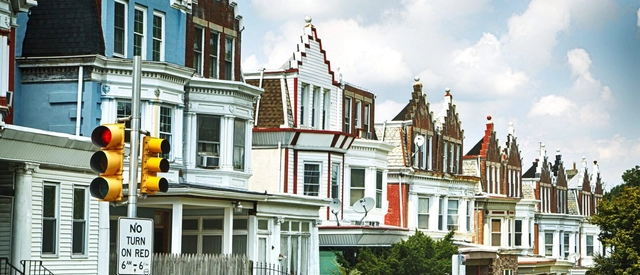








._Image_by_Zupagrafika.jpg?1653259487 "Orła Białego prefab panel estate in Poznań (Brutal Poland). . Image © Zupagrafika")











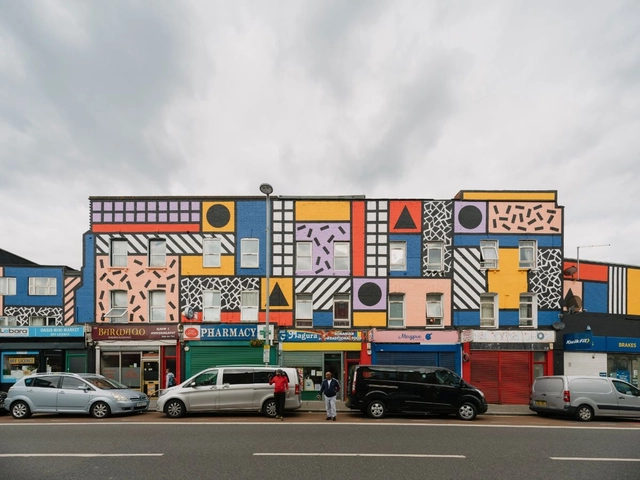
__by_Camille_Walala__in_White_City_Place__London_2020_Photography_Charles_Emerson_HighRes_004.jpg?1597595156 "Les Jumeaux. Image Courtesy of Camille Walala")
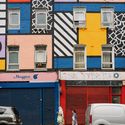
__by_Camille_Walala__in_White_City_Place__London_2020_Photography_Charles_Emerson_HighRes_002.jpg?1597595028 "Les Jumeaux. Image Courtesy of Camille Walala")