1. ArchDaily
  2. Piet Blom

Piet Blom: The Latest Architecture and News

Netherlands on the Drawing Board: Exploring the Past and Present Futures of Dutch Architecture and Planning

Internationally, the Netherlands is recognized as a country willing to experiment at a large scale, to devise state-wide systems to protect its land and improve the quality of life for its citizens. Provocative proposals from architects and urban planners such as Gerrit Rietveld, Piet Blom, Rem Koolhaas, and the Office for Metropolitan Architecture (OMA), have had an international impact, as they often challenge traditional ways of practice.

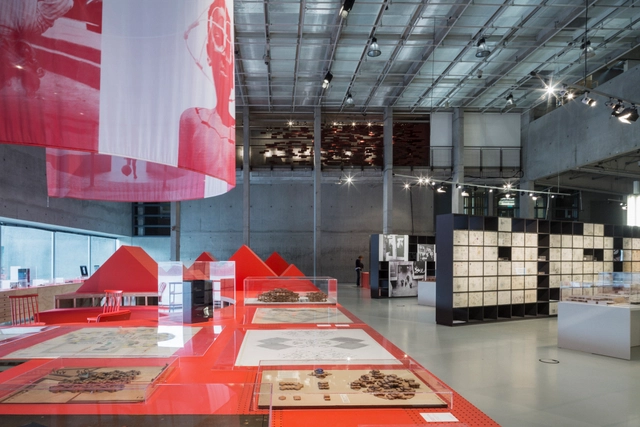
Still, the country faces expected and unexpected challenges, from an acute housing shortage to raising concerns regarding climate change and shifting ideas of ecology. In the words of curator Suzanne Mulder, the country is “once again on the drawing board,” as architects, urban planners, and designers are reopening conversations about the future by looking at past lessons. To come to their help, Rotterdam’s Nieuwe Instituut is organizing the exhibition ‘Designing the Netherlands: 100 Years of Past & Present Futures.’

Netherlands on the Drawing Board: Exploring the Past and Present Futures of Dutch Architecture and Planning - Image 1 of 4Netherlands on the Drawing Board: Exploring the Past and Present Futures of Dutch Architecture and Planning - Image 2 of 4Netherlands on the Drawing Board: Exploring the Past and Present Futures of Dutch Architecture and Planning - Image 3 of 4Netherlands on the Drawing Board: Exploring the Past and Present Futures of Dutch Architecture and Planning - Image 4 of 4Netherlands on the Drawing Board: Exploring the Past and Present Futures of Dutch Architecture and Planning - More Images+ 29

Rotterdam City Guide: 20 Projects to Discover in Netherlands’ Maritime Hub

Subscriber Access | 

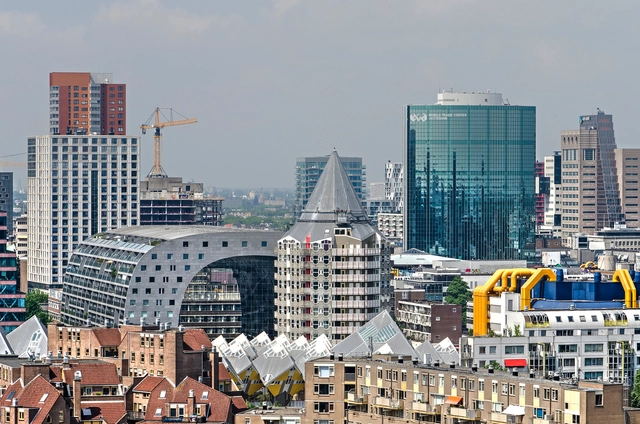
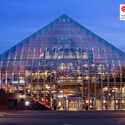
Often referred to as the “Manhattan on the Maas,” Rotterdam is a city unlike any other in the Netherlands. The Dutch metropolis with its striking skyline, tells a unique architectural narrative with chapters filled with the rubble of the devastating bombings of World War II, followed by a story of reconstruction that transformed the city into a hub for experimental architecture and urban planning. Today a mosaic of architectural styles, Rotterdam has embraced innovation, becoming a global showcase for cutting-edge design and sustainable urban development.

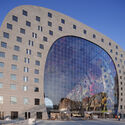
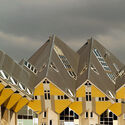
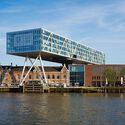
In 1940, almost the entire city center was wiped out by German bombs. Instead of following other European cities’ examples of reconstruction, Rotterdam decided to reinvent itself. Today, the city hosts some of the most well-known Dutch pieces of architecture, such as the Kubuswoningen or the Het Nieuwe Instituut. Its open attitude toward innovation and experimentation continues to attract talent from around the world, as its distinctive skyline continues to change and adapt to contemporary conditions.

Rotterdam City Guide: 20 Projects to Discover in Netherlands’ Maritime Hub - Image 1 of 4Rotterdam City Guide: 20 Projects to Discover in Netherlands’ Maritime Hub - Image 2 of 4Rotterdam City Guide: 20 Projects to Discover in Netherlands’ Maritime Hub - Image 3 of 4Rotterdam City Guide: 20 Projects to Discover in Netherlands’ Maritime Hub - Image 4 of 4Rotterdam City Guide: 20 Projects to Discover in Netherlands’ Maritime Hub - More Images+ 18

Total Space: Considering Dutch Structuralism Today

Subscriber Access | 

In this article, Dirk van den Heuvel links (Dutch) Structuralism to current day developments – more specifically in the digital realm. The following essay was first published by Volume in their 50th issue, Beyond Beyond, the editorial of which is available to read here.

Throughout his life the Dutch architect Jaap Bakema (1914-1981) sought to convey to his students and colleagues the notion of what he called 'total space', 'total life', and 'total urbanization'. In his view, architectural design had to help in making people aware of the larger environment to which they belong and in which they operate. Architecture could not be uncoupled from urbanism, it was related to the deeper structure of society. His conceptualization of architecture was programme and process based and it put social and visual relationships at the centre, which betrays his adherence to Structuralism as voiced in the Dutch journal Forum of which he was an editor together with Van Eyck and Hertzberger, and to the Team 10 discourse, of which he himself was one of the leading voices. At the same time, Bakema would expand on the legacy of the Dutch De Stijl movement and Dutch Functionalism. In particular his concept of space and spatial continuity is derived from De Stijl. His diagrammatic approach to architectural design and programmatic organization, as well as the elementary architectural language of his projects were elaborations of the Dutch Functionalist tradition.

Total Space: Considering Dutch Structuralism Today - Image 1 of 4

'An Installation In Four Acts' - Exploring Structuralism At Rotterdam's Nieuwe Instituut

Subscriber Access | 

Great movements in architecture are usually set in motion by a dull societal ache or as a response to a sudden, unforeseen reorientation of a community at large. The Dutch city of Rotterdam - vast swathes of which were cast into oblivion during the blitz of May 1940 - has been at the forefront of many shifts in approach to the built environment. It is therefore fitting that the latest exhibition at the Nieuwe Instituut (formerly the NAi), simply titled Structuralism, is being held in the city that was recently named Europe’s best.

Furthermore, Dutch Structuralism is a timely subject for Dirk van den Heuvel and the Jaap Bakema Study Centre (JBSC) in Delft to tackle. With major civic buildings like OMA's extension to Rotterdam's City Hall taking shape, it appears that a resurgence of Structuralist formal thought is appearing in the contemporary city. The exhibition seeks to shine a new light on the movement by uncovering drawings, models and texts which profoundly shaped 20th century architectural thinking.

'An Installation In Four Acts' - Exploring Structuralism At Rotterdam's Nieuwe Instituut - Image 1 of 4'An Installation In Four Acts' - Exploring Structuralism At Rotterdam's Nieuwe Instituut - Image 2 of 4'An Installation In Four Acts' - Exploring Structuralism At Rotterdam's Nieuwe Instituut - Image 3 of 4'An Installation In Four Acts' - Exploring Structuralism At Rotterdam's Nieuwe Instituut - Image 4 of 4'An Installation In Four Acts' - Exploring Structuralism At Rotterdam's Nieuwe Instituut - More Images+ 23

The People's Architect: Dutch Residents Pay Tribute by Crowdfunding Future Piet Blom Museum

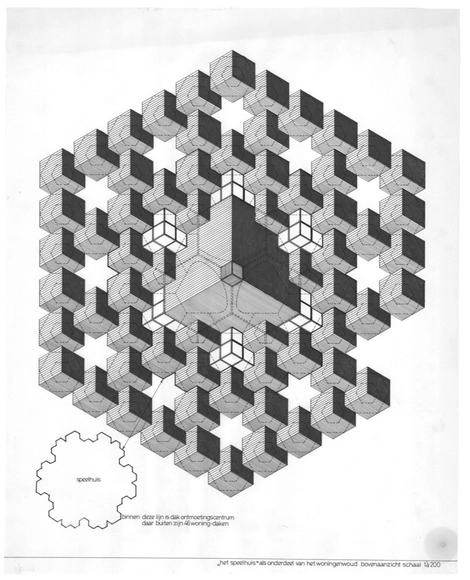
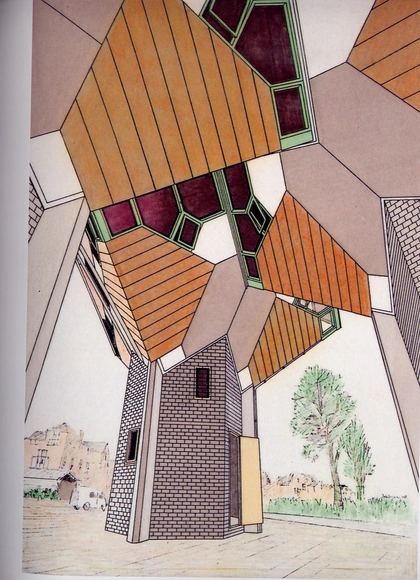
"Architecture is more than creating a place to live," stated the late Dutch architect, Piet Blom, "you create a society." Till his death in 1999, Blom designed homes and urban schemes as if to reject the stern, coldness of post-war Modernism in light of a warmer, more human architecture. His drawings, diagrams and homes portray an affectionate commitment to reconcile elements of culture with the architecture around us. Characterized by his use of lively colors and equally expressive architectural geometries, project's such as the "Kasbah" and the cube houses in Rotterdam stand as testaments to his belief that architecture serves the people, not the other way around.

A true "People's Architect," Blom's work has endeared a growing number supporters, among these are residents who have lived in his houses and are hoping to garner donations to share these artifacts with the public. Ingeborg van der Aa, secretary of the Piet Blom Foundation, mentions that the initiative's mission is to promote recognition, new insight and appreciation with the hopes of encouraging a younger generation to be active creators of their society.

To learn more or contribute towards the Piet Blom Museum, visit there Indiegogo page here.

Follow us after the break for a rare collection of Blom's drawings.