1. ArchDaily
  2. Paris

Paris: The Latest Architecture and News

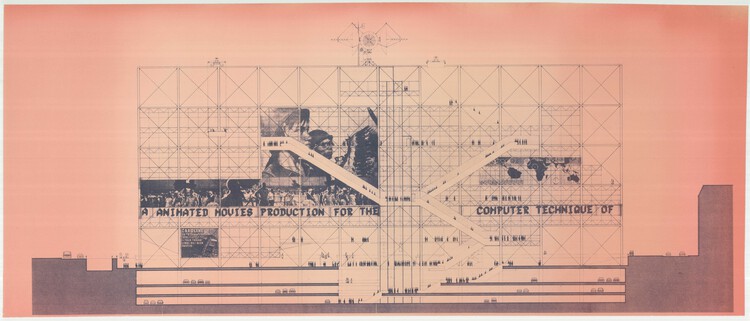
Unbuilt Visions for the Centre Pompidou Presented at “Concours Beaubourg 1971” Exhibition in Paris

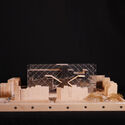
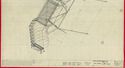
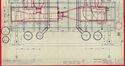
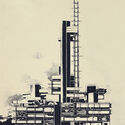
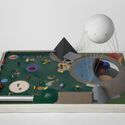
On January 30, an exhibition entitled "Concours Beaubourg 1971: Une mutation de l'architecture" opened in Paris, showcasing archival material from the competition that resulted in the selection of the current Centre Pompidou, designed by Renzo Piano and Richard Rogers between 1969 and 1974. In view of the building's recent closure for renovation, approximately 100 archival documents, including some never before exhibited from the Centre Pompidou's collections (plans, drawings, photographs, models, etc.), are on display at the Académie d'Architecture at Place des Vosges until February 22, 2026. Co-produced by the Académie d'Architecture and the Centre Pompidou, with support from the École nationale supérieure d'architecture de Saint-Étienne, the exhibition presents alternative, imaginative, and sometimes unbuildable proposals for the building. It offers a review of a fertile period in architectural history, highlighting the lasting effects of the "Beaubourg competition" on the discipline and profession.

Unbuilt Visions for the Centre Pompidou Presented at “Concours Beaubourg 1971” Exhibition in Paris - Image 1 of 4Unbuilt Visions for the Centre Pompidou Presented at “Concours Beaubourg 1971” Exhibition in Paris - Image 2 of 4Unbuilt Visions for the Centre Pompidou Presented at “Concours Beaubourg 1971” Exhibition in Paris - Image 3 of 4Unbuilt Visions for the Centre Pompidou Presented at “Concours Beaubourg 1971” Exhibition in Paris - Image 4 of 4Unbuilt Visions for the Centre Pompidou Presented at “Concours Beaubourg 1971” Exhibition in Paris - More Images+ 3

Heritage Transformations, New Capital Cities, and Residential Innovations: This Week’s Review

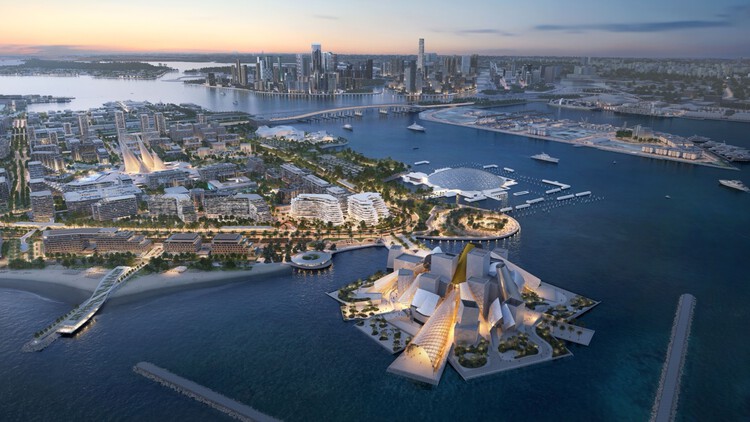
This week's news landscape brought together diverse approaches to built and cultural heritage, ranging from the design of a Museum of Jesus' Baptism at a UNESCO World Heritage Site in Jordan to major transformations of modern industrial sites and the development of major cultural districts. The World Monuments Fund's support for 21 locally led heritage projects foregrounds conservation strategies that reinforce the role of architecture in safeguarding both material and intangible heritage. Across this week's highlighted projects, adaptive reuse, landscape integration, and the reconfiguration of civic space emerge as recurrent strategies for extending the life and relevance of existing built environments. The projects also reflect broader contemporary concerns, including material research in timber construction, zero-waste urban installations, large-scale residential efficiency, and infrastructure upgrades linked to global events like the Olympic Games. Framing these developments within a wider territorial perspective, discussions on relocating capital cities worldwide offer an example of how geopolitical discourses continue to shape architecture, revealing the evolving relationship between the built environment and structures of power over time.

Heritage Transformations, New Capital Cities, and Residential Innovations: This Week’s Review - Image 1 of 4Heritage Transformations, New Capital Cities, and Residential Innovations: This Week’s Review - Image 2 of 4Heritage Transformations, New Capital Cities, and Residential Innovations: This Week’s Review - Image 3 of 4Heritage Transformations, New Capital Cities, and Residential Innovations: This Week’s Review - Image 4 of 4Heritage Transformations, New Capital Cities, and Residential Innovations: This Week’s Review - More Images+ 40

sauerbruch hutton Exhibition in Paris Explores the Technical and Atmospheric Potential of Wood

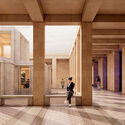
The recently inaugurated exhibition matière en résonance ("resonant matter") brings together a wide range of models and a curated selection of photographs to present sauerbruch hutton's ongoing exploration of timber. The exhibition starts from the premise that while the age of concrete defined the twentieth century, the early twenty-first century has seen a worldwide resurgence of timber, a much older building material. Timber is presented as offering "a different version of modernity" and as the subject of renewed interest that reawakens long-standing collective imaginaries. Over more than two decades, the Berlin-based architecture practice has explored the possibilities of timber construction, from façade elements to load-bearing structures and modular systems. The exhibition reflects the results of this sustained investigation, reinforcing both technical innovation and the embodied qualities of timber across a diverse range of European contexts. The exhibition will be on view from 3 to 28 February 2026 at the Galerie d'Architecture de Paris.

sauerbruch hutton Exhibition in Paris Explores the Technical and Atmospheric Potential of Wood - Image 1 of 4sauerbruch hutton Exhibition in Paris Explores the Technical and Atmospheric Potential of Wood - Image 2 of 4sauerbruch hutton Exhibition in Paris Explores the Technical and Atmospheric Potential of Wood - Image 3 of 4sauerbruch hutton Exhibition in Paris Explores the Technical and Atmospheric Potential of Wood - Image 4 of 4sauerbruch hutton Exhibition in Paris Explores the Technical and Atmospheric Potential of Wood - More Images+ 2

Parking Lot into Social Housing Residence / NZI Architectes

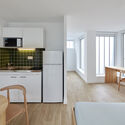
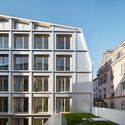
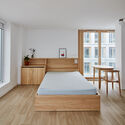
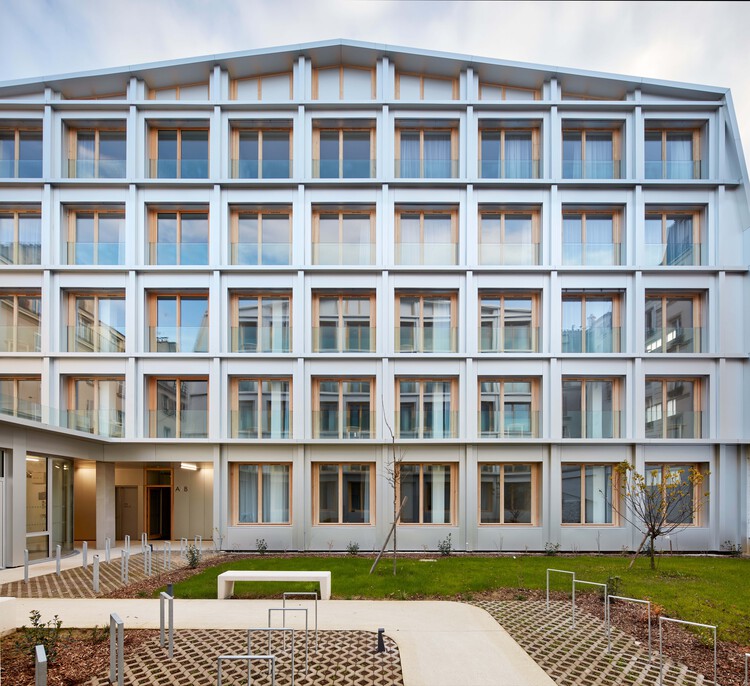
Parking Lot into Social Housing Residence / NZI Architectes - Exterior Photography, Social HousingParking Lot into Social Housing Residence / NZI Architectes - Interior Photography, Social Housing, Kitchen, Balcony, ChairParking Lot into Social Housing Residence / NZI Architectes - Exterior Photography, Social Housing, Facade, BalconyParking Lot into Social Housing Residence / NZI Architectes - Interior Photography, Social Housing, Bedroom, BedParking Lot into Social Housing Residence / NZI Architectes - More Images+ 24

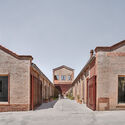
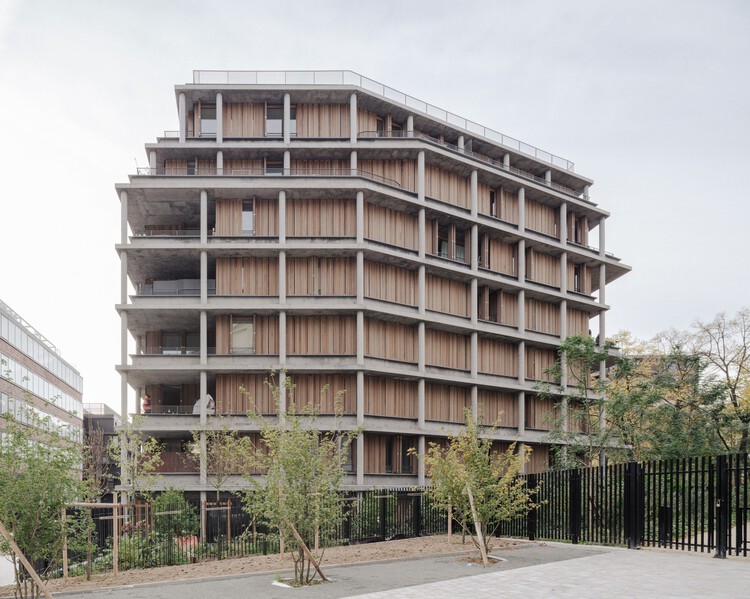
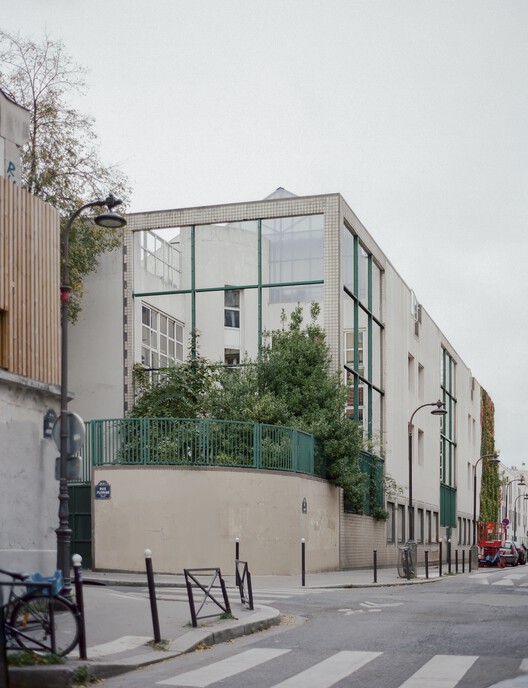
Neighborhood in Paris - Media Library and Family Flats, Student Residence, and Social Housing Units / La Architectures + Atelier Régis Roudil Architectes + Nicolas Hugoo Architecture

Neighborhood in Paris - Media Library and Family Flats, Student Residence, and Social Housing Units / La Architectures + Atelier Régis Roudil Architectes + Nicolas Hugoo Architecture - Exterior Photography, Dorms, CityscapeNeighborhood in Paris - Media Library and Family Flats, Student Residence, and Social Housing Units / La Architectures + Atelier Régis Roudil Architectes + Nicolas Hugoo Architecture - Exterior Photography, Dorms, FacadeNeighborhood in Paris - Media Library and Family Flats, Student Residence, and Social Housing Units / La Architectures + Atelier Régis Roudil Architectes + Nicolas Hugoo Architecture - Interior Photography, DormsNeighborhood in Paris - Media Library and Family Flats, Student Residence, and Social Housing Units / La Architectures + Atelier Régis Roudil Architectes + Nicolas Hugoo Architecture - Exterior Photography, DormsNeighborhood in Paris - Media Library and Family Flats, Student Residence, and Social Housing Units / La Architectures + Atelier Régis Roudil Architectes + Nicolas Hugoo Architecture - More Images+ 31

Renzo Piano Building Workshop Redesigns Montparnasse Commercial Centre as a Pedestrian District

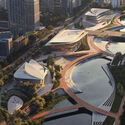
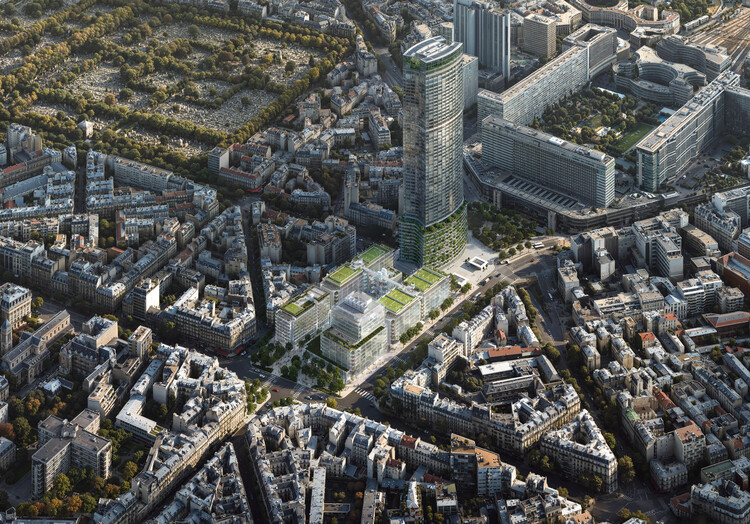
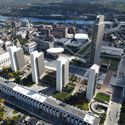
During a presentation to the press held at Paris City Hall on January 7, 2026, architect and Pritzker Prize laureate Renzo Piano released the first images of the transformation of Montparnasse's emblematic shopping center and CIT Tower into a pedestrian-focused district in Paris, France. The project, commissioned to Renzo Piano Building Workshop (RPBW) in 2022 by the co-owners of the commercial complex, proposes both a visual and functional transformation of the 1970s low-rise retail development into a more traversable space characterized by transparency and openness. The design was developed in parallel with the redevelopment of the Montparnasse Tower, led by Nouvelle AOM, to reshape the broader tertiary complex into a contemporary Parisian block oriented toward public life, environmental performance, and everyday use. The project reopens the site to the city, reconnecting streets and restoring continuity between Montparnasse and its surrounding neighborhoods through new public spaces.

Renzo Piano Building Workshop Redesigns Montparnasse Commercial Centre as a Pedestrian District - Image 1 of 4Renzo Piano Building Workshop Redesigns Montparnasse Commercial Centre as a Pedestrian District - Image 2 of 4Renzo Piano Building Workshop Redesigns Montparnasse Commercial Centre as a Pedestrian District - Image 3 of 4Renzo Piano Building Workshop Redesigns Montparnasse Commercial Centre as a Pedestrian District - Image 4 of 4Renzo Piano Building Workshop Redesigns Montparnasse Commercial Centre as a Pedestrian District - More Images+ 12

From Diplomacy to Mobility: Six Legislative Responses Cities Are Using to Confront Climate Change

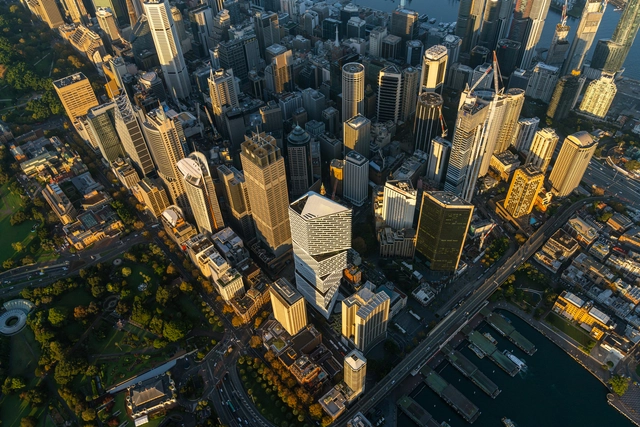
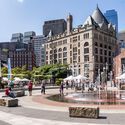
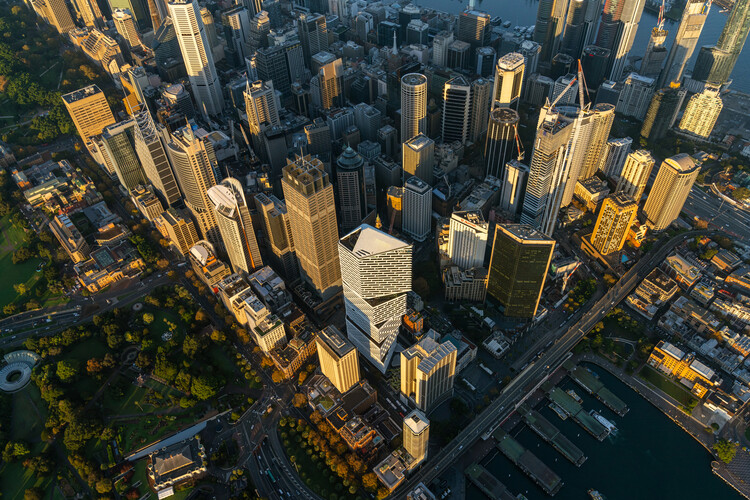
From building codes to mobility restrictions and new diplomatic roles within city governments, climate policy is increasingly being shaped at the local level through a widening range of legislative and institutional tools. Cities as varied as Sydney, Boston, New York, Paris, Miami, and dozens across Latin America are adopting targeted strategies that reflect their distinct environmental pressures and governance structures. These initiatives range from all-electric and net-zero construction requirements, to traffic-control measures designed to curb the social costs of private vehicle use, to emerging forms of urban diplomacy that coordinate responses to rising temperatures and biodiversity loss. Together, these approaches illustrate how territorial management is evolving in response to the accelerating climate crisis, and how local governments are experimenting with regulation and collaboration to confront challenges that are at once global and deeply place-specific.

From Diplomacy to Mobility: Six Legislative Responses Cities Are Using to Confront Climate Change - Image 1 of 4From Diplomacy to Mobility: Six Legislative Responses Cities Are Using to Confront Climate Change - Image 2 of 4From Diplomacy to Mobility: Six Legislative Responses Cities Are Using to Confront Climate Change - Image 3 of 4From Diplomacy to Mobility: Six Legislative Responses Cities Are Using to Confront Climate Change - Image 4 of 4From Diplomacy to Mobility: Six Legislative Responses Cities Are Using to Confront Climate Change - More Images+ 1

Rethinking Museums: A Conversation with Béatrice Grenier on Architecture as Cultural Policy

Subscriber Access | 

The opening of the new Fondation Cartier pour l'Art Contemporain in Paris last October sparked renewed questions around the role, form, and future of museums. As cultural institutions continue to proliferate worldwide in this digital era, the museum itself appears increasingly in need of redefinition. Rather than offering a single model or solution, Architecture for Culture: Rethinking Museums, written by architectural historian and curator Béatrice Grenier, argues for a more contextual and plural understanding of what a museum can be: an institution shaped by its environment, its public, and the specific cultural questions it seeks to address.

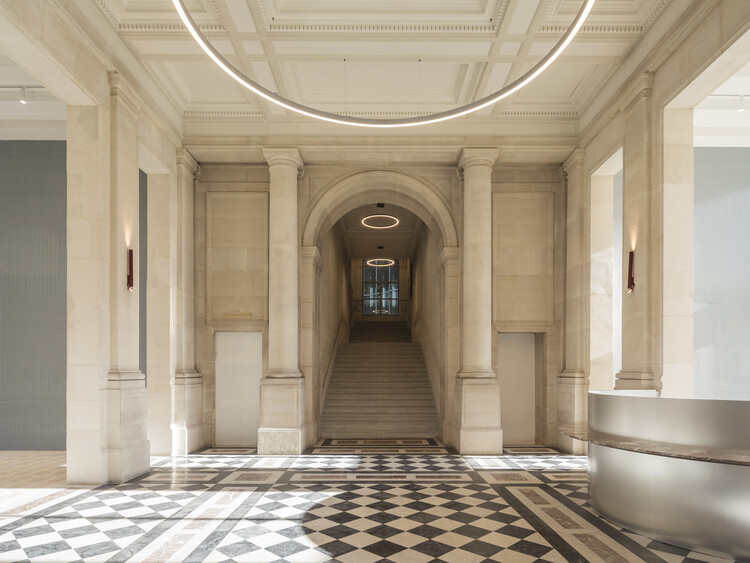
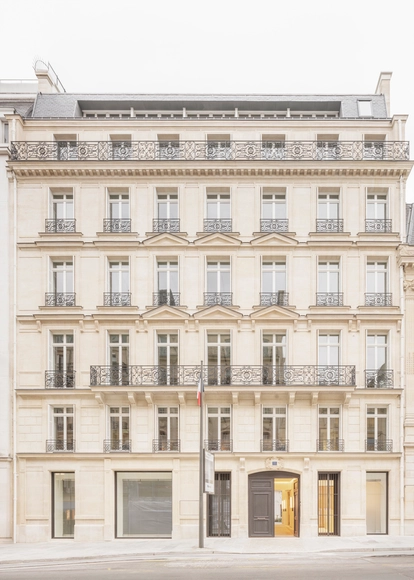
ArchDaily had the opportunity to discuss these ideas with the author against the backdrop of the Fondation Cartier's newly inaugurated home on Rue de Rivoli. Housed within a restored Haussmannian building that once accommodated the Grands Magasins du Louvre, the space has been radically reimagined by Jean Nouvel as a dynamic, transformable architecture.

Rethinking Museums: A Conversation with Béatrice Grenier on Architecture as Cultural Policy - Image 1 of 4Rethinking Museums: A Conversation with Béatrice Grenier on Architecture as Cultural Policy - Image 2 of 4Rethinking Museums: A Conversation with Béatrice Grenier on Architecture as Cultural Policy - Image 3 of 4Rethinking Museums: A Conversation with Béatrice Grenier on Architecture as Cultural Policy - Image 4 of 4Rethinking Museums: A Conversation with Béatrice Grenier on Architecture as Cultural Policy - More Images+ 11

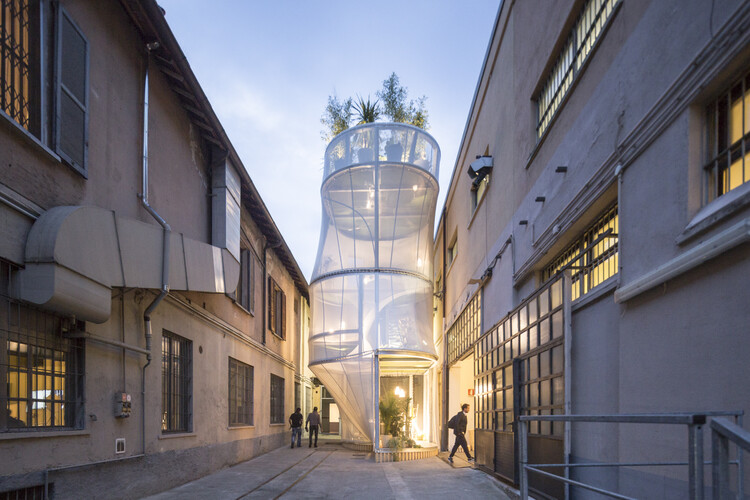
Cultural Venues, Fresh Perspectives on Public Space and One Month until the Winter Olympics: This Week’s Review

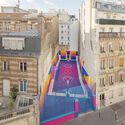
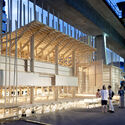
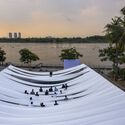
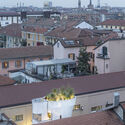
This week's news compilation brings together current discussions around public and collective space, cultural infrastructure, and long-term urban transformation across diverse geographic contexts. From shared management models redefining public space ownership in cities such as Paris and New York, to large-scale event-driven initiatives linked to Milano Cortina 2026 and the World Urban Forum in Baku, the selected projects and initiatives highlight how governance, culture, and infrastructure intersect in contemporary practice. These themes are further developed through a mix of strategic planning processes, including international test planning efforts in Northern Lviv, and built projects spanning education, culture, and temporary architecture, from a new dental teaching facility in Blantyre, Malawi, to restored and newly opened cultural venues in the United States and Taiwan, and adaptive reuse interventions showcased at the Chicago Architecture Biennial. The international examples outline an architectural landscape shaped by reuse, public engagement, and the evolving role of design in responding to social, cultural, and institutional frameworks.

Cultural Venues, Fresh Perspectives on Public Space and One Month until the Winter Olympics: This Week’s Review - Image 1 of 4Cultural Venues, Fresh Perspectives on Public Space and One Month until the Winter Olympics: This Week’s Review - Image 2 of 4Cultural Venues, Fresh Perspectives on Public Space and One Month until the Winter Olympics: This Week’s Review - Image 3 of 4Cultural Venues, Fresh Perspectives on Public Space and One Month until the Winter Olympics: This Week’s Review - Image 4 of 4Cultural Venues, Fresh Perspectives on Public Space and One Month until the Winter Olympics: This Week’s Review - More Images+ 15

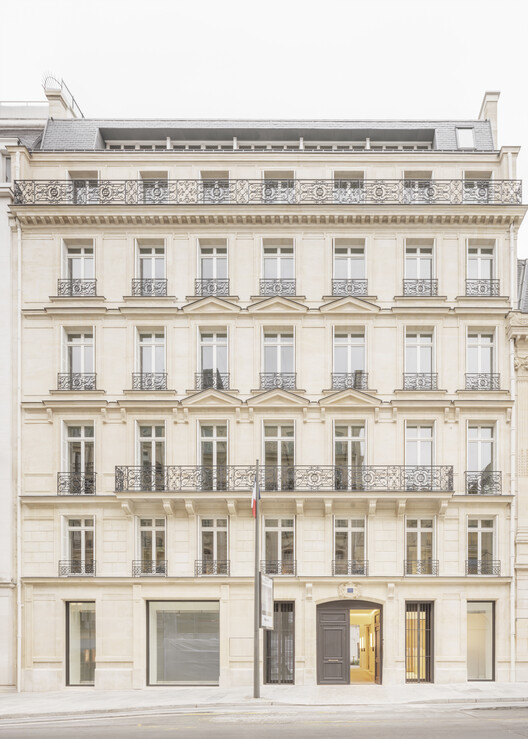
Chamber of Notaries of Paris / L'Atelier Senzu + LAGNEAU Architectes

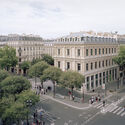
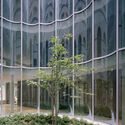
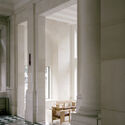
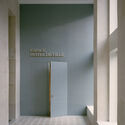
Chamber of Notaries of Paris / L'Atelier Senzu + LAGNEAU Architectes - Exterior Photography, Renovation, FacadeChamber of Notaries of Paris / L'Atelier Senzu + LAGNEAU Architectes - RenovationChamber of Notaries of Paris / L'Atelier Senzu + LAGNEAU Architectes - RenovationChamber of Notaries of Paris / L'Atelier Senzu + LAGNEAU Architectes - Interior Photography, RenovationChamber of Notaries of Paris / L'Atelier Senzu + LAGNEAU Architectes - More Images+ 37

  • Area Area of this architecture project Area:  2868
  • Year Completion year of this architecture project Year:  2025
  • Manufacturers Brands with products used in this architecture project
    Manufacturers:  Saint-Gobain, Degaine et Mergozzo, MARAZZI, QUINTESSENZA CERAMICHE, vandaglas

Who Owns Public Space? Three Active Models of Shared Management Shaping Urban Commons in Europe and New York

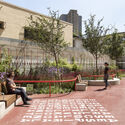
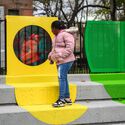
Public space is often understood as belonging to no one in particular, collectively accessible yet institutionally maintained, yet a growing number of initiatives are challenging this assumption by testing shared management and distributed ownership models. In Paris, Adoptez un banc introduces a sponsorship-based approach, allowing individuals and groups to support temporarily and symbolically claim responsibility for historic public furniture without compromising its collective use. Elsewhere in the city, community gardens operating under the Main Verte framework demonstrate a self-managed model, in which public and private landowners retain ownership while delegating day-to-day control to citizen associations for food production and shared use. In New York, Common Corner represents a third pathway, based on institutional collaboration and participatory design, where public agencies, nonprofits, designers, and residents co-produce public space within a public housing context. Taken together, these three cases suggest that care, authorship, and responsibility can be distributed across citizens and institutions, producing more resilient, locally grounded urban environments.

François Ier Building / Barthélémy Griño Architectes

François Ier Building / Barthélémy Griño Architectes - Interior Photography, Renovation, CourtyardFrançois Ier Building / Barthélémy Griño Architectes - Interior Photography, RenovationFrançois Ier Building / Barthélémy Griño Architectes - Interior Photography, Renovation, Beam, ChairFrançois Ier Building / Barthélémy Griño Architectes - Interior Photography, Renovation, Kitchen, ChairFrançois Ier Building / Barthélémy Griño Architectes - More Images+ 26

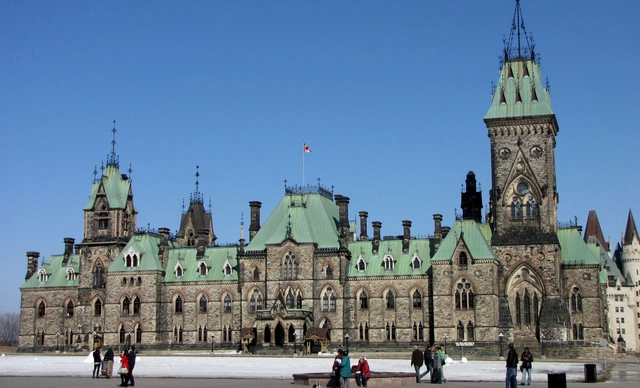
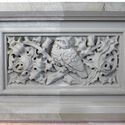
Historic Materials in the Digital Age: How Digitally Assisted Stone Carving Adds a New Dimension to Heritage Restoration

Heritage restoration has always been an intricate process that requires delicate balancing between preserving the integrity of historic materials while integrating contemporary techniques that can enhance accuracy, efficiency, and resilience. With the restoration process of Parliament Hill in Ottawa, Canada's capital city, this intersection of tradition and technology is now on full display. The East Block, built in 1865, offers a compelling example of how digital tools can support the efforts of heritage restoration and contribute to a centuries-old craft such as stone carving.

Historic Materials in the Digital Age: How Digitally Assisted Stone Carving Adds a New Dimension to Heritage Restoration  - Image 4 of 4Historic Materials in the Digital Age: How Digitally Assisted Stone Carving Adds a New Dimension to Heritage Restoration  - Image 6 of 4Historic Materials in the Digital Age: How Digitally Assisted Stone Carving Adds a New Dimension to Heritage Restoration  - Image 5 of 4Historic Materials in the Digital Age: How Digitally Assisted Stone Carving Adds a New Dimension to Heritage Restoration  - Image 2 of 4Historic Materials in the Digital Age: How Digitally Assisted Stone Carving Adds a New Dimension to Heritage Restoration  - More Images+ 8

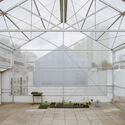
An Educational Farm on the Roof / rerum architectes

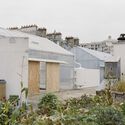
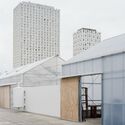
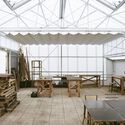
An Educational Farm on the Roof  / rerum architectes - Educational ArchitectureAn Educational Farm on the Roof  / rerum architectes - Exterior Photography, Educational ArchitectureAn Educational Farm on the Roof  / rerum architectes - Interior Photography, Educational Architecture, Beam, ChairAn Educational Farm on the Roof  / rerum architectes - Educational ArchitectureAn Educational Farm on the Roof  / rerum architectes - More Images+ 22

  • Architects: rerum architectes
  • Area Area of this architecture project Area:  350
  • Year Completion year of this architecture project Year:  2025
  • Manufacturers Brands with products used in this architecture project
    Manufacturers:  Schneider Electric, INDIGO, Renolit

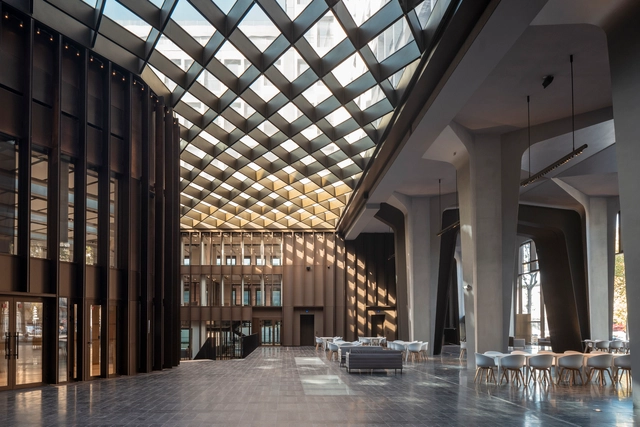
Grande Armée L1ve Office Building / Baumschlager Eberle Architekten

Grande Armée L1ve Office Building / Baumschlager Eberle Architekten - Adaptive ReuseGrande Armée L1ve Office Building / Baumschlager Eberle Architekten - Adaptive ReuseGrande Armée L1ve Office Building / Baumschlager Eberle Architekten - Exterior Photography, Adaptive Reuse, LightingGrande Armée L1ve Office Building / Baumschlager Eberle Architekten - Exterior Photography, Adaptive Reuse, FacadeGrande Armée L1ve Office Building / Baumschlager Eberle Architekten - More Images+ 18

  • Area Area of this architecture project Area:  35000
  • Year Completion year of this architecture project Year:  2022
  • Manufacturers Brands with products used in this architecture project
    Manufacturers:  Pilkington, Bernard Bois, Isover, Schuco

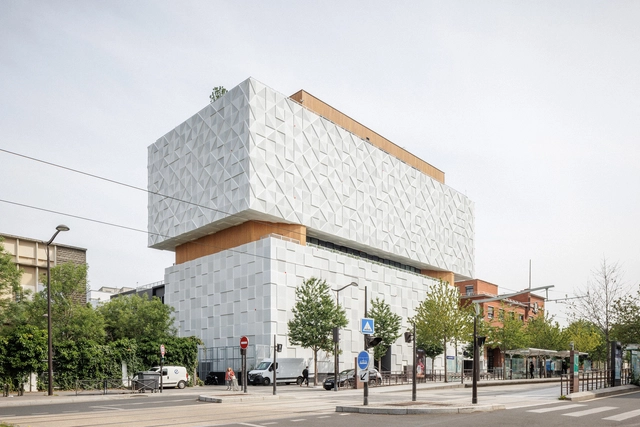
42UP School Extension / AR Studio d'Architectures

42UP School Extension / AR Studio d'Architectures - Interior Photography, Extension42UP School Extension / AR Studio d'Architectures - Interior Photography, Extension, Lighting, Chair42UP School Extension / AR Studio d'Architectures - Interior Photography, Extension, Table, Chair42UP School Extension / AR Studio d'Architectures - Interior Photography, Extension, Chair42UP School Extension / AR Studio d'Architectures - More Images+ 57

What Fits in the Void? Terrain Vague and Cities That Resist Planning

Subscriber Access | 

Every city carries, woven into its fabric, fissures that resist capture: ruins, vacant lots, leftover infrastructures, and gaps that persist at the margins of the official narrative. These are places that slip through the logics of planning, emerging as unexpected counter-scenes within a territory that seeks to present itself as coherent.

In the rush to organize and predict, we rarely pause to notice what emerges from such unforeseen conditions. Yet it is precisely in them that new forms of urban life begin to take shape. Free from pragmatic control or predetermined codes of conduct, these spaces reveal another layer of the city — one that, in its continual state of latency, opens room for new modes of appropriation.


What Fits in the Void? Terrain Vague and Cities That Resist Planning - Image 1 of 4What Fits in the Void? Terrain Vague and Cities That Resist Planning - Image 2 of 4What Fits in the Void? Terrain Vague and Cities That Resist Planning - Image 3 of 4What Fits in the Void? Terrain Vague and Cities That Resist Planning - Image 4 of 4What Fits in the Void? Terrain Vague and Cities That Resist Planning - More Images+ 8

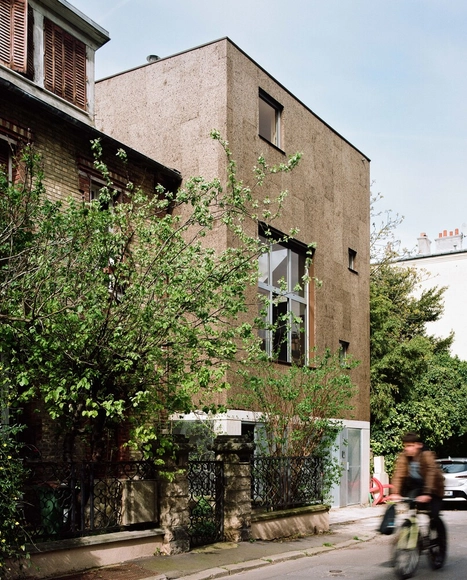
House Écorce / Benoit Rotteleur Architecte

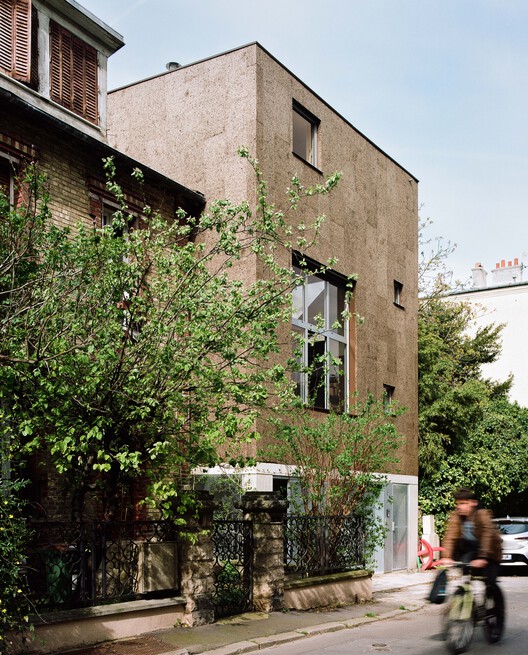
House Écorce / Benoit Rotteleur Architecte - HousesHouse Écorce / Benoit Rotteleur Architecte - Interior Photography, Houses, Stairs, ChairHouse Écorce / Benoit Rotteleur Architecte - Interior Photography, HousesHouse Écorce / Benoit Rotteleur Architecte - Interior Photography, HousesHouse Écorce / Benoit Rotteleur Architecte - More Images+ 5

  • Area Area of this architecture project Area:  100
  • Year Completion year of this architecture project Year:  2023
  • Manufacturers Brands with products used in this architecture project
    Manufacturers:  Reynaers Aluminium, Bouyer-leroux, Filtersun, Kenzaï