

-
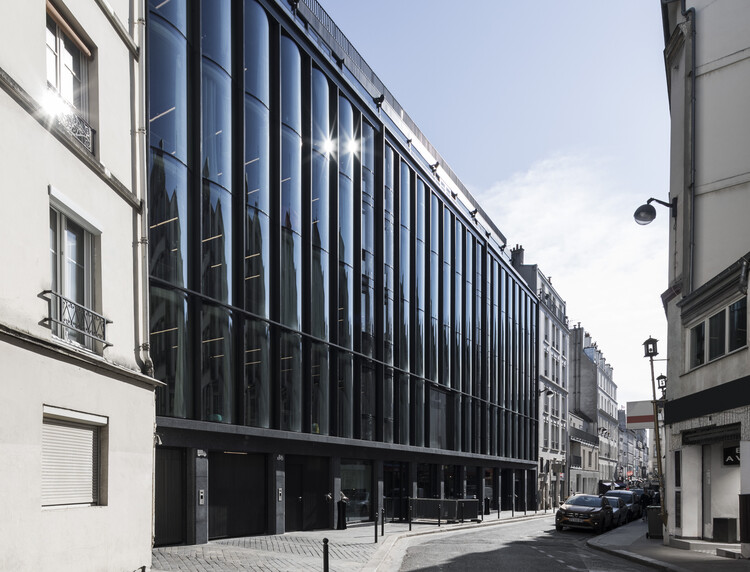
Architects: Axel Schoenert Architectes
- Area: 8400 m²
- Year: 2022
-
Professionals: LaSalle Investment Management, Nexity Immobilier, Studio Facades, Barcque Charpentes


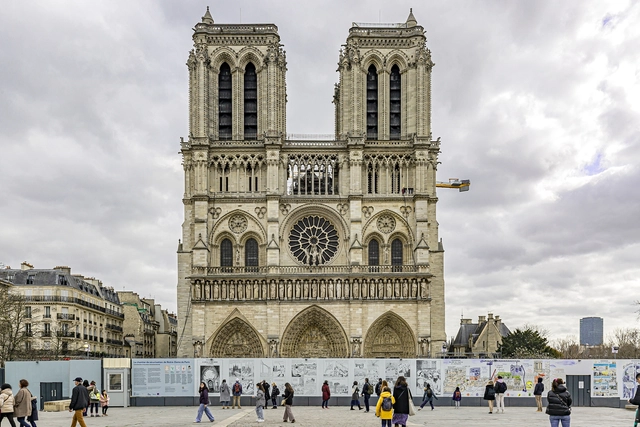
Notre Dame cathedral in Paris is on course to reopen to worshipers and the public in 2024, according to Culture Minister Rima Abdul Malak’s statement on Thursday, almost three years after the devastating fire. In the statement, she noted that the clean-up phase of the restoration project is now completed, allowing rebuilding work to get underway. The 12th century cathedral is being restored to its previous design, including the 96-meter spire designed by architect Eugene Viollet-le-Duc in the mid-1800s, for which new timber has been selected.
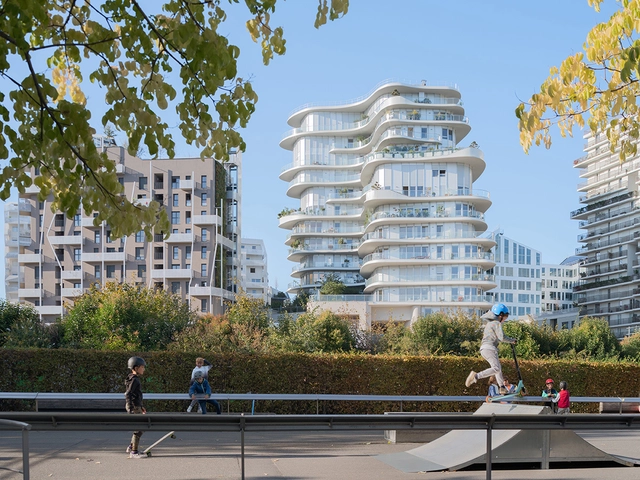
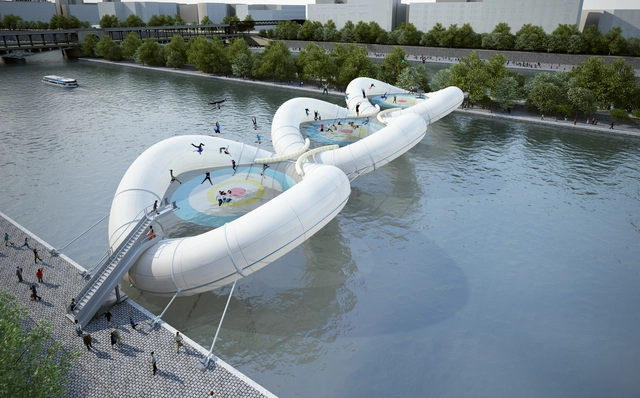
Humane cities center around the relationships between people and places. Communities thrive on shared resources, public spaces, and a collective vision for their locality. To nurture happy and healthy cities, designers and the public apply methods of placemaking to the urban setting. Placemaking—the creation of meaningful places—strongly relies on community-based participation to effectively produce magnetic public spaces.


In parallel with the restoration works underway at the Notre Dame de Paris cathedral, the city of Paris has launched a design competition to redevelop the cathedral’s surroundings. On June 27, the jury announced the team led by landscape designer Bas Smets as the winner of the competition. The project, planned to start in 2024, will reimagine the square and the underground parking spaces beneath it, including the archeological crypt, the Jean XXIII square located behind the cathedral, the Seine riverbanks, and the adjacent streets. This extensive project aims to bring Parisians back to the heart of Paris and welcome the 12 million visitors coming each year in better conditions.
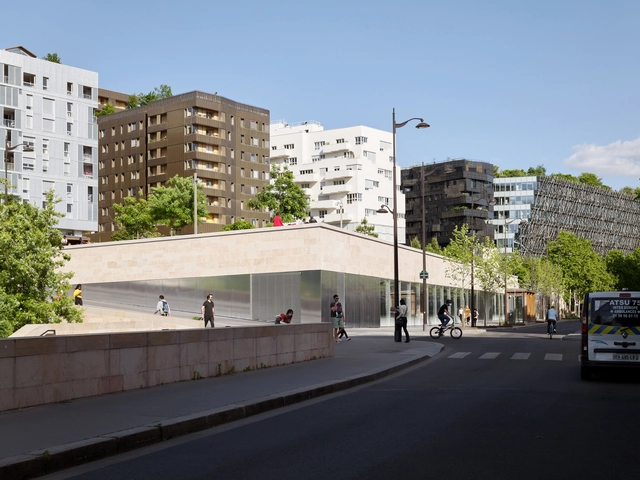
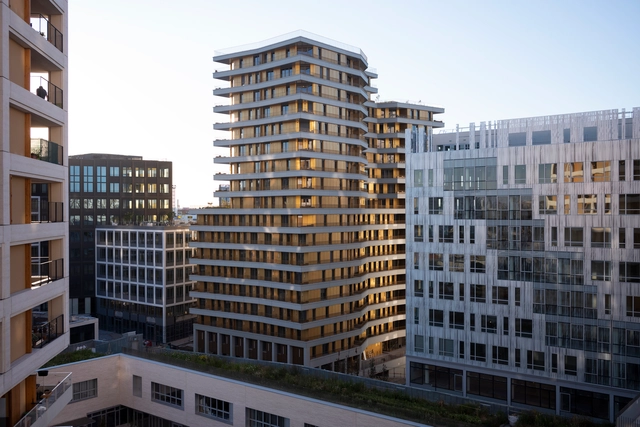
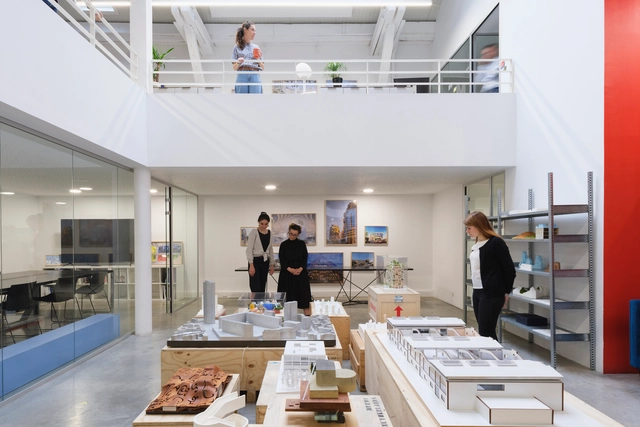
MVRDV and The Why Factory's have collaborated on an exhibition that explores the principles of "architecture and urbanism calls to action”. Titled "Agir", the exhibition is open to the public since June 9th, in the connected spaces of the ArchiLib Gallery and MVRDV’s Paris office. The exhibition takes its name from the French verb meaning “act”, and examines the activist works of MVRDV and The Why Factory, revealing its capacity to address a wide variety of environmental and social challenges.
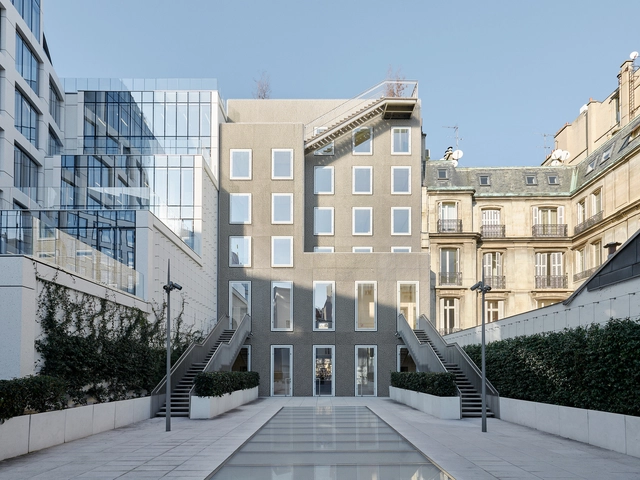
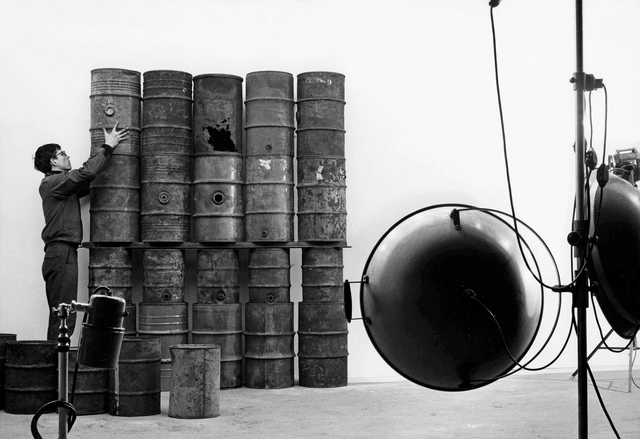
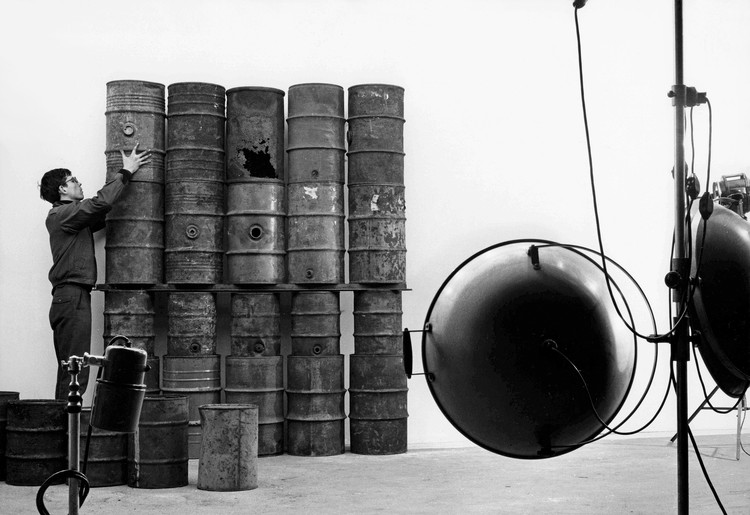
Gagosian Gallery Paris has announced an exhibition dedicated to Christo, presented in collaboration with the artist’s estate. Featuring sculptures made in Paris between 1958 and 1963, the exhibition features the earliest examples of Christo’s wrapped objects and barrel structures, many of which are exhibited for the first time, along with key works from his rarely shown Surfaces d’Empaquetage and Cratères series. The exhibition is open to the public on June 10, displayed across two floors of Gagosian’s rue de Ponthieu gallery, near Christo’s first Paris studio.
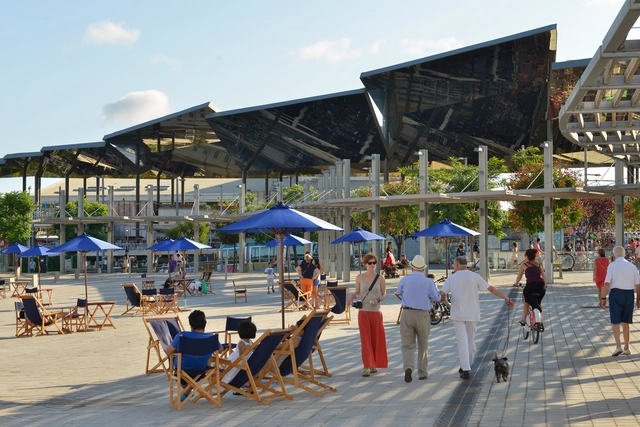
Cities across the Northern Hemisphere are preparing for the upcoming summer months, which are expected to be warmer and drier than average. The European Center for Medium-Range Weather Forecasts warns about temperatures rising above the norm in central and southern Europe this summer. Similarly, the forecast for the Unites States predicts hotter weather and below-average rainfall likely to fuel a megadrought. This poses threats for citizens, especially in larger cities, where heat-absorbing asphalt and waste heat generated by energy use create a “heat-island” effect. It translates to temperatures being up to 10°F (5.6°C) warmer in cities compared to the surrounding natural areas.
.jpg?1654020023&format=webp&width=640&height=580)
French architect Renée Gailhoustet has been awarded the 2022 Royal Academy Architecture Award for her pioneering work designing public housing and neighborhoods in and around Paris. The award is given annually by London's Royal Academy to individuals or practices whose idea or body of work has positively contributed to the public.
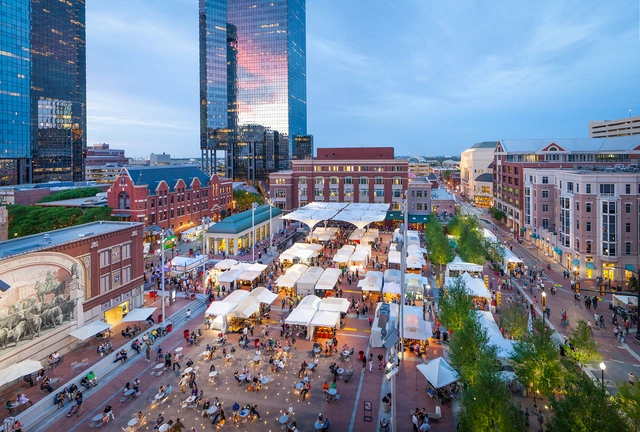
Public spaces play a significant role in organizing the life of every community but defining what differentiates them from other spaces within the city is not an easy task. Once these spaces start to settle into the collective memory of the local communities, they become key elements that concentrate the mental image of a city. While this process usually happens with urban spaces, monuments and isolated architectural elements can also become markers for the urban life of an area. So, what happens when dramatic events like fires, war, or even the pandemic alter that image?
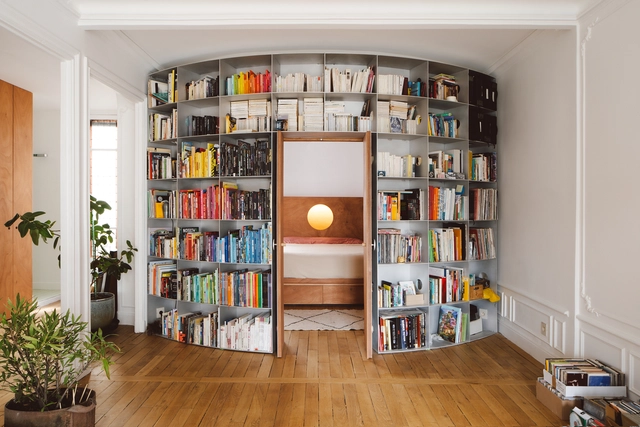
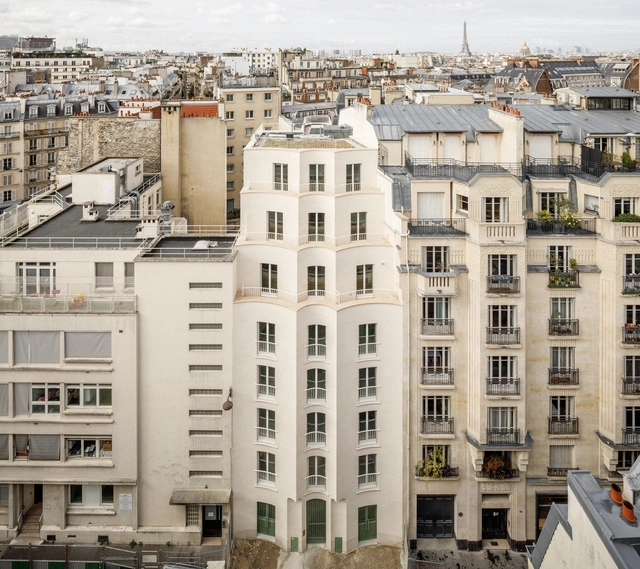











.jpg?1655725729 "© Juan Jerez")

.jpg?1655725498 "© Juan Jerez")





.jpg?1654020013 "Aubervilliers by Renée Gailhoustet . Image © Marc Pataut")
.jpg?1654020163 "Le Liegat Ivry sur Seine by Renée Gailhoustet. Image © Valerie Sadoun")
.jpg?1654020006 "Aubervilliers by Renée Gailhoustet . Image © Marc Pataut")

.jpg?1654020023)


._Image_by_Zupagrafika.jpg?1653259487 "Orła Białego prefab panel estate in Poznań (Brutal Poland). . Image © Zupagrafika")