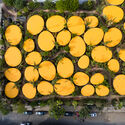
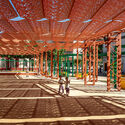
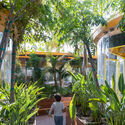
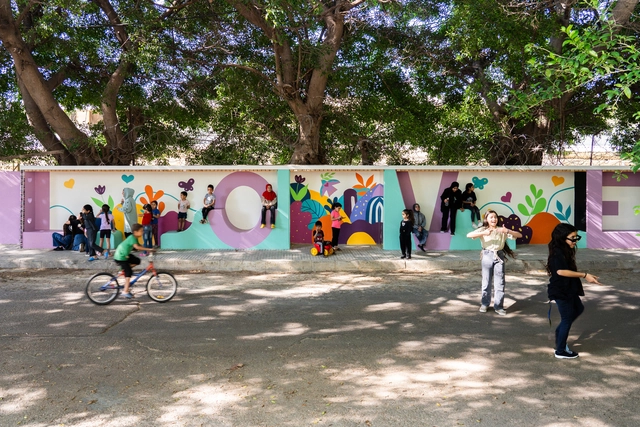
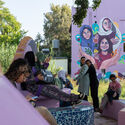
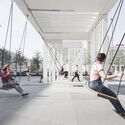
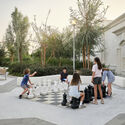
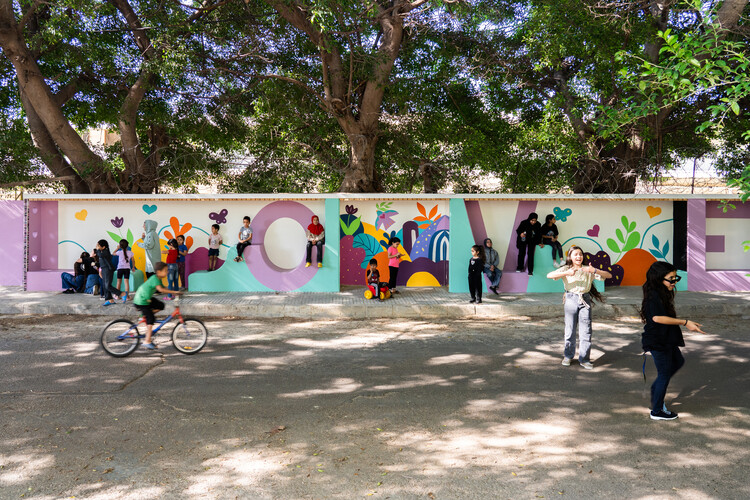
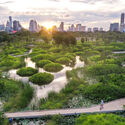
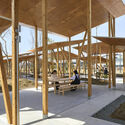
Adolescent Girls Co-Design and Build their Public Spaces in Beirut June 2024. Image Courtesy of CatalyticAction
Make Space for Girls (MSFG) is a London-based charity that campaigns for public spaces and parks in the United Kingdom to be more inclusive of teenage girls. The organization conducts research on how public spaces are used and designed, raises awareness about perceived inequalities in their use, and collaborates with public and private institutions to promote the representation of teenage girls in the planning and design of outdoor environments. Their research indicates that their exclusion from the design of parks and public spaces often leaves them without places where they feel welcomed or valued, and that parks and public spaces for older children and teenagers are currently designed for the default male. From 8 to 15 October, the organization is running a fundraising campaign to support the implementation of its new three-year strategy aimed at promoting more inclusive public spaces.
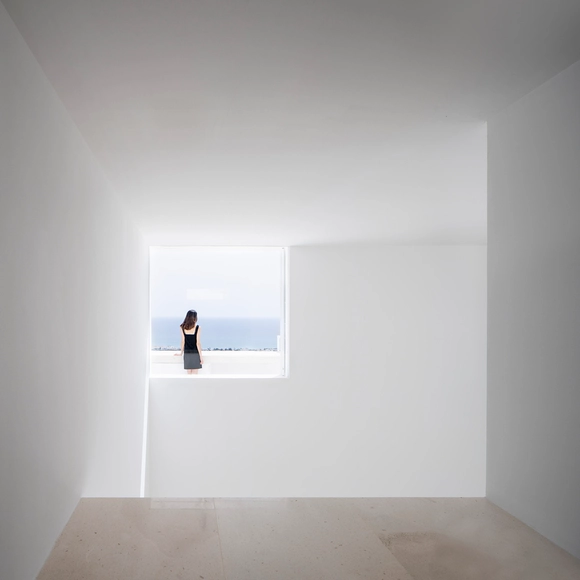
In The Poetics of Space, French philosopher Gaston Bachelard proposes reading architecture as a lived experience, in which each environment carries emotional and symbolic meaning. Reflecting on the house, he places particular importance on thresholds (windows, doors, stairs, attics, basements) as zones of transition and rupture between the intimate and the open, the known and the unknown. For him, the window is not merely a functional opening, but a point of dreaming and contemplation: it is through the window that the inhabitant projects themselves into the world. This perspective inspires a sensitive approach to architectural work, in which boundaries are not limited to separation, but articulate imagination, memory, and desire.
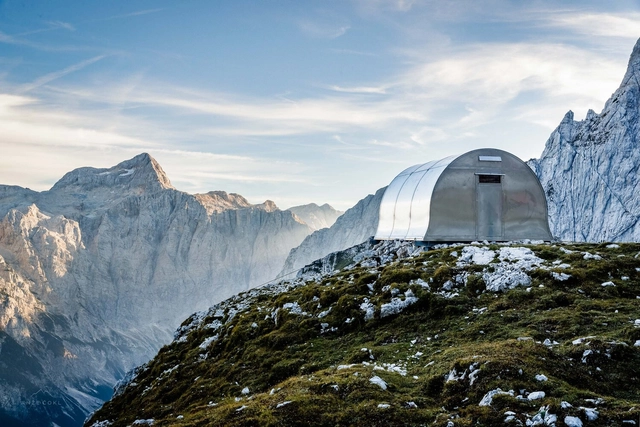
Mountainous and high-altitude regions are considered to be among the most fragile ecosystems on Earth. From melting glaciers to land erosion, these environments face mounting threats from climate change, making it imperative to reimagine how architecture and its supporting infrastructure are designed for such places.
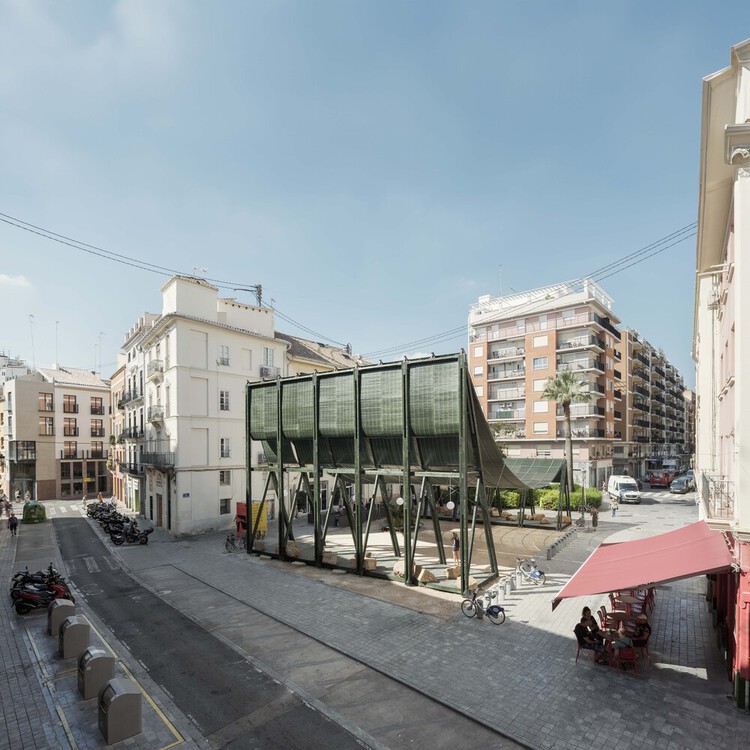
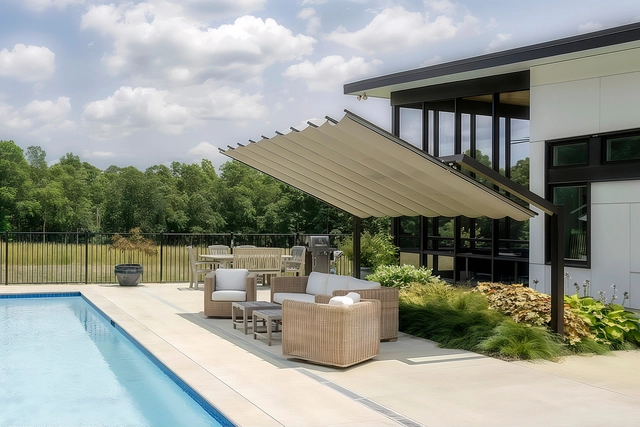
The sun is an inescapable partner in architecture, influencing lighting, energy efficiency, and comfort inside and outside buildings. This influence has become increasingly relevant in the context of climate change, which has led to rising temperatures and the creation of challenging environments. In response, designers are constantly working to adapt cities to heatwaves through large-scale urban strategies. On a smaller scale, such as in residential settings, the issue can be addressed more specifically through various shading solutions.
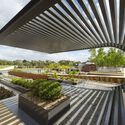
Since the sun's behavior varies by region and time of year, adjustable shade structures are crucial for managing sunlight and heat effectively. In high latitudes, the solar angles shift with the changing seasons, while in equatorial regions, the radiation remains more consistent throughout the year. ShadeFX retractable solutions are crafted to adapt to these varying conditions, regulating direct light intensity and minimizing excessive heat. By enhancing the comfort and functionality of spaces, these solutions also help reduce the impact of an overheated planet.
https://www.archdaily.com/1020060/how-to-choose-shade-structures-strategies-based-on-solar-angles-and-seasonsEnrique Tovar
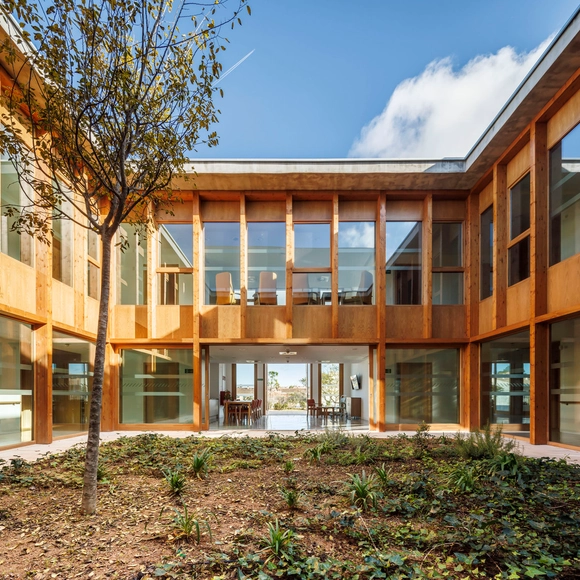
Faced with the aging of the global population, one of the most significant social transformations of the 21st century is anticipated. The design of patios, gardens, terraces, and other green areas in facilities for the elderly presents an opportunity to foster interaction, participation in various collective activities, and the establishment of gathering spaces aimed at reducing loneliness among older adults while enhancing well-being and social interaction in connection with nature. How can built environments be created to adapt to the needs of older adults?
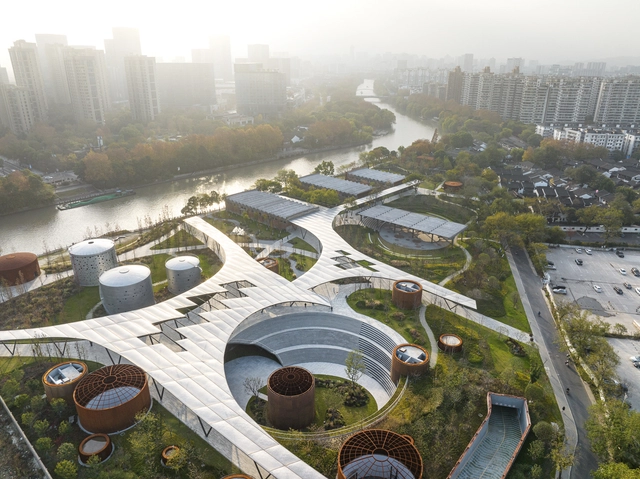
Large-scale infrastructure projects often aim to connect distant locations within urban areas, facilitating quicker transportation, logistics, and commercial activities along their routes. However, while these projects link distant destinations, their substantial physical presence can significantly affect local communities. This may result in the disconnection and disengagement of previously connected neighborhoods, the disruption of public spaces, and generally negative outdoor experiences caused by noise, pollution, and lack of attention and maintenance to these infrastructures.
Nevertheless, several successful built environment projects have re-integrated contentious infrastructure into the community through thoughtful design of outdoor spaces, with Paris' Coulée verte René-Dumont being one of the first examples and New York's High Line being one of the most prominent examples. The High Line demonstrates how well-conceived outdoor projects can address the alienation caused by extensive infrastructure, foster community reconnection, serve as cultural and economic hubs, and even spur further economic redevelopment, as in Hudson Yards.
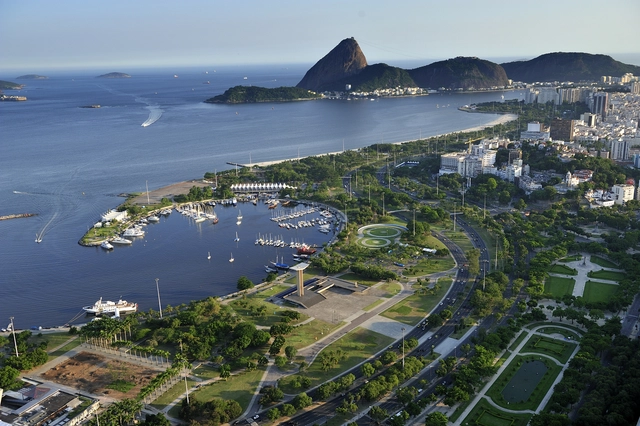
From the 1930s to the 1990s, Burle Marx's work anticipated many of today's concerns about sustainability and urban well-being. Long before terms like "sustainable design" or "green infrastructure" became commonplace, Burle Marx was already advocating for the use of native plants, recognizing their role in creating self-sustaining ecosystems that required minimal intervention. His projects often transformed neglected urban areas into vibrant, ecologically balanced spaces that not only improved the environment but also enhanced the quality of life for city dwellers.
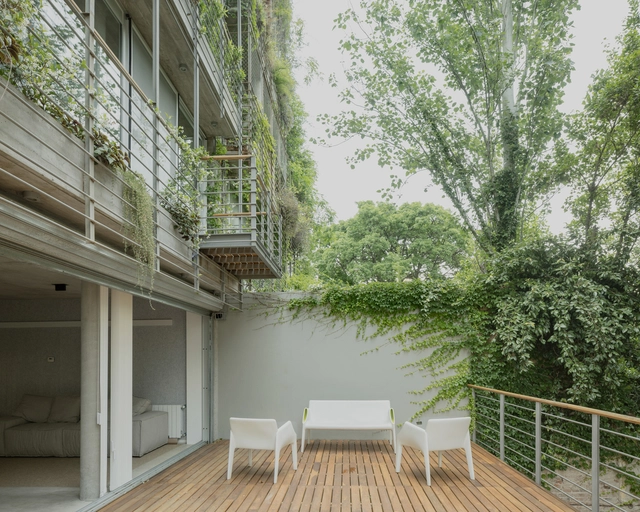
In dense urban living, the ability to connect with the outdoors for enjoyment and for wellbeing becomes starkly important. This became particularly apparent in the COVID-19 pandemic when millions of people across the globe had to be confined to their homes for long periods. Notwithstanding that, as the world increasingly urbanizes, good quality housing design is vital and this includes access to the outside. In a city like London, this need was recognized, and providing an outside space in every dwelling became mandatory around the year 2010. In multi-storey housing, providing outside space usually takes the form of a balcony. The design possibilities are endless, so what are the key considerations when incorporating balconies in an urban residential building?
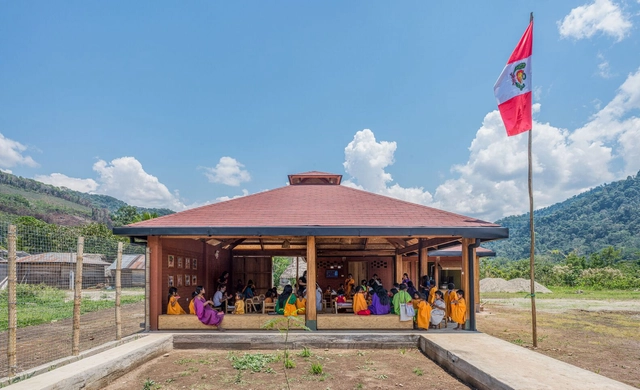
How is it possible to open educational spaces to the outdoors, and what are the appropriate conditions for their development? What bioclimatic strategies can be implemented to contribute to environmental comfort and the cultural preservation of communities? By conceiving outdoor learning spaces and blurring the boundaries between indoors and outdoors, the educational infrastructures projected by the Semillas association in the Peruvian jungle invite reflection on the opportunities for gathering, meeting, and community participation among students, families, and local residents. Linked to the site's uses and customs, this conception of space represents a way of living where the implementation of bioclimatic strategies, along with the use of local materials and construction techniques, come together to create an architecture connected to its environment and history.
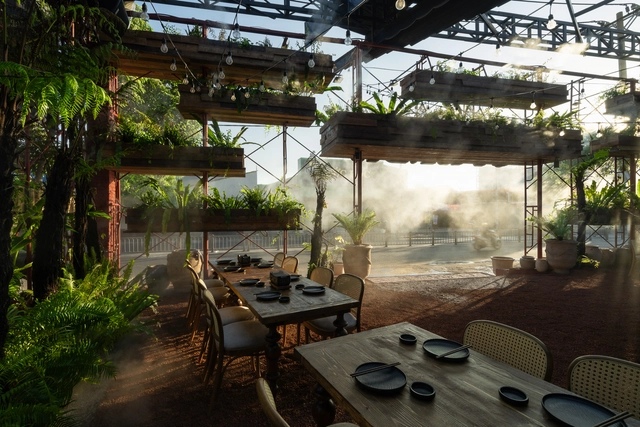
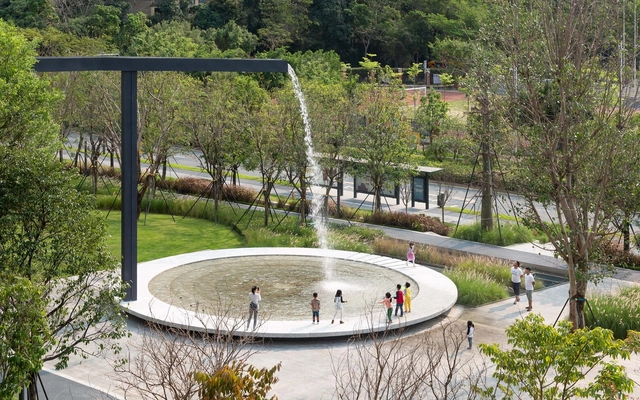
Due to climate change, heat waves are becoming increasingly frequent and intense, and they present a critical challenge for the design of urban spaces. Elevated temperatures exacerbate public health issues, increase energy consumption, and diminish cities' overall quality of life. Urban design must adopt strategies that promote resilience to mitigate these effects rather than merely replicating traditional formats that do not address the thermal stress experienced by many.
For quite some time, we have recognized the positive effects of urban green spaces, interaction with nature, water, and soil, and the associated health and well-being benefits for residents living next to parks. The significance of this matter has been further underscored, particularly in the aftermath of the panic induced by the Covid-19 pandemic. However, the present moment once again highlights the influence of our urban models on modern life, now grappling with unprecedented extreme temperatures.
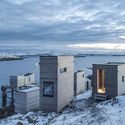
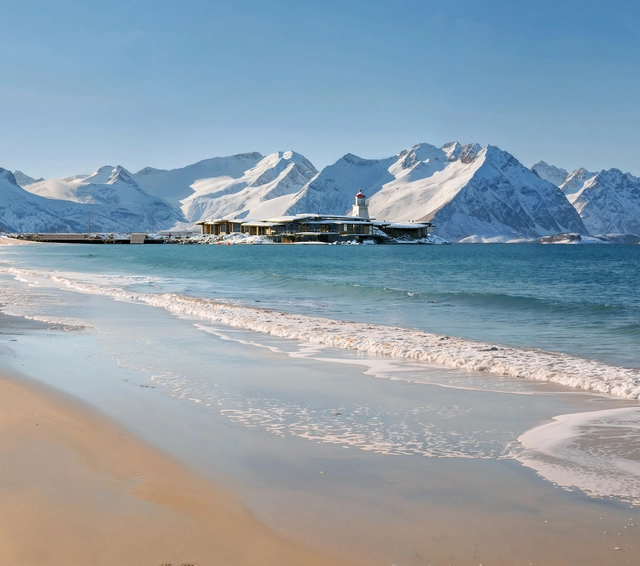
Danish architecture studio Dorte Mandrup has just released the designs for its new project in the Arctic Region. Teaming up with high-end Norwegian adventure and outdoor brand Norrøna, the studio has designed a nature hotel. Situated in Northern Norway in Senja, Norway’s second-largest island, the hotel is surrounded by dramatic landscapes featuring steep mountains, beaches, valleys, and deep fjords.
Lithuania's architectural narrative is a mosaic of diverse influences and styles, representing its historical evolution, cultural heritage, and resilience through changing times. Despite a focus on traditional craftsmanship, functional minimalism, and sustainable materials, the country's design language has been profoundly influenced by its geopolitical position and historical events, resulting in a blend of styles from different periods. A key factor that cuts across all expressions, however, is Lithuanian architecture's seamless connection with its natural surroundings.
At first glance, building a pool right beside another body of water seems a little redundant. After all, why would someone choose to swim in a pool when they have a river or ocean to enjoy? However, for people with limited mobility and younger more inexperienced swimmers, natural bodies of water can prove both daunting and dangerous. Pools not only provide a controlled, secure space for them to enjoy aquatic activities, they also provide a connection with the surrounding landscape.
Sun protection is a universal need for human beings. While sunlight benefits our health and mood, it is also essential to protect ourselves from its harmful effects on our well-being and comfort. Throughout history, architecture has provided solutions to this need by offering shelter and comfort in shaded areas. Since ancient Egypt, sunshades made of palm leaves attached to a pole have been used to protect against the sun in open spaces.
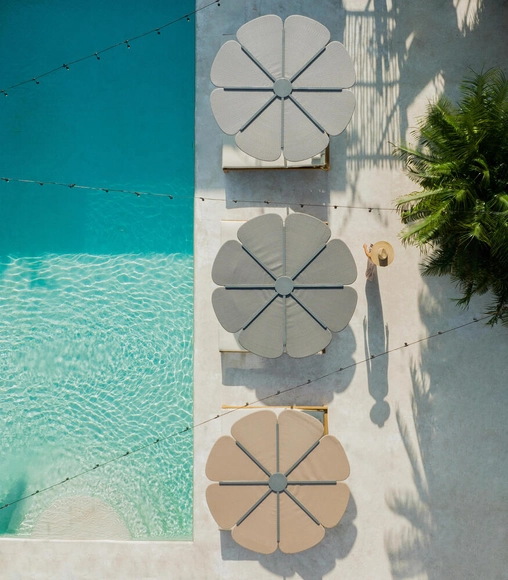
Thanks to contemporary materials, we can now develop more durable outdoor structures and furniture than the palm leaves used by the Egyptians 4000 years ago. This has resulted in lightweight and aesthetically pleasing structures that resulted from the designs and materials that emerged in the 20th century. Although these designs are not made from natural elements, they incorporate pieces that replicate their characteristics, providing shade with unique shapes and a distinctive design. In this context, cbdesign has created the Daisy umbrella. This flower-shaped parasol reproduces the colors found in natural surroundings, such as the sea, yellow frangipani, the blue sky, and purple bougainvillea.
https://www.archdaily.com/1002858/aesthetic-accents-flower-shaped-umbrellas-that-fuse-beauty-and-utilityEnrique Tovar
The weather across the northern hemisphere is getting warmer, and with rising temperatures comes the urgent need for many of us to spend as much time outside as possible. While a variety of outdoor activities bring with them their own sense of accomplishment and relaxation, one in particular combines feelings of leisure, indulgence and community: outdoor cooking. But how did this tradition start? And what has it evolved into?