As the building industry continues to account for a significant share of global carbon emissions, digital platforms are increasingly being developed to support carbon reduction across different stages of the design and construction process. These initiatives range from material-focused knowledge databases to project life-cycle guidance and early-stage embodied carbon assessment tools. While differing in scope and methodology, they commonly aim to improve access to technical knowledge, clarify responsibilities across the value chain, and facilitate more informed decision-making in the built environment. Recently, Henning Larsen launched OpenDetail, joining related efforts by Grimshaw and MVRDV to address decarbonization through shared digital infrastructure.
For monuments worthy of sustained admiration, conservation practices have been selectively mobilized to reinforce their prestige and secure their place at the center of heritage narratives. Structures whose vernacular ought to be passed down miss the discerning eye of the experts. Rowhouses, shopfronts, and neighborhood structures that form the fabric of our cities are often left to deteriorate beyond repair. Much more is lost, apart from aesthetics.
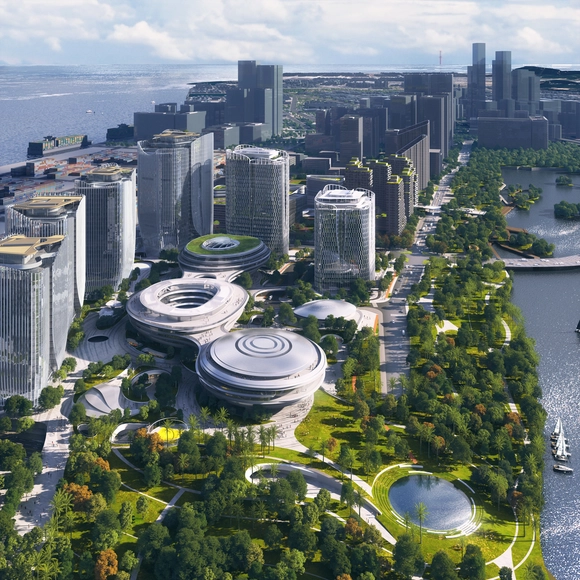
Tencent Shenzhen Headquarter Lot 04 East designed by Ma Yansong/MAD Architects. Image Courtesy of MAD Architects
Tencent is developing its new headquarters campus on five parcels spanning over 80 hectares east of Da Chan Bay Island in Qianhai, Bao'an District, Shenzhen. MAD Architects, led by Ma Yansong, has designed LOT 04 East of Tencent's new headquarters, envisioning two biomorphic office towers, three interconnected buildings, and a raindrop-shaped building. This project covers approximately 72,000 square meters with a Gross Floor Area of 412,000 square meters. Currently under construction, Lot 04 East of the headquarters is expected to be completed and open for users in 2025. Other projects announced for the campus include Büro Ole Scheeren’s swirling design for the Tencent Helix, and MVRDV’s residential complex named Tencent P5.
Carlo Ratti, the curator of the 19th International Architecture Exhibition - La Biennale di Venezia, along with The President of La Biennale di Venezia, Pietrangelo Buttafuocco, have just revealed highly anticipated details for the upcoming edition. Titled "Intelligens," the exhibition will be running from May 24th to November 23rd, 2025 in Giardini, the Arsenale, and various landmark locations throughout Venice.
Architecture shapes our lives every day, but how can it be decentralized? At the core of efforts to design extended reality (XR) environments is a desire to make these projects more human and more relatable. As technologists, architects, and users themselves develop new tools for the metaverse, as well as augmented and virtual spaces, new projects are increasingly democratized and open source. At the same time, the design process is being reimagined.
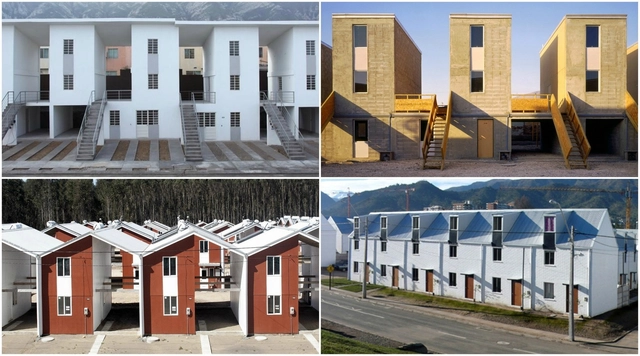
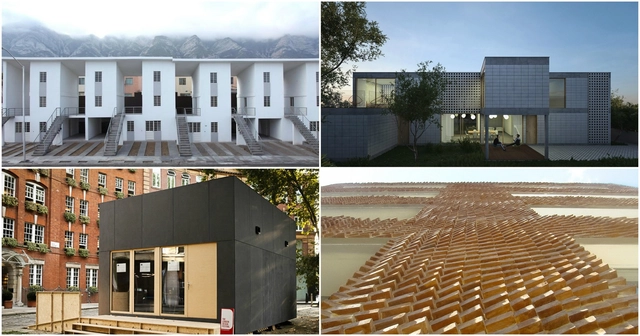
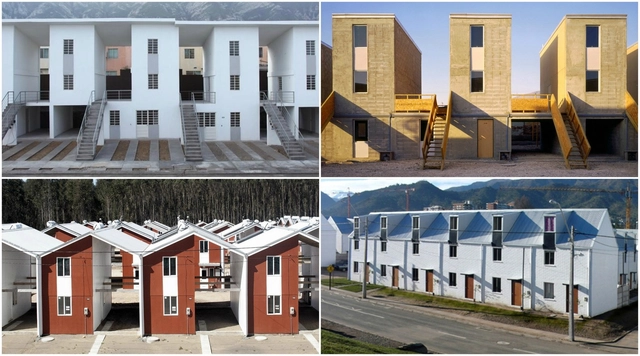
In 2016, Pritzker Prize winner Alejandro Aravena announced that his firm, ELEMENTAL, had released the rights to four of their social housing projects, and all documents would be uploaded to their website for public use. Aravena’s goal was to start a movement in which architects would work together to tackle the world’s challenges around housing shortages and affordability, especially with increased migration. The shared drawing sets and a description of the project’s principles provide architects with the necessary documentation for building a low-cost home, encouraging designers to do the same with their work, contractors to assist in building these homes, and governments to shift their thinking of how they can approach mass urbanization. Six years later, how has the concept of open-source architecture progressed, and how has it impacted the architectural profession ever since?
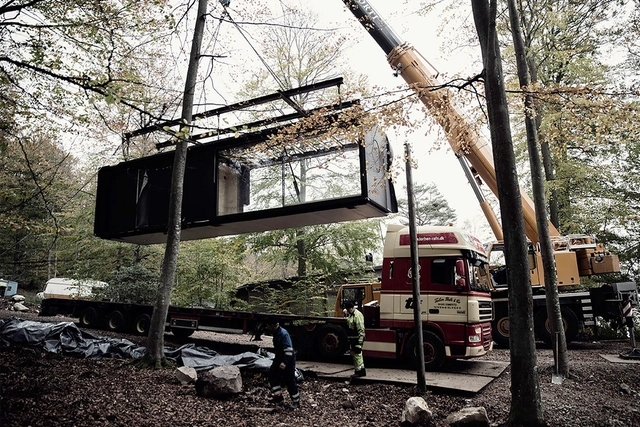
The popularity of pre-designed and pre-fabricated homes is growing, moving much of the construction process from the building site into factories. While countries like Singapore, Australia and the United Kingdom are increasingly adopting modular buildings to meet labor and housing shortages, Nordic countries like Sweden already build 90% of residential single-family houses in prefab wood. Despite the recent surge in interest, off-site building is by no means a new concept. In fact, the construction method has been present throughout history in many attempts to consolidate its use in construction: as far back as A.D 43, the Roman army brought with them prefabricated forts to Britain, while Japan has been building in wood off-site and moving parts in pre-assemblies for at least a thousand years.
The rapid urbanization of the 20th century was possible thanks to the Industrial Revolution and the assembly line, which allowed the rapid reproduction and replication of infrastructure, products and repetitive urban patterns in cities around the world. Urban morphology and dynamics produce standard patterns and forms of living. At the same time, and following the linear economy, cities consume most of the world’s resources and generate most of world’s waste (according to the United Nations). However, the exponential growth of digital technologies (computation, communication, fabrication) of the last decades offer the opportunity to enable a transition towards a spiral economy (an open circular economy approach), in which data (and knowledge) flow globally, and materials flow locally: from networks of logistics that move atoms, to networks of information that move bits.
The dream of universal affordable housing has been an idea tried and tested by architects throughout history. From the wacky Dymaxion House by Buckminster Fuller, an imagining of how we would live in the future, to mail-order houses able to be assembled like IKEA furniture, many proposals have tackled the challenge of creating affordable housing or dwellings which could be replicated no matter the time and place. However, although their use of techniques such as pre-fabrication and cheap materials seemed, in theory, to be able to solve pressing issues of homelessness and the global housing crisis, time and time again these proposals have simply failed to take off. But why?
IKEA’s research lab SPACE10 is attempting to find an answer to this question through open-source collaboration. By releasing their design of a micro-house that used only one material and one machine to make it and an accompanying website that catalogs the process and invites feedback, they are inviting architects, designers, and aspiring home-owners to work together in creating a solution which could improve the lives of millions. “The vision,” they say, “is that by leveraging the world’s collective creativity and expertise, we can make low-cost, sustainable and modular houses available to anyone and, as a result, democratize the homes of tomorrow.”
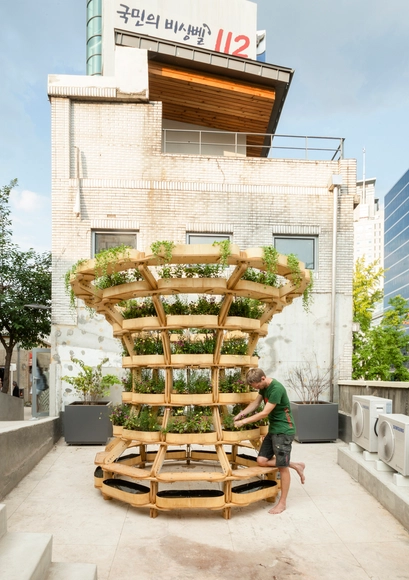
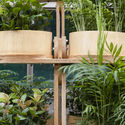
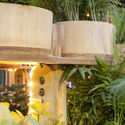
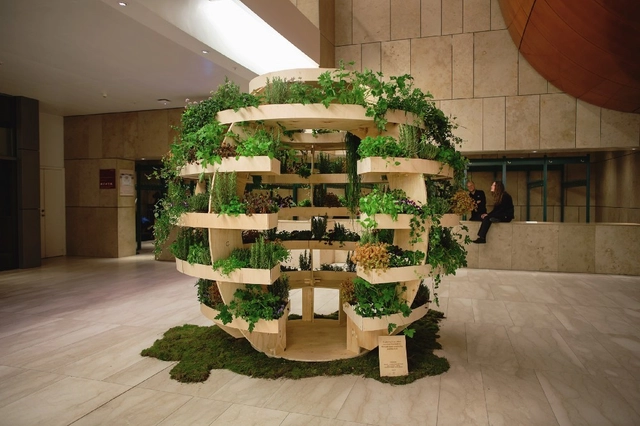
As a response to the fast-paced city life, GrowMore is an urban gardening modular design with endless configurations to suit even the most unexpected of spaces. Designed by Sine Lindholm and Mads-Ulrik Husum, the modular building kit provides an opportunity for social interaction and locally grown vegetation, reminding people to pause and connect with nature.
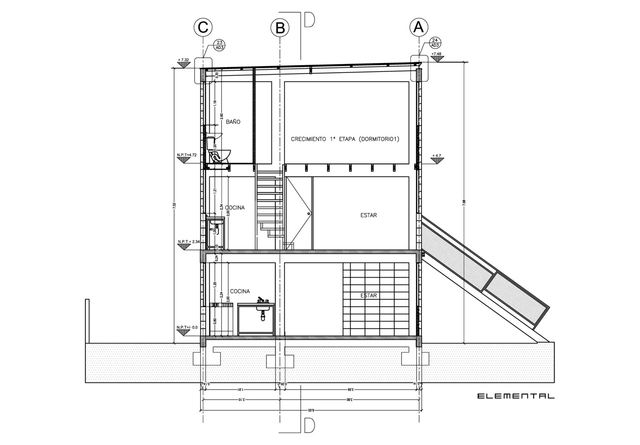
Good location, harmonious growth over time, concern for urban design, and the delivery of a structure that has "middle-class DNA" are the key points of the ABC of incremental housing, developed in detail by the Chilean architects ELEMENTAL. It's a question of ensuring a balance between "low-rise high-density, without overcrowding, with the possibility of expansion (from social housing to middle-class dwelling)."
Following this line of action, the office has released the drawings of four of the projects carried out under these principles, to serve as good examples of design which have already been implemented and proven in reality. However, despite making them available for free consultation and download, the architects emphasize that these designs must be adjusted to comply with the regulations and structural codes of each locality, using relevant building materials.
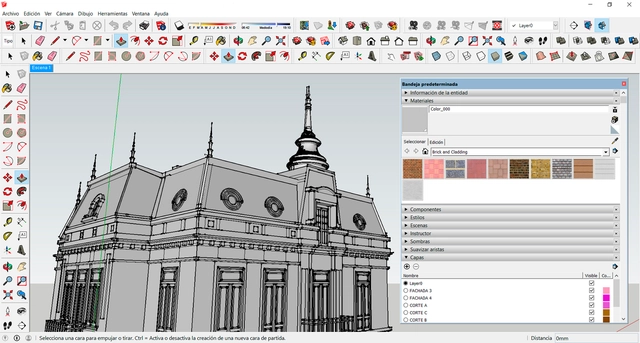
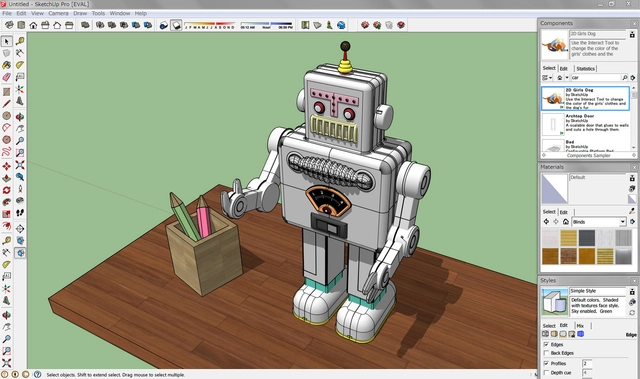
For decades, SketchUp has been one of the most well-known 3D modeling programs in the design world, owed to its intuitive working tools and labyrinth of user-generated accessories, from open source libraries to plugins. Quite often, SketchUp is the software of choice for engaging children with architecture, due to its availability, flexibility, and ease of use.
Later in your design career, you could be forgiven for dismissing SketchUp as a 'rookie tool', a beginner's level below the advanced stages of Revit, Rhino, and AutoCAD. However, as SketchUp has evolved throughout the years, it now contains a formidable array of functions, capable of producing complex, exportable results in an organized, efficient manner for students and senior partners alike.
From geo-location to sun-paths, here are 10 very useful tips to make you the model SketchUp user of the office.
Fresh off winning the “Design of the Year” for their refugee housing solution, the “Better Shelter,” IKEA is again making waves for a pioneering, flat pack solution to societal needs. Developed by the IKEA innovation lab Space10 alongside architects sine lindholm and mads-ulrik husum, the spherical “Growroom” is a DIY garden structure intended to help people “grow their own food much more locally in a beautiful and sustainable way.” And now, plans for the structure have been made available online for free via Space10’s open source platform, giving anyone the opportunity to build their own 3-dimensional garden.
After the success of its 6th edition in 2007, Sketchup became one of the world's most widely used 3D modeling software products. This is thanks to its intuitive toolbar, interdisciplinary use within the creative industry (not just architects) and having a free version that doesn't use watermarks.
Its open source library helped the software to provide a wide range of 3D objects, while hundreds of users developed their own plugins not only to solve the problems of each version but also to exploit the potential of their tools.
We’re going to introduce you to 10 of the plugins shared by Sketchup Tutorials Facebook page using their demonstrative GIFs. If you don’t know how to add a SketchUp plugin, don’t worry! You can learn in this video also posted by them.
In architecture, perhaps the most remarkable change heralded by the 20th was the radical rethinking of housing provision which it brought, driven by a worldwide population explosion and the devastation of two world wars. Of course, Modernism’s reappraisal of the design and construction of housing was one part of this trajectory, but still Modernism was underpinned by a traditional process, needing clients, designers and contractors. Arguably more radical were a small number of fringe developments, such as mail-order houses in the US and Walter Segal’s DIY home designs in the UK. These initiatives sought to turn the traditional construction process on its head, empowering people to construct their own homes by providing materials and designs as cheaply as possible.
In the 21st century, the spirit of these fringe movements is alive and well, but the parameters have changed somewhat: with a rise in individualism, and new technologies sparking the “maker movement,” the focus has shifted away from providing people with the materials to construct a fixed design, and towards improving access to intellectual property, allowing more people to take advantage of cheap and effective designs. The past decade has seen a number of initiatives aimed at spreading open source architectural design--read on to find out about five of them.
Through the work of his firm Elemental, Aravena is known for his interest in incremental, participatory housing design: a common-sense way of working within financial restraints and a cornerstone of Elemental’s studio work. The motto—focus first on what is most difficult to achieve, what cannot be done individually, and what will guarantee the common good in the future—resulted in a “half a house.” First introduced over a decade ago, the model consists of an expandable 40 square-meter (431 square-feet) container with basic infrastructure (partitions, structural and firewalls, bathroom, kitchen, stairs, a roof) built-in and added to over time. It is not only an achievement from a conceptual and project management standpoint, but also an aesthetically open and diverse project. From this one idea stemmed 100 variations.
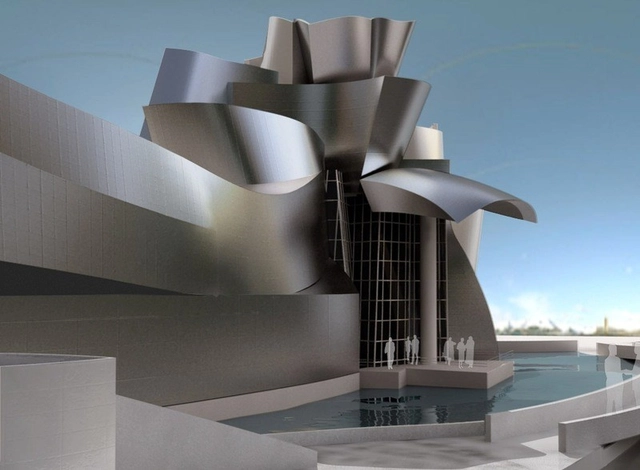
Frank Gehyr's Guggenheim Museum Bilbao. Rendered/Modeled in Rhino by Neguin. Image Courtesy of rhino3d.com
It used to be that when an architect needed a physical facsimile of his/her project, a draftsman would individually draw the schematics by hand. Blueprints were revolutionary in that they streamlined reproduction through technology, yet they were based on a publishing model that was repetitive — not iterative. Computer Aided Design software, or CAD, streamlined the process even further; however, unlike blueprints, CAD was not based on publishing models, but rather on “technological science.” As such it evolved in a very different way. CAD technology that was initially developed in the 1960s as a proprietary tool for heavy industries—aerospace, automotive and super-computer processing centers— became consumer-oriented in the 1980s when it met the UNIX open platform. The key in its rapid development, dissemination and democratization was exactly this: open technology.
Today, we have 3D modeling software that can pack an exponential cache of information, render designs visible with incredible fidelity, and make those designs easier to adapt. BIM technology (building information modeling) has entered the workplace, too, improving coordination and productivity of all trades involved in project construction, effectively revolutionizing the manufacturing sector. This is technology that, like CAD, has undeniably been pushed forward via the open development and integration of components.
And yet, architects continue to depend on closed distribution models in the face of so much technology that makes design shareable and easy to manipulate. 3D modeling software has evolved and created a competitive market with ever more accessible, cross-border, cross-disciplinary design software. While the blueprint, a “published” medium, came with requisite copyright issues that appealed to the architect-as-artist, today, as a “technological” layer, blueprints cannot afford to stay locked in.