1. ArchDaily
  2. Olympic City Guide

Olympic City Guide: The Latest Architecture and News

Over 100 Years of Olympic Heritage: What Became of the 1924 Paris Olympic Venues?

The recent history of the city of Paris is entangled with that of the Olympic Games. In 1900, Paris hosted the second edition of the Games, starting a journey of urban adaptations and architectural developments that prepared the city for the event. Among the most important changes was the introduction of Line 1 of the metro, inaugurated in 1900 to link the locations of the Universal Exhibition with those of the Olympic Games in Vincennes. Just 24 years later, the city hosted one of the most influential editions of the Olympic Games. The event, the first to be broadcasted on the airwaves, contributed to a substantial rise in the popularity of the Games. It was also during this edition that the concept of the Olympic Village was born. Several of the infrastructures and venues built over a century ago are still in use in Paris, with some of them returning now as hosts of Olympic events.

Over 100 Years of Olympic Heritage: What Became of the 1924 Paris Olympic Venues? - Image 1 of 4Over 100 Years of Olympic Heritage: What Became of the 1924 Paris Olympic Venues? - Image 2 of 4Over 100 Years of Olympic Heritage: What Became of the 1924 Paris Olympic Venues? - Image 3 of 4Over 100 Years of Olympic Heritage: What Became of the 1924 Paris Olympic Venues? - Image 4 of 4Over 100 Years of Olympic Heritage: What Became of the 1924 Paris Olympic Venues? - More Images+ 5

Headed to the 2024 Olympics: 20 Innovative and Iconic Architectural Projects to Explore in Paris

Subscriber Access | 

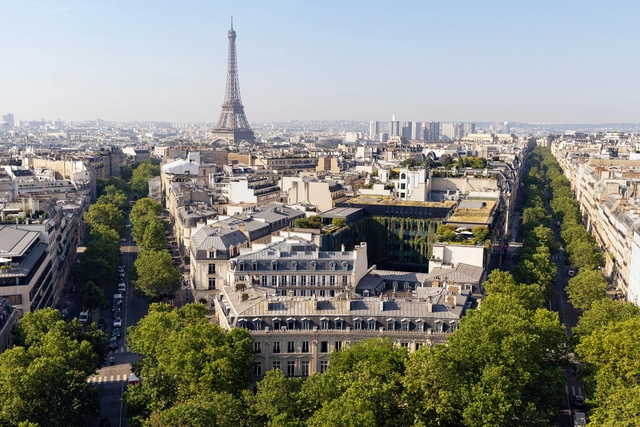
In 1900, Paris hosted its first Olympic games. It had been the second city to host them after the first Olympics in Athens. It was also the year of the Exposition Universelle, where the city would again showcase how it remade itself anew in less than 30 years. To this day, Paris remains a hub for all sorts of architectural innovation and development through bold designs that affect how people live and new materials and techniques. It fascinatingly juxtaposes grandeur and monumentalism with its predominately baroque, “second empire,” and art nouveau works; while also pushing for designs that strive for social living reforms such as in Le Corbusier’s experimental works or Lacaton & Vassal’s considerate interventions.

It’s this openness to the world that attracts not only millions of visitors a year but also innovators and architects who have set up shop in Paris and made it their second home. Once again, the city reworks itself as mass construction, renovation, and restoration sites culminate all over the city to host international athletes at the 2024 Olympics.

Headed to the 2024 Olympics: 20 Innovative and Iconic Architectural Projects to Explore in Paris - Image 1 of 4Headed to the 2024 Olympics: 20 Innovative and Iconic Architectural Projects to Explore in Paris - Image 2 of 4Headed to the 2024 Olympics: 20 Innovative and Iconic Architectural Projects to Explore in Paris - Image 14 of 4Headed to the 2024 Olympics: 20 Innovative and Iconic Architectural Projects to Explore in Paris - Image 5 of 4Headed to the 2024 Olympics: 20 Innovative and Iconic Architectural Projects to Explore in Paris - More Images+ 22

How (Not) to Host The Olympics (Part III)

Subscriber Access | 
How (Not) to Host The Olympics (Part III) - Image 3 of 4
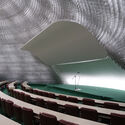
The Olympic Agora, designed by Santiago Calatrava, in Athens. Photo via Flickr User CC John & Mel Kots. . Used under Creative Commons

Welcome back and congratulations for having made it to the final installation of the Olympic City Guide.

So far, in parts I and II, we’ve learned how to design for your post-Games legacy (No White Elephants please) and to revitalize -not demolish- your city’s most deprived “eye-sores” (Don’t Hate, Rejuvenate).

So what’s left? Well, in this post-Recession era of austerity, a huge part of your Olympic Strategy will be justifying the spending – the colossal spending – to your more than skeptical constituents. As I said in the last post, a good starting point is targeting urban renewal and being as transparent as possible, but another big element is how you market the Games – not just to the International Olympics Committee (IOC), but to your own city-dwellers.

So how can you get them both on your side? Simple - Go Green.