1. ArchDaily
  2. Offices

Offices: The Latest Architecture and News

ArchDaily Curator’s Picks 2025: A Look Back at 12 Key Project Reviews

For the past couple of years, the project curators at ArchDaily have been revisiting architectural works they believe deserve a deeper look. Through an Instagram post called "Project Review", the curators describe what they consider to be the work's main attribute(s). Delving into the project's stories and the elements that make them truly inspiring, they underline what might otherwise be overlooked initiatives and study them closely, with attention to locality and context. The result is an array of diverse works, often from rural or suburban areas that have a public function or historic significance.

While a couple of houses are listed, the majority of the reviews veer towards cultural centers, libraries, workspaces, or commercial settings. Another thing to note is the fact that many of these works ended up coming in from Asia, with a few key projects from rural China. The picks are quite diverse in materiality and design language; however, they all suggest innovative architectural solutions and captivating narratives.

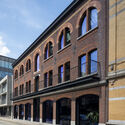
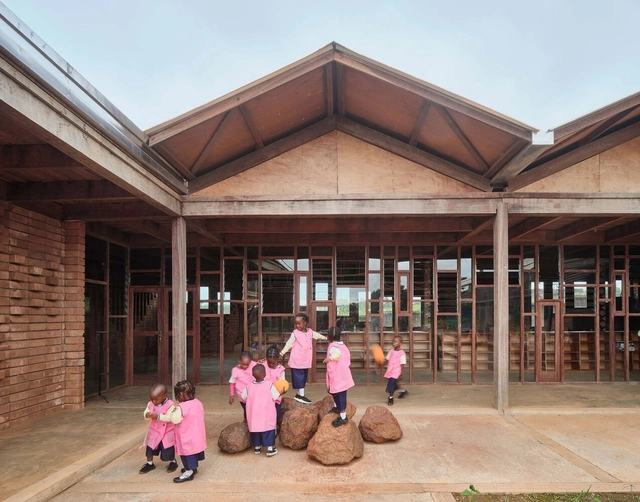
ArchDaily Curator’s Picks 2025: A Look Back at 12 Key Project Reviews - Image 1 of 4ArchDaily Curator’s Picks 2025: A Look Back at 12 Key Project Reviews - Image 2 of 4ArchDaily Curator’s Picks 2025: A Look Back at 12 Key Project Reviews - Image 3 of 4ArchDaily Curator’s Picks 2025: A Look Back at 12 Key Project Reviews - Image 4 of 4ArchDaily Curator’s Picks 2025: A Look Back at 12 Key Project Reviews - More Images+ 12

From Munich to Mumbai: 7 Unbuilt Office Towers Redefining the Future of Vertical Workspaces

Subscriber Access | 

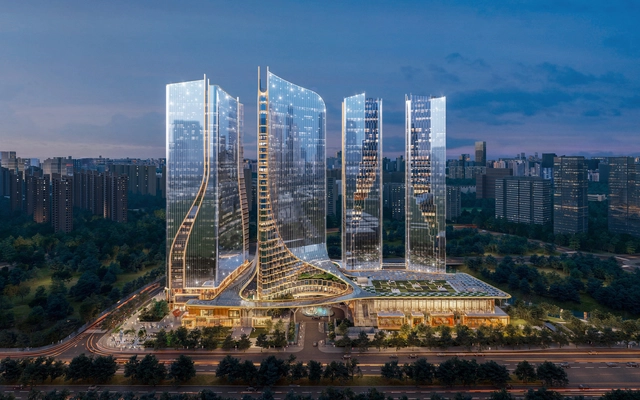
As cities continue to expand upward, the office tower remains one of the most visible symbols of architectural ambition and urban evolution. No longer defined solely by efficiency or corporate image, contemporary workplace architecture is being reimagined as a hybrid ecosystem, one that balances density with daylight, productivity with well-being, and technology with material and spatial integrity. The following unbuilt projects, submitted by the ArchDaily community, reveal how architects across continents are rethinking the typology of the tower, turning verticality into an opportunity for connection, adaptability, and sustainability.

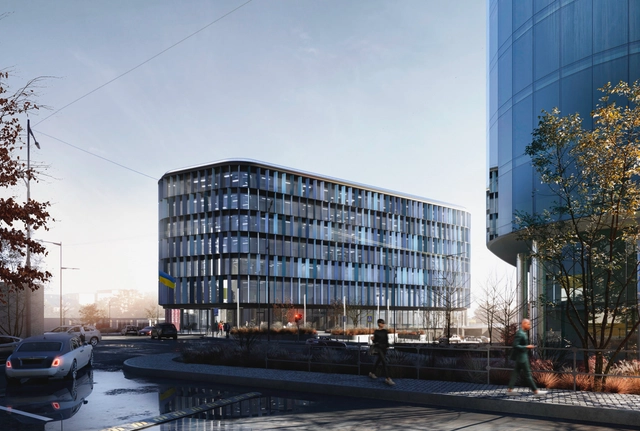
From India's Shivalik Curv and Embassy Zenith, where form and movement are combined to redefine skyline identity, to Dungen in Sweden, a low-rise timber office that mirrors the calm of a forest grove, each project explores how workplaces can become more flexible, humane, and environmentally conscious. In Kyiv, APEX Business Center positions itself as a catalyst for urban vitality, while Jakarta's BNI Tower PIK 2 transforms the corporate tower into a crystalline symbol of growth. In Munich and Ankara, mixed-use concepts like Highrise Hufelandmark and Rhythm Ankara explore the office as part of a broader civic landscape, where work, leisure, and public life intersect.

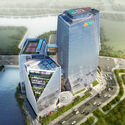
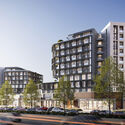
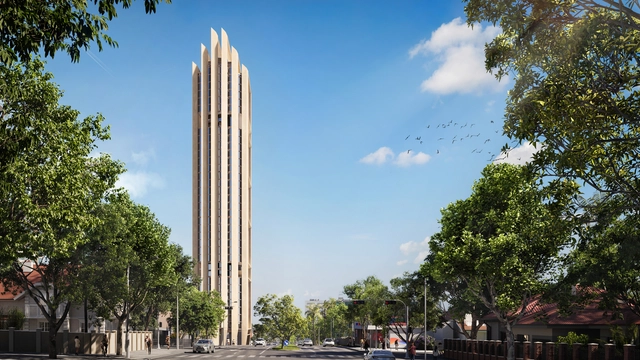
From Munich to Mumbai: 7 Unbuilt Office Towers Redefining the Future of Vertical Workspaces - Image 25 of 4From Munich to Mumbai: 7 Unbuilt Office Towers Redefining the Future of Vertical Workspaces - Image 30 of 4From Munich to Mumbai: 7 Unbuilt Office Towers Redefining the Future of Vertical Workspaces - Image 35 of 4From Munich to Mumbai: 7 Unbuilt Office Towers Redefining the Future of Vertical Workspaces - Image 41 of 4From Munich to Mumbai: 7 Unbuilt Office Towers Redefining the Future of Vertical Workspaces - More Images+ 39

Belgium’s Architecture Offices Through the Lens of Marc Goodwin

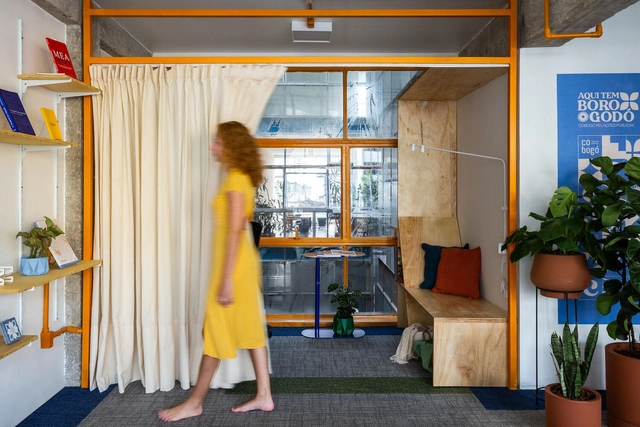
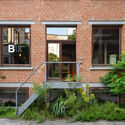
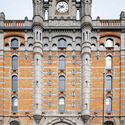
Photographer Marc Goodwin has extended his Atlas of Architectural Atmospheres to Belgium, capturing the workspaces of architecture studios in Antwerp, Brussels, and Ghent. The series includes large offices such as B-architecten, POLO, and Binst Architects, alongside smaller-scale practices like Studio Okami, Stand Van Zaken, and Bruno Spaas Architectuur. Many of them occupy buildings with layered pasts from former workshops, to cinemas, and from storage facilities, to waterfront structures.

In addition to photographing the studios, Goodwin asked each practice the same question: "What makes for a good office space and office culture for you?" Their responses accompany the images, offering insight into how architects define the atmosphere of their workplaces. Studio Okami describes its workplace as a "home office away from home," while Brut highlights the role of shared meals and greenery in softening their penthouse space.
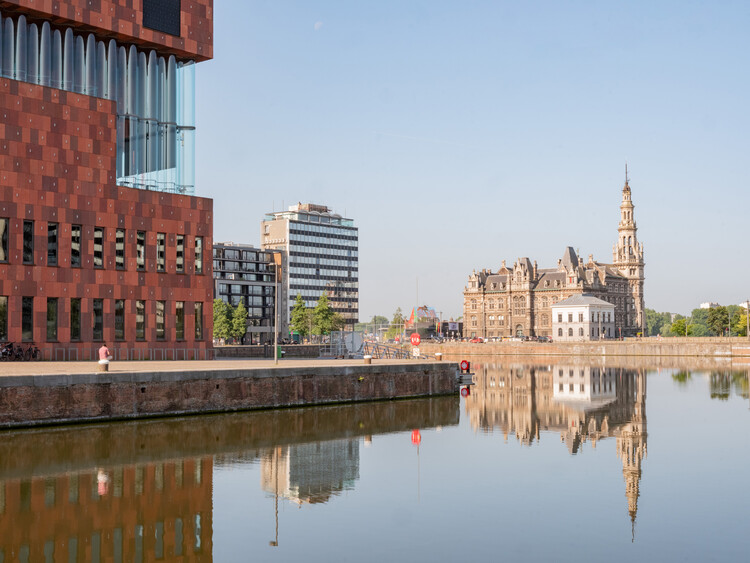
Belgium’s Architecture Offices Through the Lens of Marc Goodwin - Image 1 of 4Belgium’s Architecture Offices Through the Lens of Marc Goodwin - Image 2 of 4Belgium’s Architecture Offices Through the Lens of Marc Goodwin - Image 3 of 4Belgium’s Architecture Offices Through the Lens of Marc Goodwin - Image 4 of 4Belgium’s Architecture Offices Through the Lens of Marc Goodwin - More Images+ 23

Foster + Partners Designs High-Rise Office Tower for Sudameris Bank in Asunción, Paraguay

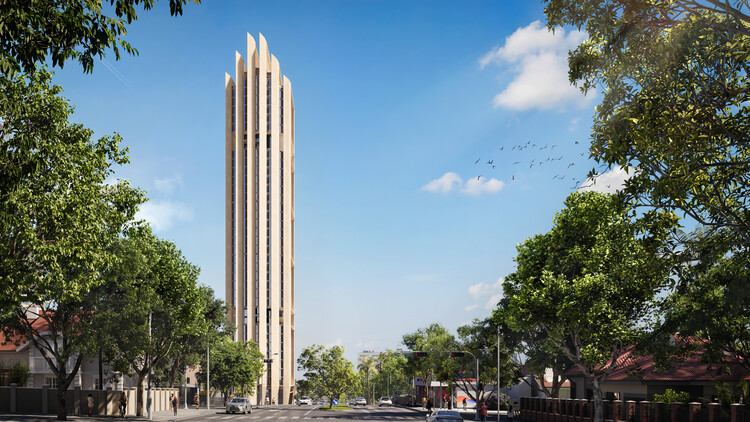
Foster + Partners has won an international competition to design the headquarters of Sudameris Bank in Asunción, Paraguay. The project, named Sudameris Plaza, is a 39-storey office tower featuring an exposed concrete frame and an angular form. It includes a landscaped plaza, art gallery, auditorium, and a large public garden at the tower's base. The studio aims to integrate greenery throughout the shared spaces of the building, fostering a strong connection with nature from within the tower.

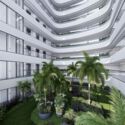
Foster + Partners Designs High-Rise Office Tower for Sudameris Bank in Asunción, Paraguay - Image 1 of 4Foster + Partners Designs High-Rise Office Tower for Sudameris Bank in Asunción, Paraguay - Image 2 of 4Foster + Partners Designs High-Rise Office Tower for Sudameris Bank in Asunción, Paraguay - Image 3 of 4Foster + Partners Designs High-Rise Office Tower for Sudameris Bank in Asunción, Paraguay - Image 4 of 4Foster + Partners Designs High-Rise Office Tower for Sudameris Bank in Asunción, Paraguay - More Images+ 1

Grounded Interiors: Exploring Earth-Based Flooring Through 10 Contemporary Interiors

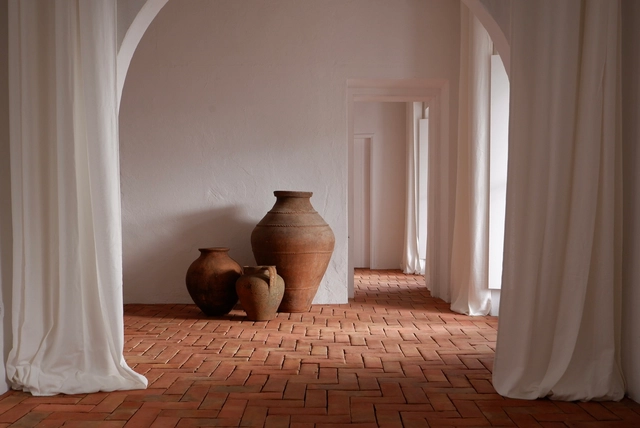
Earth-based flooring materials comprise natural elements such as clay, sand, silt, lime, and organic fibres. They offer both structural performance and sensory engagement when used in both outdoor and interior spaces. Due to their thermal properties, durability, and sustainable qualities, these materials have evolved from vernacular construction techniques into high-value architectural elements that are always being reinvented and optimized. There are several types of earthen floorings, each offering unique benefits, and they are increasingly used in interior settings.

Grounded Interiors: Exploring Earth-Based Flooring Through 10 Contemporary Interiors - Image 1 of 4Grounded Interiors: Exploring Earth-Based Flooring Through 10 Contemporary Interiors - Image 2 of 4Grounded Interiors: Exploring Earth-Based Flooring Through 10 Contemporary Interiors - Image 3 of 4Grounded Interiors: Exploring Earth-Based Flooring Through 10 Contemporary Interiors - Image 4 of 4Grounded Interiors: Exploring Earth-Based Flooring Through 10 Contemporary Interiors - More Images+ 18

Metal Façade Systems with Community Resonance: The Case of Africatown Plaza

 | Sponsored Content

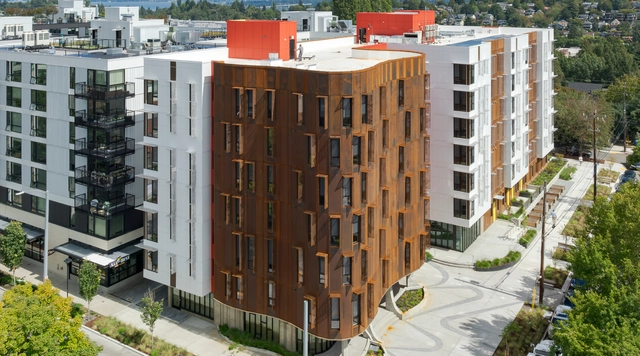
As urban neighborhoods continue to evolve, design plays a key role in shaping how buildings respond to urbanization, functional demands, and the character of their surroundings. Intertwined, these elements guide the transformation of urban life and influence how new developments engage with their context—a dynamic clearly visible in Seattle's Central District. Long considered a historic hub for the city's African American community, the Africatown Plaza project proposes a comprehensive approach that integrates architectural performance with community resonance, using the building envelope as a primary medium.

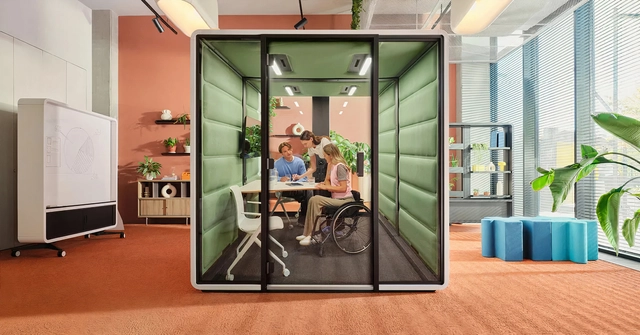
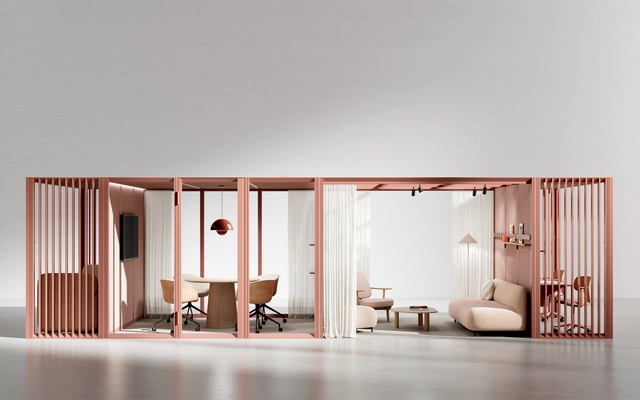
Reimagining Office Spaces with Pods as Adaptation Tools

 | Sponsored Content

Work always evolved, adapting to the tools, technologies, and social structures of its time. In the earliest human societies, basic survival was the driving force behind labor, with hunter-gatherers dividing essential tasks to meet elementar needs. The Agricultural Revolution marked a turning point, introducing permanent settlements and specialization, which led to the emergence of labor division in ancient civilizations. As time progressed, the Middle Ages saw the rise of the feudal system, while trade and guilds laid the groundwork for a monumental shift: the Industrial Revolution. This era transformed work from artisanal, home-based production to centralized, large-scale factory systems.

Before industrialization, many service providers worked from home. But as factories grew, the workforce became centralized, transforming the relationship between worker and workplace. The rise of the service sector and modern corporations gave rise to office spaces that were often rigid and compartmentalized, like the iconic cubicles of the 20th century. Now, as work becomes increasingly digital and decentralized, offices are transforming again. Open layouts, specialized zones, and modular pods are replacing static configurations, promoting flexibility, focus, collaboration, and well-being. But how do innovations in modern workspaces respond to the demands of today's professionals?

Case Studies in Community-Centered Living: Innovative Residential Design

Subscriber Access | 

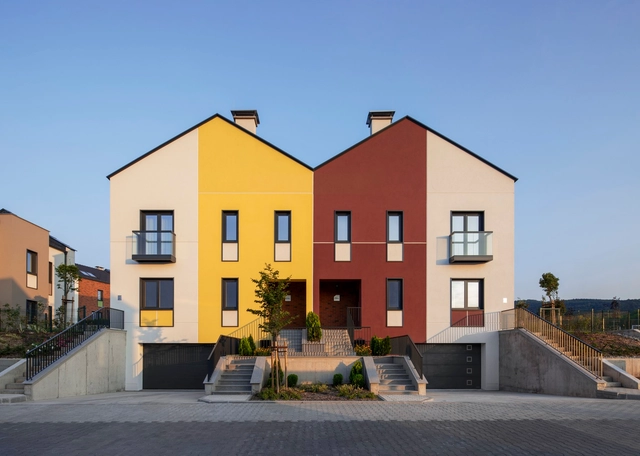
Architecture evolves, particularly in how it reflects the relationships between people, their behavior, and the environment. Even subtle variations in these dynamics can influence how we think and live in our communities. According to the World Bank, 56% of the population currently lives in urban environments, and it is estimated that by 2050 this number will reach 70%. This projection echoes the speed and magnitude of urban growth, posing challenges for architects and design firms, from the viability of buildings to the sustainability of the built environment, encompassing residential architecture and other typologies that influence daily life.

Meet the 75 Finalists of the ArchDaily 2025 Building of the Year Awards

After two weeks of open voting in the 16th edition of the Building of the Year Awards, our readers have meticulously narrowed down a pool of almost 4,000 projects to a select group of 75 finalists spanning 15 categories. This year's awards honor the pinnacle of design, innovation, and sustainability on a global scale, showcasing an exceptional range of projects within the shortlist. As a crowdsourced award, we take pride in affirming that your selections authentically mirror the current state of architecture, and the caliber of this year's finalists further underscores the excellence and diversity prevalent in the field.

Haus aa / guudpin design

Haus aa /  guudpin design - Offices InteriorsHaus aa /  guudpin design - Interior Photography, Offices InteriorsHaus aa /  guudpin design - Interior Photography, Offices Interiors, Kitchen, TableHaus aa /  guudpin design - Offices InteriorsHaus aa /  guudpin design - More Images+ 16

Reimagining Work Culture: Google Unveils New York Headquarters at Renovated St. John’s Terminal

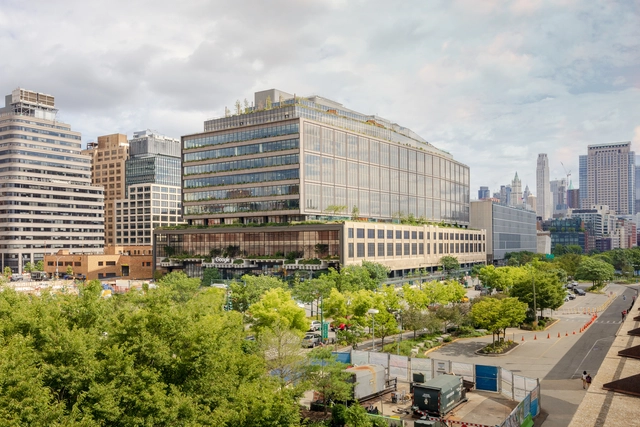
Google’s newest headquarters in New York, situated within the St. John’s Terminal, will open its doors on February 26th, marking a milestone for the company’s presence in the city. Designed by COOKFOX Architects, in collaboration with Gensler, the headquarters is constructed atop the original 1930s rail terminal and adapted to become a vibrant hub for over 14,000 Googlers. The terminal, formerly the endpoint of the iconic High Light, now serves as a testament to the company’s innovative approach, rapid growth, and lifelong commitment to New York.

Reimagining Work Culture: Google Unveils New York Headquarters at Renovated St. John’s Terminal - Image 1 of 4Reimagining Work Culture: Google Unveils New York Headquarters at Renovated St. John’s Terminal - Image 2 of 4Reimagining Work Culture: Google Unveils New York Headquarters at Renovated St. John’s Terminal - Image 3 of 4Reimagining Work Culture: Google Unveils New York Headquarters at Renovated St. John’s Terminal - Image 4 of 4Reimagining Work Culture: Google Unveils New York Headquarters at Renovated St. John’s Terminal - More Images+ 4

Meet the 75 Finalists of the ArchDaily 2024 Building of the Year Awards

After two weeks of open voting in the 15th edition of the Building of the Year Awards, our readers have meticulously narrowed down a pool of over 4,000 projects to a select group of 75 finalists spanning 15 categories. This year's awards enthusiastically honor the pinnacle of design, innovation, and sustainability on a global scale, showcasing an exceptional range of projects within the shortlist. As a crowdsourced award, we take pride in affirming that your selections authentically mirror the current state of architecture, and the caliber of this year's finalists further underscores the excellence and diversity prevalent in the field.

The ArchDaily Building of the Year Awards is brought to you thanks to Dornbracht, renowned for leading designs for architecture, which can be found internationally in bathrooms and kitchens.

Spanish Women Architects Who are Redefining Workspaces

Subscriber Access | 

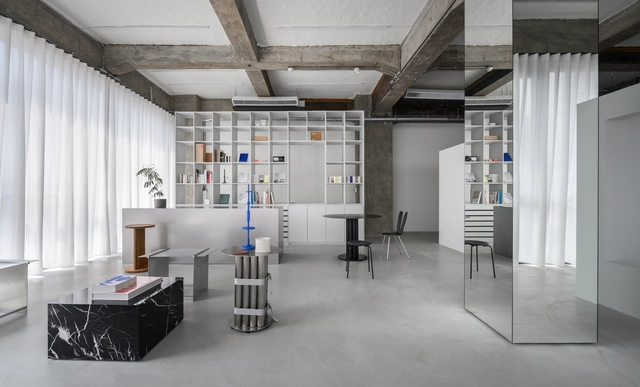
From assigned cubicles to open plan coworks, workspaces have been transforming their design strategies following society’s changing lifestyles. While traditional layouts encouraged more independent work (avoiding social distractions), adjusting to new technologies and ways of thinking has enhanced productivity while respecting communication, wellness consciousness and the benefits of feeling comfortable at work.

Architects have followed these changing trends, proposing diverse workspace typologies, adapting to multiple working styles, and organizing them to create optimal productive spaces. Among them, Spanish women-led architecture offices from different backgrounds and styles stand out for introducing layouts that redefine what is commonly known as a workspace. Below we present a selection of innovative refurbishment projects, all of which showcase flexible and dynamic workspace design. 
Meet the 75 Finalists in ArchDaily's 2023 Building of the Year Awards

After two weeks of voting in our 14th edition of the Building of the Year Awards, our readers have narrowed down over 4,500 projects to just 75 finalists across 15 categories, casting over 100,000 votes. This year's awards celebrate the very best in design, innovation, and sustainability from around the globe, with the shortlist featuring an exceptional range of projects, from a house in a favela to cutting-edge cultural centers and innovative public spaces that are sure to impress. As a crowdsourced award, we are proud to say that your selections are a true reflection of the state of architecture, and this year's finalists are no exception.

The ArchDaily Building of the Year Awards is brought to you thanks to Dornbracht, renowned for leading designs for architecture, which can be found internationally in bathrooms and kitchens.


Down to Earth Practice: How Some Japanese Architects Have Taken their Offices to the Streets

Subscriber Access | 

As the discourse about the way we work continues past the original pandemic concern and past the hybrid, remote, or what was once called traditional office space; employers and employees alike are still revisiting mental comfort requirements of a post-pandemic worker. While there are many types of work environments and worker needs that have to be addressed separately (besides the white-collar or knowledge worker), from a design and policies front; one particular, newborn model has been popping up in recent years, thus far seen through some unique, smallscale yet norm challenging Japanese offices. 

Down to Earth Practice: How Some Japanese Architects Have Taken their Offices to the Streets - Image 1 of 4Down to Earth Practice: How Some Japanese Architects Have Taken their Offices to the Streets - Image 2 of 4Down to Earth Practice: How Some Japanese Architects Have Taken their Offices to the Streets - Image 3 of 4Down to Earth Practice: How Some Japanese Architects Have Taken their Offices to the Streets - Image 4 of 4Down to Earth Practice: How Some Japanese Architects Have Taken their Offices to the Streets - More Images+ 13

POP-UP Office Installation / Dubbeldam Architecture + Design

Subscriber Access | 
POP-UP Office Installation / Dubbeldam Architecture + Design - Image 4 of 4
Courtesy of Dubbeldam Architecture + Design

Exploring the evolving way in which we work, the POP-UP Office is an installation by DUBBELDAM Architecture + Design that uses modular units that can be combined in different ways. The result is a workspace that is simultaneously bare bones and tailored to the individual. This design becomes a great response to the profound shift in the way we work; when all we need is a surface to work on and a place to plug in, the working environment is no longer static. More images and architects’ description after the break.