


-
Architects: Studio Téré
- Area: 36 m²
- Year: 2026


In a world facing ecological exhaustion and spatial saturation, the act of building has come to represent both creation and consumption. For decades, architectural progress was measured by the new: new materials, new technologies, new monuments of ambition. Yet today, the discipline is increasingly shaped by another form of intelligence, one that values what already exists. Architects are learning that doing less can mean designing more, and this shift marks the emergence of what might be called an architecture of restraint: a practice defined by care, maintenance, and the deliberate choice not to build.
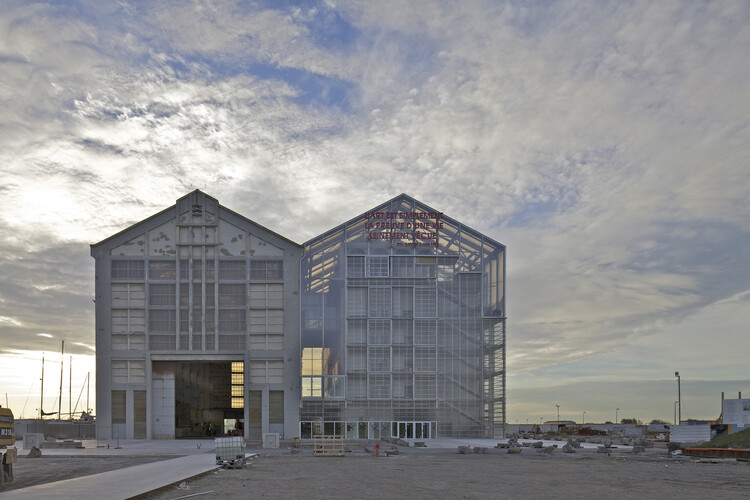
The principle recognizes that the most sustainable building is often the one that already stands, and that transformation can occur through preservation, repair, or even absence. Choosing not to build becomes a political and creative act, a response to the material limits of the planet and to the ethical limits of endless growth. That Architecture moves beyond the production of new forms to embrace continuity, extending the life of structures, materials, and memories that already inhabit the world.
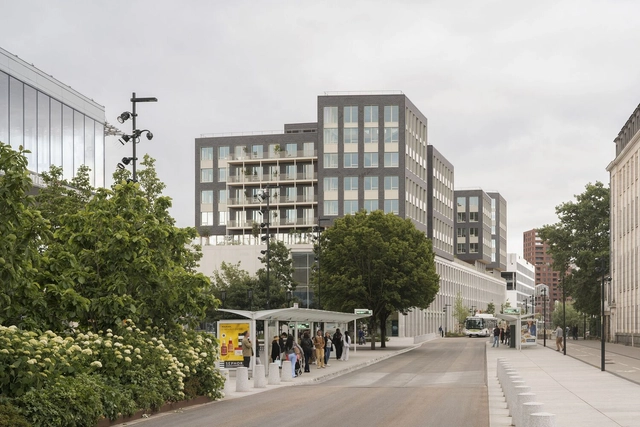
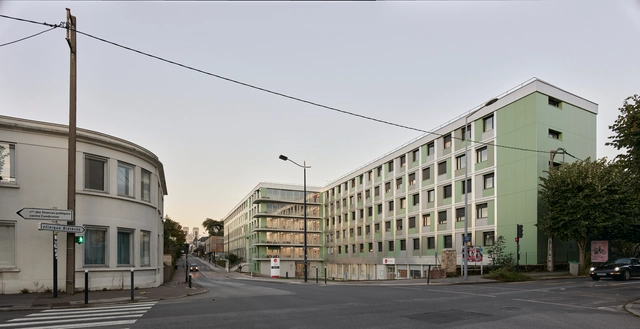
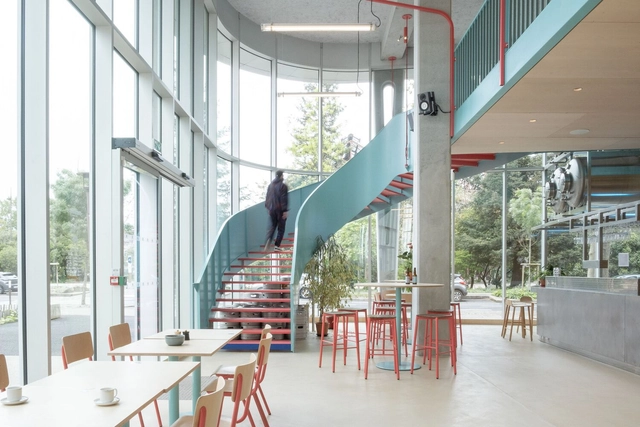
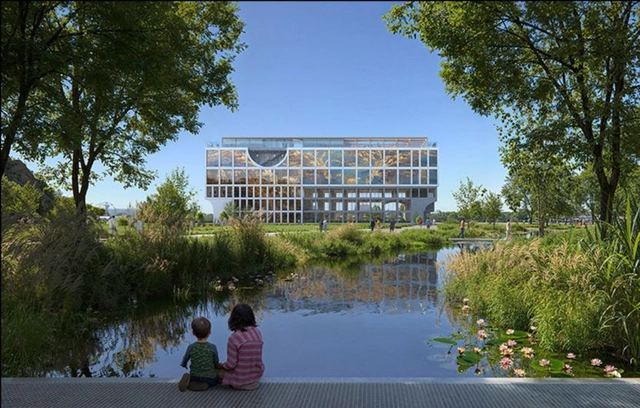
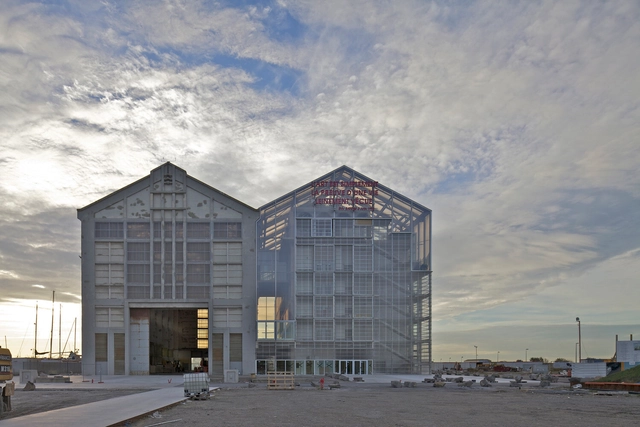
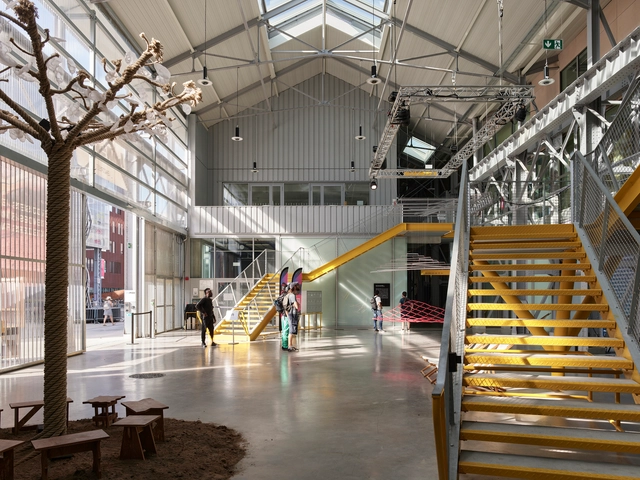
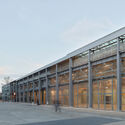
Neutelings Riedijk Architects and ARS Architects Urbanistes have just won a competition to design the Cité des Imaginaires and Grand Musée Jules Verne in Nantes, France. Selected from 160 entries, their design seeks to revitalize the historic “Moulins de Nantes” mil, also known as CAP44. This industrial heritage site, notable for its unique Hennebique concrete structure, is set to be transformed into a sustainable structure within the Garden Extraordinaire. Additionally, the museum will celebrate the legacy of the renowned author Jules Verne, born in Nantes.


.jpg?1555661513&format=webp&width=640&height=580)
















.jpg?1555661513)


