1. ArchDaily
  2. MVRDV

MVRDV: The Latest Architecture and News

The European Cultural Centre Announces 21 Shortlisted Projects for the 2025 ECC Awards

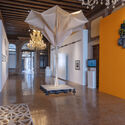
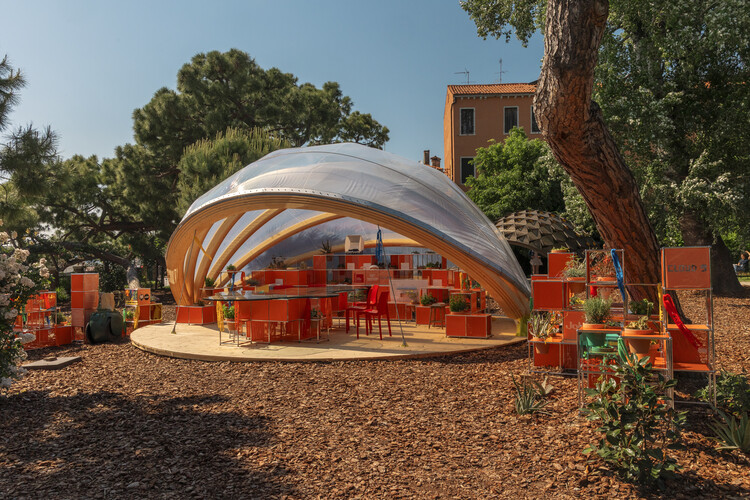
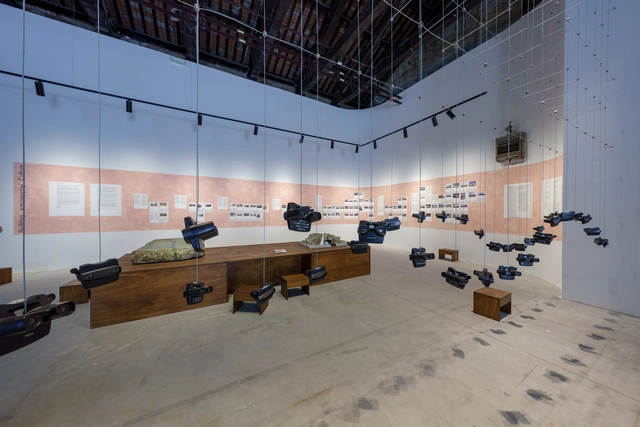
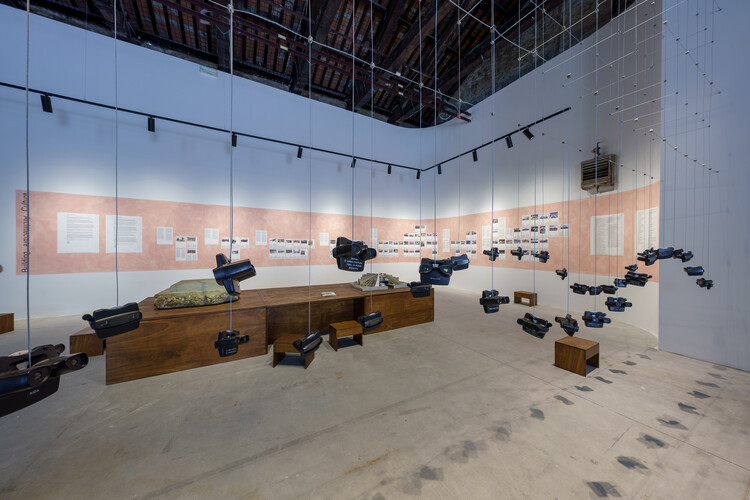
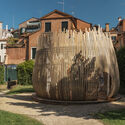
The European Cultural Centre Italy has organized the ECC Awards since 2010 to recognize artists, architects, designers, and academics in their respective fields. The Awards highlight projects featured in the Time Space Existence exhibition, which runs in parallel with the Venice Architecture Biennale and showcases tangible approaches to building more sustainably, aiming to position architecture as a force for environmental and social repair. The seventh edition of Time Space Existence is a group exhibition spanning three Venetian venues: Palazzo Bembo, Palazzo Mora, and the Marinaressa Gardens. This year, the exhibition focuses on the themes of Repair, Regenerate, and Reuse, emphasizing the essential role of architects and designers as agents of positive change in shaping sustainable, inclusive, and regenerative ways of living.

The European Cultural Centre Announces 21 Shortlisted Projects for the 2025 ECC Awards - Image 1 of 4The European Cultural Centre Announces 21 Shortlisted Projects for the 2025 ECC Awards - Image 2 of 4The European Cultural Centre Announces 21 Shortlisted Projects for the 2025 ECC Awards - Image 3 of 4The European Cultural Centre Announces 21 Shortlisted Projects for the 2025 ECC Awards - Image 4 of 4The European Cultural Centre Announces 21 Shortlisted Projects for the 2025 ECC Awards - More Images+ 22

MVRDV Designs Masterplan with Rock-Inspired Tourist Facilities for Jialeshui, Taiwan

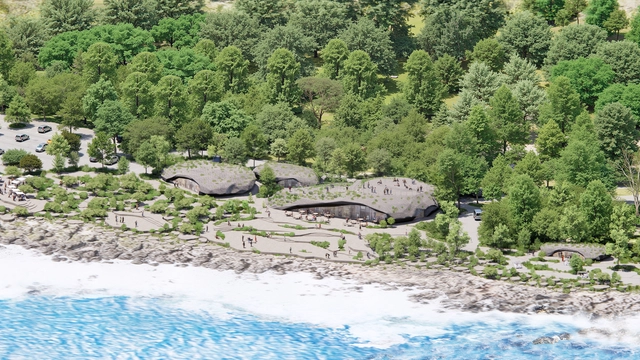
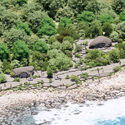
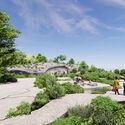
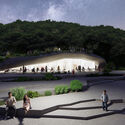
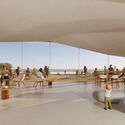
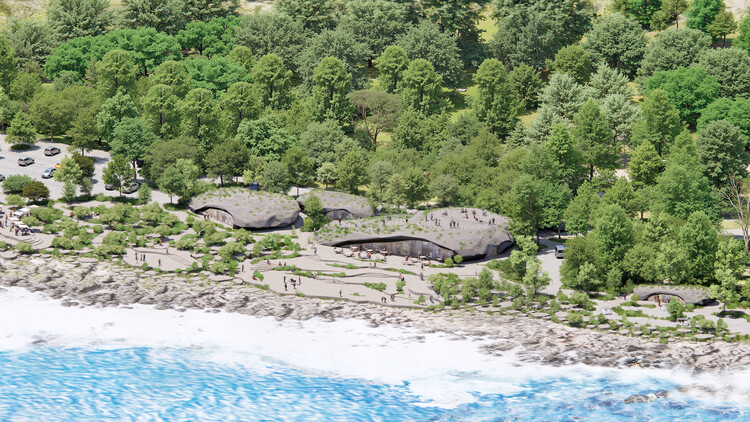
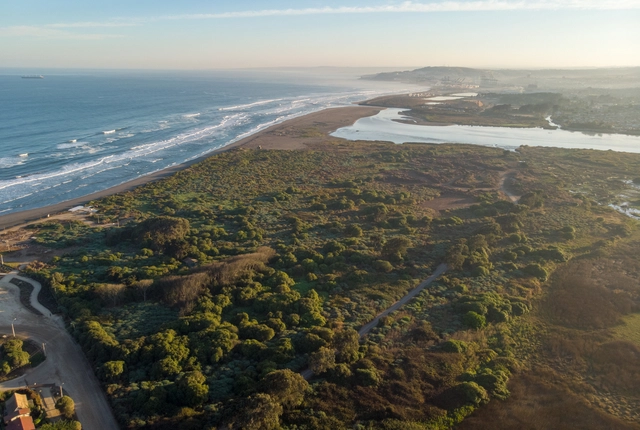
MVRDV revealed the design of rock-like tourist facilities and infrastructure for the Taiwanese coastal area of Jialeshui, a scenic destination in the southernmost part of Taiwan. The Pingtung County Government recently selected the design proposal submitted by MVRDV in collaboration with HWC Architects for the transformation of an area known for its rock formations shaped by wind and water, including a series of structures inspired by these natural forms. The project, a masterplan titled Nature Rocks, introduces a network of new pathways and public spaces and adds small-scale buildings, including a central visitor centre and three lookout points, within the existing built footprint.

MVRDV Designs Masterplan with Rock-Inspired Tourist Facilities for Jialeshui, Taiwan - Image 1 of 4MVRDV Designs Masterplan with Rock-Inspired Tourist Facilities for Jialeshui, Taiwan - Image 2 of 4MVRDV Designs Masterplan with Rock-Inspired Tourist Facilities for Jialeshui, Taiwan - Image 3 of 4MVRDV Designs Masterplan with Rock-Inspired Tourist Facilities for Jialeshui, Taiwan - Image 4 of 4MVRDV Designs Masterplan with Rock-Inspired Tourist Facilities for Jialeshui, Taiwan - More Images+ 16

Evolving Urban Playgrounds: 5 Design Strategies and 31 Projects Around the Globe

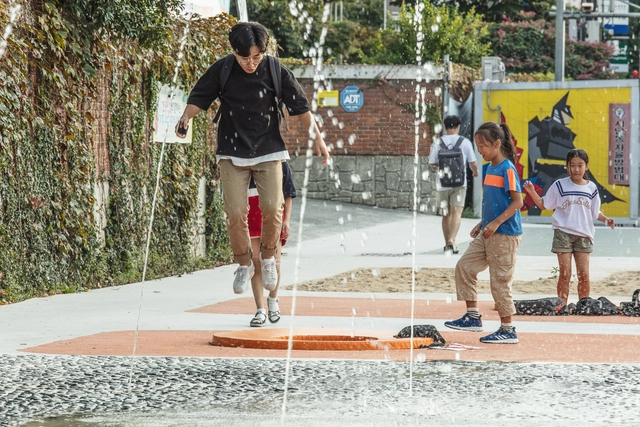
Urban playgrounds are evolving from simple swing sets and slides into dynamic, multi-faceted urban landscapes. These new designs are more than just places to play; they are thoughtfully integrated spaces that address urban challenges, promote community, and inspire creativity. A key trend is the intentional use of color and pattern. Designers are utilizing vibrant color zones to segment different functional areas, creating a visually dynamic experience that contrasts with natural surroundings. This approach can also be used to establish a cohesive urban identity, with thoughtful color palettes that complement the existing cityscape.

Evolving Urban Playgrounds: 5 Design Strategies and 31 Projects Around the Globe - Image 1 of 4Evolving Urban Playgrounds: 5 Design Strategies and 31 Projects Around the Globe - Image 2 of 4Evolving Urban Playgrounds: 5 Design Strategies and 31 Projects Around the Globe - Image 3 of 4Evolving Urban Playgrounds: 5 Design Strategies and 31 Projects Around the Globe - Image 4 of 4Evolving Urban Playgrounds: 5 Design Strategies and 31 Projects Around the Globe - More Images+ 34

Albania Pavilion Explores the Intersections of Architecture, History, and Identity at the 2025 Venice Biennale

Curated by Anneke Abhelakh, the Albania Pavilion at the 2025 Venice Architecture Biennale, titled "Building Architecture Culture", explores how the country's architecture embodies its political, cultural, and social transformations. Albania's built environment reflects a layered history, from Ottoman and Italian rule to communist isolation and post-socialist transformation, each leaving visible marks on its cities and public spaces. The pavilion examines how architecture both responds to and shapes collective memory, public space, and civic engagement, framing these questions through past, present, and future perspectives.

Albania Pavilion Explores the Intersections of Architecture, History, and Identity at the 2025 Venice Biennale - Image 1 of 4Albania Pavilion Explores the Intersections of Architecture, History, and Identity at the 2025 Venice Biennale - Image 2 of 4Albania Pavilion Explores the Intersections of Architecture, History, and Identity at the 2025 Venice Biennale - Image 3 of 4Albania Pavilion Explores the Intersections of Architecture, History, and Identity at the 2025 Venice Biennale - Image 4 of 4Albania Pavilion Explores the Intersections of Architecture, History, and Identity at the 2025 Venice Biennale - More Images+ 25

Building Cities for Children: Streets That Slow Down, Play, and Teach

Historically, the concept of childhood as we know it today simply didn't exist and, until the Middle Ages, children were viewed as miniature adults. According to historian Philippe Ariès, it was only from the 17th century onward that childhood began to be understood as a distinct stage of development, requiring specific care, education, and protection. However, this evolving recognition has not been consistently reflected in the design and organization of urban space.

MVRDV Transforms Former Cement Factory on Shanghai’s West Bund

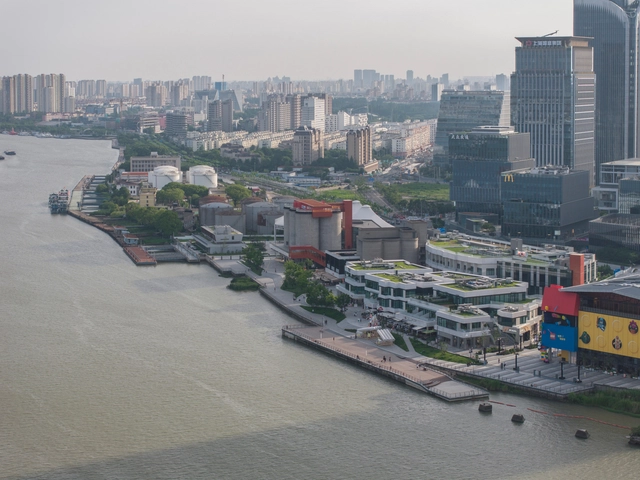
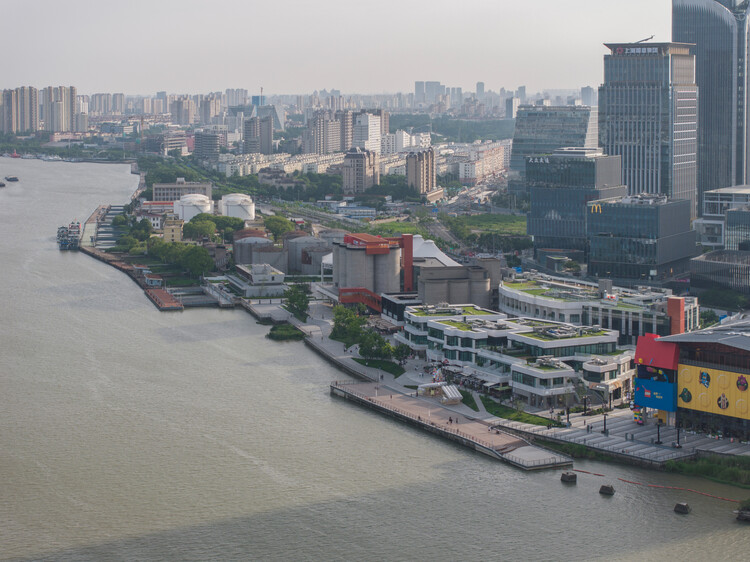
MVRDV has completed the GATE M West Bund Dream Center, a major adaptive reuse project that transforms a former cement factory into a dynamic cultural and leisure district in Shanghai. Located along the city's Huangpu River, the development contributes to the growing series of West Bund cultural initiatives and offers a wide array of public amenities, from food and retail spaces to climbing facilities, event venues, and riverside relaxation areas. Once the site of Asia's largest cement factory, the area underwent a significant shift following the 2010 Shanghai Expo, which prompted the relocation of industrial activities and the revitalization of the riverbanks.

MVRDV Transforms Former Cement Factory on Shanghai’s West Bund - Image 1 of 4MVRDV Transforms Former Cement Factory on Shanghai’s West Bund - Image 2 of 4MVRDV Transforms Former Cement Factory on Shanghai’s West Bund - Image 3 of 4MVRDV Transforms Former Cement Factory on Shanghai’s West Bund - Image 4 of 4MVRDV Transforms Former Cement Factory on Shanghai’s West Bund - More Images+ 37

Architecture as an Invitation to Explore: 25 Visitor Centers Around the World

Subscriber Access | 

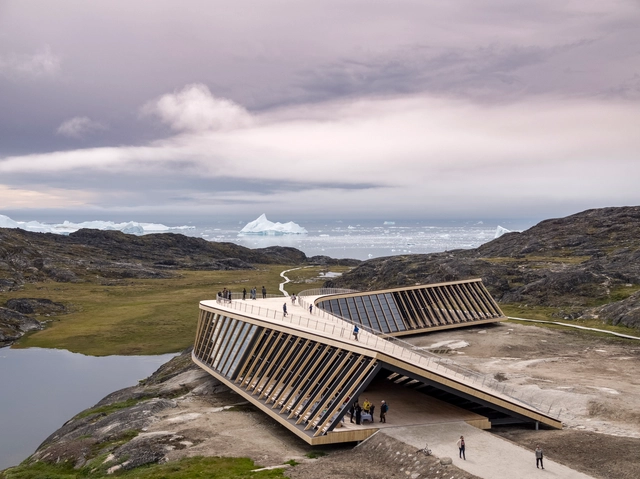
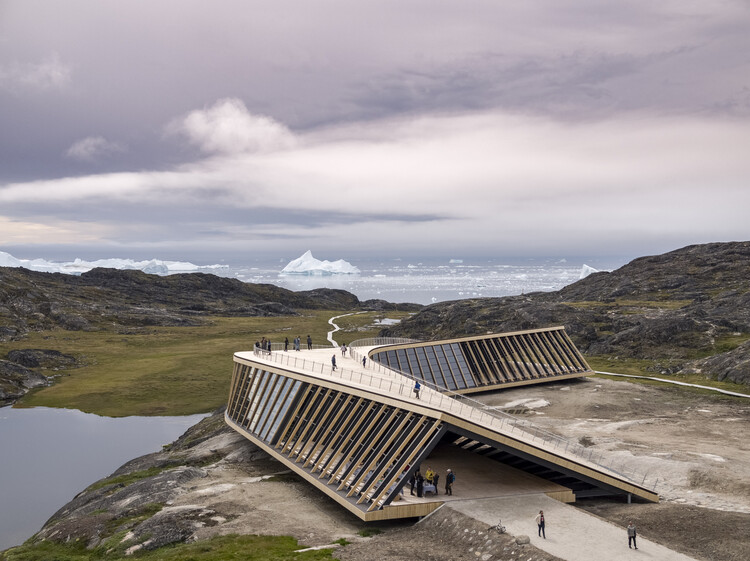
Destinations like ecological reserves, national parks, and historic sites rank among the most visited places worldwide. Motivated by different desires — from aesthetic appreciation to a longing for connection with nature — visitors are drawn to locations marked by historical importance, scenic beauty, or architectural significance. In this context, it becomes essential for the institutions responsible for preserving and managing these sites to adopt thoughtful mediation strategies — both in terms of communication and spatial design. One such strategy is the creation of visitor centers: architectural structures that not only receive guests but also educate and guide them. These buildings act as interfaces between the site and its audience, translating the ecological, historical, and cultural values of the place into architectural form.

Architecture as an Invitation to Explore: 25 Visitor Centers Around the World - Image 1 of 4Architecture as an Invitation to Explore: 25 Visitor Centers Around the World - Image 2 of 4Architecture as an Invitation to Explore: 25 Visitor Centers Around the World - Image 3 of 4Architecture as an Invitation to Explore: 25 Visitor Centers Around the World - Image 4 of 4Architecture as an Invitation to Explore: 25 Visitor Centers Around the World - More Images+ 23

From Milan to Chicago: Architecture Now and the Leading Practices of Herzog & de Meuron, Gensler, and Heatherwick

Subscriber Access | 

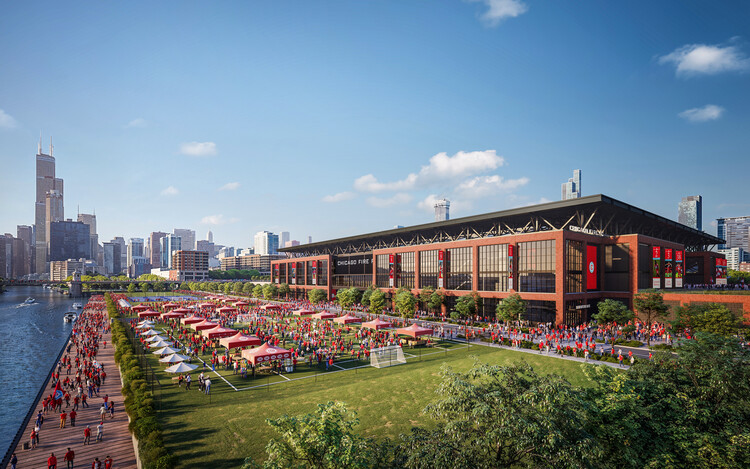
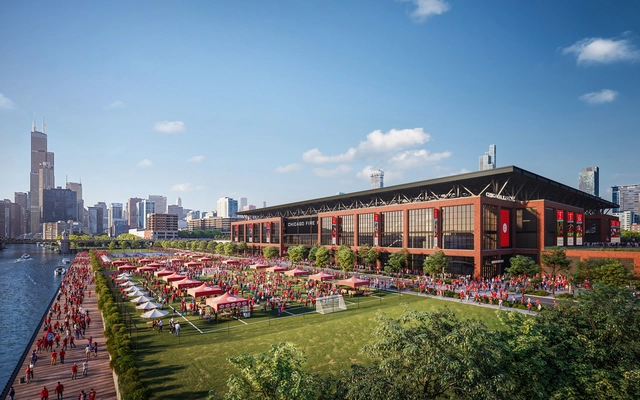
From Milan's Scalo Farini to downtown Chicago, and from the Tuscan countryside to the UK's retrofit initiatives, recent announcements demonstrate how architecture is evolving in response to climate goals, cultural identity, and urban transformation. Herzog & de Meuron's new headquarters for UniCredit will anchor one of Europe's largest redevelopment sites with a focus on sustainability and workplace innovation, while Gensler's stadium design for Chicago Fire FC aims to redefine the U.S. matchday experience as part of a major waterfront development. In Tuscany, Alvisi Kirimoto's Sapaio Pavilion merges agricultural production with architectural sensitivity, and in the UK, RIBA and The King's Foundation are advancing retrofit as a national agenda. Meanwhile, finalists including MVRDV, Heatherwick Studio, and Mecanoo are advancing in an international competition to create a climate landmark intended to inspire large-scale behavioral change. This edition of Architecture Now brings together diverse yet interconnected efforts to shape how architecture can support long-term ecological, cultural, and civic impact.

From Milan to Chicago: Architecture Now and the Leading Practices of Herzog & de Meuron, Gensler, and Heatherwick - Image 1 of 4From Milan to Chicago: Architecture Now and the Leading Practices of Herzog & de Meuron, Gensler, and Heatherwick - Image 2 of 4From Milan to Chicago: Architecture Now and the Leading Practices of Herzog & de Meuron, Gensler, and Heatherwick - Image 3 of 4From Milan to Chicago: Architecture Now and the Leading Practices of Herzog & de Meuron, Gensler, and Heatherwick - More Images+ 3

Concéntrico 2025: The Politics of Urban Presence

Subscriber Access | 

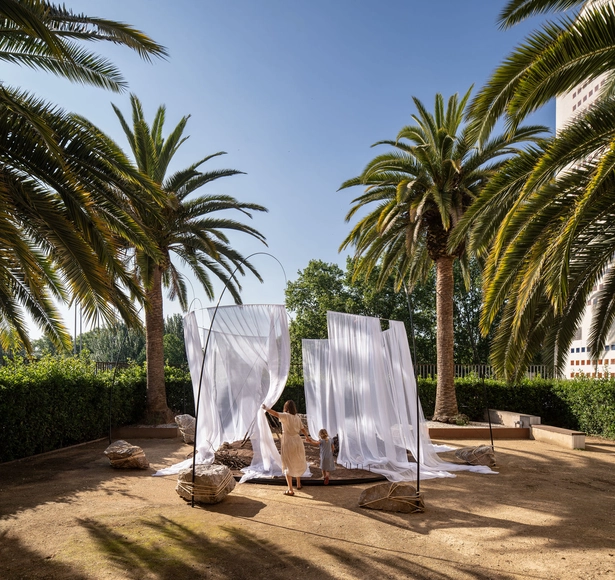
Every June, the Spanish city of Logroño transforms into a space of architectural dialogue, opening its streets, plazas, riverbanks, and traffic islands to temporary structures that redefine how cities are inhabited. For ten editions, Concéntrico has worked not as a specialized fair or an architecture biennale, but as a portable museum — a curatorial gesture that brings a dispersed collection of contemporary architecture into public space. Set in a city suspended between arid plains and distant mountains, far from the circuits of capital cities and cultural institutions, Concéntrico presents itself as a temporary promise. It's a reminder that even cities that are often overlooked can host architecture that is current, diverse, and speculative. In this sense, the festival is less about celebration and more about activation.

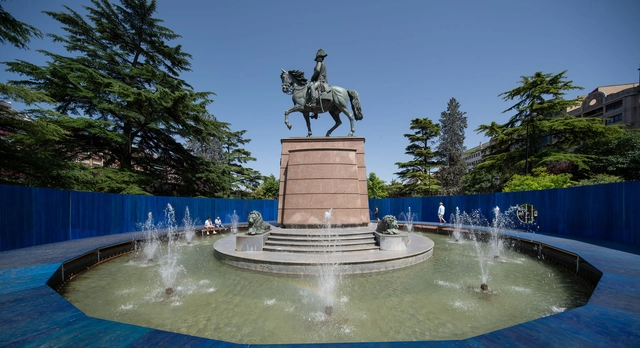
But beyond its curatorial logic, Concéntrico operates as a political structure. In the ancient sense of polis, it invites citizens, architects, and institutions to reassess what public space can be. The interventions offer speculative proposals for urban life that reveal what is missing, what is possible, and what should be questioned. A temporary pool over a fountain, a bathhouse in a roundabout, or a shared meal on a major avenue are not just spatial gestures — they are political statements, asking how urban infrastructure might be redirected from control to care, from efficiency to encounter. In that way, the festival becomes not just a reflection of the city, but an instrument for its transformation.

Concéntrico 2025: The Politics of Urban Presence - Image 1 of 4Concéntrico 2025: The Politics of Urban Presence - Image 2 of 4Concéntrico 2025: The Politics of Urban Presence - Image 3 of 4Concéntrico 2025: The Politics of Urban Presence - Image 4 of 4Concéntrico 2025: The Politics of Urban Presence - More Images+ 58

Concéntrico 2025 Opens in Logroño, Spain, With 24 Urban Interventions

The 11th edition of Concéntrico, the International Festival of Architecture and Design, is currently taking place in Logroño, Spain, from June 19 to 24, 2025. This year's edition broadens the scope of the festival with a multifaceted programme that includes not only temporary installations but also permanent projects, exhibitions, educational initiatives, and traveling events. Through 24 urban interventions, Concéntrico 2025 explores themes such as material reuse and circular design, food as a collective practice, the recovery of water-related spaces, the activation of urban voids, and interspecies connections in the urban context, while emphasizing the need to imagine new ways of inhabiting the city, placing care, sustainability, empathy, and active listening at the core of public architecture.

Concéntrico 2025 Opens in Logroño, Spain, With 24 Urban Interventions - Image 1 of 4Concéntrico 2025 Opens in Logroño, Spain, With 24 Urban Interventions - Image 2 of 4Concéntrico 2025 Opens in Logroño, Spain, With 24 Urban Interventions - Image 3 of 4Concéntrico 2025 Opens in Logroño, Spain, With 24 Urban Interventions - Image 4 of 4Concéntrico 2025 Opens in Logroño, Spain, With 24 Urban Interventions - More Images+ 148

MVRDV’s First Residential Tower in Taiwan Features Digitally Planned Modular Design

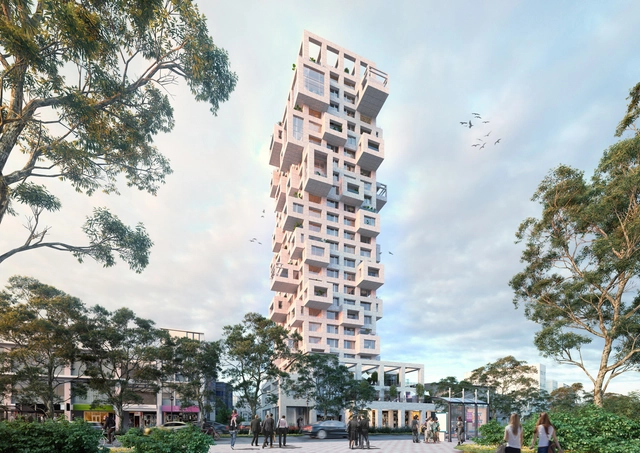
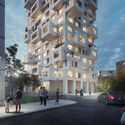
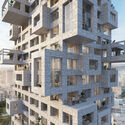
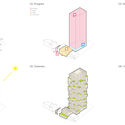
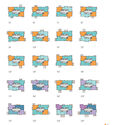
MVRDV has released images of "Out of the Box", a 12,025 sqm residential tower in Tianmu, one of Taipei's northernmost neighborhoods. Designed for Win Sing Development Company, the project began in 2019 and was developed using a system of standardized elements digitally distributed based on criteria such as habitability, efficiency, and access to community services. These elements are expressed in the tower's irregular, gridded façade, which features a layered marble cladding.
MVRDV’s First Residential Tower in Taiwan Features Digitally Planned Modular Design - Image 1 of 4MVRDV’s First Residential Tower in Taiwan Features Digitally Planned Modular Design - Image 2 of 4MVRDV’s First Residential Tower in Taiwan Features Digitally Planned Modular Design - Image 3 of 4MVRDV’s First Residential Tower in Taiwan Features Digitally Planned Modular Design - Image 4 of 4MVRDV’s First Residential Tower in Taiwan Features Digitally Planned Modular Design - More Images+ 8

Towards an Architecture of Many Intelligences: How Collective Knowledge Shapes the Built Environment

As architecture navigates a rapidly changing world shaped by ecological urgency, social transformation, and technological acceleration, the notion of intelligence is shifting. No longer confined to individual cognition or artificial computation, intelligence can emerge from cultural memory, collective practices, and adaptive systems. In this broader sense, architecture becomes a field of convergence, where natural, artificial, and social intelligences intersect to offer new ways of designing and building.
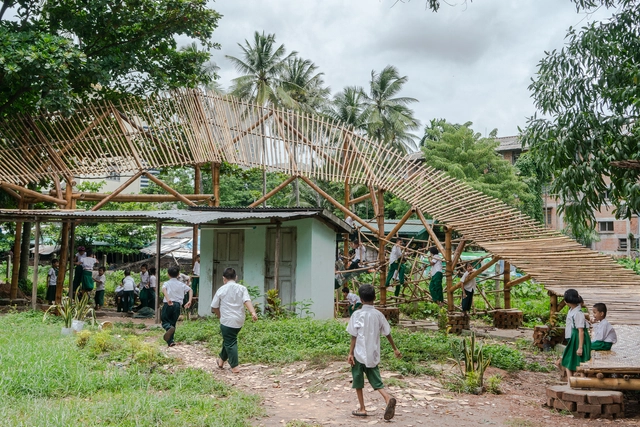
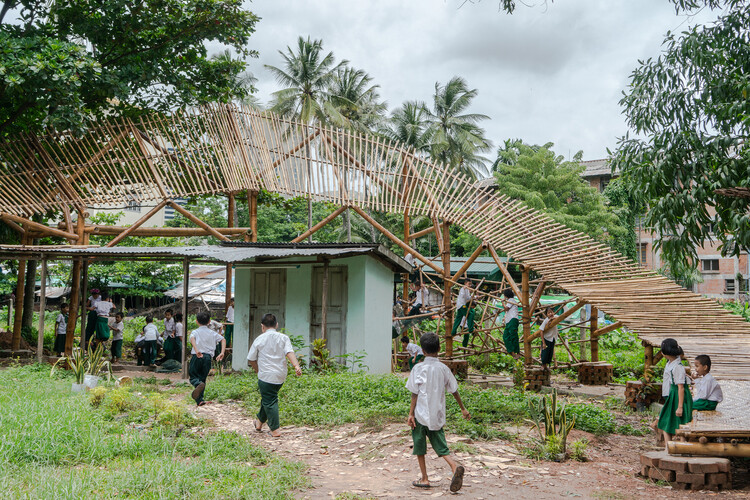
Vernacular traditions embed generations of environmental knowledge, often transmitted through materials, construction techniques, and spatial logics finely tuned to local conditions; participatory platforms expand decision-making to wider communities to take part in shaping their environments, redistributing agency in the design process; and computational processes simulate and respond to complex data in real time bringing the capacity to analyse, simulate, and respond to complex variables — whether environmental, social, or behavioural — offering new forms of adaptability.
Towards an Architecture of Many Intelligences: How Collective Knowledge Shapes the Built Environment - Image 1 of 4Towards an Architecture of Many Intelligences: How Collective Knowledge Shapes the Built Environment - Image 2 of 4Towards an Architecture of Many Intelligences: How Collective Knowledge Shapes the Built Environment - Image 3 of 4Towards an Architecture of Many Intelligences: How Collective Knowledge Shapes the Built Environment - Image 4 of 4Towards an Architecture of Many Intelligences: How Collective Knowledge Shapes the Built Environment - More Images+ 25

Earth Day 2025: Our Agency in Rethinking Sustainability Across Cities, Scales, and Sectors

Subscriber Access | 

On Earth Day 2025, observed annually on April 22, we are once again reminded of the urgent environmental and sustainability challenges that face our planet—challenges that continue to evolve alongside global economic, political, and cultural shifts. The building and construction industry remains one of the most critical sectors in the effort to manage and reduce global carbon emissions. This year, these issues are being addressed through increasingly diverse lenses, calling for more holistic and integrated approaches. It's vital that we view sustainability not as a one-size-fits-all solution, but as a multi-scalar effort—one that spans from large-scale urban development and strategic planning, to the advancement of sustainable materials, and even to temporary, thought-provoking interventions like exhibitions and installations. In doing so, we reaffirm our commitment to reducing our collective carbon footprint, while shaping a built environment that promotes human well-being and planetary health.

Earth Day 2025: Our Agency in Rethinking Sustainability Across Cities, Scales, and Sectors - Image 1 of 4Earth Day 2025: Our Agency in Rethinking Sustainability Across Cities, Scales, and Sectors - Image 2 of 4Earth Day 2025: Our Agency in Rethinking Sustainability Across Cities, Scales, and Sectors - Image 3 of 4Earth Day 2025: Our Agency in Rethinking Sustainability Across Cities, Scales, and Sectors - Image 4 of 4Earth Day 2025: Our Agency in Rethinking Sustainability Across Cities, Scales, and Sectors - More Images+ 23

An Architectural Journey Through Tokyo, the Never-Ending City

Subscriber Access | 

Tokyo is never-ending. It is a city made up of many cities, where everything is superlative and encounters with overwhelming scale are constant. For those visiting for the first time, the cultural shock is striking. Everything is extremely clean despite the absence of public trash bins, there's a strong impression of zero violence, and society seems to follow strict disciplinary codes to the letter. There’s a sense that human relationships and individual feelings are set aside in favor of the collective, with all the benefits and drawbacks that this way of life may bring.
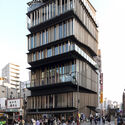
An Architectural Journey Through Tokyo, the Never-Ending City - Image 1 of 4An Architectural Journey Through Tokyo, the Never-Ending City - Image 2 of 4An Architectural Journey Through Tokyo, the Never-Ending City - Image 3 of 4An Architectural Journey Through Tokyo, the Never-Ending City - Image 4 of 4An Architectural Journey Through Tokyo, the Never-Ending City - More Images+ 45

MVRDV and Zecc Architecten to Transform Vacant Church into Public Swimming Pool in Heerlen, the Netherlands

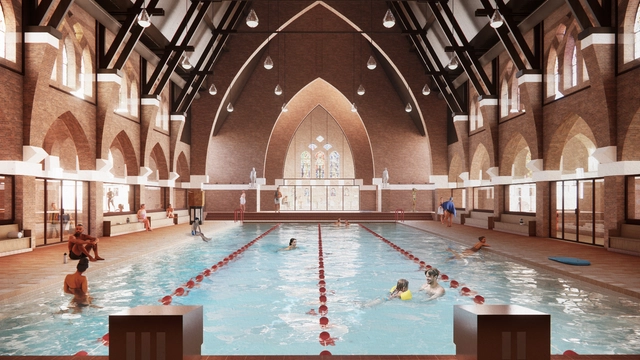
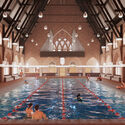
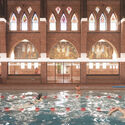
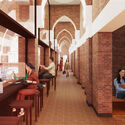
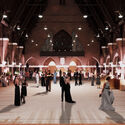
MVRDV and Zecc Architecten have won the competition to transform the St. Francis of Assisi Church in Heerlen into a public swimming pool. Originally built over 100 years ago, the church stopped hosting services in 2023, presenting the municipality with the opportunity to repurpose the building for community use. Nicknamed Holy Water, the adaptive reuse project is meant to give this listed national monument, with its recognizable silhouette, a new social function while preserving its historic elements. The design was created through a collaboration between MVRDV, Zecc Architecten, IMd Raadgevende Ingenieurs, Nelissen Ingenieursbureau, and construction economics consultancy SkaaL, and is expected to be completed at the end of 2027.

MVRDV and Zecc Architecten to Transform Vacant Church into Public Swimming Pool in Heerlen, the Netherlands - Image 1 of 4MVRDV and Zecc Architecten to Transform Vacant Church into Public Swimming Pool in Heerlen, the Netherlands - Image 2 of 4MVRDV and Zecc Architecten to Transform Vacant Church into Public Swimming Pool in Heerlen, the Netherlands - Image 3 of 4MVRDV and Zecc Architecten to Transform Vacant Church into Public Swimming Pool in Heerlen, the Netherlands - Image 4 of 4MVRDV and Zecc Architecten to Transform Vacant Church into Public Swimming Pool in Heerlen, the Netherlands - More Images+ 12

MVRDV’s “Market Cube” Reimagines the Urban Market as a Flexible Vertical Hub in Zhubei, Taiwan

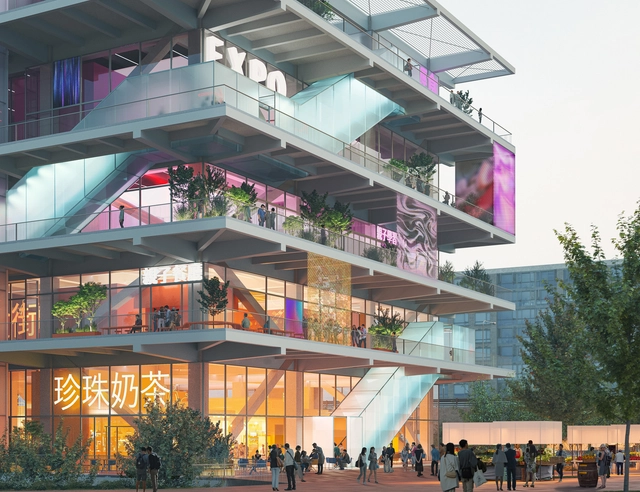
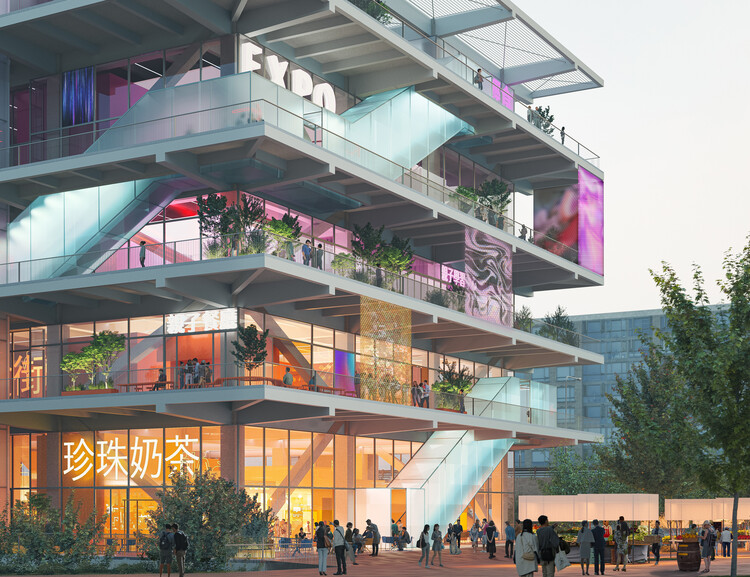
Dutch architecture firm MVRDV has won the competition to design a new multifunctional market and food hall in Zhubei, Taiwan. Developed in collaboration with local firm EKUO, the project, referred to as the "Market Cube" or "River Bank 1," aims to redefine the traditional market building through a vertically layered, highly adaptable structure. Positioned along the Touqian River at a prominent gateway between Zhubei and neighboring Hsinchu, the building is set to become a major civic destination.

MVRDV’s “Market Cube” Reimagines the Urban Market as a Flexible Vertical Hub in Zhubei, Taiwan - Image 1 of 4MVRDV’s “Market Cube” Reimagines the Urban Market as a Flexible Vertical Hub in Zhubei, Taiwan - Image 2 of 4MVRDV’s “Market Cube” Reimagines the Urban Market as a Flexible Vertical Hub in Zhubei, Taiwan - Image 3 of 4MVRDV’s “Market Cube” Reimagines the Urban Market as a Flexible Vertical Hub in Zhubei, Taiwan - Image 4 of 4MVRDV’s “Market Cube” Reimagines the Urban Market as a Flexible Vertical Hub in Zhubei, Taiwan - More Images+ 1

MVRDV Unveils Its Strategic Plan for the Roosendaal Densification Masterplan in the Netherlands

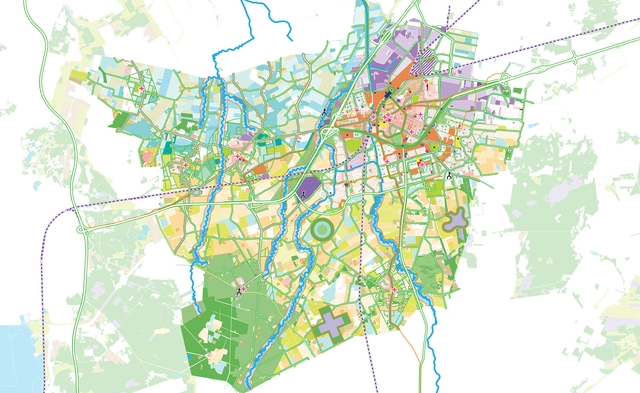
In 2021, the Municipality of Roosendaal began collaborating with MVRDV as an urban development consultant. The firm's partner, Winy Maas, was subsequently appointed as urban advisor, conforming a team that included MVRDV, Rebel Group, Transitiefocus, and other experts. Their task was to consolidate existing projects and initiatives into a unified strategic vision, seeking a mix of bottom-up and top-down planning approaches. The vision, also called "The Mosaic", was developed through a participatory process involving residents. It provides insight at multiple scales, from land-use adjustments across the municipality to over 40 potential projects aimed at harnessing the potential of specific locations. Published as a series of seven interconnected documents, the vision aims to provide Roosendaal with strategies to accommodate growth.

MVRDV Unveils Its Strategic Plan for the Roosendaal Densification Masterplan in the Netherlands - Image 1 of 4MVRDV Unveils Its Strategic Plan for the Roosendaal Densification Masterplan in the Netherlands - Image 2 of 4MVRDV Unveils Its Strategic Plan for the Roosendaal Densification Masterplan in the Netherlands - Image 3 of 4MVRDV Unveils Its Strategic Plan for the Roosendaal Densification Masterplan in the Netherlands - Image 4 of 4MVRDV Unveils Its Strategic Plan for the Roosendaal Densification Masterplan in the Netherlands - More Images+ 25

MVRDV Designs LuLa Light Mall in Chengdu's Luxelakes Eco-City, China

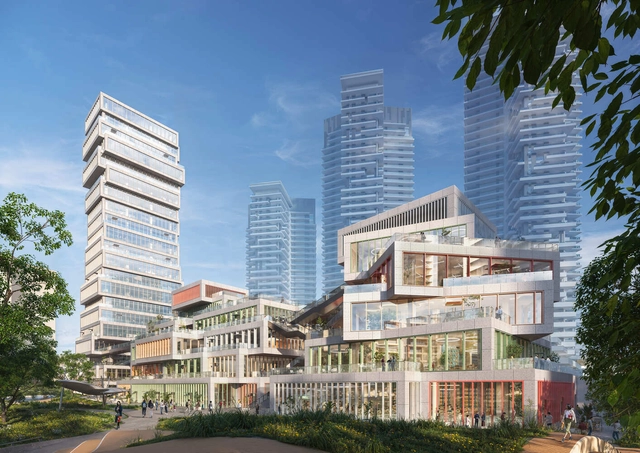
MVRDV has just released its design for LuLa Light Mall, an open-air shopping center under construction in Chengdu's Luxelakes Eco-City, China. The scheme consists of stacked boxes with open spaces between them, creating terraces, walkways, and staircases that integrate the natural surroundings and provide views of the nearby lake. Luxelakes Eco-City, a developing district in southern Chengdu, spans 5.5 square kilometers and features 1.4 square kilometers of lakes and green spaces. The mall's location, positioned between the natural landscape to the southeast and high-rise buildings to the northwest, serves as a transition between urban and natural environments.

MVRDV Designs LuLa Light Mall in Chengdu's Luxelakes Eco-City, China - Image 1 of 4MVRDV Designs LuLa Light Mall in Chengdu's Luxelakes Eco-City, China - Image 2 of 4MVRDV Designs LuLa Light Mall in Chengdu's Luxelakes Eco-City, China - Image 3 of 4MVRDV Designs LuLa Light Mall in Chengdu's Luxelakes Eco-City, China - Image 4 of 4MVRDV Designs LuLa Light Mall in Chengdu's Luxelakes Eco-City, China - More Images+ 3