1. ArchDaily
  2. Museum for African Art

Museum for African Art: The Latest Architecture and News

Peterson Rich Office Designs Permanent Galleries for Brooklyn Museum’s African Art Collection

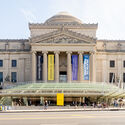
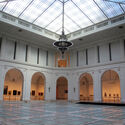
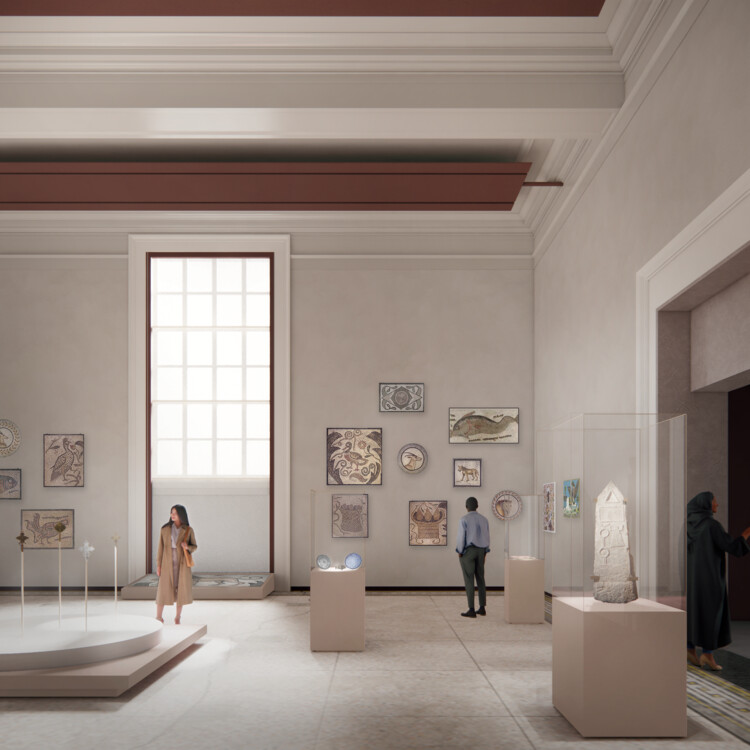
New York's Brooklyn Museum has announced the extension of its neoclassical building, a New York City–designated landmark, to include new galleries dedicated to its historic African art collection. The project to renovate and create permanent galleries was designed by the Brooklyn-based architectural firm Peterson Rich Office (PRO), with prior experience in contemporary exhibition spaces, in consultation with Beyer Blinder Belle Architects & Planners on the museum's historic preservation. The project transforms previously underutilized spaces that served as on-site storage, marking a new milestone in a series of renovations of an institution with over 200 years of history. For the first time, the museum's Egyptian art galleries will connect to the new African galleries, uniting North Africa with the rest of the continent to offer visitors a cohesive vision of Africa's rich artistic legacy.


Peterson Rich Office Designs Permanent Galleries for Brooklyn Museum’s African Art Collection - Image 1 of 4Peterson Rich Office Designs Permanent Galleries for Brooklyn Museum’s African Art Collection - Image 2 of 4Peterson Rich Office Designs Permanent Galleries for Brooklyn Museum’s African Art Collection - Image 3 of 4Peterson Rich Office Designs Permanent Galleries for Brooklyn Museum’s African Art Collection - Image 4 of 4Peterson Rich Office Designs Permanent Galleries for Brooklyn Museum’s African Art Collection - More Images

On Juneteenth, Discover 8 Museums and Cultural Institutions Dedicated to African American History and Culture

Subscriber Access | 

Juneteenth, observed annually on June 19th, commemorates the emancipation of enslaved African Americans in the United States, marking a moment of liberation and reflection on a complex and often overlooked history. Originally celebrated in Texas, Juneteenth has grown to symbolize broader themes of freedom, resilience, and cultural identity, fostering conversations about justice and representation. This day also presents an opportunity to highlight the ways in which architecture can serve as a medium for preserving and presenting African American history and cultural values.

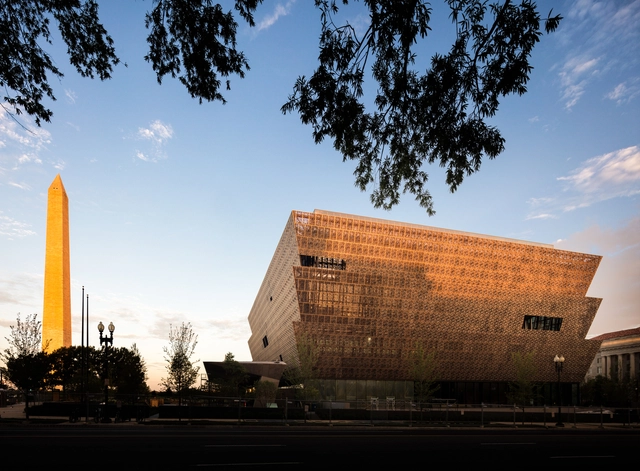
Architecture, beyond its functional and aesthetic qualities, can reflect and collect narratives, values, and hidden histories, giving a tangible and visual presence to communities often underrepresented in cityscapes. Buildings dedicated to African American history and culture become physical landmarks that anchor these stories within the daily life of cities. They serve as places of learning, reflection, and celebration, creating meaningful spaces that engage the public and foster a sense of communal identity.

On Juneteenth, Discover 8 Museums and Cultural Institutions Dedicated to African American History and Culture - Image 1 of 4On Juneteenth, Discover 8 Museums and Cultural Institutions Dedicated to African American History and Culture - Image 2 of 4On Juneteenth, Discover 8 Museums and Cultural Institutions Dedicated to African American History and Culture - Image 3 of 4On Juneteenth, Discover 8 Museums and Cultural Institutions Dedicated to African American History and Culture - Image 4 of 4On Juneteenth, Discover 8 Museums and Cultural Institutions Dedicated to African American History and Culture - More Images+ 9

Museum for African Art / Robert Stern Architects

Subscriber Access | 
Museum for African Art / Robert Stern Architects - Image 1 of 4

What began in a rented townhouse on Manhattan’s Upper East Side has grown to become an internationally recognized preeminent source for exhibitions and publications related to historical and contemporary African art. The Museum for African Art will finally find a permanent home along Manhattan’s “Museum Mile” and will be open to the public next April. Designed by Robert A.M. Stern Architects, LLP, the museum will bring the prestigious row of museums of Manhattan to Harlem, one of the country’s most important centers of historic and contemporary African-American culture.

More about the museum and more images after the break.