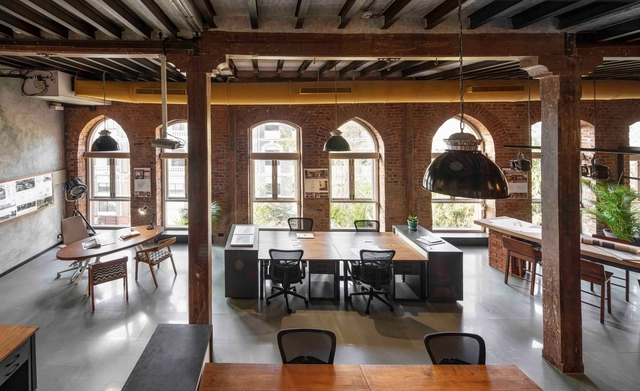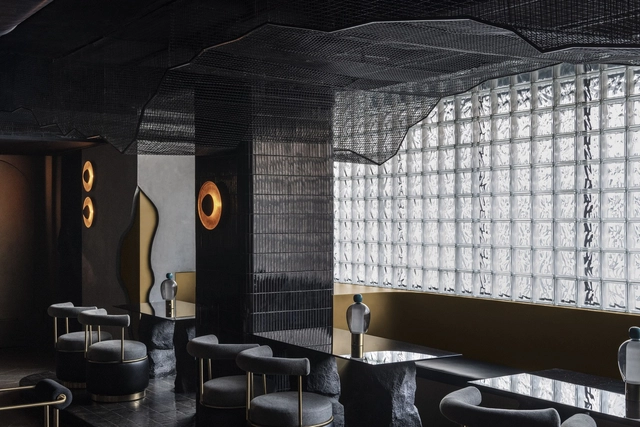


-
Architects: kaviar:collaborative
- Area: 2500 ft²
- Year: 2024


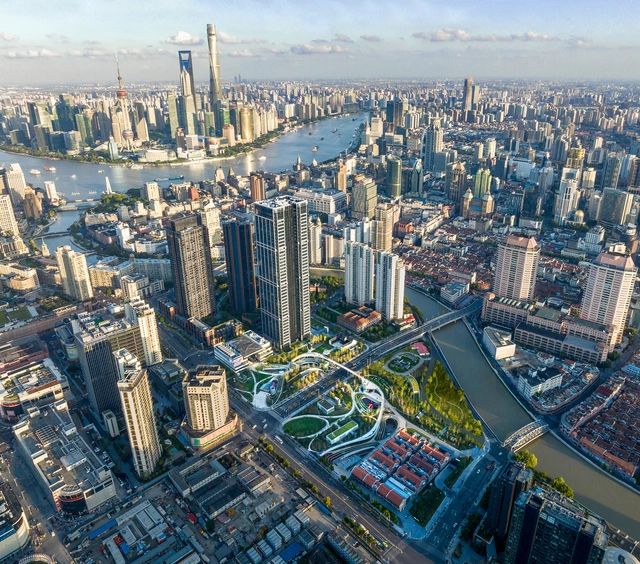
More than half of the world's population resides in urban areas, with over 4 billion people depending on cities as their main environment. According to the United Nations’ latest report on populations in cities, this number is expected to continue to increase over the next 50 years, prompting cities worldwide to strive to find better ways to accommodate their growing population while transitioning to more sustainable urban practices. To highlight this responsibility, the United Nations has declared July 11th the World Population Day.
Under this year’s theme, “To Leave No One Behind, Count Everyone,” the UN aims to also draw attention to the importance of data collection for reflecting societal diversity. The growth of world cities is part of this equation as an important measure for understanding global population trends. The following list presents the top 20 cities worldwide in 2024, ranked by the population size of their metropolitan areas. Comparing the results to the previous editions, the only cities to reduce their size are the two cities from Japan, Tokyo and Osaka. The highest growth rates can be observed in African mega-cities, Kinshasa and Lagos, while China continues to be the most present country in the list, with 5 metropolises present in the top 20: Shanghai, Beijing, Chongqing, Tianjin, and Guangzhou.
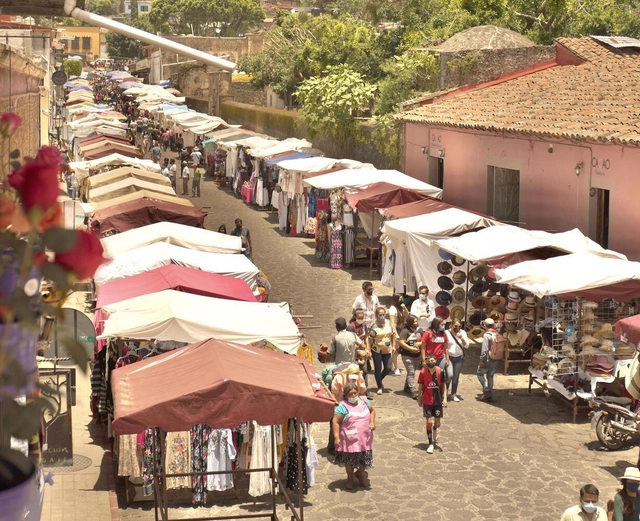
Usually defined by their open-air settings, diverse offerings, local and independent sellers, temporary nature, and acting as social hubs, street markets have been around for thousands of years. From the days of the Roman Forum to the Silk Road and the markets of ancient Greece, they are undoubtedly essential parts of urban life, or “the center of all that is unofficial.” Mostly categorized under the informal economy due to lack of regulations and authorization, street markets in the global south have often been seen as a threat to urban development. However, these erratic and adaptive urban spaces serve core functions in any developing city, acting as pillars of community in many different facets of society.
Policymakers and city officials have long struggled with informality, considering it the “antithesis of modernity.” Conventionally, the informal economy consists of activities with market value but are not formally registered, often unregulated, undocumented, and operating outside the incentive system offered by the state. Street vendors, specifically in the global south, constitute a substantial portion of the informal economy. Moreover, as cities grow and approach development, public spaces become more contested and privatized, leading to an overall mission to remove street markets or push them into formalization.


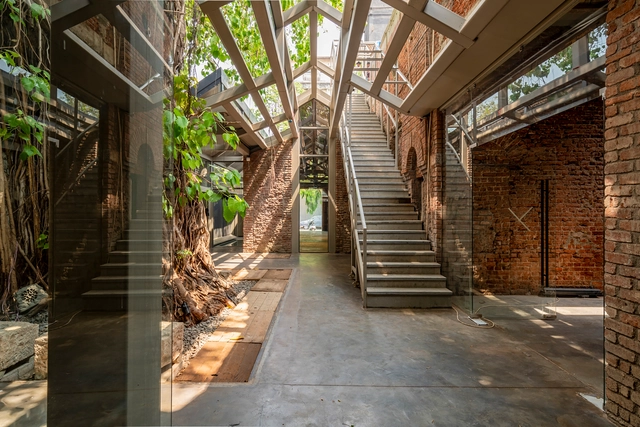
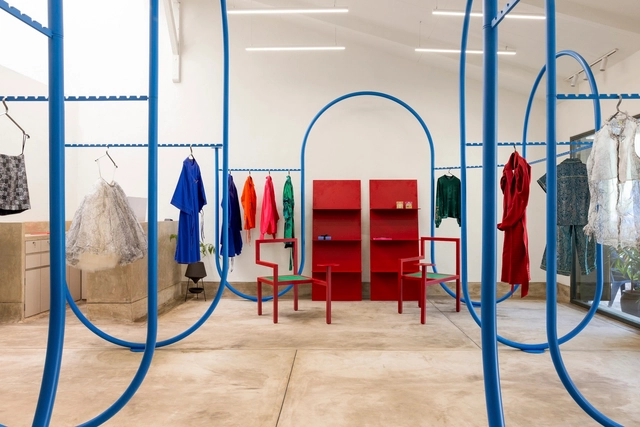
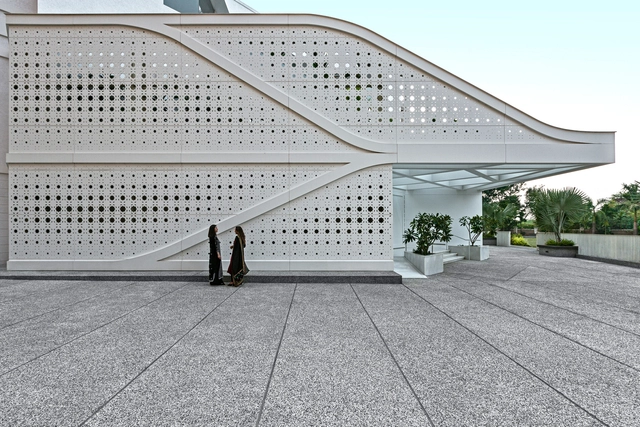
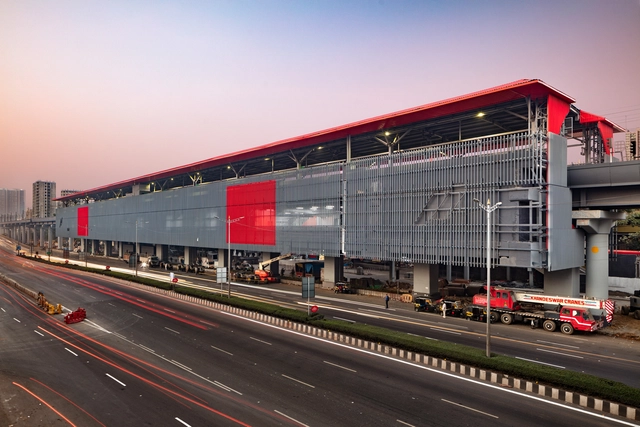
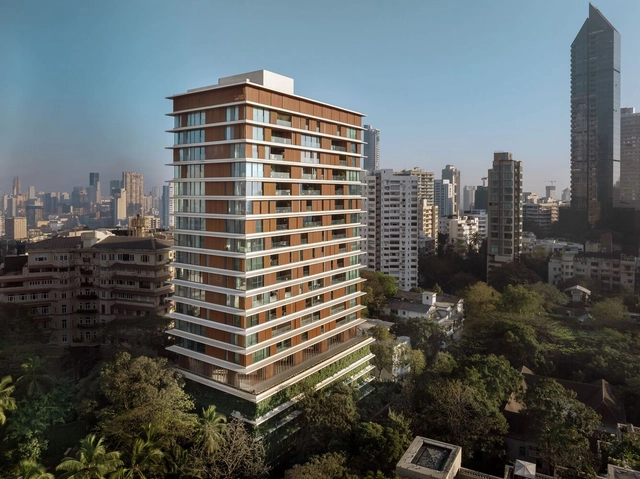
Walking through the streets of Mumbai, India, is an experience unmatched anywhere else. The energy of India’s largest and most populous city is palpable through the people, their activities, and most importantly, the built environment. The city’s dynamic culture is evidently expressed through the structures that dot its landscape.
Mumbai is an eclectic mix of buildings large and small, old and new, and traditional and modern. The city of contrasts boasts an architectural legacy that goes back over 2000 years. Located in the state of Maharashtra along the west coast of India, Mumbai hosts a variety of architectural styles such as Victorian, Gothic, Art Deco, Indo-Saracenic, Modern and Post-modern. The city is characterized by its old charm and liveliness, a diverse stage for people to pursue their dreams.
Rahul Mehrotra is a practicing architect based in Boston and Mumbai and he has been teaching at Harvard’s GSD where he is currently Chair of the Department of Urban Planning and Design and Director of the Master in Architecture in Urban Design Degree Program. Born in 1959, Mehrotra grew up in Lucknow, a city in Northern India and an important cultural and artistic hub. His father was a manager at a large machine tool company. The family moved a lot following Mehrotra senior’s frequent promotions, which led to changing residences owned by his company. Besides a few years in Lucknow and Delhi, they lived in different neighborhoods within Mumbai.
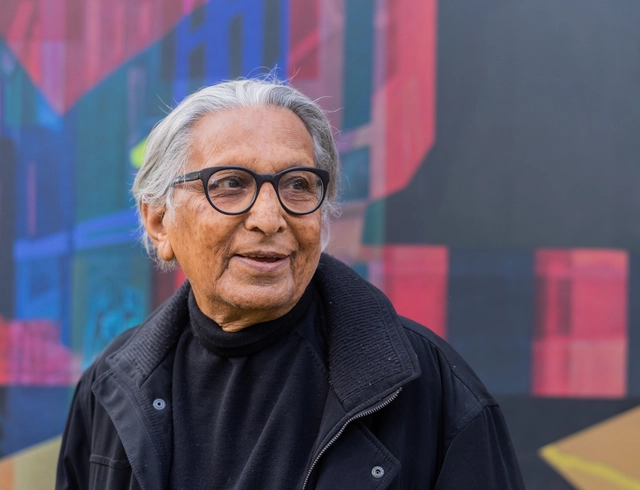
Balkrishna Vithaldas Doshi, master architect, urban planner, educator, 2018 Pritzker Prize Winner, and 2022 Riba’s Gold Medal has passed away at 95, in Ahmedabad, India on Tuesday the 24th of January 2023, as reported by several Indian outlets and Architectural Digest India on their Instagram page. One of the most renowned Indian architects that shaped the architecture of India and its adjacent regions, Doshi, who was inspired greatly by the works of Le Corbusier and Louis Kahn, has “combined pioneering modernism with vernacular”. Known especially for his urban planning and social housing projects, as well as his academic work as a visiting professor at various universities worldwide, Balkrishna Doshi has designed, over his 70-year career, some of the most iconic buildings in India.
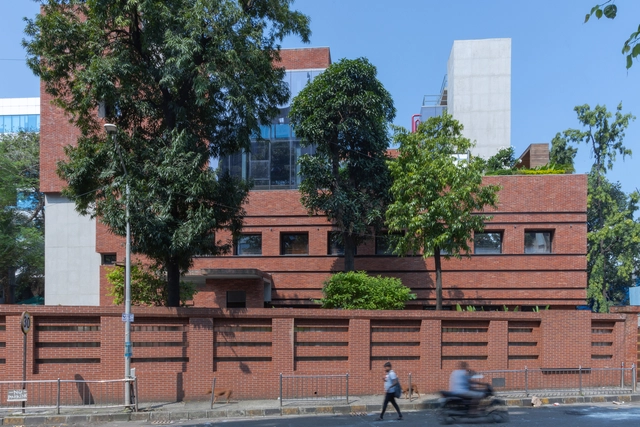
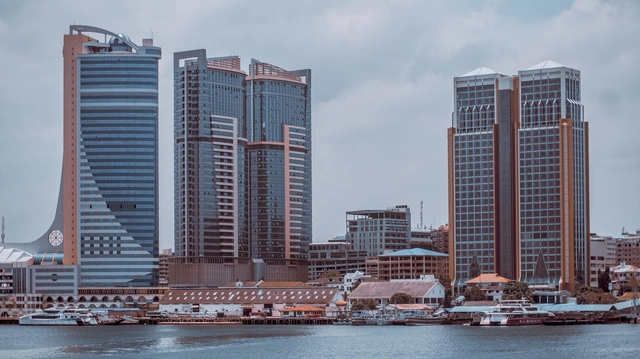
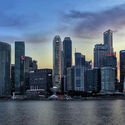
Cities have been, and will always be multi-faceted, elastic sites. They are settlements in continuous evolution, molded by proximity to natural resources, by migrating populations, and by capital. Despite the diversity in the urban character of disparate cities, it has been said that cities look alike now more than ever before, a uniformity that means a glass-and-steel tower in Singapore would not look out of place in Mumbai’s Bandra Kurla Complex.