

-
Architects: DIG Architects India
- Area: 4500 ft²
- Year: 2023
-
Manufacturers: Davide Groppi, MDF Italia
-
Professionals: Laxman Interiors
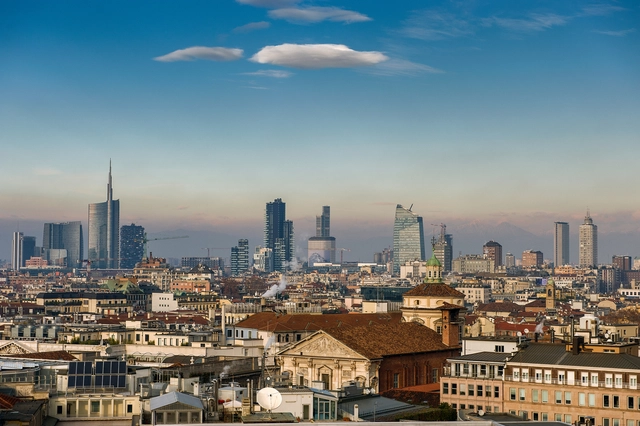
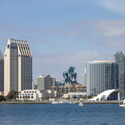
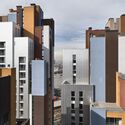
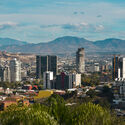
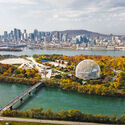
Tourism, as an urban and architectural phenomenon, has grown to encompass more than just sightseeing; it engages visitors with the social, cultural, and economic narratives that cities tell through their built environments. In celebration of World Tourism Day 2024, this collection of city guides highlights the role of architecture in shaping the urban tourism experience. Today, cities around the world stand as testaments to human ingenuity, historical preservation, and modern innovation. In fact, each city's versatile architecture offers a window into a city's identity, drawing millions of visitors each year who seek to understand how these spaces shape everyday life and collective memory.
In 2024, many cities have seized the world's collective imagination, each with its unique narrative waiting to be uncovered. Whether one finds themselves meandering through London, admiring Paris, or immersing in the cultural treasures of Sharjah, the story is always there to be unraveled. From Amsterdam's canals to Cairo's rich historical layers, Barcelona's avant-garde architecture, the liveliness of Santiago to the ancient marvels of Rome, and the diverse Istanbul to the bustling Bangkok – each city serves as a testament to the enduring spirit of human civilization.
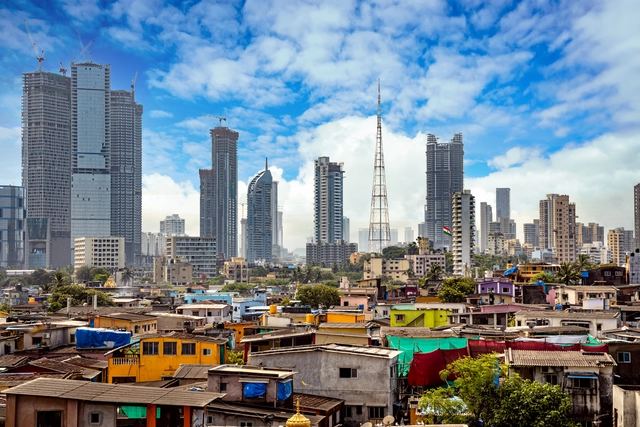
As a result of the nation’s ardent aspirations for growth and development, the social, economic, and physical landscape of India has transformed. A significant portion of the region’s population is of working age and comprises a massive market size, making India a land of opportunity especially in the eyes of foreign investors.
Reflecting this context, multiple mega-cities and mega-projects characterize the built environment and push the nation toward superpower status. On the flip side of the coin, these visionary projects along with the trend of rapid urbanization also bring in a range of side effects - the spread of informal settlements and in turn, the challenges to equitable development.
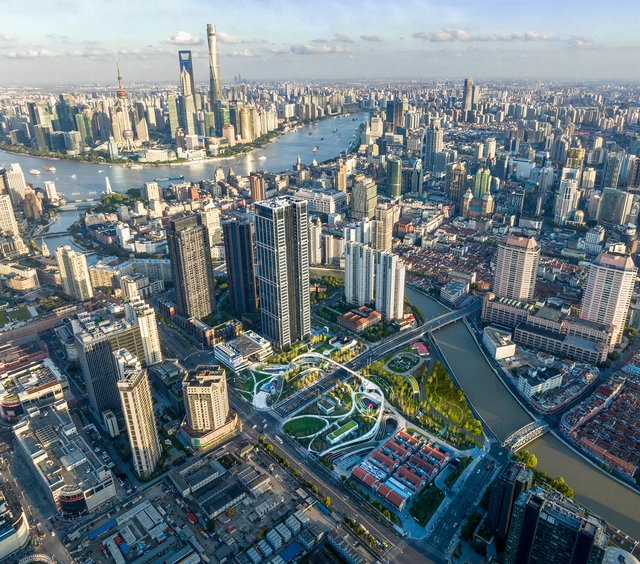
More than half of the world's population resides in urban areas, with over 4 billion people depending on cities as their main environment. According to the United Nations’ latest report on populations in cities, this number is expected to continue to increase over the next 50 years, prompting cities worldwide to strive to find better ways to accommodate their growing population while transitioning to more sustainable urban practices. To highlight this responsibility, the United Nations has declared July 11th the World Population Day.
Under this year’s theme, “To Leave No One Behind, Count Everyone,” the UN aims to also draw attention to the importance of data collection for reflecting societal diversity. The growth of world cities is part of this equation as an important measure for understanding global population trends. The following list presents the top 20 cities worldwide in 2024, ranked by the population size of their metropolitan areas. Comparing the results to the previous editions, the only cities to reduce their size are the two cities from Japan, Tokyo and Osaka. The highest growth rates can be observed in African mega-cities, Kinshasa and Lagos, while China continues to be the most present country in the list, with 5 metropolises present in the top 20: Shanghai, Beijing, Chongqing, Tianjin, and Guangzhou.
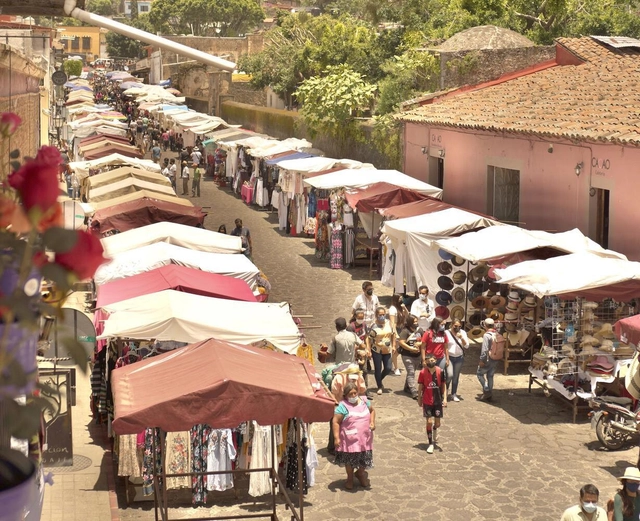
Usually defined by their open-air settings, diverse offerings, local and independent sellers, temporary nature, and acting as social hubs, street markets have been around for thousands of years. From the days of the Roman Forum to the Silk Road and the markets of ancient Greece, they are undoubtedly essential parts of urban life, or “the center of all that is unofficial.” Mostly categorized under the informal economy due to lack of regulations and authorization, street markets in the global south have often been seen as a threat to urban development. However, these erratic and adaptive urban spaces serve core functions in any developing city, acting as pillars of community in many different facets of society.
Policymakers and city officials have long struggled with informality, considering it the “antithesis of modernity.” Conventionally, the informal economy consists of activities with market value but are not formally registered, often unregulated, undocumented, and operating outside the incentive system offered by the state. Street vendors, specifically in the global south, constitute a substantial portion of the informal economy. Moreover, as cities grow and approach development, public spaces become more contested and privatized, leading to an overall mission to remove street markets or push them into formalization.


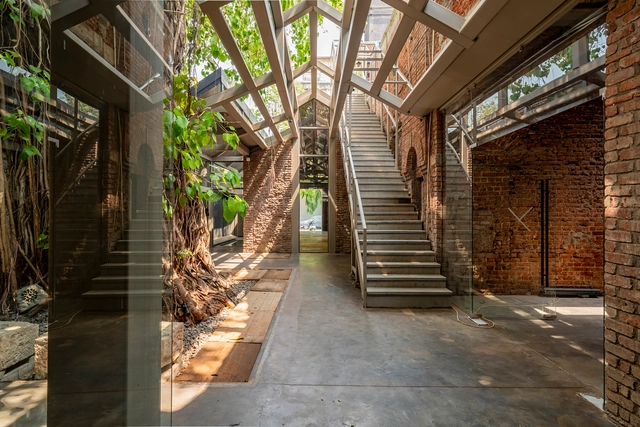
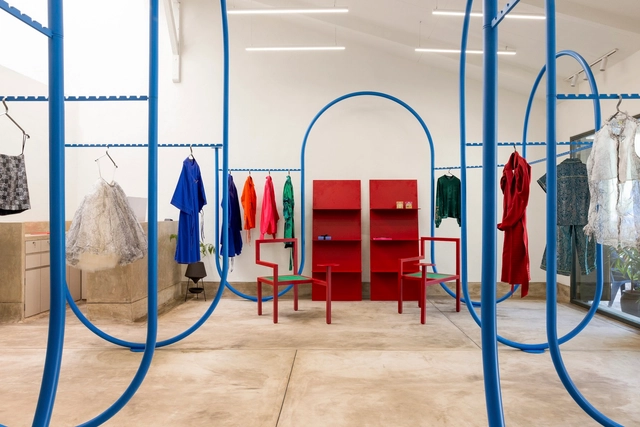
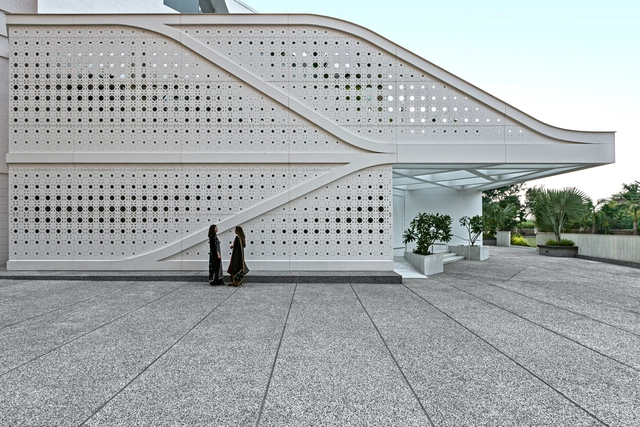
Walking through the streets of Mumbai, India, is an experience unmatched anywhere else. The energy of India’s largest and most populous city is palpable through the people, their activities, and most importantly, the built environment. The city’s dynamic culture is evidently expressed through the structures that dot its landscape.
Mumbai is an eclectic mix of buildings large and small, old and new, and traditional and modern. The city of contrasts boasts an architectural legacy that goes back over 2000 years. Located in the state of Maharashtra along the west coast of India, Mumbai hosts a variety of architectural styles such as Victorian, Gothic, Art Deco, Indo-Saracenic, Modern and Post-modern. The city is characterized by its old charm and liveliness, a diverse stage for people to pursue their dreams.
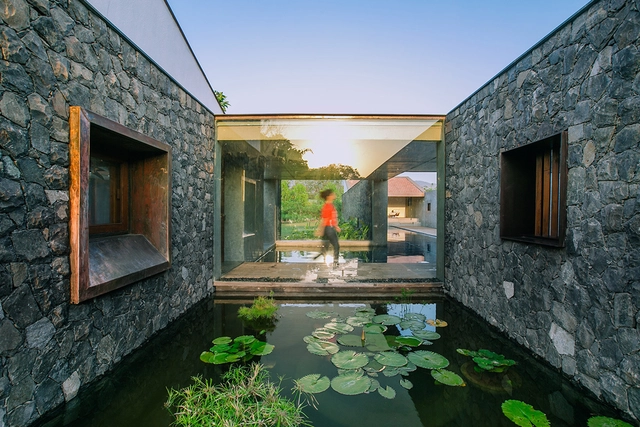
Rahul Mehrotra is a practicing architect based in Boston and Mumbai and he has been teaching at Harvard’s GSD where he is currently Chair of the Department of Urban Planning and Design and Director of the Master in Architecture in Urban Design Degree Program. Born in 1959, Mehrotra grew up in Lucknow, a city in Northern India and an important cultural and artistic hub. His father was a manager at a large machine tool company. The family moved a lot following Mehrotra senior’s frequent promotions, which led to changing residences owned by his company. Besides a few years in Lucknow and Delhi, they lived in different neighborhoods within Mumbai.