1. ArchDaily
  2. Mexican Architecture

Mexican Architecture: The Latest Architecture and News

The Centauric Heritage: Equine Scale and Mexican Monumental Architecture

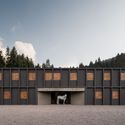
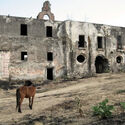
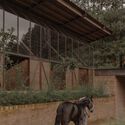
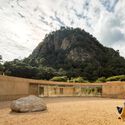
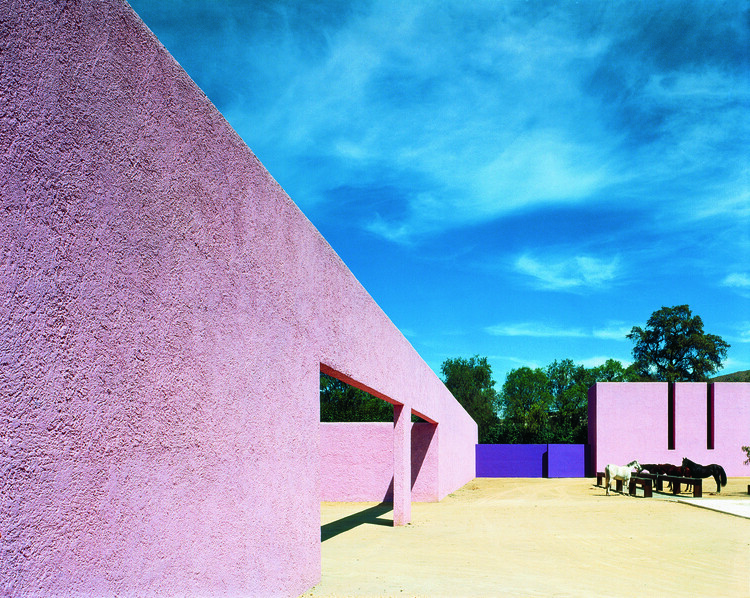
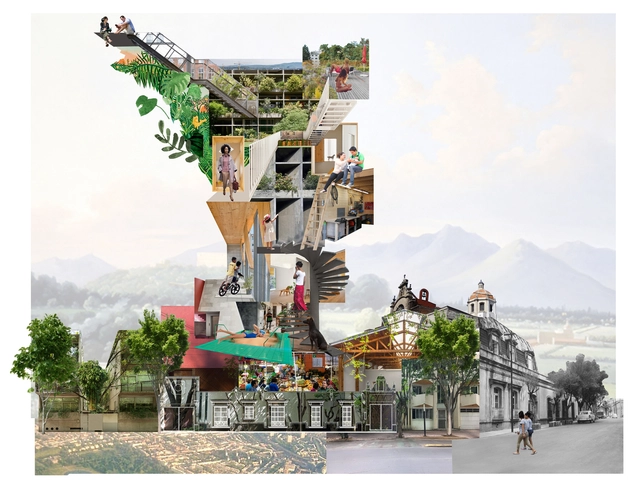
In the architectural history of the Mexican territory, the built environment has functioned not merely as a human stage, but as a biological infrastructure designed to organize proximity between species. The resulting spatial logic is not a solo performance, but a negotiated coexistence between human and animal bodies. To examine this heritage today is to shift the analytical focus away from stylistic authorship and toward a more fundamental phenomenon: the persistence of spatial practices that emerged to sustain shared forms of life.

Many of the architectural features now interpreted as cultural or aesthetic markers — oversized thresholds, expansive patios, and durable surfaces — can be understood instead as material traces of an interspecies contract. For centuries, horses, mules, and livestock were not external to architecture but essential inhabitants whose physical presence shaped scale, circulation, and material choices. Their bodies left measurable imprints in space, from the height of entrances that accommodated mounted riders to paving systems designed to withstand hooves, friction, and biological wear. Nowhere was this contract more visible than at the ground level of the colonial house.

The Centauric Heritage: Equine Scale and Mexican Monumental Architecture - Image 1 of 4The Centauric Heritage: Equine Scale and Mexican Monumental Architecture - Image 2 of 4The Centauric Heritage: Equine Scale and Mexican Monumental Architecture - Image 3 of 4The Centauric Heritage: Equine Scale and Mexican Monumental Architecture - Image 4 of 4The Centauric Heritage: Equine Scale and Mexican Monumental Architecture - More Images+ 9

"Build Something That Disappears": Gabriela Carrillo on Public Space Design in Louisiana Channel Interview

In this interview with Louisiana Channel, Mexican architect Gabriela Carrillo introduces us to the challenges that drive her work, particularly the projects carried out as a member of Colectivo C733, in which she currently participates alongside Carlos Facio, José Amozurrutia, Eric Valdez, and Israel Espin. Through an exploration of her definition of architecture, she offers reflections on the design of public spaces, the relationship between architecture and land art, and the role of the preexisting in the transformation of space. She defends architecture as a "powerful tool" for fostering connections between people and their environment, defining her practice as optimistic.

"Build Something That Disappears": Gabriela Carrillo on Public Space Design in Louisiana Channel Interview - Image 1 of 4"Build Something That Disappears": Gabriela Carrillo on Public Space Design in Louisiana Channel Interview - Image 2 of 4"Build Something That Disappears": Gabriela Carrillo on Public Space Design in Louisiana Channel Interview - Featured Image"Build Something That Disappears": Gabriela Carrillo on Public Space Design in Louisiana Channel Interview - Image 3 of 4Build Something That Disappears: Gabriela Carrillo on Public Space Design in Louisiana Channel Interview - More Images

Mexican Architect Mario Schjetnan and Grupo de Diseño Urbano Awarded the 2025 Oberlander Prize for Landscape Architecture

The biennial Cornelia Hahn Oberlander International Landscape Architecture Prize was established to increase the visibility, understanding, appreciation, and dialogue around landscape architecture. The creation of the Oberlander Prize began in 2014, and the most recent laureate was landscape architect Kongjian Yu, the pioneer of the "Sponge City" concept. This year, The Cultural Landscape Foundation (TCLF) announced that Mexico City-based landscape architect Mario Schjetnan and his firm Grupo de Diseño Urbano (GDU) are the recipients of the 2025 Oberlander Prize. According to TCLF, Schjetnan belongs to a generation of landscape architects, architects, and urbanists who became aware of the environmental impacts of urban development and their consequences for life, the planet, and its inhabitants. He and the GDU team are the first Latin Americans to be awarded the Oberlander Prize laureate.

Mexican Architect Mario Schjetnan and Grupo de Diseño Urbano Awarded the 2025 Oberlander Prize for Landscape Architecture - Image 1 of 4Mexican Architect Mario Schjetnan and Grupo de Diseño Urbano Awarded the 2025 Oberlander Prize for Landscape Architecture - Image 2 of 4Mexican Architect Mario Schjetnan and Grupo de Diseño Urbano Awarded the 2025 Oberlander Prize for Landscape Architecture - Image 3 of 4Mexican Architect Mario Schjetnan and Grupo de Diseño Urbano Awarded the 2025 Oberlander Prize for Landscape Architecture - Image 4 of 4Mexican Architect Mario Schjetnan and Grupo de Diseño Urbano Awarded the 2025 Oberlander Prize for Landscape Architecture - More Images+ 7

Tradition, Innovation and Experimentation: Contemporary Mexican House Through the Lens of Edmund Sumner

Subscriber Access | 

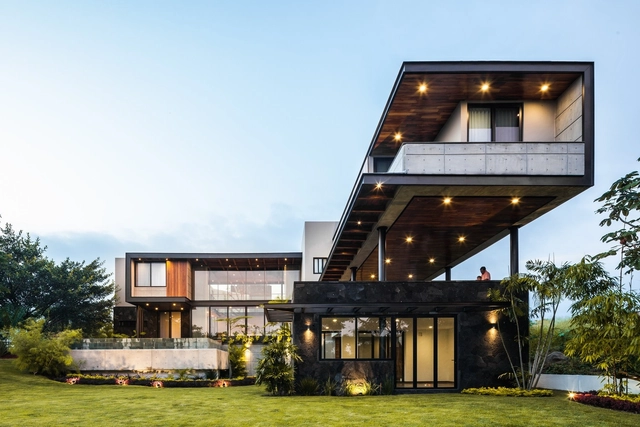
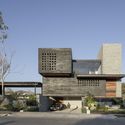
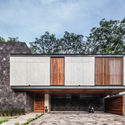
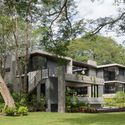
Blending vernacular techniques with contemporary experimentation, Mexico's architectural landscape is shaped by a continuous dialogue between tradition, materiality, and modernity. As the fifth most biodiverse country in the world, Mexican architecture seeks to respond to its vast range of natural environments, climates, and cultural traditions, all within a territory marked by striking contrasts. Reflecting a visible duality, it can embody both exclusivity and act as a catalyst for social transformation.
Tradition, Innovation and Experimentation: Contemporary Mexican House Through the Lens of Edmund Sumner - Image 1 of 4Tradition, Innovation and Experimentation: Contemporary Mexican House Through the Lens of Edmund Sumner - Image 2 of 4Tradition, Innovation and Experimentation: Contemporary Mexican House Through the Lens of Edmund Sumner - Image 3 of 4Tradition, Innovation and Experimentation: Contemporary Mexican House Through the Lens of Edmund Sumner - Image 4 of 4Tradition, Innovation and Experimentation: Contemporary Mexican House Through the Lens of Edmund Sumner - More Images+ 20

The Market Plaza as Civic Core: 5 Projects that Explore Contemporary Approaches to Market Design in Mexico

Subscriber Access | 

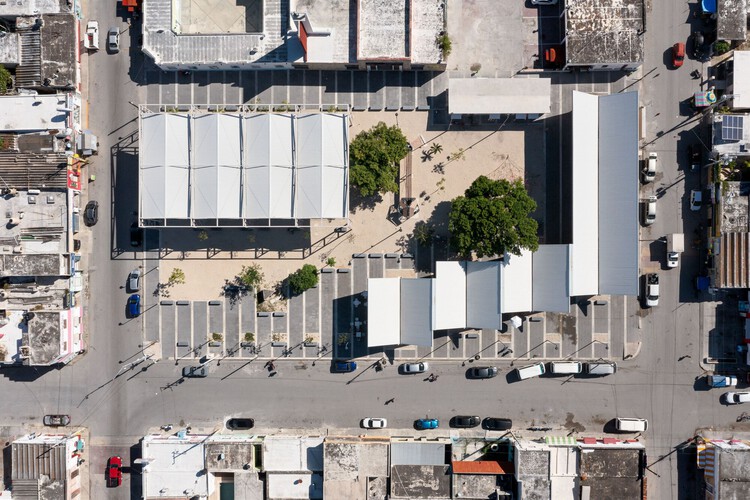
Contemporary Mexican market architecture frequently draws inspiration from its pre-Hispanic precedents. The Tlatelolco Market in ancient Tenochtitlan, for example, featured a large, stone-paved open square with designated "streets", which were divided into sections for specific goods, serving as a significant gathering point for social and economic exchange. Similarly, the tradition of the Tianguis, an ephemeral market typology within the broader Mesoamerican tradition, also arranged stalls in aisles within a public plaza, reflecting organizational principles seen in Tlatelolco. These historical models established a base for the tradition of marketplaces in Mexico and the countries in Central America, where they merge public space and structured layouts for commerce. Today, even though many of Mexico's commercial spaces, notably Mexico City's Central de Abasto and other markets such as the Jamaica, Merced, and San Juan Markets, have taken on a stationary approach to serving their communities, tianguis maintain their foothold in Mexican society.

The Market Plaza as Civic Core: 5 Projects that Explore Contemporary Approaches to Market Design in Mexico - Image 1 of 4The Market Plaza as Civic Core: 5 Projects that Explore Contemporary Approaches to Market Design in Mexico - Image 2 of 4The Market Plaza as Civic Core: 5 Projects that Explore Contemporary Approaches to Market Design in Mexico - Image 3 of 4The Market Plaza as Civic Core: 5 Projects that Explore Contemporary Approaches to Market Design in Mexico - Image 4 of 4The Market Plaza as Civic Core: 5 Projects that Explore Contemporary Approaches to Market Design in Mexico - More Images+ 7

The Mexican Pavilion at the Venice Architecture Biennale Explores the Ecological Potential of Ancestral Agricultural Systems

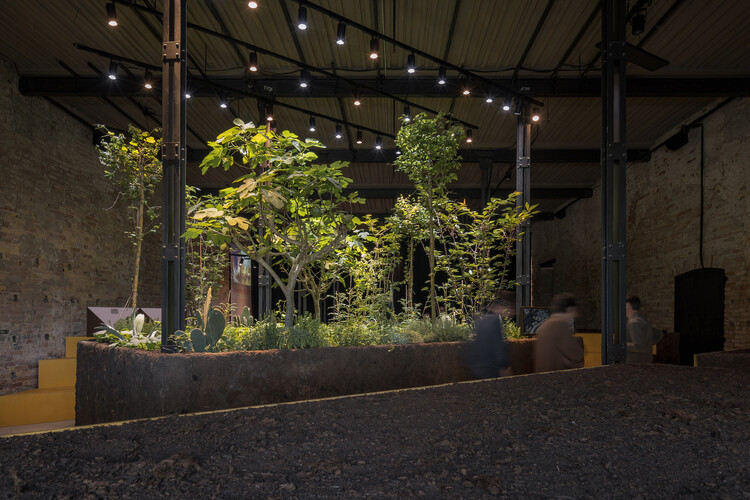
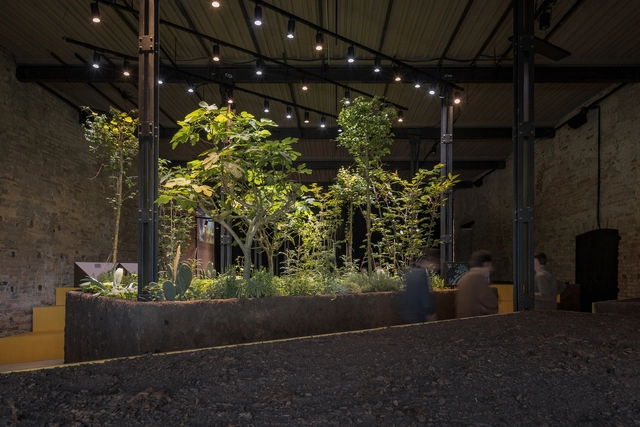
Titled "Chinampa Veneta", the Mexican exhibition for the 19th International Architecture Exhibition – La Biennale di Venezia seeks to promote reflection on how we inhabit, cultivate, and design the world we share. In the face of the global ecological crisis, the project draws attention to chinampas, an ancient Mesoamerican agricultural system with more than four thousand years of history. This ancestral knowledge, interweaving landscape, infrastructure, and technique, is reimagined in the context of the Biennale, activating a living environment within the city of Venice. The Mexican Pavilion consists of two "enactments," one located in the Arsenale and the other built on water.

The Mexican Pavilion at the Venice Architecture Biennale Explores the Ecological Potential of Ancestral Agricultural Systems - Image 1 of 4The Mexican Pavilion at the Venice Architecture Biennale Explores the Ecological Potential of Ancestral Agricultural Systems - Image 2 of 4The Mexican Pavilion at the Venice Architecture Biennale Explores the Ecological Potential of Ancestral Agricultural Systems - Image 3 of 4The Mexican Pavilion at the Venice Architecture Biennale Explores the Ecological Potential of Ancestral Agricultural Systems - Image 4 of 4The Mexican Pavilion at the Venice Architecture Biennale Explores the Ecological Potential of Ancestral Agricultural Systems - More Images+ 21

From Extraction to Regeneration: Architecture's Role in Rural Developments in Latin America

Rural areas have long played a foundational role in the social and economic development of nations. Until the 18th century, they were the primary sites of production and social organization. However, the Industrial Revolution brought profound structural shifts that reshaped this landscape. Industry took center stage, anchoring itself in urban environments and establishing a hierarchical, binary view of rural versus urban, agriculture versus industry. Within this new paradigm, two opposing narratives gained prominence: one predicted the decline of rural life in the face of urbanization and economic progress; the other envisioned its persistence and eventual renewal. Today, it is clear which of these predictions has come to pass.
From Extraction to Regeneration: Architecture's Role in Rural Developments in Latin America - Image 1 of 4From Extraction to Regeneration: Architecture's Role in Rural Developments in Latin America - Image 2 of 4From Extraction to Regeneration: Architecture's Role in Rural Developments in Latin America - Image 3 of 4From Extraction to Regeneration: Architecture's Role in Rural Developments in Latin America - Image 4 of 4From Extraction to Regeneration: Architecture's Role in Rural Developments in Latin America - More Images+ 9

Comfort and Seclusion: 5 Hotels in the Deserts of Latin America

Subscriber Access | 

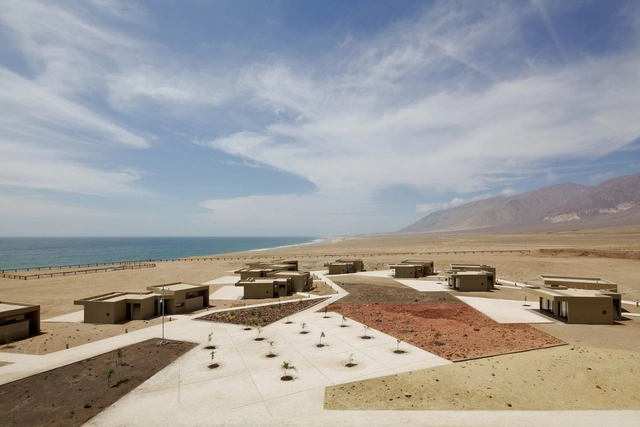
The desert is a landscape in constant transformation. Shaped by the wind, its dunes, ridges, and fissures emerge and fade in an ever-shifting expanse, as if the scenery itself were alive. It is a land of stark contrasts, where the scorching heat of the day gives way to the crisp coolness of the night, revealing nature in its most primal form. In such a dynamic and untamed environment, how can architecture not only integrate but also respect and engage with its surroundings? This is the challenge faced by hotels built within Latin America’s vast desert landscapes.

Comfort and Seclusion: 5 Hotels in the Deserts of Latin America - Image 1 of 4Comfort and Seclusion: 5 Hotels in the Deserts of Latin America - Image 2 of 4Comfort and Seclusion: 5 Hotels in the Deserts of Latin America - Image 3 of 4Comfort and Seclusion: 5 Hotels in the Deserts of Latin America - Image 4 of 4Comfort and Seclusion: 5 Hotels in the Deserts of Latin America - More Images+ 7

David Martínez Ramos of Práctica Arquitectura: Exploring a Timeless Architecture with Memory and Sensitivity

Subscriber Access | 

Recently selected to participate in the upcoming 2025 edition of the Latin American Architecture Biennial in Pamplona, Práctica Arquitectura has established itself as a young and promising firm in the region, specifically in Mexico. Their architectural work focuses on materializing projects that achieve a high level of sensitivity, both for those who inhabit them and for their immediate surroundings, whatever they may be. In close connection with landscapes and terrains, their projects come to life through a design that carefully considers materials, structures, and details, while ensuring a sensory and emotional experience in the spaces they create.

David Martínez Ramos of Práctica Arquitectura: Exploring a Timeless Architecture with Memory and Sensitivity - Image 1 of 4David Martínez Ramos of Práctica Arquitectura: Exploring a Timeless Architecture with Memory and Sensitivity - Image 2 of 4David Martínez Ramos of Práctica Arquitectura: Exploring a Timeless Architecture with Memory and Sensitivity - Image 3 of 4David Martínez Ramos of Práctica Arquitectura: Exploring a Timeless Architecture with Memory and Sensitivity - Image 4 of 4David Martínez Ramos of Práctica Arquitectura: Exploring a Timeless Architecture with Memory and Sensitivity - More Images+ 8

Luis Barragán's Cuadra San Cristóbal to Become a New Cultural Campus in Mexico

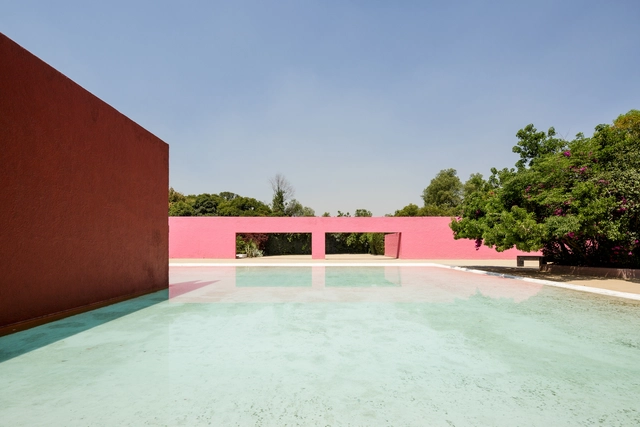
In October 2025, the Fernando Romero Foundation will officially open the doors of La Cuadra San Cristóbal, one of the late projects of Mexican architect and Pritzker Prize winner Luis Barragán. The goal is to transform the architectural complex into a cultural campus open to the public, with a curatorial program focused on exploring the dynamic interaction between architecture and art.

The project, known as Cuadra San Cristóbal, was built between 1966 and 1968 and includes a house, a stables building, and auxiliary facilities such as the Fuente de los Amantes (Fountain of the Lovers). The complex showcases characteristic elements of Barragán's Latin American modernism, including his use of color and the integration of shadows, textures, and sounds into the experience of space.

Luis Barragán's Cuadra San Cristóbal to Become a New Cultural Campus in Mexico - Image 1 of 4Luis Barragán's Cuadra San Cristóbal to Become a New Cultural Campus in Mexico - Image 2 of 4Luis Barragán's Cuadra San Cristóbal to Become a New Cultural Campus in Mexico - Image 3 of 4Luis Barragán's Cuadra San Cristóbal to Become a New Cultural Campus in Mexico - Image 4 of 4Luis Barragán's Cuadra San Cristóbal to Become a New Cultural Campus in Mexico - More Images+ 8

Capturing Serenity: 10 Beach Houses that Enhance the Caribbean Oceanfront Landscape

Subscriber Access | 

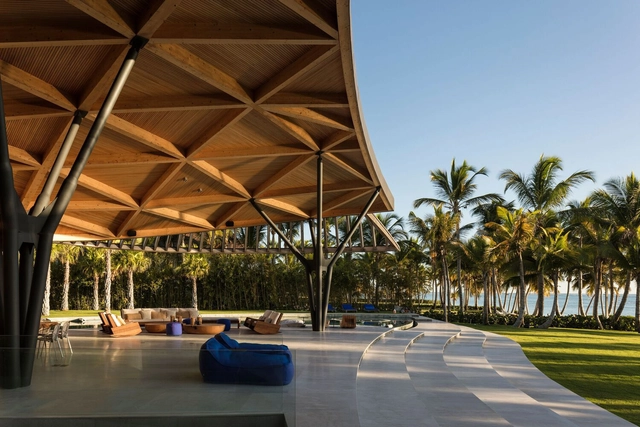
Beach houses along the Caribbean coast perfectly blend comfort, nature, and tranquility. With landscapes of white sands and crystal-clear waters, the Caribbean is home to some of the world’s most enchanting seaside retreats. Whether situated on popular islands like the Dominican Republic and Cozumel in Mexico or secluded spots like the untouched beaches of Costa Rica, these homes are designed to fully immerse guests in the lush natural surroundings, providing a uniquely serene experience.

Capturing Serenity: 10 Beach Houses that Enhance the Caribbean Oceanfront Landscape - Image 1 of 4Capturing Serenity: 10 Beach Houses that Enhance the Caribbean Oceanfront Landscape - Image 2 of 4Capturing Serenity: 10 Beach Houses that Enhance the Caribbean Oceanfront Landscape - Image 3 of 4Capturing Serenity: 10 Beach Houses that Enhance the Caribbean Oceanfront Landscape - Image 4 of 4Capturing Serenity: 10 Beach Houses that Enhance the Caribbean Oceanfront Landscape - More Images+ 20

“Architecture is a Work of Generosity:” In Dialogue with Colectivo C733, Winners of Obel Award 2024

Subscriber Access | 

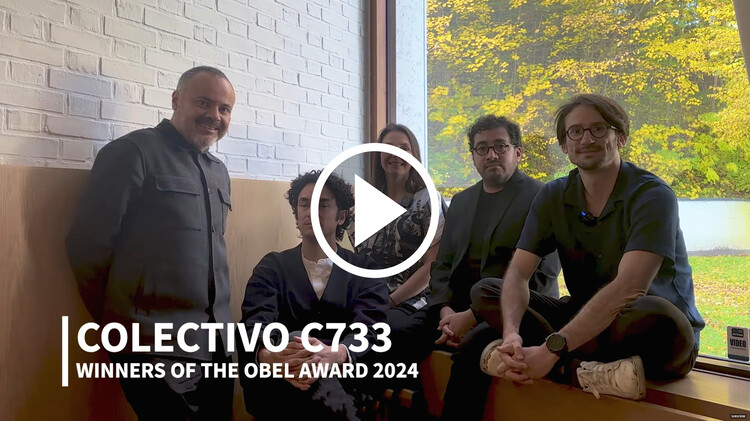
Recognized for completing 36 distinct yet cohesive public projects across Mexico in just 36 months, Colectivo C733 showcases the impact of collaborative design on public spaces and communities. The 36 projects were part of a national effort to revitalize vulnerable urban and rural areas in Mexico, earning them the 2024 Obel Award focused on the theme of "Architectures With". The team behind the designs, Colectivo C733, is a collaborative group formed by the joint offices of architects Gabriela Carrillo (Taller Gabriela Carrillo), Carlos Facio, and José Amozurrutia (TO), along with Eric Valdez (Labg), and Israel Espin. In a recent conversation with ArchDaily's Editor-in-Chief, Christele Harrouk, the collective discussed their approach to public architecture, the process of integrating diverse voices, and remaining flexible to the challenges of local conditions.

“Architecture is a Work of Generosity:” In Dialogue with Colectivo C733, Winners of Obel Award 2024 - Image 1 of 4“Architecture is a Work of Generosity:” In Dialogue with Colectivo C733, Winners of Obel Award 2024 - Image 2 of 4“Architecture is a Work of Generosity:” In Dialogue with Colectivo C733, Winners of Obel Award 2024 - Image 3 of 4“Architecture is a Work of Generosity:” In Dialogue with Colectivo C733, Winners of Obel Award 2024 - Image 4 of 4“Architecture is a Work of Generosity:” In Dialogue with Colectivo C733, Winners of Obel Award 2024 - More Images+ 11

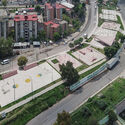
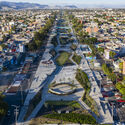
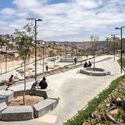
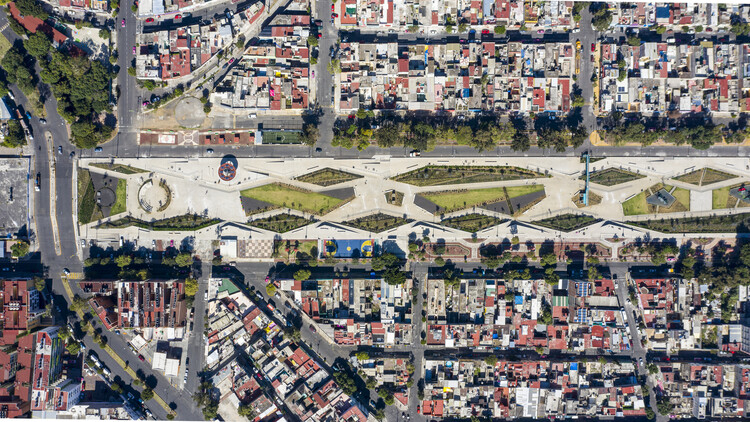
The 36x36 Project Series in Mexico by Colectivo C733 Receives the 2024 Obel Award

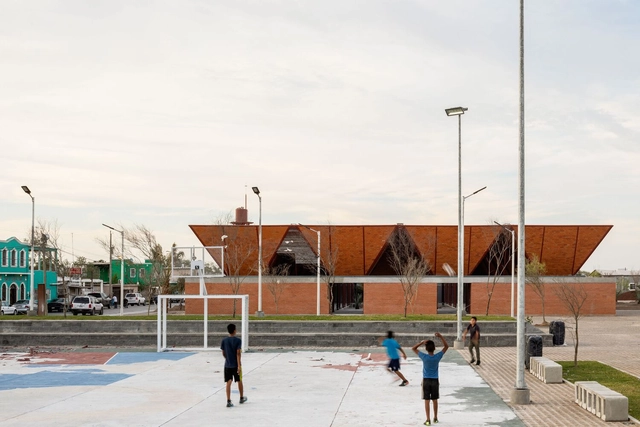
The 2024 Obel Award has been granted to Colectivo C733 for their unique achievement in completing 36 public projects across Mexico over a span of just 36 months. These projects have begun as part of a nationwide initiative led by Mexico's Secretariat for Agrarian, Land, and Urban Development (SEDATU). Collectively named the 36x36 projects, the varied interventions have successfully revitalized a wide range of vulnerable urban and rural areas through a collaborative and community-focused approach. This aligns with the Obel Award's 6th cycle overarching theme, "Architectures with," highlighting initiatives that positively impact both people and the planet.

The 36x36 Project Series in Mexico by Colectivo C733 Receives the 2024 Obel Award - Image 1 of 4The 36x36 Project Series in Mexico by Colectivo C733 Receives the 2024 Obel Award - Image 2 of 4The 36x36 Project Series in Mexico by Colectivo C733 Receives the 2024 Obel Award - Image 3 of 4The 36x36 Project Series in Mexico by Colectivo C733 Receives the 2024 Obel Award - Image 4 of 4The 36x36 Project Series in Mexico by Colectivo C733 Receives the 2024 Obel Award - More Images+ 46

An Architectural System for the Transformation of Public Space: Discover the Work of Colectivo C733 in Mexico

Subscriber Access | 

In 2019, the Secretariat of Urban Development hired the Faculty of Architecture at the National Autonomous University of Mexico to organize a competition to develop small-scale public works in vulnerable regions of northern Mexico. At that time, architects from the mentioned university—Gabriela Carrillo, Carlos Facio, José Amozurrutia, Eric Valdez, and Israel Espín—came together to participate in their proposal for this challenge. Believing in the importance of forming a team and understanding that architecture emerges from moments of collective discussion, exchange of ideas and positions, and sharing knowledge and experience, they formed the architectural collective C733.

An Architectural System for the Transformation of Public Space: Discover the Work of Colectivo C733 in Mexico - Image 1 of 4An Architectural System for the Transformation of Public Space: Discover the Work of Colectivo C733 in Mexico - Image 2 of 4An Architectural System for the Transformation of Public Space: Discover the Work of Colectivo C733 in Mexico - Image 3 of 4An Architectural System for the Transformation of Public Space: Discover the Work of Colectivo C733 in Mexico - Image 4 of 4An Architectural System for the Transformation of Public Space: Discover the Work of Colectivo C733 in Mexico - More Images+ 18

"Life Changes Every Second, But Architecture Never Changes": In Conversation with Tatiana Bilbao

Subscriber Access | 

These days, it is common to hear multiple voices addressing the diverse issues of contemporary architecture. The topics are numerous, ranging from sustainability and inclusion to social justice and the crisis in land use. At first glance, there is no common ground where all these concepts can coexist transversally. However, if we look back, we can see that beyond the formal architectural concepts, the true purpose of architecture (probably) lies in the people and the lives that develop within it.

Thus, many would argue that life is likely more important than architecture, which could open up a broad debate. What is certain is that currently, narratives and voices are emerging and consolidating, aimed at renewing architectural tools and languages. This transformation seeks to turn the built environment into a space that promotes a more equitable and optimistic future for all. One of these voices is that of Tatiana Bilbao, recognized for her process-centered approach where life and human interactions play a crucial role in defining habitats.

Cultural and Community Centers: 12 Examples in Mexico Connecting with their Environment

Subscriber Access | 

Cultural and Community Centers: 12 Examples in Mexico Connecting with their Environment - Image 1 of 4Cultural and Community Centers: 12 Examples in Mexico Connecting with their Environment - Image 2 of 4Cultural and Community Centers: 12 Examples in Mexico Connecting with their Environment - Image 3 of 4Cultural and Community Centers: 12 Examples in Mexico Connecting with their Environment - Image 4 of 4Cultural and Community Centers: 12 Examples in Mexico Connecting with their Environment - More Images+ 14

The architecture of cultural centers in Mexico has gained relevance in recent years. There has been a growing interest in providing spaces for recreation and education, transforming them into urban landmarks that attract visitors from all over the country year after year.

Architecture in Mexico: Projects that Highlight the Colima Territory

Subscriber Access | 

There are several reasons why Colima is a Mexican state of relevant cultural wealth, one of them is due to its climate and orography where beaches such as Manzanillo and the Colima volcano are sheltered, facilitating tourism in this region. Moreover, the rich pre-Hispanic history signed on archaeological sites such as "El Chanal", "La Campana" and "Meseta de la Hierbabuena", as well as some important haciendas (farms) such as the Hacienda de Nogueras, Hacienda del Carmen and Hacienda San Antonio.


Architecture in Mexico: Projects that Highlight the Colima Territory - Image 1 of 4Architecture in Mexico: Projects that Highlight the Colima Territory - Image 2 of 4Architecture in Mexico: Projects that Highlight the Colima Territory - Image 3 of 4Architecture in Mexico: Projects that Highlight the Colima Territory - Image 4 of 4Architecture in Mexico: Projects that Highlight the Colima Territory - More Images+ 8

Architecture in Mexico: Projects to Explore the Yucatán Territory Beyond Mérida

Subscriber Access | 

Yucatán is a state located in the southeastern part of Mexico on what is known as the Yucatán Peninsula, bordered by the Gulf of Mexico, Quintana Roo, and Campeche. Within this state, there are 4 magical towns: Izamal, Maní, Sisal, and Valladolid. The architecture of this region is a blend of indigenous, Hispanic, Mexican, French, Italian, and American influences.