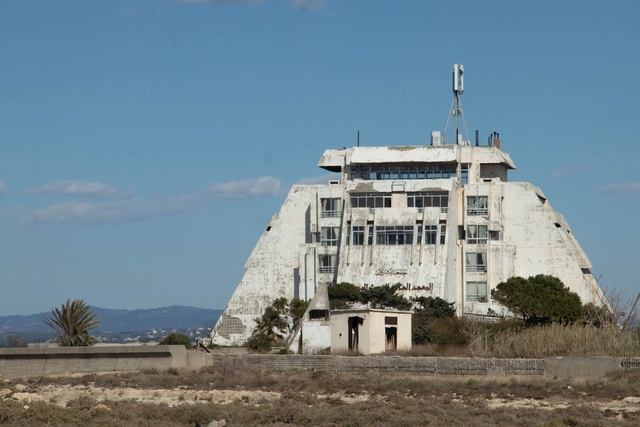
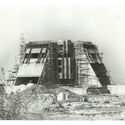
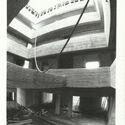
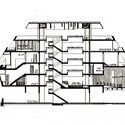
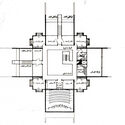
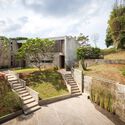
As Syria is emerging from over a decade of conflict at the time of writing, it is an opportunity to rediscover its architectural gems. Just to the north of the country's principal port city of Latakia is a Modernist creation that is the Center for Marine Research. Its pyramidal structure is situated on a prominent headland surrounded by sea on three sides. To the east is a bay with hotels and beaches while to the north and west is the open Mediterranean Sea reaching Turkey and Cyprus beyond. Despite its importance both as a research institution and as a piece of architecture, it lies abandoned and isolated today.
Living by the beach has long been a defining aspiration—drawn by the promise of tempered nature, privacy, and immediate access to the water. Historically, beach houses tended to be rustic and pared back: partly because servicing remote sites and delivering materials was difficult, and partly because their charm lay in being closer to the elements—simpler, rougher, more direct.
Accordingly, many early beach houses were built in timber. Wood offered clear advantages: it was lightweight, adaptable, quick to work with, and could be erected with minimal heavy machinery. While timber weathers and fares poorly in salt-laden humidity, exterior-grade lumber carries a raw, natural character that reinforced the appeal of the beach-house ideal.
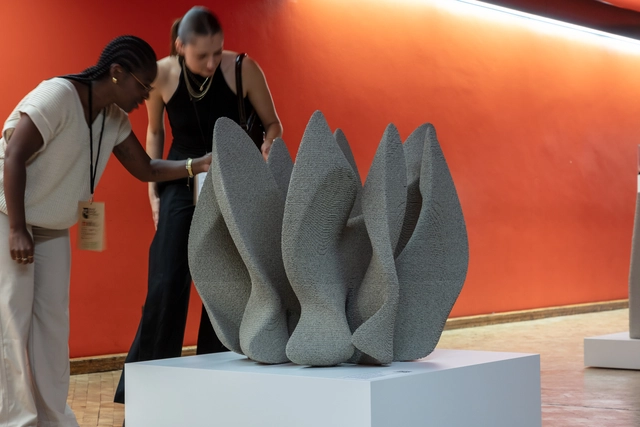
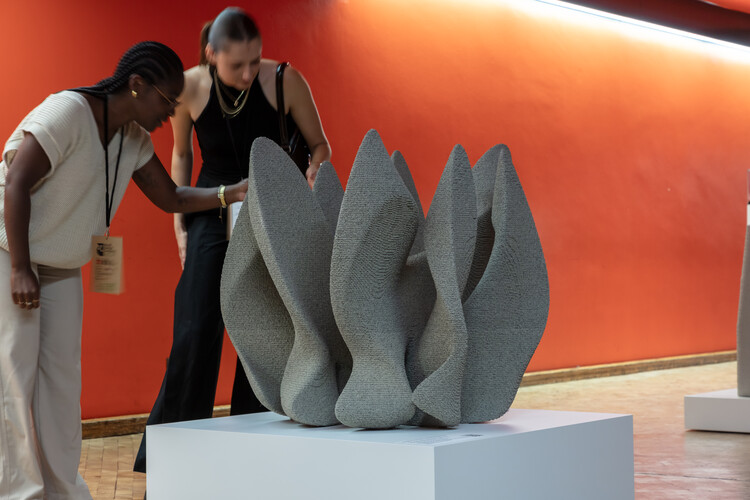
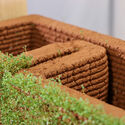
Zaha Hadid Architects' design for a digitally fabricated marine habitat in the North Lantau Marine Park conservation zone in Hong Kong was recently presented at the World Design Congress exhibition in London. The event took place at the Barbican Centre between September 9 and 10, one of the world's most recognized examples of Brutalist architecture. Its theme, "Design for Planet," called on designers and commissioners of design to take on their most critical brief to date: to design a regenerative future in the face of climate change and to examine design's role as a tool for environmental action. In this context, Zaha Hadid Architects presented Nereid, a digitally fabricated habitat developed with advanced 3D printing technologies by D-Shape, aimed at supporting the natural regeneration of marine ecosystems.
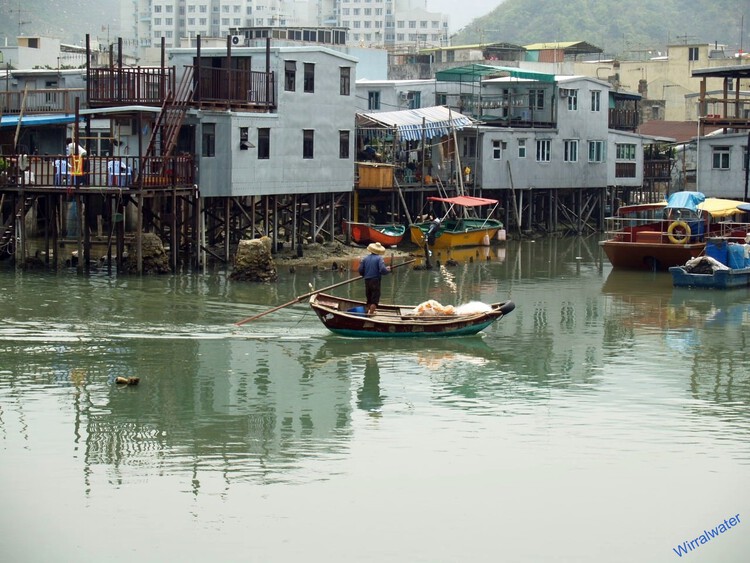
While Hong Kong is widely celebrated for its iconic harbor view, glittering skyline, and fast-paced urban lifestyle, its origins tell a different story—one deeply rooted in its relationship with water. Before transforming into a dense, vertical metropolis, Hong Kong's architectural identity was closely tied to its maritime context. Today, the city is often associated with slender, glass-clad towers that symbolize modernity. While visually striking in their pursuit of height and form, many of these buildings appear disconnected from their immediate environment, often overlooking natural site conditions, ecological responsiveness, and contextual sensitivity.
Historically, however, this was not the case. Hong Kong's earliest built environments—rural fishing villages in areas like Tai O, Aberdeen, and Shau Kei Wan—emerged through organic, community-driven spatial practices that engaged closely with their surroundings. These coastal and riverside settlements developed architectural systems tailored to the marine environment and to the rhythms of fishing life. Villages were sited around water, and construction strategies were adapted to fluctuating tides, terrain, and social use.
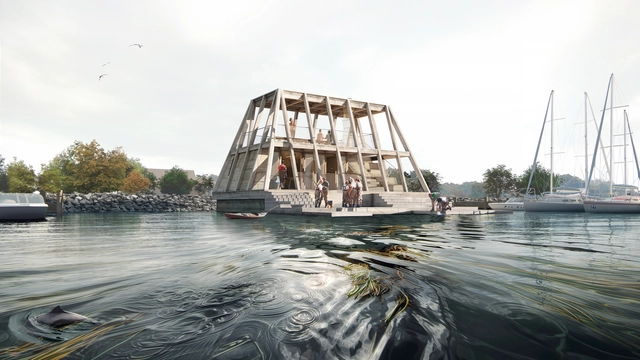
EFFEKT and MAST have just revealed SØMÆRKET, a new access point to NaturePark Lillebælt in Denmark. Serving as the gateway to one of Denmark’s most protected coastal landscapes, the Little Belt strait, the design aims to strengthen the connections between the cities of Middlefart, Holding, and Fredericia. Renowned for having the world’s highest concentration of harbor porpoises and a rich diversity of flora and fauna, the Little Belt Strait is a popular destination for divers across Europe.
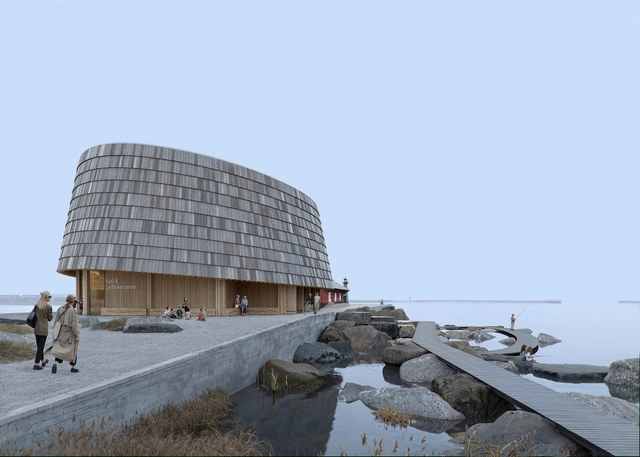
3XN GXN and landscape architect DETBLÅ have won the commissions for the design of a new Centre for Coastal Nature and Sport Fishing in Assens, Denmark. The proposal features a subtle oval structure to showcase local stories of the natural environment. The building aims to enhance public awareness and appreciation of the marine environment, reflecting a growing understanding of the need for better marine stewardship. It will also act as a hub for knowledge exchange about the impact of humans and climate change on the sea.
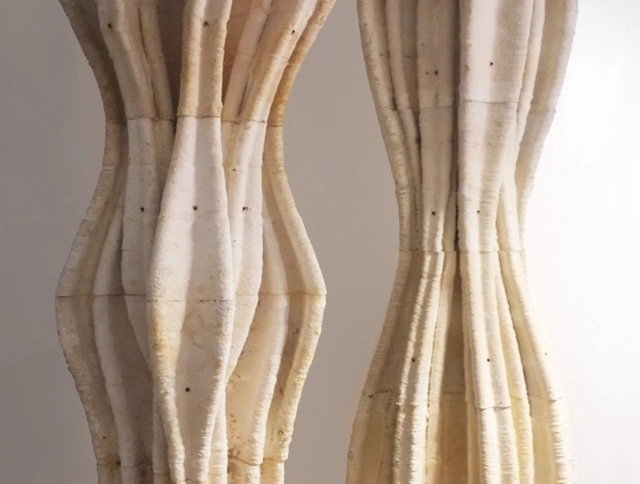
Opt Oog Column / Blast Studio. Image Courtesy of Blast Studio
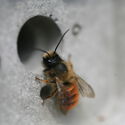
In architectural design, our interactions with non-human organisms have predominantly involved creating barriers to exclude them from the human realm. What if we were to adopt a different approach? Interspecies design is a movement that puts non-human organisms—fungi, insects, and various animals—on an equal footing with humans. This design philosophy provides frameworks that foster non-hierarchical relationships with other species. By doing so, it cultivates empathy for other life forms and shifts our perspective on the world around us. It aims not only for a net-zero approach but also seeks collaboration with non-human organisms to develop environments beneficial to all. Below, explore some emerging material technologies designed to benefit both humans and other life forms.
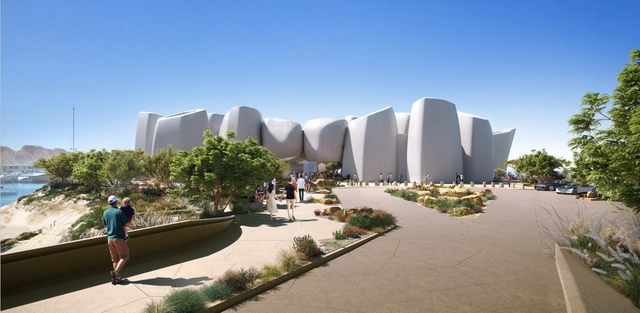
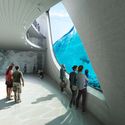
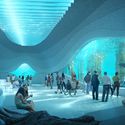
Foster + Partners has revealed the designs of the Marine Life Institute on Saudi Arabia's northwestern coast. As part of Triple Bay development AMAALA, a luxury tourist destination on the Red Sea coastline, the project will accommodate a research center, labs, galleries, and educational spaces to give visitors a glimpse into the wonders of the marine environment of the coastline. Reproducing the forms of coral formations, the building will be the world's first fully immersive marine institution where visitors can walk underwater, snorkel with rare species and experience a coral exhibit inside the building.
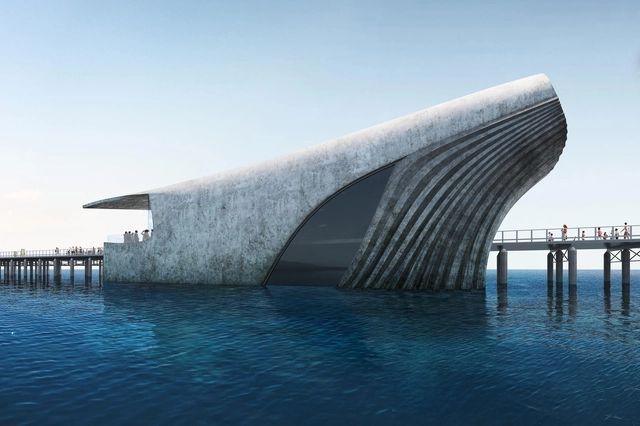
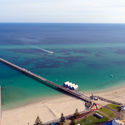
Baca Architects have set out to build the world's largest natural marine observatory in Australia. Taking the form a whale emerging from the water, the project will be built at the end of the Busselton Jetty. Baca was appointed by marine contractor Subcon as Lead Architects for the new project. Called the Australian Underwater Discovery Centre (AUDC), the design will include an underwater trail and dining experience.
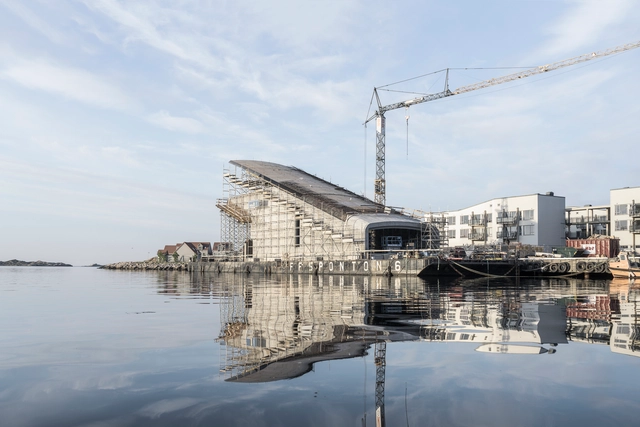
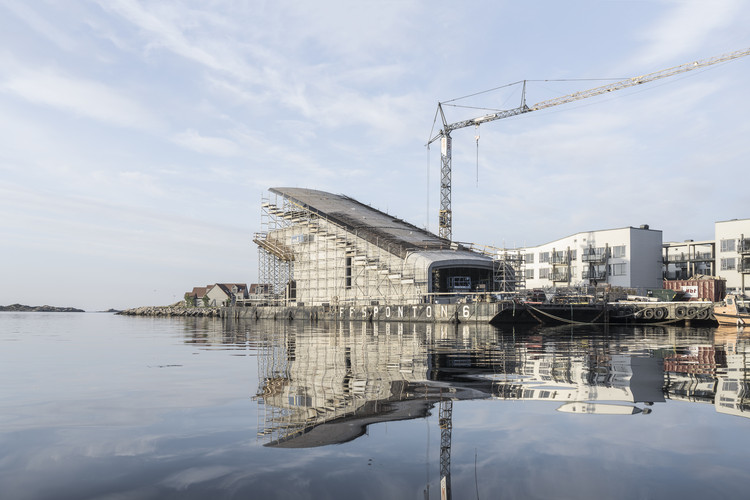
Aldo Amoretti has released new photographs as construction continues on Europe's first underwater restaurant in Norway, designed by Snøhetta. The structure is currently being built on a floating barge in close proximity to its final location. Upon completion, the scheme will also house a marine life research center, teetering over the edge of a rocky outcrop, semi-submerged in the ocean.
Built from concrete, the monolithic structure will come to rest on the seabed 16 feet (five meters) below the water's surface, fusing with the ecosystem of the concealed shoreline. Below the waterline, the restaurant’s enormous acrylic windows will frame a view of the seabed.
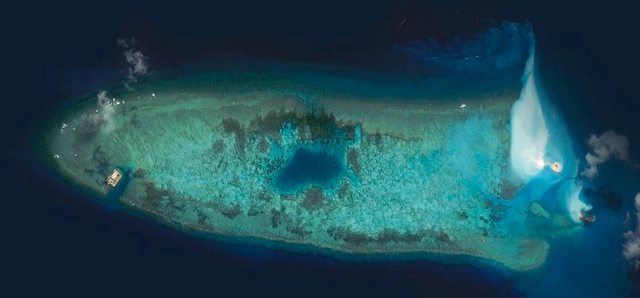
A reef in August 2014. Image Courtesy of DigitalGlobe, via the CSIS Asia Maritime Transparency Initiative, and CNES, via Airbus DS and IHS Jane’s (via The New York Times)
For a recent article in The New York Times, Derek Watkins examines "what China has been building in the South China Sea." Employing high resolution satellite imagery and diagrams, his article investigates why—and how—China have been dredging and dumping sand in a bid to construct inhabitable artificial islands. Political and diplomatic concerns aside, the article also touches upon the technical requirements necessary to reclaim land from the oceans.
In the third and final installment of their micro documentary series on architecture and water, Ellis Woodman and a team at the Architectural Review (AR) have collaborated with architects, developers, urbanists and thinkers to examine the latent connections between water infrastructure and our built environment. Taking a journey by narrowboat through London, the film explores the radical ideas which may offer the keys to unlocking the potential of the urban waterway. Through recreation, interaction and radical ideas such as floating parks, amphibious houses and new public wetlands can the river become a living part of the city?
In the second installment of their new three-part micro documentary series on architecture and water (see the first part here), Ellis Woodman and a team at the Architectural Review (AR) have collaborated with architects, developers, urbanists and thinkers to examine the latent connections between water infrastructure and our built environment. Taking a journey by narrowboat through London, the film explores the radical ideas which may offer the keys to unlocking the potential of the urban waterway. When London has an ever-increasing overwhelming need for growth, how does the densification and gentrification of the city relate to the rivers and canals?
In the first part of their new micro documentary series on architecture and water, Ellis Woodman and a team at the Architectural Review (AR) have collaborated with architects, developers, urbanists and thinkers to examine the latent connections between water infrastructure and our built environment. Taking a journey by narrowboat through London, discussing a raft of radical ideas which may offer the keys to unlocking the potential of the river along the way, the films discuss how we might begin to shape the contemporary city's relationship with its urban waterways. Can "floating parks, amphibious houses, floodable public squares, new wetlands or brand new canals foster a more meaningful relationship between the citizen and the city’s waters?"
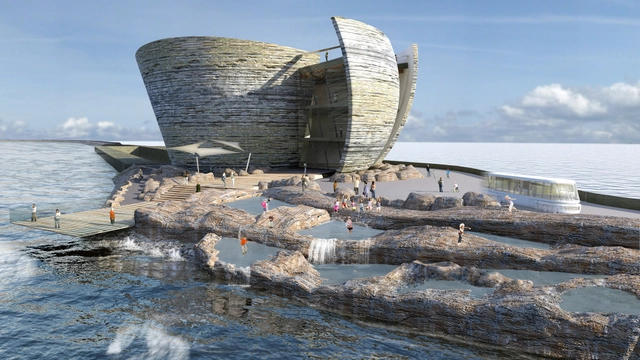
London based practice Juice Architects has unveiled designs for an offshore visitor centre as part of the proposed tidal lagoon for Swansea Bay, Wales. A series of overlapping shells are sculpted to form a bowl like structure, providing shelter from the wind and waves of the Welsh coast. Sat on a manmade island platform at the end of a collection of land piers, the building will act as a cultural and educational base housing public galleries, a café, a lecture theatre and exhibition space with working turbine propellors visible through the the ground floor gallery. As an entirely self sufficient building all energy will be captured from renewable sources.