1. ArchDaily
  2. MAD Architects

MAD Architects: The Latest Architecture and News

Milan Design Week 2026: Must-See Installations, Exhibitions, and Events

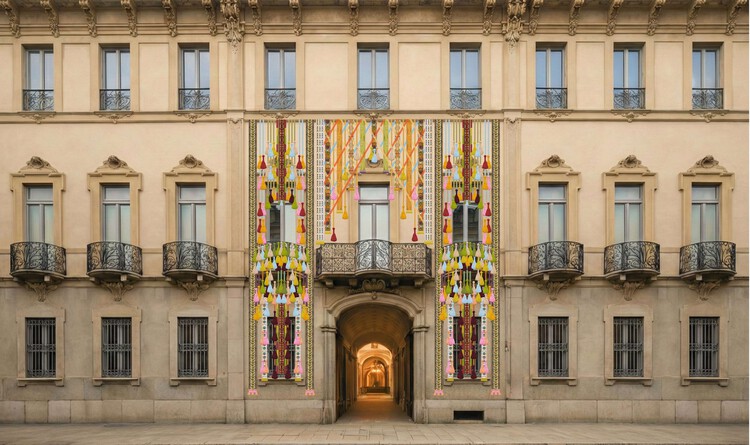
From April 20 to 26, Milan Design Week 2026 returns as a citywide platform where design operates as both a cultural practice and a form of exploration. Framed by the Fuorisalone theme "Be the Project," this year's edition shifts the focus from outcome to process, positioning design as a dynamic, human-centered act shaped by intuition, responsibility, and transformation. Installations and exhibitions across the city foreground making as an open-ended condition, one that embraces error, temporality, and experimentation as integral to creative production. Within this context, design becomes a space of exchange between disciplines, materials, and intelligences, reflecting broader conversations around sustainability, emerging technologies, and the evolving relationship between the physical and the digital.


Milan Design Week 2026: Must-See Installations, Exhibitions, and Events - Image 1 of 4Milan Design Week 2026: Must-See Installations, Exhibitions, and Events - Image 2 of 4Milan Design Week 2026: Must-See Installations, Exhibitions, and Events - Image 3 of 4Milan Design Week 2026: Must-See Installations, Exhibitions, and Events - Image 4 of 4Milan Design Week 2026: Must-See Installations, Exhibitions, and Events - More Images+ 14

14 Major Museum Projects Currently in Progress Around the World

Throughout 2025 and early 2026, numerous museum projects were announced, advanced, or broke ground across multiple regions, with completion timelines largely extending from 2026 to 2030. Located across Asia, Europe, North America, and Central Asia, these developments reflect ongoing shifts in the role of cultural institutions within contemporary cities. Increasingly, museums are conceived not only as exhibition venues but as public-facing environments that accommodate education, research, and civic engagement. This expanded programmatic scope is often accompanied by architectural strategies that respond to urban conditions, spatial continuity, and the integration of cultural infrastructure into broader city-making processes.

14 Major Museum Projects Currently in Progress Around the World - Image 1 of 414 Major Museum Projects Currently in Progress Around the World - Image 2 of 414 Major Museum Projects Currently in Progress Around the World - Image 3 of 414 Major Museum Projects Currently in Progress Around the World - Image 4 of 414 Major Museum Projects Currently in Progress Around the World - More Images+ 8

The 20 Most Anticipated Projects of 2026

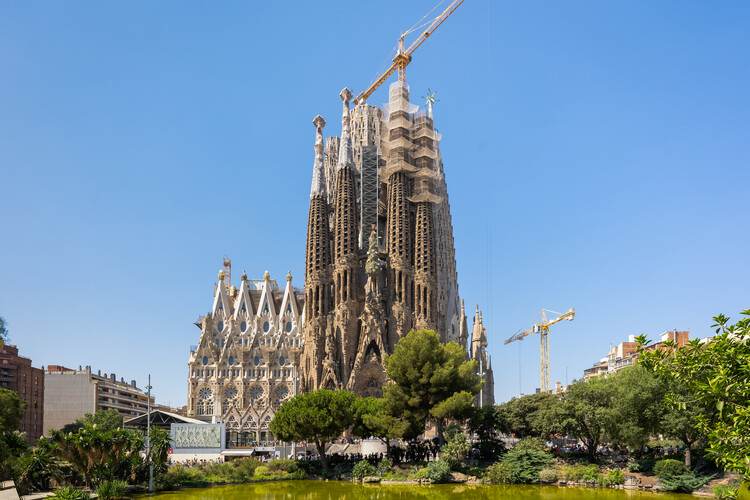
As 2025 concludes, we look ahead to 2026, a year scheduled to deliver a diverse range of significant architectural projects across the world. The year is particularly notable for the completion of new infrastructure and cultural buildings, including long-term projects. Europe will be in the spotlight of the new year with the Milano Cortina 2026 Winter Olympics. This event will feature projects such as the Olympic Village by SOM and the Winter Olympics Arena by David Chipperfield Architects. Also in Milan, BIG is set to complete construction of the City Wave project as part of a new business district in the city. At the same time, after more than 140 years of its establishment, the architects around the world will also be watching for the long-awaited completion of Antoni Gaudí's La Sagrada Familia in Barcelona, announced for 2026.

The 20 Most Anticipated Projects of 2026 - Image 2 of 4The 20 Most Anticipated Projects of 2026 - Image 8 of 4The 20 Most Anticipated Projects of 2026 - Image 10 of 4The 20 Most Anticipated Projects of 2026 - Image 11 of 4The 20 Most Anticipated Projects of 2026 - More Images+ 18

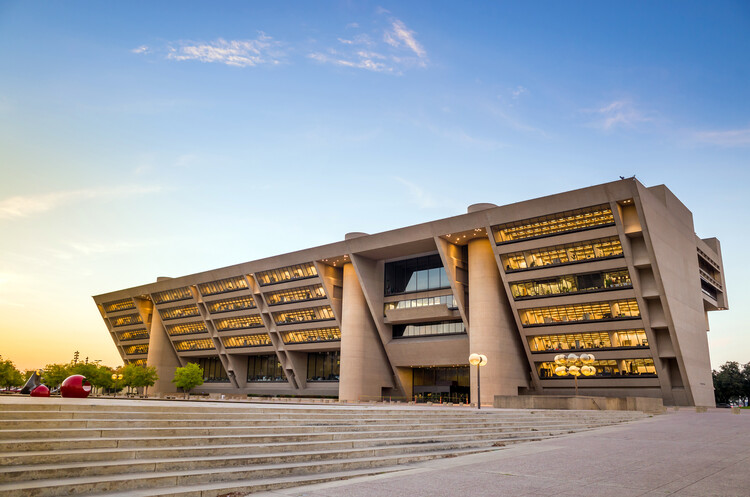
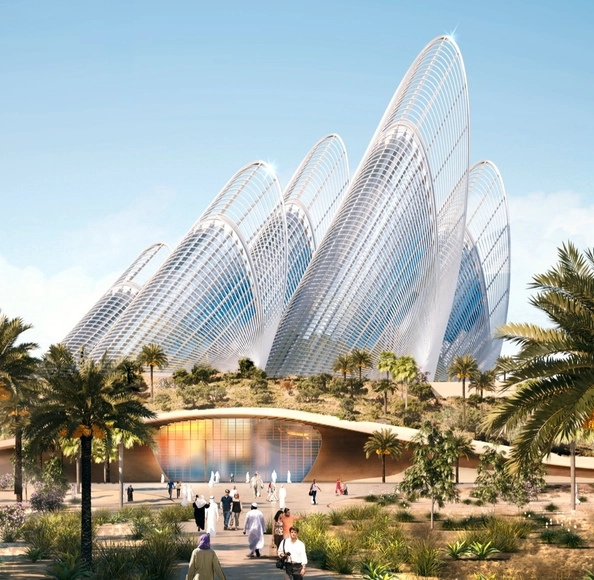
Dallas City Hall Debate and ZHA’s Symphony Tower in Dubai: This Week’s Review

Across cultural districts and civic centers, this week's architectural developments highlight how institutions and city governments are reshaping their futures amid shifting environmental, social, and economic pressures. New museum and opera projects signal ongoing commitments to expanding public cultural infrastructure, while the debate surrounding Dallas' modernist City Hall illustrates the tensions that arise when questions of heritage meet rising maintenance demands and redevelopment pressures. At the same time, municipalities are advancing new regulatory tools to confront climate challenges, from electrification standards in Sydney and Boston to mobility restrictions and emerging forms of urban diplomacy. These developments reflect an increasingly complex landscape in which architectural environments evolve through a combination of cultural ambition, environmental targets, and shifting models of public decision-making.

Dallas City Hall Debate and ZHA’s Symphony Tower in Dubai: This Week’s Review - Image 1 of 4Dallas City Hall Debate and ZHA’s Symphony Tower in Dubai: This Week’s Review - Image 2 of 4Dallas City Hall Debate and ZHA’s Symphony Tower in Dubai: This Week’s Review - Image 3 of 4Dallas City Hall Debate and ZHA’s Symphony Tower in Dubai: This Week’s Review - Image 4 of 4Dallas City Hall Debate and ZHA’s Symphony Tower in Dubai: This Week’s Review - More Images+ 3

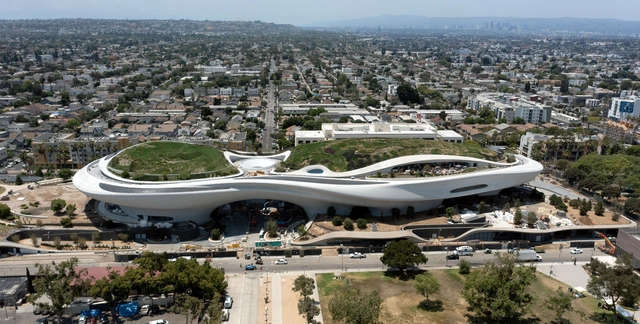
Lucas Museum of Narrative Art by MAD Architects Set to Open September 2026 in Los Angeles

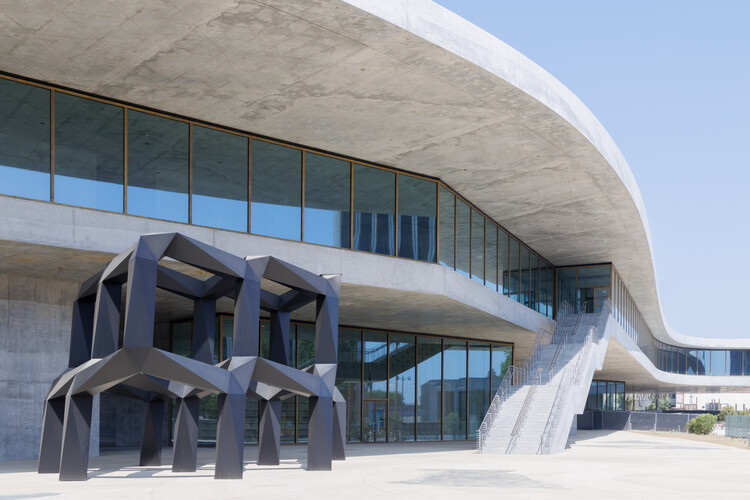
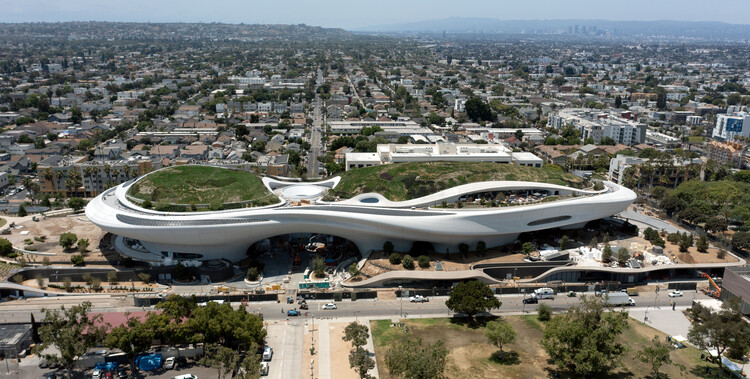
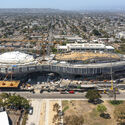
The Lucas Museum of Narrative Art has announced that it will open to the public on September 22, 2026, adding a new cultural institution to Los Angeles's Exposition Park. Founded by George Lucas and Mellody Hobson, the museum is dedicated to illustrated and narrative storytelling, understood as visual works that communicate stories across media and periods. The building is designed by Ma Yansong of MAD Architects, with landscape architecture by Mia Lehrer of Studio-MLA and Stantec serving as executive architect.

Lucas Museum of Narrative Art by MAD Architects Set to Open September 2026 in Los Angeles - Image 1 of 4Lucas Museum of Narrative Art by MAD Architects Set to Open September 2026 in Los Angeles - Image 2 of 4Lucas Museum of Narrative Art by MAD Architects Set to Open September 2026 in Los Angeles - Image 3 of 4Lucas Museum of Narrative Art by MAD Architects Set to Open September 2026 in Los Angeles - Image 4 of 4Lucas Museum of Narrative Art by MAD Architects Set to Open September 2026 in Los Angeles - More Images+ 11

One Month Until Closing: 10 Must-See National Pavilions at the 2025 Venice Architecture Biennale

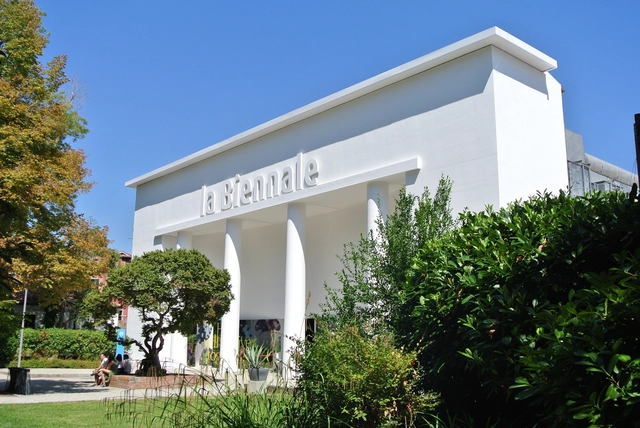
As the 19th International Architecture Exhibition enters its final month before closing on November 23, the 2025 Venice Architecture Biennale continues to reaffirm its position as one of the most influential global platforms for contemporary architectural discourse. Opened to the public on May 10 under the curatorship of Italian architect Carlo Ratti, this edition, titled "Intelligens. Natural. Artificial. Collective." brings together over 750 participants across 65 national pavilions, 11 collateral events, and numerous parallel initiatives throughout the city. Structured around the themes of Natural, Artificial, and Collective Intelligence, the Biennale examines how architecture can respond to the intertwined challenges of climate adaptation, technological transformation, and social collaboration.



One Month Until Closing: 10 Must-See National Pavilions at the 2025 Venice Architecture Biennale - Image 1 of 4One Month Until Closing: 10 Must-See National Pavilions at the 2025 Venice Architecture Biennale - Image 2 of 4One Month Until Closing: 10 Must-See National Pavilions at the 2025 Venice Architecture Biennale - Image 3 of 4One Month Until Closing: 10 Must-See National Pavilions at the 2025 Venice Architecture Biennale - Image 4 of 4One Month Until Closing: 10 Must-See National Pavilions at the 2025 Venice Architecture Biennale - More Images+ 6

MAD Architects Presents “Breathing Cells” at the 2025 Seoul Biennale

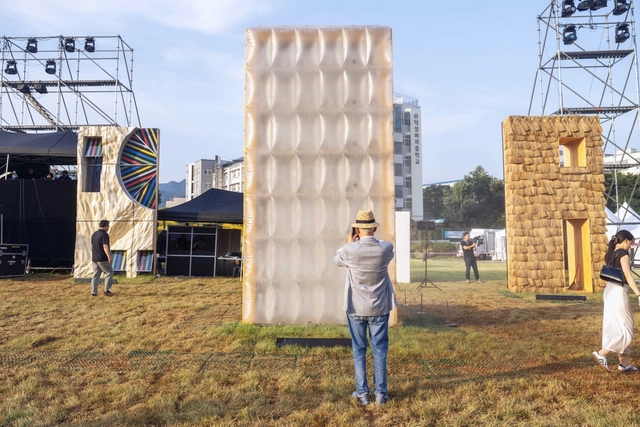
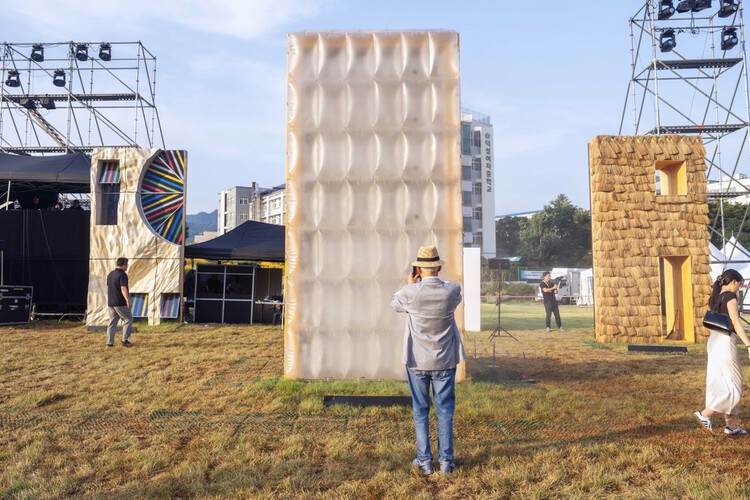
"Breathing Cells," an installation by MAD Architects, is currently on view at Songhyeon Green Plaza in Seoul as part of the 5th Seoul Biennale of Architecture and Urbanism. Invited by Biennale Director Thomas Heatherwick, the installation opened on September 26, 2025, and will remain on display until November 18. Responding to the curatorial theme "Radically More Human," the work presents an alternative vision for future urban environments, one where architecture behaves more like a living organism than a static object.

MAD Architects Presents “Breathing Cells” at the 2025 Seoul Biennale - Image 1 of 4MAD Architects Presents “Breathing Cells” at the 2025 Seoul Biennale - Image 2 of 4MAD Architects Presents “Breathing Cells” at the 2025 Seoul Biennale - Image 3 of 4MAD Architects Presents “Breathing Cells” at the 2025 Seoul Biennale - Image 4 of 4MAD Architects Presents “Breathing Cells” at the 2025 Seoul Biennale - More Images+ 6

The Built Environment as a Third Teacher: Architectural Play in Japanese and Chinese Kindergartens

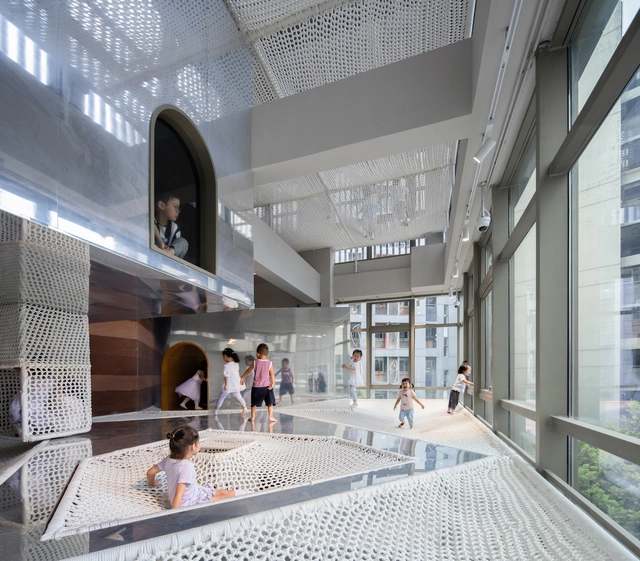
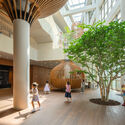
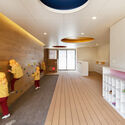
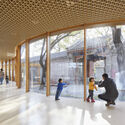
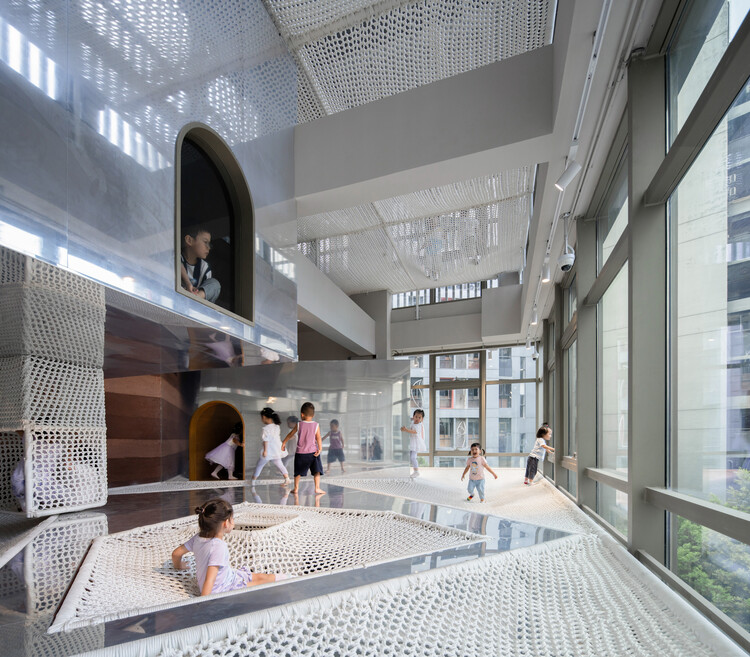
In contemporary Japanese and Chinese kindergarten design, architects are transforming the interior spaces from a simple container into an active, multi-sensory environment. This shift seems to follow Studies in developmental psychology that suggest that a child's experience of space begins with a sensorimotor engagement through touch and manipulation. Thus, they place a strong emphasis on the use of materials and the approach of learning through play. Architects seem to be moving beyond traditional classrooms, into environments that are tactile, stimulating, and rooted in their specific contexts. The buildings themselves become tools for education, encouraging children to learn and explore through direct physical engagement.

The Built Environment as a Third Teacher: Architectural Play in Japanese and Chinese Kindergartens - Image 1 of 4The Built Environment as a Third Teacher: Architectural Play in Japanese and Chinese Kindergartens - Image 2 of 4The Built Environment as a Third Teacher: Architectural Play in Japanese and Chinese Kindergartens - Image 3 of 4The Built Environment as a Third Teacher: Architectural Play in Japanese and Chinese Kindergartens - Image 4 of 4The Built Environment as a Third Teacher: Architectural Play in Japanese and Chinese Kindergartens - More Images+ 6

From Martian Hydrospheres to Forest-Like Cities: 6 Radical Urban Visions Unveiled at the Venice 2025 Architecture Biennale

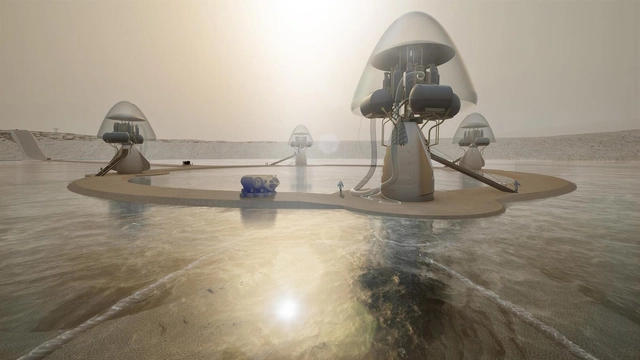
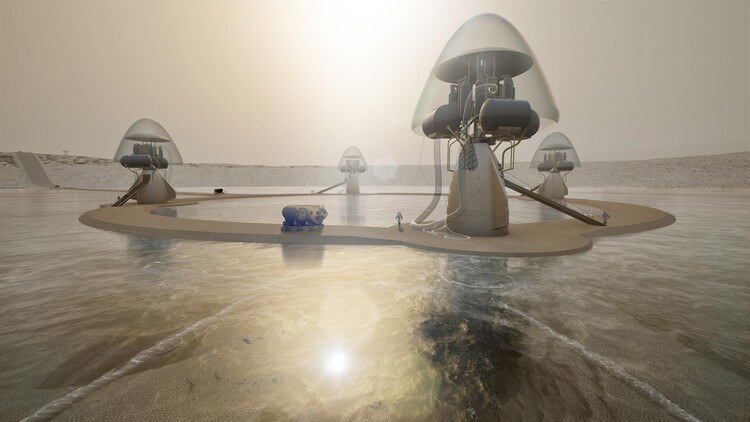
Cities today are being reimagined as living, evolving organisms, combining digital intelligence, ecological systems, and new materials to shape radical futures. At Carlo Ratti's "Intelligens. Natural. Artificial. Collective." biennial, over 750 participants challenge established boundaries between architecture, landscape, and technology. Several conceptual projects showcased in the main exhibition challenge conventional boundaries between architecture, landscape, and technology. From bio-adaptive urban systems and Martian water-based settlements to immersive symphonies of satellite data, these works collectively envision new models for cohabitation, resilience, and planetary awareness.

This month's Unbuilt selection presents six speculative projects, presented as part of the 2025 Venice Architecture Biennale exhibition, as provocations for rethinking the future of cities and human settlement. While some proposals transform architecture into self-sustaining, living infrastructures, others explore how data and sensory interfaces can redefine our relationship with natural and urban environments. Together, they offer a cross-section of how architects and designers are using unbuilt work to imagine new possibilities for life on Earth and beyond.

From Martian Hydrospheres to Forest-Like Cities: 6 Radical Urban Visions Unveiled at the Venice 2025 Architecture Biennale - Image 1 of 4From Martian Hydrospheres to Forest-Like Cities: 6 Radical Urban Visions Unveiled at the Venice 2025 Architecture Biennale - Image 2 of 4From Martian Hydrospheres to Forest-Like Cities: 6 Radical Urban Visions Unveiled at the Venice 2025 Architecture Biennale - Image 3 of 4From Martian Hydrospheres to Forest-Like Cities: 6 Radical Urban Visions Unveiled at the Venice 2025 Architecture Biennale - Featured ImageFrom Martian Hydrospheres to Forest-Like Cities: 6 Radical Urban Visions Unveiled at the Venice 2025 Architecture Biennale - More Images+ 21

“It’s All About Human, Nature, and Emotion”: In Conversation With Ma Yansong, Curator of the Chinese Pavilion

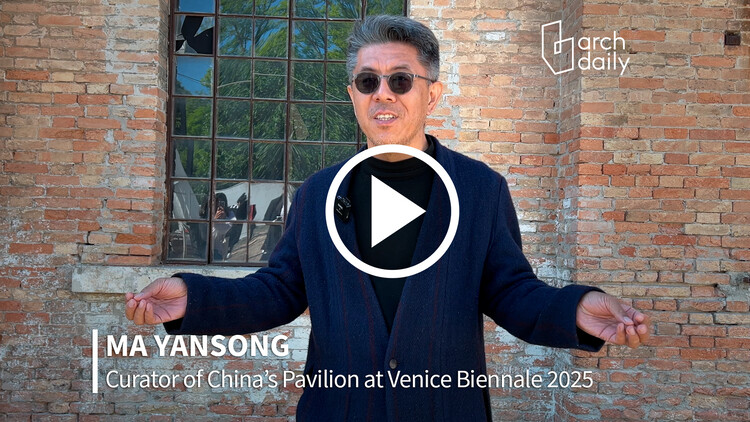
At the 19th Venice Architecture Biennale, the Chinese Pavilion presents Coexist, an exhibition curated by Ma Yansong, founder of MAD Architects. The pavilion assembles ten interdisciplinary teams, spanning architects, scholars, students, scientists, and even social media participants, to collectively investigate the potential of architecture to reconcile contradictions between tradition and futurity, artificial and nature, technology and emotion. Rather than presenting a singular vision, Coexist aims to open space for responses to the diverse realities shaping contemporary architecture. While on site in Venice, ArchDaily's editors had the opportunity to discuss the ideas that shaped the Chinese Pavilion with the curator.

“It’s All About Human, Nature, and Emotion”: In Conversation With Ma Yansong, Curator of the Chinese Pavilion - Image 1 of 4“It’s All About Human, Nature, and Emotion”: In Conversation With Ma Yansong, Curator of the Chinese Pavilion - Image 2 of 4“It’s All About Human, Nature, and Emotion”: In Conversation With Ma Yansong, Curator of the Chinese Pavilion - Image 3 of 4“It’s All About Human, Nature, and Emotion”: In Conversation With Ma Yansong, Curator of the Chinese Pavilion - Image 4 of 4“It’s All About Human, Nature, and Emotion”: In Conversation With Ma Yansong, Curator of the Chinese Pavilion - More Images

“Ma Yansong: Architecture and Emotion” Exhibition Opens at the Nieuwe Instituut in Rotterdam

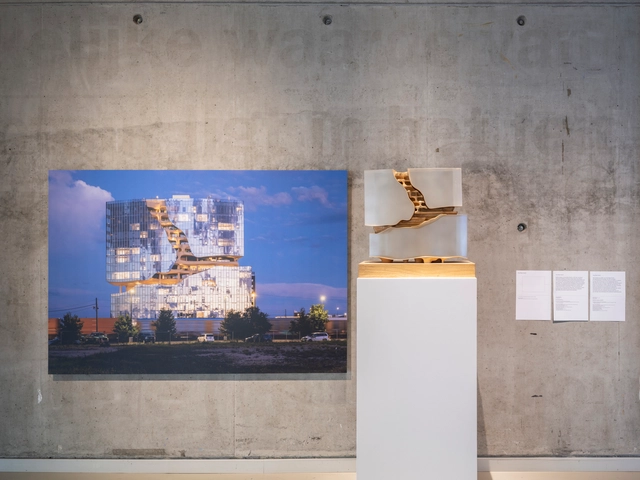
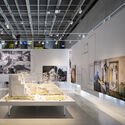
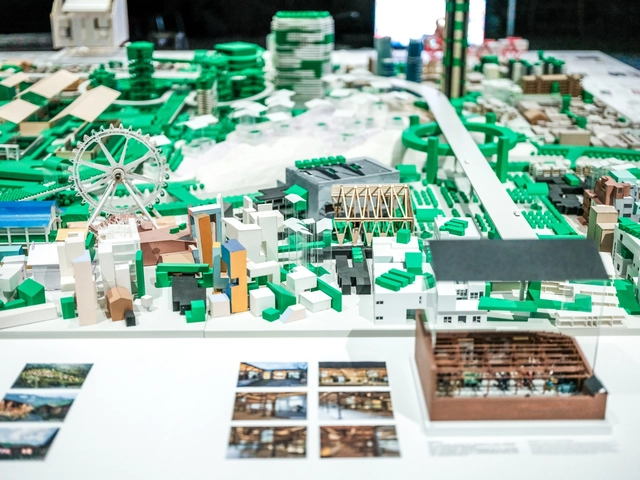
The exhibition "Ma Yansong: Architecture and Emotion," presenting the work of Chinese architect Ma Yansong and his globally recognized practice MAD Architects, has opened at the Nieuwe Instituut in Rotterdam, the Netherlands' national museum for architecture, design, and digital culture. Featuring a selection of projects from MAD's international portfolio, the exhibition explores how the studio challenges conventional architectural paradigms through forms influenced by nature and guided by sensorial experience. The exhibition will be on view until 12 October, and on Thursday 26 June, Ma Yansong will be the guest of honour at the Nieuwe Instituut for "An Evening With...", a public program where he will discuss his design philosophy with Aric Chen.

“Ma Yansong: Architecture and Emotion” Exhibition Opens at the Nieuwe Instituut in Rotterdam - Image 1 of 4“Ma Yansong: Architecture and Emotion” Exhibition Opens at the Nieuwe Instituut in Rotterdam - Image 2 of 4“Ma Yansong: Architecture and Emotion” Exhibition Opens at the Nieuwe Instituut in Rotterdam - Image 3 of 4“Ma Yansong: Architecture and Emotion” Exhibition Opens at the Nieuwe Instituut in Rotterdam - Image 4 of 4“Ma Yansong: Architecture and Emotion” Exhibition Opens at the Nieuwe Instituut in Rotterdam - More Images+ 16

Ma Yansong Curates China’s Pavilion at the Venice Architecture Biennale 2025, Exploring Coexistence Through Nature and Technology

The Pavilion of China at the 19th International Architecture Exhibition - La Biennale di Venezia presents the exhibition CO-EXIST, curated by Ma Yansong, founder of MAD Architects, and organized by the Ministry of Culture and Tourism of the People's Republic of China at the Arsenale. Through ten works by twelve interdisciplinary groups, the pavilion examines how traditional Chinese philosophical thought can inform architectural responses in the age of advanced technology and artificial intelligence.

Ma Yansong Curates China’s Pavilion at the Venice Architecture Biennale 2025, Exploring Coexistence Through Nature and Technology - Image 1 of 4Ma Yansong Curates China’s Pavilion at the Venice Architecture Biennale 2025, Exploring Coexistence Through Nature and Technology - Image 2 of 4Ma Yansong Curates China’s Pavilion at the Venice Architecture Biennale 2025, Exploring Coexistence Through Nature and Technology - Image 3 of 4Ma Yansong Curates China’s Pavilion at the Venice Architecture Biennale 2025, Exploring Coexistence Through Nature and Technology - Image 4 of 4Ma Yansong Curates China’s Pavilion at the Venice Architecture Biennale 2025, Exploring Coexistence Through Nature and Technology - More Images+ 29

MAD Architects’ Fenix Museum of Migration Opens in Rotterdam’s City Harbor

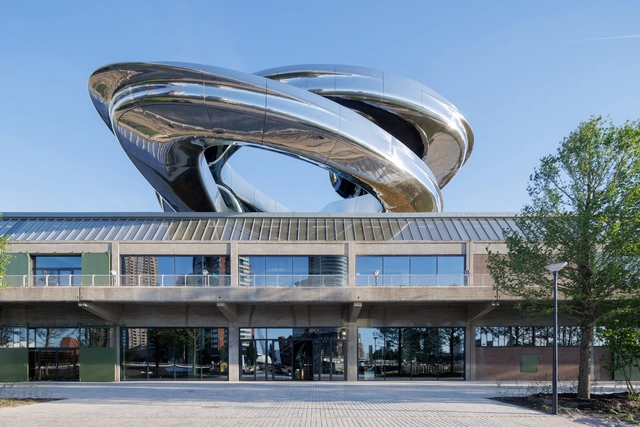
Fenix is a new museum in Rotterdam's City Harbour, dedicated to the collection of historic and contemporary objects that explore migration through art. It is located on the Katendrecht peninsula on the south bank of the River Maas, in a 100-year-old former warehouse recently renovated by MAD Architects and Bureau Polderman. This marks MAD Architects' first commission for a public cultural building in Europe. Recently completed, the building is set to open this Friday, May 16, showcasing three exhibitions: All Directions, featuring over 150 artworks and objects from the Fenix collections; The Family of Migrants, a photographic exhibition by Edward Steichen; and The Suitcase Labyrinth, an interactive installation made up of 2,000 donated suitcases.

MAD Architects’ Fenix Museum of Migration Opens in Rotterdam’s City Harbor - Image 1 of 4MAD Architects’ Fenix Museum of Migration Opens in Rotterdam’s City Harbor - Image 2 of 4MAD Architects’ Fenix Museum of Migration Opens in Rotterdam’s City Harbor - Image 3 of 4MAD Architects’ Fenix Museum of Migration Opens in Rotterdam’s City Harbor - Image 4 of 4MAD Architects’ Fenix Museum of Migration Opens in Rotterdam’s City Harbor - More Images+ 11

Playful Pedagogy: 4 Projects Using Topography to Redefine Children's Learning Environments in China

Subscriber Access | 

Educational architecture globally is undergoing a significant transformation, moving away from static, rigid designs toward more dynamic, interactive, and nature-driven environments. As cities become denser and land availability diminishes, architects are reimagining schools not just as places for learning but as ecosystems where children can grow holistically. A key element in this shift is the integration of landscape and topographical design, which allows schools to transcend traditional boundaries, combining education with play, exploration, and connection to nature. These designs aim to create engaging spaces that challenge children to interact with their environment physically and emotionally, fostering creativity, independence, and well-being. By layering natural elements such as mounds, gardens, terraces, and play structures into architectural plans, educational spaces are being reshaped into vibrant, multi-dimensional landscapes that encourage movement, imagination, and discovery.

Playful Pedagogy: 4 Projects Using Topography to Redefine Children's Learning Environments in China - Image 1 of 4Playful Pedagogy: 4 Projects Using Topography to Redefine Children's Learning Environments in China - Image 2 of 4Playful Pedagogy: 4 Projects Using Topography to Redefine Children's Learning Environments in China - Image 3 of 4Playful Pedagogy: 4 Projects Using Topography to Redefine Children's Learning Environments in China - Image 4 of 4Playful Pedagogy: 4 Projects Using Topography to Redefine Children's Learning Environments in China - More Images+ 5

ArchDaily's Best Architectural Projects of 2024

Throughout the year, ArchDaily's team of curators works on expanding and populating our project library. Located all around the world, each curator carefully considers the best works emanating from their respective regions in an effort to have a diverse representation of the most inspiring and innovative built works. The team looks to new rising practices, new technologies, and the vernacular revival of traditional construction techniques. Seeking socially driven initiatives, as well as major works by renowned architects, the overall offers a holistic view of the built world today and is relayed through the yearly project review.

ArchDaily's Best Architectural Projects of 2024 - Image 1 of 4ArchDaily's Best Architectural Projects of 2024 - Image 2 of 4ArchDaily's Best Architectural Projects of 2024 - Image 3 of 4ArchDaily's Best Architectural Projects of 2024 - Image 4 of 4ArchDaily's Best Architectural Projects of 2024 - More Images+ 96

The 25 Most Anticipated Projects of 2025

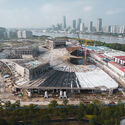
As 2024 comes to an end, the architectural world looks ahead to 2025, a year set to unveil transformative projects across the globe. From cultural landmarks in Asia, such as Sou Fujimoto's "Grand Ring" for Expo 2025 Osaka and MAD Architects' Hainan Science Museum in China, to dynamic urban developments like OMA's Harajuku Quest in Tokyo and David Chipperfield's Elbtower in Hamburg, these projects reflect a commitment to innovation, sustainability, and preserving cultural heritage.

In North America, Studio Gang's Shirley Chisholm Recreation Center in Brooklyn and the Lucas Museum of Narrative Art in Los Angeles highlight architecture's role in fostering community connections. Meanwhile, Europe anticipates Shigeru Ban's hybrid residential tower in Antwerp and Kengo Kuma's Visitor Center at Albania's Butrint National Park, showcasing the intersection of contemporary design and local context. As these projects take shape, they offer a glimpse into architecture's power to redefine spaces and inspire communities.

The 25 Most Anticipated Projects of 2025 - Image 1 of 4The 25 Most Anticipated Projects of 2025 - Image 2 of 4The 25 Most Anticipated Projects of 2025 - Image 3 of 4The 25 Most Anticipated Projects of 2025 - Image 4 of 4The 25 Most Anticipated Projects of 2025 - More Images+ 21

Beijing Architecture City Guide: 28 Projects to Understand Contemporary Architecture in a 3,000-Year-Old City

Subscriber Access | 

Beijing, as the cultural and political center of China, embodies a rich architectural language that bridges history and modernity, tradition and innovation, showcasing the city's profound depth and diversity. From monumental landmarks like CITIC Tower and Daxing International Airport to the hidden courtyard renovations nestled within the city's historic hutongs; from the dramatic revitalization of the Shougang industrial site to the refined transformations of Baiziwan and Baitasi, Beijing's architectural achievements continue to captivate and inspire. Every space tells a unique story of the city, blending heritage with contemporary vibrancy.

In this city, memories are preserved, and vitality thrives. Let us step into Beijing, rediscovering the "new Beijing" within the "old Beijing" through the lens of its architecture, and experience the depth of time and the pulse of the city in its dynamic spaces.

Beijing Architecture City Guide: 28 Projects to Understand Contemporary Architecture in a 3,000-Year-Old City - Image 10 of 4Beijing Architecture City Guide: 28 Projects to Understand Contemporary Architecture in a 3,000-Year-Old City - Image 11 of 4Beijing Architecture City Guide: 28 Projects to Understand Contemporary Architecture in a 3,000-Year-Old City - Image 12 of 4Beijing Architecture City Guide: 28 Projects to Understand Contemporary Architecture in a 3,000-Year-Old City - Image 17 of 4Beijing Architecture City Guide: 28 Projects to Understand Contemporary Architecture in a 3,000-Year-Old City - More Images+ 25

Architectural Glass 101: Transparent Trends in 2024

In the 21st century, Glass has become a cornerstone material for architecture. Once limited to apertures and openings, Glass now dominates entire facades, especially in high-rise buildings where transparent cladding material is preferred to maximize views. The technological advancements in Glass have been remarkable, transitioning from single-pane panels, such as those used in Bauhaus' iron window frames, to today's triple-pane systems with specialized gas infills, such as argon, designed to address Glass's long-standing thermal limitations.

Architectural Glass 101: Transparent Trends in 2024 - Image 1 of 4Architectural Glass 101: Transparent Trends in 2024 - Image 2 of 4Architectural Glass 101: Transparent Trends in 2024 - Image 3 of 4Architectural Glass 101: Transparent Trends in 2024 - Image 4 of 4Architectural Glass 101: Transparent Trends in 2024 - More Images+ 11