1. ArchDaily
  2. Machine Learning

Machine Learning: The Latest Architecture and News

Compute Isn’t Weightless: AI Infrastructure and the Architecture of the City

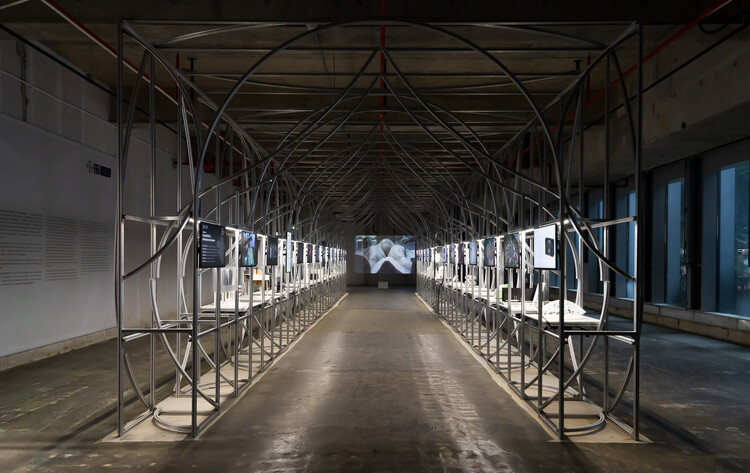
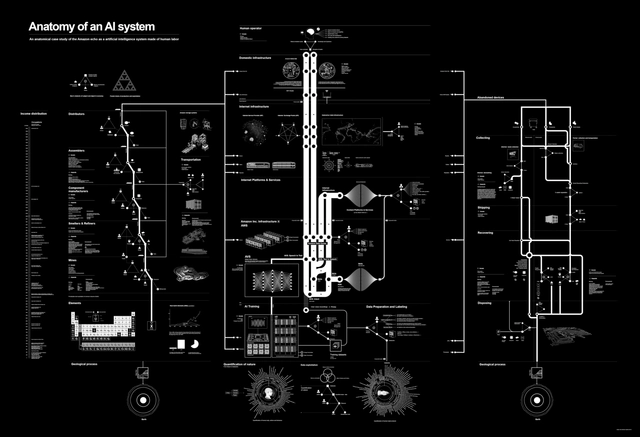
As artificial intelligence continues to disrupt sectors of the economy and reshape entire industries, institutions and individuals alike are bracing—and rapidly adapting—to the changes that machines seem to hold over our heads. Yet the more precise pressure is not simply AI altering the way people work and live, but the business models and investment logics of the companies developing these systems: the concentration of capital, the new requirements for compute, the race for compartmentalized talent, and the infrastructural footprint needed to sustain it. In the Greater Bay Area—anchored by Guangzhou, Shenzhen, and Hong Kong—this dynamic is especially pronounced. Government-led initiatives are actively accelerating the industry's growth, with policy and planning mechanisms beginning to translate an ostensibly intangible field into physical form: zoning updates, earmarked land, and the emergence of AI-oriented building types, from research laboratories to large-scale data centers.


Compute Isn’t Weightless: AI Infrastructure and the Architecture of the City - Image 1 of 4Compute Isn’t Weightless: AI Infrastructure and the Architecture of the City - Image 2 of 4Compute Isn’t Weightless: AI Infrastructure and the Architecture of the City - Image 3 of 4Compute Isn’t Weightless: AI Infrastructure and the Architecture of the City - Image 4 of 4Compute Isn’t Weightless: AI Infrastructure and the Architecture of the City - More Images+ 23

The Japanese Pavilion at the 2025 Venice Biennale Explores Artificial Intelligence in Architectural Processes

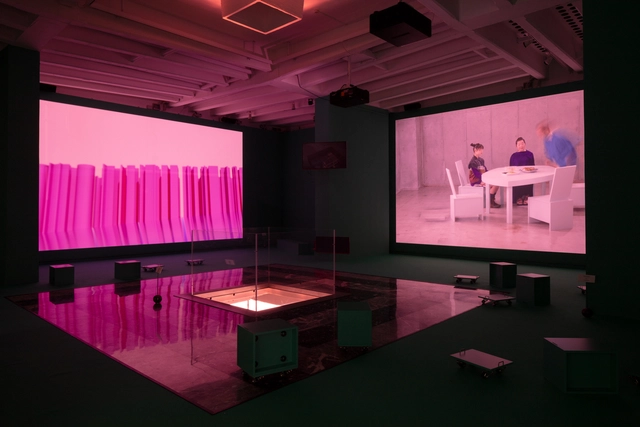
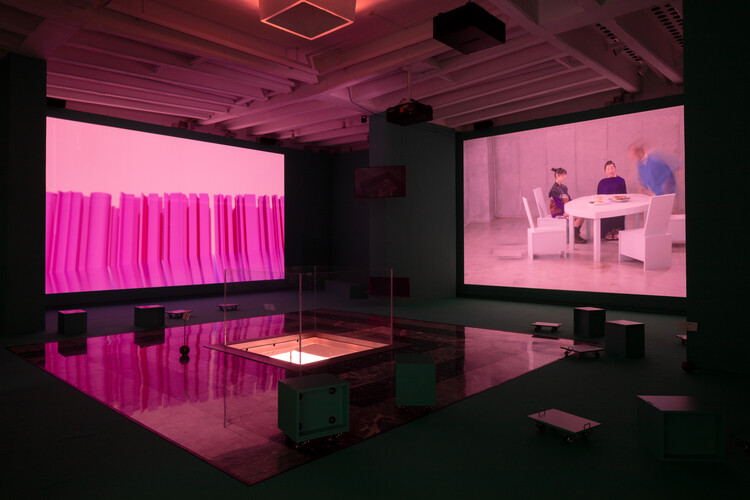
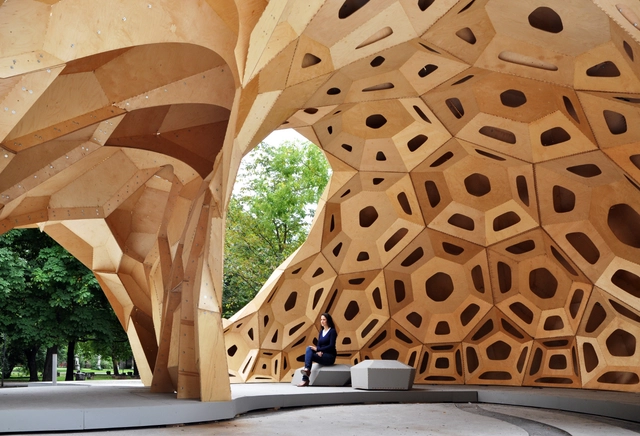
The Japan Pavilion at the 2025 Venice Biennale investigates the evolving role of artificial intelligence (AI) in architecture, focusing on the concept of the "in-between." Curated by Jun Aoki, the exhibition runs from May 10 to November 23, 2025, at the Giardini della Biennale in Venice. The exhibition explores the growing autonomy of AI in architectural design, raising questions about the shifting relationship between human agency and machine intelligence. The showcase aligns with the overarching theme "Intelligens. Natural. Artificial. Collective," curated by Carlo Ratti.

The Japanese Pavilion at the 2025 Venice Biennale Explores Artificial Intelligence in Architectural Processes - Image 1 of 4The Japanese Pavilion at the 2025 Venice Biennale Explores Artificial Intelligence in Architectural Processes - Image 2 of 4The Japanese Pavilion at the 2025 Venice Biennale Explores Artificial Intelligence in Architectural Processes - Image 3 of 4The Japanese Pavilion at the 2025 Venice Biennale Explores Artificial Intelligence in Architectural Processes - Image 4 of 4The Japanese Pavilion at the 2025 Venice Biennale Explores Artificial Intelligence in Architectural Processes - More Images+ 8

How Will BIM 2.0, AI Assistance, and Integrated Workflows Shape the Architect’s Design Experience?

 | Sponsored Content

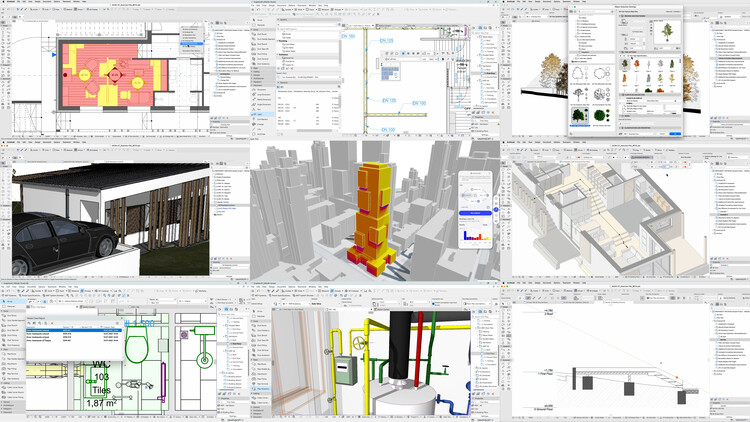
When architects are still students, a moment often marks a turning point: their first encounter with software. It's not just about learning a tool but discovering a space where ideas transcend physical models, taking shape in a digital environment and beginning a relationship many will carry throughout their careers. What happens next? Software keeps evolving, and with it, the design experience. In recent years, this evolution has accelerated—machine learning, AI, prompts, and integrated workflows have moved from the periphery to the core of design practice, becoming part of the shared language between software and users. As these tools take hold, a key question emerges: How will this reshape our experience of designing architecture in the future?

How Will BIM 2.0, AI Assistance, and Integrated Workflows Shape the Architect’s Design Experience? - Image 1 of 4How Will BIM 2.0, AI Assistance, and Integrated Workflows Shape the Architect’s Design Experience? - Image 2 of 4How Will BIM 2.0, AI Assistance, and Integrated Workflows Shape the Architect’s Design Experience? - Image 3 of 4How Will BIM 2.0, AI Assistance, and Integrated Workflows Shape the Architect’s Design Experience? - Image 4 of 4How Will BIM 2.0, AI Assistance, and Integrated Workflows Shape the Architect’s Design Experience? - More Images+ 13

New AI Image Generator Can Help Users Redesign Their Own Interior Spaces

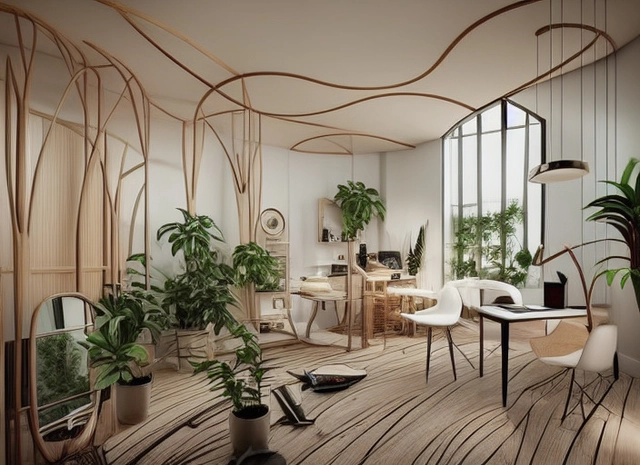
Interior AI is a new platform that helps users generate new styles and even new functions for their interior spaces. The program uses the input of a 2D image of an interior space, be it a picture found on the internet or a photograph taken by the user. It can then modify this picture to fit one of the 16 preselected styles, ranging from Minimalist, Art nouveau, or Biophilic to Baroque or Cyberpunk. The program also allows users to select a different function for the room, kitchen, home office, outdoor patio, or even fitness gym, thus creating a completely new interior design.


New AI Image Generator Can Help Users Redesign Their Own Interior Spaces - Image 1 of 4New AI Image Generator Can Help Users Redesign Their Own Interior Spaces - Image 2 of 4New AI Image Generator Can Help Users Redesign Their Own Interior Spaces - Image 3 of 4New AI Image Generator Can Help Users Redesign Their Own Interior Spaces - Image 4 of 4New AI Image Generator Can Help Users Redesign Their Own Interior Spaces - More Images+ 5

Parametric Architecture June Workshops

We are thrilled to announce our upcoming June workshops in collaboration with our ArchDaily Supporters partner, Parametric Architecture. These workshops have been thoughtfully curated to empower architects, designers, and enthusiasts by providing them with the latest insights and skills in the dynamic realm of parametric design. Guided by industry experts and visionaries, these immersive sessions will explore cutting-edge techniques, innovative tools, and practical applications, creating an inspiring and dynamic learning environment where participants can take their design expertise to unprecedented levels.

Things You Should Know About Artificial Intelligence and Design

Subscriber Access | 

Should designers care about artificial intelligence (AI) or machine learning (ML)? There is no question that technology is adding texture to the current zeitgeist. Never could I have imagined seeing a blockbuster hit where Ryan Reynolds emerges as a conscious non-player character in a video game and a flop where Melissa McCarthy negotiates humanity’s future with a James Corden-powered superintelligence within a year of each other. But does learning AI and ML’s ins and outs really matter for the creative professions and our nebulous, invaluable way of operating?

Things You Should Know About Artificial Intelligence and Design - Image 1 of 4Things You Should Know About Artificial Intelligence and Design - Image 2 of 4Things You Should Know About Artificial Intelligence and Design - Image 3 of 4Things You Should Know About Artificial Intelligence and Design - Image 4 of 4Things You Should Know About Artificial Intelligence and Design - More Images+ 3

Algorithms & Aesthetics: The Future of Generative Design

Machine learning and generative design are profoundly shaping modern life. A central critique to the value and advancement of artificial intelligence, especially in the context of architecture, is the ability for a machine to design, as well as the resulting fear that professional services may be limited. As cities continue to develop, new tools emerge to help envision and create the built environment. How can architects embrace generative design to reimagine models of sustainability, inclusive practice, and new aesthetics?

Algorithms & Aesthetics: The Future of Generative Design - Image 1 of 4Algorithms & Aesthetics: The Future of Generative Design - Image 2 of 4Algorithms & Aesthetics: The Future of Generative Design - Image 3 of 4Algorithms & Aesthetics: The Future of Generative Design - Image 4 of 4Algorithms & Aesthetics: The Future of Generative Design - More Images+ 4

BuildTech Futures: Artificial Intelligence and Machine Learning

Artificial intelligence, machine learning and generative design have begun to shape architecture as we know it. As systems and tools to reimagine the built environment, they present diverse opportunities to rethink traditional workflows. Designers also fear they may inversely affect practice, limiting the services of the architect. Looking to building technologies, new companies are creating software and projects to explore the future of design.

Beyond Human-Scale: Designing for Ecosystems, Migration and Machines

The human scale spans both physical dimensions and sensory perception. Designers create spaces and objects like steps, doorways and chairs that are closely aligned to human measurement and how we see the world. But as we look beyond the human scale, new ideas and typologies emerge that help us rethink how we conceptualize architecture and build for the future.

Beyond Human-Scale: Designing for Ecosystems, Migration and Machines - Image 1 of 4Beyond Human-Scale: Designing for Ecosystems, Migration and Machines - Image 2 of 4Beyond Human-Scale: Designing for Ecosystems, Migration and Machines - Image 3 of 4Beyond Human-Scale: Designing for Ecosystems, Migration and Machines - Image 4 of 4Beyond Human-Scale: Designing for Ecosystems, Migration and Machines - More Images+ 8

Project Galath3a: a Woman-Machine Collaboration at the Berlin Open Lab

Exploring the use of innovative technologies in architecture and practicing at the crossroads between art and spatial design, Gili Ron and Irina Bogdan have imagined project Galath3a, a woman-machine collaboration. The research-based venture uses a UR5 robotic arm named Gala (short for Galatea), to speculate on what is culturally considered as "womanly behavior".

Project Galath3a: a Woman-Machine Collaboration at the Berlin Open Lab - Image 1 of 4Project Galath3a: a Woman-Machine Collaboration at the Berlin Open Lab - Image 2 of 4Project Galath3a: a Woman-Machine Collaboration at the Berlin Open Lab - Image 3 of 4Project Galath3a: a Woman-Machine Collaboration at the Berlin Open Lab - Image 4 of 4Project Galath3a: a Woman-Machine Collaboration at the Berlin Open Lab - More Images+ 4

Open Resources to Become Knowledgeable in the Field of AI

As Artificial Intelligence has become one of the most significant forces driving innovation and economic development, this societal transformation requires new knowledge and an additional set of skills. Just as knowing a BIM software has become a prerequisite for most architecture jobs, understanding or even knowing how to use AI-related tools would become a desirable asset, if not a requirement in the future. However, with a vast array of information available, how does one begin to venture into this topic? The following is a compilation of online resources, lectures, and courses, that could provide a better understanding of the field and how to incorporate it into the practice of architecture.

AI Creates Generative Floor Plans and Styles with Machine Learning at Harvard

Designer and Fulbright fellow Stanislas Chaillou has created a project at Harvard utilizing machine learning to explore the future of generative design, bias and architectural style. While studying AI and its potential integration into architectural practice, Chaillou built an entire generation methodology using Generative Adversarial Neural Networks (GANs). Chaillou's project investigates the future of AI through architectural style learning, and his work illustrates the profound impact of style on the composition of floor plans.

AI Creates Generative Floor Plans and Styles with Machine Learning at Harvard - Image 1 of 4AI Creates Generative Floor Plans and Styles with Machine Learning at Harvard - Image 2 of 4AI Creates Generative Floor Plans and Styles with Machine Learning at Harvard - Image 3 of 4AI Creates Generative Floor Plans and Styles with Machine Learning at Harvard - Image 4 of 4AI Creates Generative Floor Plans and Styles with Machine Learning at Harvard - More Images+ 11

Amazon's Futuristic Checkout-Free Convenience Store Opens with Just a Few Kinks

Amazon’s innovative, checkout-free convenience store concept, Amazon Go, has opened to the public in Seattle.

Located in the base of an existing Amazon office building, the 1,800-square-foot (167-square-meter) store offers grocery and convenience items. To begin shopping, customers simply scan an Amazon Go smartphone app and pass through a turnstile.

Using machine learning, computer vision and artificial intelligence technologies (incorporated into the software powering cameras and weight sensors), the store can then track the actions of customers as they remove items from the shelves, creating a virtual shopping list as they go. When a customer is finished shopping, they simply exit the store through the turnstiles and the user’s Amazon account is automatically charged.