As a platform for the Louisiana Museum of Modern Art, Louisiana Channel has been stimulating conversations around architecture, art, and the creative world at large. The architecture series provides fascinating insights into the thought process of distinguished architects and their work. Discover seven of the most inspiring interviews created over the past year, discussing a wide array of subjects from exemplary projects, to cities, to architects' design philosophy.
In Louisiana Channel's latest interview, Indian architect Anupama Kundoo shares her thoughts on the importance of observing the surroundings from the perspective of time and its imprint on matter. "Before humans, there was an architecture that life itself creates," says the architect discussing the natural world as a source of inspiration, pointing out that one "can see the same question already solved by nature".
In a recent interview by Louisiana Channel, German architect Anna Heringer talks about the recently inaugurated Anandaloy centre in Bangladesh, a social space which became a catalyst for local development. The architect shares her commitment to sustainability and touches on the importance of the transfer of know-how to local communities through participatory building processes.
Videos
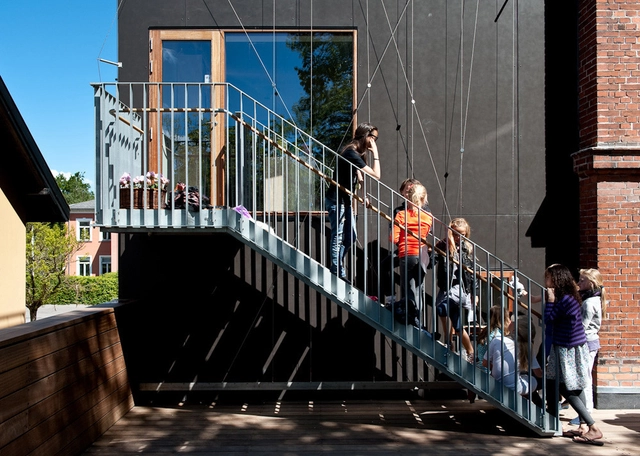
Bernadotte School Extension / Vandkunsten Architects. Image Courtesy of Adam Mørk
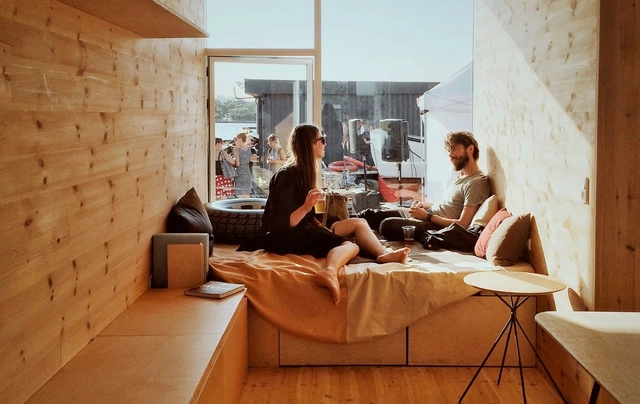
Louisiana Channel has recently published a second piece of their interview with Jens Thomas Arnfred and Søren Nielsen co-founders of the award-winning Danish practice Vandkunsten Architects. In this short video, the two architects talk about nurturing the sense of community through design and reflect on the studio's preoccupation with fostering social encounters within their projects.
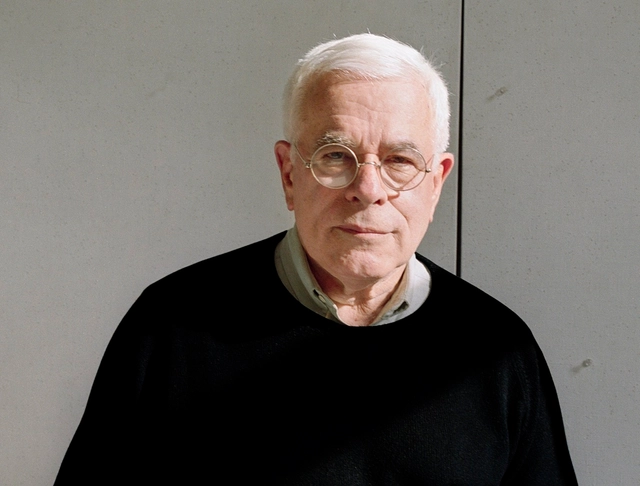
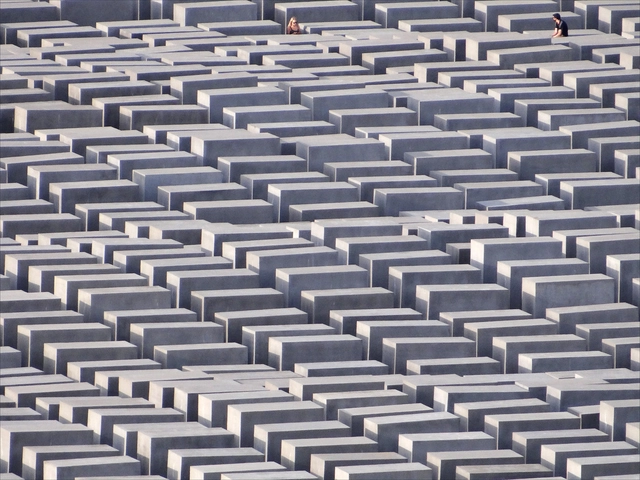
The Louisiana Channel recently released a new interview with Peter Eisenman on the Memorial to the Murdered Jews of Europe in Berlin. Sharing his thoughts on what went into building the memorial, he touches on the desire to move away from Jewish symbolism. The video explores the larger idea and feeling of being lost in space and time, a concept that Eisenman describes as a "field of otherness."
In this short video by Louisiana Channel, Junya Ishigami talks about Tokyo and what he sees as the defining traits of the vibrant and diverse metropole. Discussing what he likes about the city, the renowned Japanese architect underlines Tokyo’s polycentrism and explains how being made up of different small town allows the city to preserve its very local characteristics.
“Time is a resource we are not spending properly. People are eager to save other resources, but they don’t mind spending their time carelessly,” says Anupama Kundoo in this Louisiana ChannelInterview, where she talks about time as a general concept, sharing some of her philosophy of life on the matter. Turning to architecture, Kundoo reflects on the sense of urgency governing the current design process, obstructing any long term thinking about the collective body of work left as a legacy to future generations; therefore she urges architects to take time to rethink their work and refine their designs.
Videos
CPH Shelter. Image Courtesy of CPH Containers
In this short video, Jens Thomas Arnfred and Søren Nielsen from the Danish office Vandkunsten Architects talk about wood and the many reasons why it makes for such excellent building material. The two architects discuss the sustainability advantages of using timber and reflect on its influence on our senses and mind, on our feeling of wellbeing.
This January, Peter Eisenman was interviewed by Marc-Christoph Wagner at his studio in New York City. Featured by the Louisiana Museum of Modern Art, the video “Learn the language” explores how Eisenman stresses the importance of communication and of knowing the language of the field you’re interested in.
India’s uprising from a dependent to an independent governance altered the way it was perceived by the world. The country’s evolution left architects and urban developers with important questions: How can they solve the economic and environmental disparities in India, and how can they implement an understanding in people about the potential of what they can achieve with their country’s culture and resources.
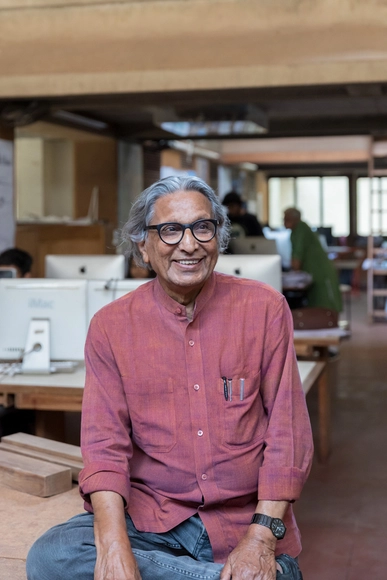
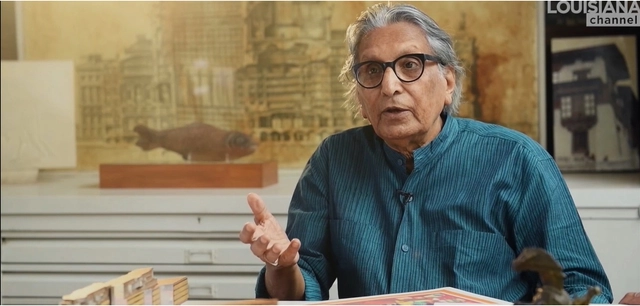
In a new extensive video interview by Louisiana Channel, Indian Pritzker Prize-winner Balkrishna Doshi narrates how he became an award-winning architect, his traditional Hindu beliefs and culture, and India’s juxtaposition of having nothing to keeping up with a world that is creating everything.
Videos
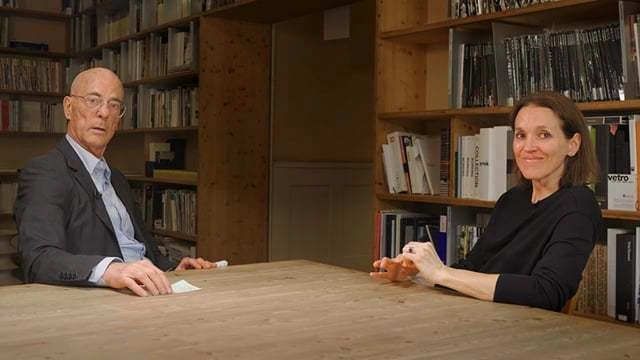
Jacques Herzog Meets Tatiana Bilbao: Everybody Deserves a Decent Home
Jacques Herzog met with Tatiana Bilbao at the Herzog & de Meuron’s studio in Basel, Switzerland on May 2019, and got to discuss the Mexican architect’s projects and architectural approach. The two long-time friends and prizewinning architects talked about the defining moments in their friendship and the advice of Herzog that improved Bilbao’s method.
Award-winning architect Tatiana Bilbao spoke in an interview released by Louisiana Channel about her frustrations with today’s concept of sustainability in architecture. Living in Mexico, which Bilbao describes as a “country with no resources,” she states that people are accustomed to not wasting resources and that “sustainability” is a natural part of daily life. “I hate the word ‘sustainability’ because I think it has become a word that can qualify a type of architecture, and for me it should be embedded.”
In a new video released by Louisiana Channel, Pritzker Prize winner Alejandro Aravena shares his advice to young architects. The acclaimed Chilean architect directs those just starting out to be as nerdy, free, and rebellious as possible. By absorbing and understanding as much as you can and then using that knowledge to approach a project with freedom from convention or imagined constraints, Aravena states that it’s a cycle that continually feeds itself. Listening, and particularly listening with an open mind and without preconceptions, is Aravena’s second major piece of advice. “We are not consultants, we are authors...That means to take the risk of doing proposals,” Aravena continues, describing the practice of architecture.
Louisiana Channel has released a video interview conducted with world-renowned architect Daniel Libeskind, where he advises young architects to follow their dreams, take risks, and expose themselves to the possibilities of short term sacrifice for long term gain. Reflecting on the pace of change, Libeskind says “the world is always changing, but not very slowly. It changes just suddenly. It doesn’t change by evolution, it changes suddenly. If a young architect realizes this, it is a big help. It took me a while to realize that.”
https://www.archdaily.com/915734/watch-daniel-libeskinds-advice-for-young-architectsNiall Patrick Walsh
Videos
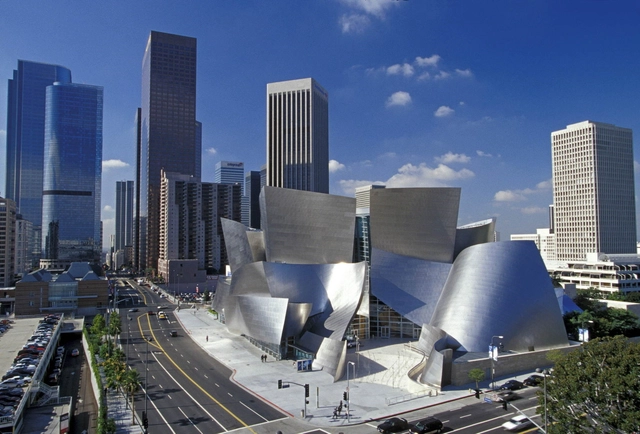
Walt Disney Concert Hall. Image Courtesy of Gehry Partners, LLP
Louisiana Channel has released a new video interview with Frank Gehry. Known for his expressive use of form, Gehry has become one of the most important architects of our time. Recorded at his studio in Santa Monica, the interview explores Gehry's life and early influences, as well as modern architecture and the world as he sees it today. Marc-Christoph Wagner explores Gehry's ideas on building, art, and leaving your mark on the world.
Great buildings blatantly express their true essence to the world
In this interview from the Louisiana Channel, Bjarke Ingels shares the personal moments of his life that have influenced the graphic, playful and humanistic architectural style for which he is now world renowned.
In this extended interview from the Louisiana Channel, Japanese architect and experimentalist in sustainable architecture Hiroshi Sambuichi explains how he integrates natural moving materials—sun, water and air—into his architecture. A rare symbiosis of science and nature, each of his buildings are specific to the site and focus on the best orientation and form to harness the power of Earth’s energy, particularly wind. Two of his projects displayed in the video, the Inujima Seirensho Art Museum and the Orizuru Tower, force a contraction of air to make it flow faster and circulate with you through the building, while the Naoshima Hall takes a more sensitive approach due to the nature of the building, reducing the wind’s velocity as it passes.



.jpg?1606397161 "Wall House. Image © Javier Callejas")


_2605.jpg?1587110718&format=webp&width=640&height=580)
.jpg?1585773323&format=webp&width=640&height=580)