



-
Architects: Foster + Partners
- Area: 3000 m²
- Year: 2017
-
Manufacturers: Banker Wire


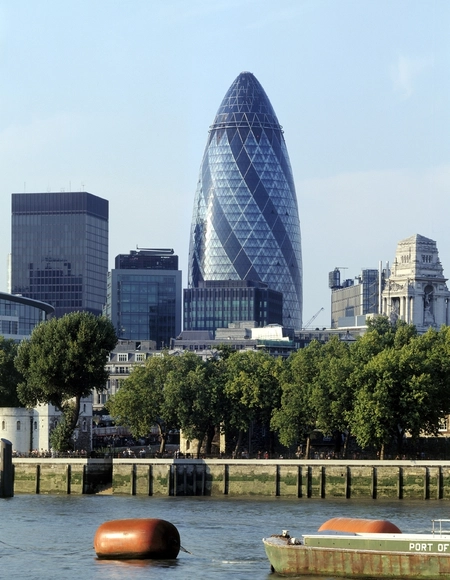
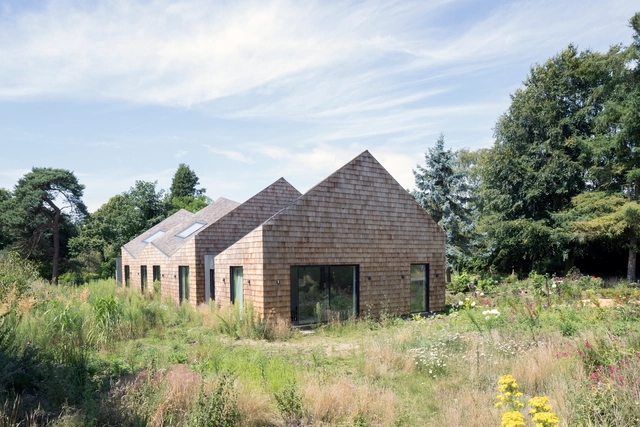
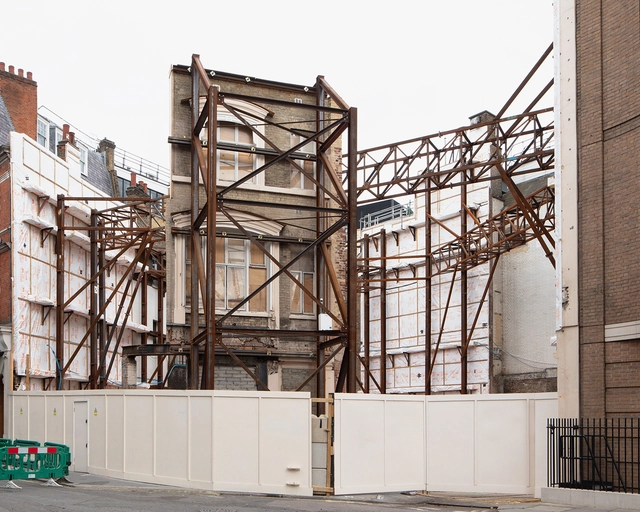
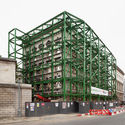
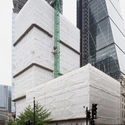
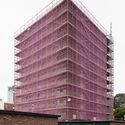
A lot can change in a city within one year; from demolitions, to reconstructions and project completions, a city's urban fabric is constantly being altered. During the past 4 years, Chilean architect and photographer Francisco Ibáñez Hantke of Estudio Ibanez has put together a photo-series titled Non-Structures, which focuses on London's urban regeneration and transformation and captures its various moments of ruins, planning, process, and eventually, complete architecture.
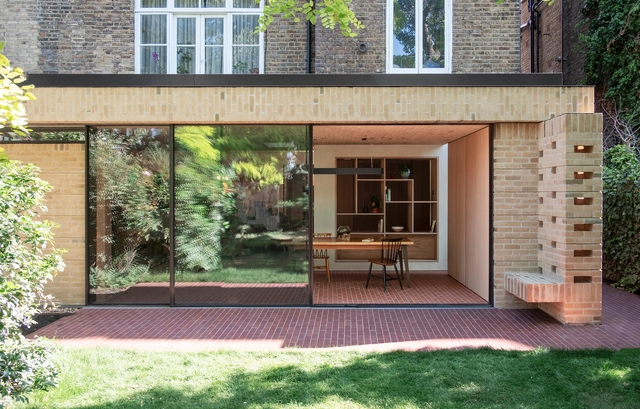

-0009.jpg?1571809340&format=webp&width=640&height=580)

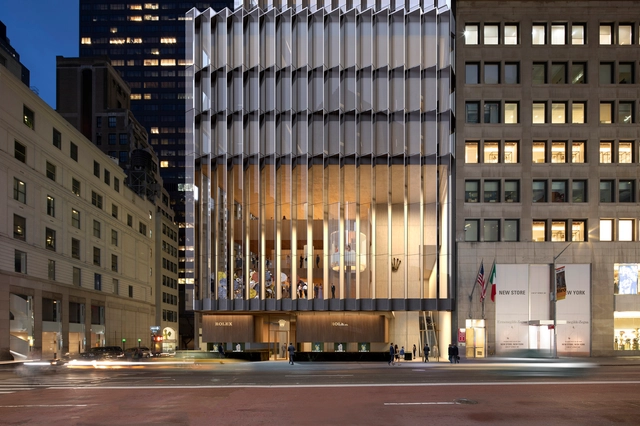
The international competition for the Rolex USA headquarters in New York selected the English firm, David Chipperfield Architects as the winning practice to design the anticipated tower. The new construction will replace the existing building, home to the Rolex company since the ’70s.
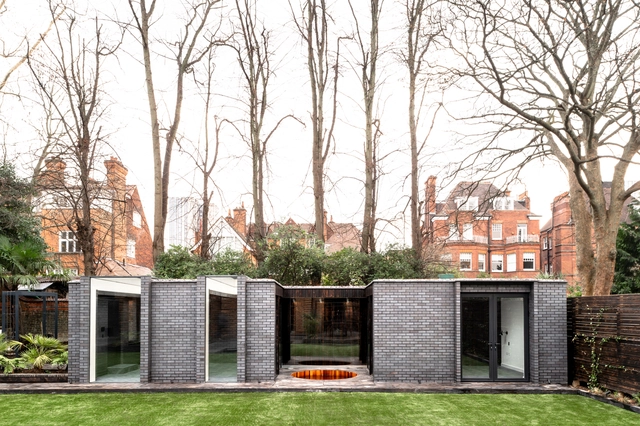

The 1930s were a pivotal decade for British avantgarde architecture. Despite the relative paucity of modernist buildings being commissioned, by 1937 the country had, for a brief moment, become the epicentre of progressive contemporary architecture in Europe.

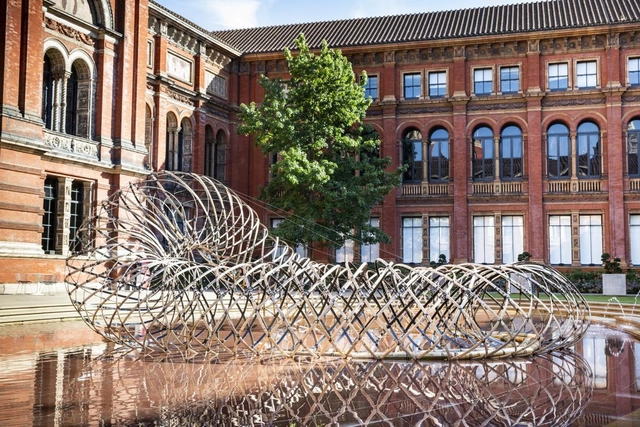
Global smart phone brand OPPO teamed up with Japanese architect Kengo Kuma to create a large outdoor installation at 2019 London Design Festival. Called ‘Bamboo (竹) Ring: Weaving into Lightness’, the project is installed in the John Madejski Garden at the V&A Museum for the duration of the festival. Inspired by the Garden and curated by Clare Farrow, the doughnut-shaped structure has been created by weaving rings of bamboo and carbon fiber together.
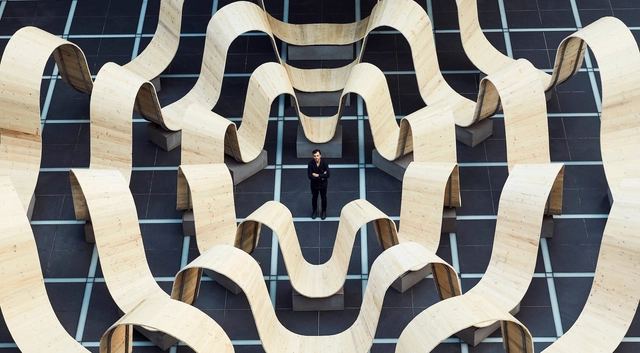
The 2019 London Design Festival opened this month and features a large-scale instillation called Please Be Seated by Paul Cocksedge. Returning for its 17th year, the festival celebrates design across London and aims to promote the city as a major design capital. Please Be Seated joins a series of art, design and performance-based projects by internationally-renowned designers across the city.
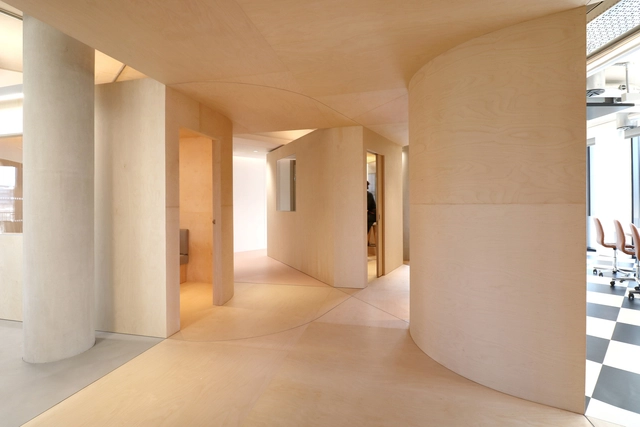
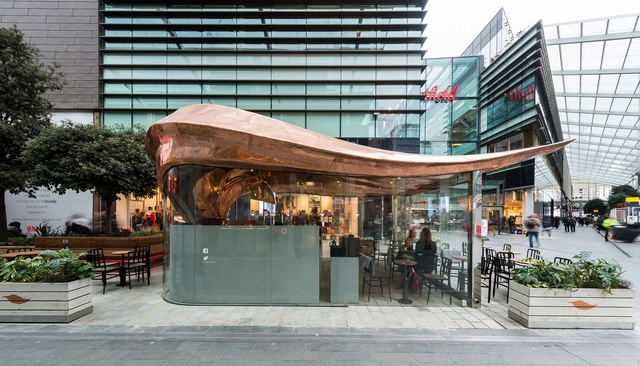
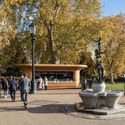
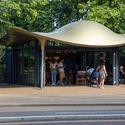
London/Malta-based Mizzi Studio, led by founder Jonathan Mizzi, are at the forefront of the growing trend of micro-architecture. As exemplified by their recent commission for the design of nine kiosks across London’s Royal Parks, the firm has a passion for the fusion of craft and technology, and in particular, the large, invisible forces of economy, sustainability, and psychology that converge on such small spaces and structures.










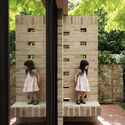





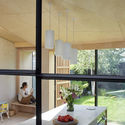

-0028.jpg?1571808786 "© Edmund Sumner")
-0032.jpg?1571808995 "© Edmund Sumner")
-0015.jpg?1571808108 "© Edmund Sumner")
-0035.jpg?1571809149 "© Edmund Sumner")
-0009.jpg?1571809340)