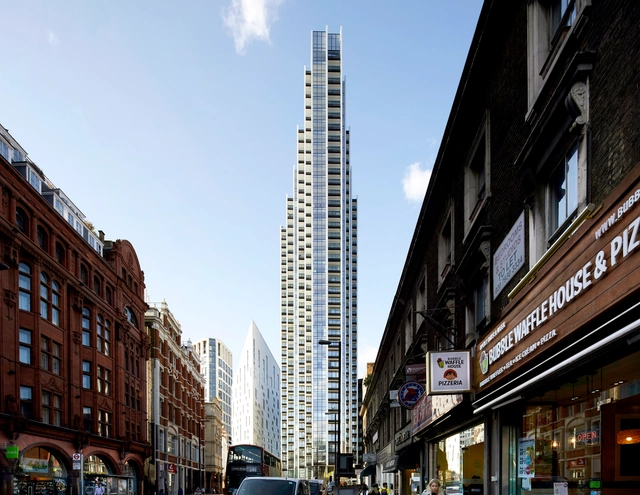
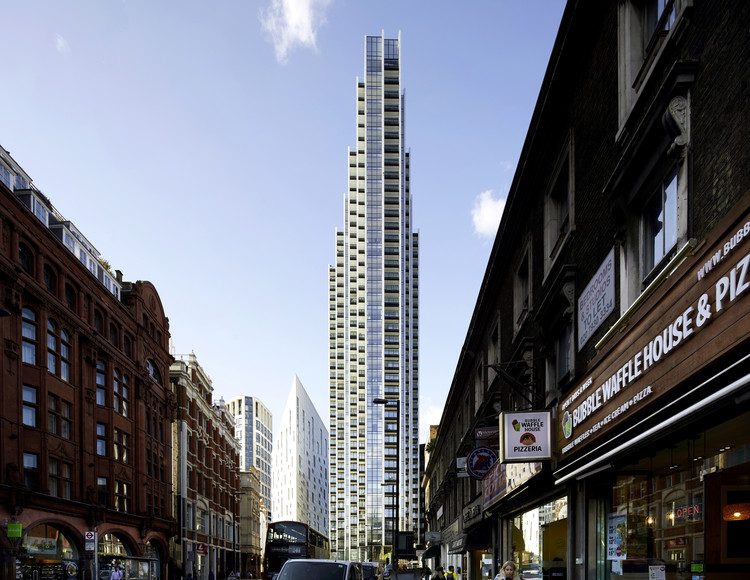
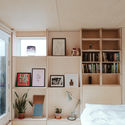
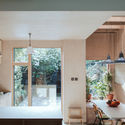
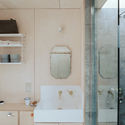
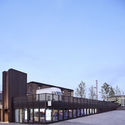
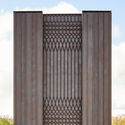
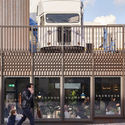
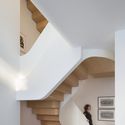
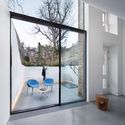
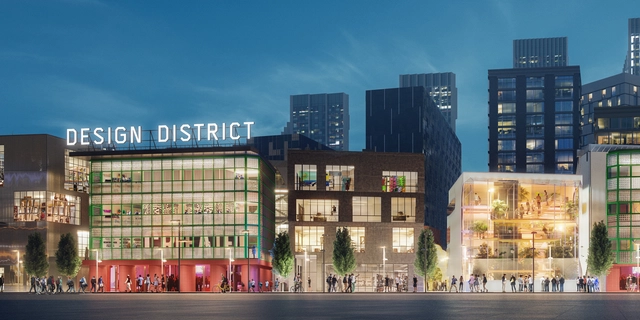
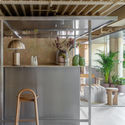
The developers of Design District have released new visuals of the future creative hub at the heart of Greenwich Peninsula. Designed by a collective of eight well-renowned architectural studios, and with landscaping by Schulze+Grassov, the project aims to gather together startups, artists and entrepreneurs across many industries, generating a new creative neighbourhood for London.
This week’s curated selection from our readers’ submissions focuses on some of the essential components of our present-day cities.
Featuring the best-unbuilt architecture, the article highlights adaptive reuse projects that transformed abandoned warehouses and factories, a street design in Luxembourg, a regenerative master plan in Seoul, and an emergency family accommodation to temporarily house those in need. Moreover, the roundup distinguishes a library in South Korea and an extension of a museum in Helsinki, because the cultural aspect is an integral part of our urban environment.
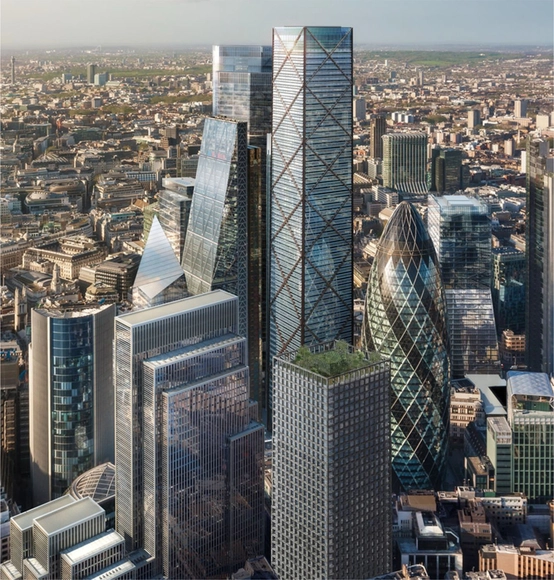
Stone Tower Research Project. Image Courtesy of Groupwork
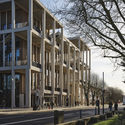
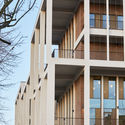
Groupwork, in collaboration with Jackson Coles, Eight Associates, Webb Yates, The Stonemasonry Company and Polycor, is investigating the possibilities to build large commercial buildings in stone, through the Stone Tower Research project and The New Stone Age exhibition.
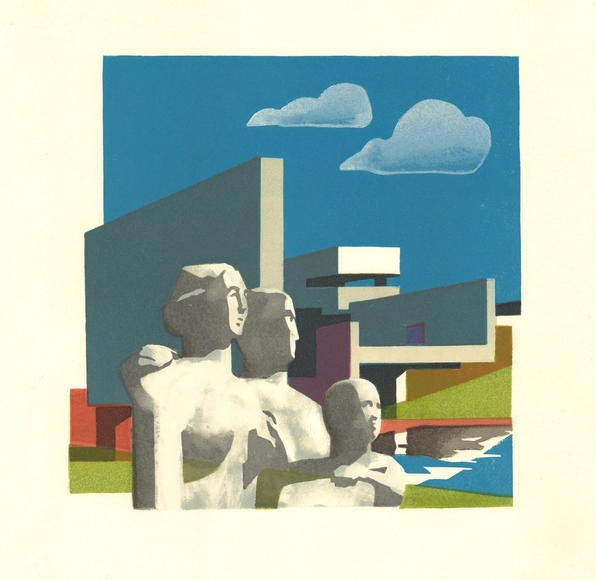
With Coventry designated as the UK City of Culture for 2021, and with many of its post-war architectural masterpieces under threat of redevelopment or destruction, printmaker Paul Catherall thought this was a timely chance to create a body of work that reflected on the unique beauty of his hometown.
RIBA presents Forms of Industry, an exhibition of contemporary photographs by Alastair Philip Wiper (1980) and archival images by Eric de Maré (1910-2002) from the RIBA Collections. Separated by more than 50 years, the two photographers share a common interest in industrial buildings and landscapes, yet their differing approaches create a commentary on changing attitudes towards industrialisation and sustainability.
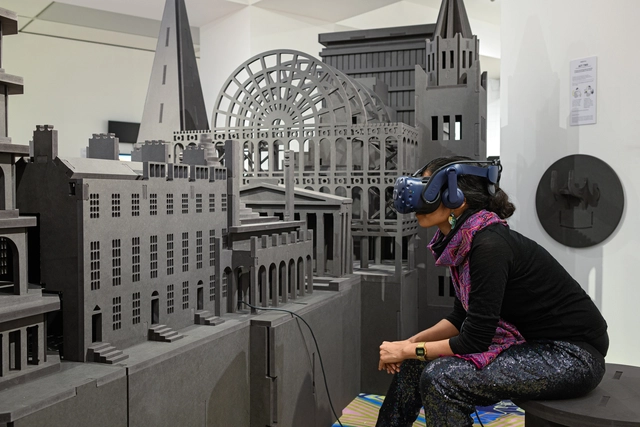
Freestyle by Space Popular at RIBA Architecture Gallery @ Francis Ware
RIBA presents its first virtual reality (VR) exhibition, exploring moments across 500 years of aesthetics in architecture.
What makes a style? How is a style collectively agreed upon and shared? Drawing on RIBA’s world-class collections, Space Popular uses virtual reality to examine styles of the past and to consider the technology’s impact on contemporary spaces and buildings. Historic artefacts will be displayed alongside newly commissioned content, inviting you to enter a beguiling virtual universe to experience how popular cultures and technologies impact architecture and its style evolution.
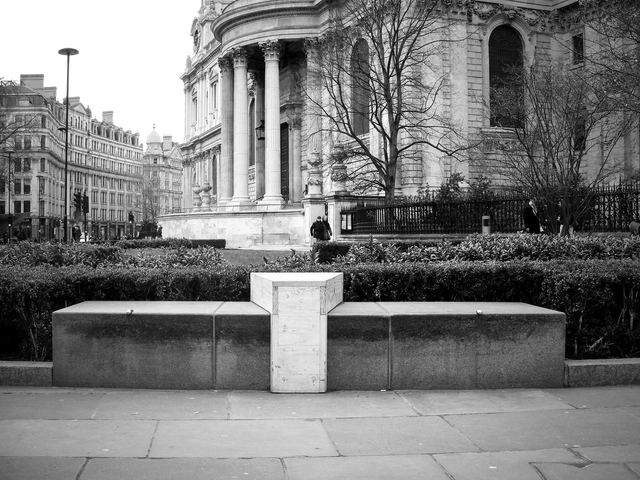
In recent years, the architectural community has become heavily involved, in both positive and negative ways, with the chronic global issue of homelessness. In response, James Furzer of UK-based Spatial Design Architects has undertaken a photographic analysis exploring defensive forms of urban design. Using the typology of public benches in London, Furzer documents public fixtures which act as deterrents to rough sleepers, essentially denying a right to the city for those who ultimately have no choice but to be there.
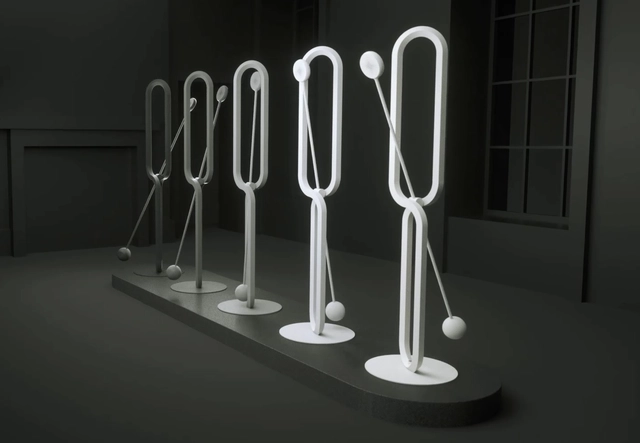
Metronome(s). Image Courtesy of London Design Biennale
The French Pavilion at the London Design Biennale 2020 will explore the theme of resonance through metronomes. The design team will comprise of designer Sebastien Servaire, Margot Myers and curator Anne-Laure Pingreoun. Up to 50 countries, territories and cities will exhibit at the third edition of London Design Biennale this autumn. They will respond to Artistic Director Es Devlin's call to action exploring how design can provide solutions to the major crises of our time.















_-_Pavillion_for_France_at_London_Design_Biennale_(3).jpg?1581537631 "Metronome(s). Image Courtesy of London Design Biennale")
_-_Pavillion_for_France_at_London_Design_Biennale.jpg?1581537662 "Metronome(s). Image Courtesy of London Design Biennale")
_-_Pavillion_for_France_at_London_Design_Biennale_(4).jpg?1581537648 "Metronome(s). Image Courtesy of London Design Biennale")
_-_Pavillion_for_France_at_London_Design_Biennale_(2).jpg?1581537615 "Metronome(s). Image Courtesy of London Design Biennale")