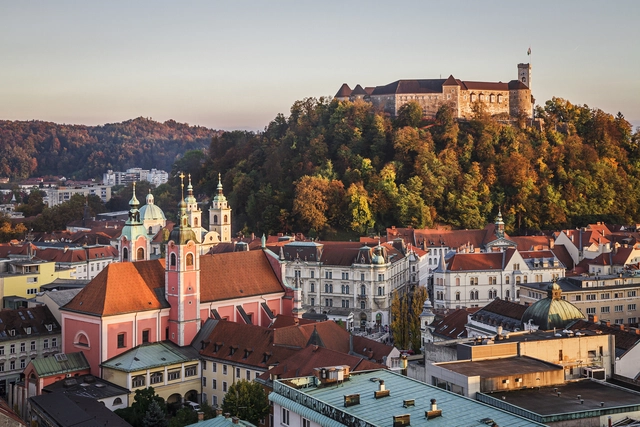
Ljubljana is Europe’s little secret. This small capital city (less than 300,000 inhabitants) is perhaps surprisingly big in terms of architecture, and the variety of its built history makes it a mandatory stop in your architectural journey. From richly painted churches to sobering Brutalism. From classical Baroque and Habsburg-inspired architecture to delightful Art Nouveau façades and interiors. And of course, abundant greenery (Ljubljana is Slovenia’s – and now Europe’s – green capital) and food.
Ljubljana is a city that has many layers. Its beginnings as a Roman city are still visible (a wall, the world’s oldest wooden wheel, and the roads in and out of the city to name a few). Its contemporary vestiges might have aged, but their meaning hasn’t – think of the Republic Square or Brutalist petrol stations. It’s when we visit in person that we are able to truly feel these places and understand these layers.
A new European architecture platform will launch in June this year, with the scope of supporting emerging architects and at the same time mobilizing the profession's efforts in delivering a sustainable, circular built environment. Operating on a grant from the Creative Europe initiative, LINA brings together 28 European and Mediterranean organizations from 23 countries, among which are several European biennials, triennials and festivals, museums, research networks and laboratories, publishing houses and universities. A successor to the Future Architecture platform, the initiative will be coordinated by the Faculty of Architecture at the University of Ljubljana and directed by Matevž Čelik.
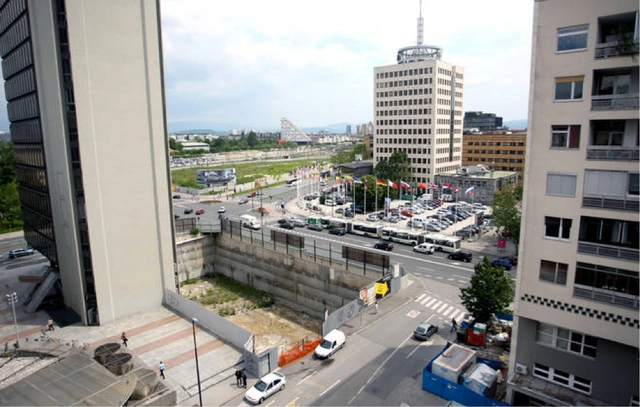
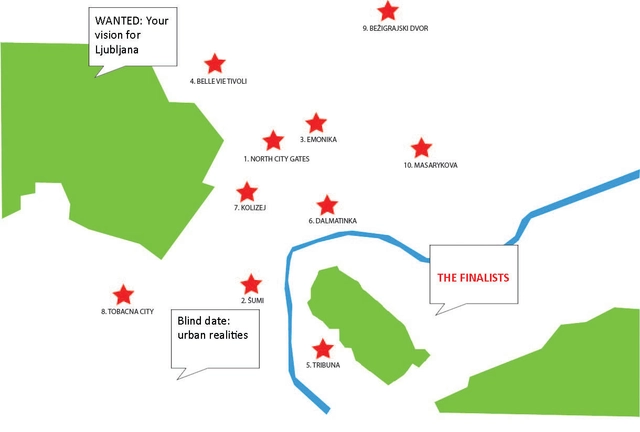
In cooperation with the Museum of Architecture and Design Ljubljana an interactive Blind Date of European architects, planners and experts in urban development will be organized in autumn 2015. Under the title “Urban Realities”a collaboration of three selected teams together with local experts will be started. Invited architects and planners will work on a concrete topic and on abandoned construction pits in the city of Ljubljana.
A city walk through Ljubljana will open the event. Together we will discover abandoned pits and learn about the existing reality. A proposal of future uses of these sites will be developed within a discussion of the international teams and local experts. The visions for new urban realities will be presented to and discussed with the audience in a public event in the evening. The deadline for applications is June 1, 2015. More information, here.






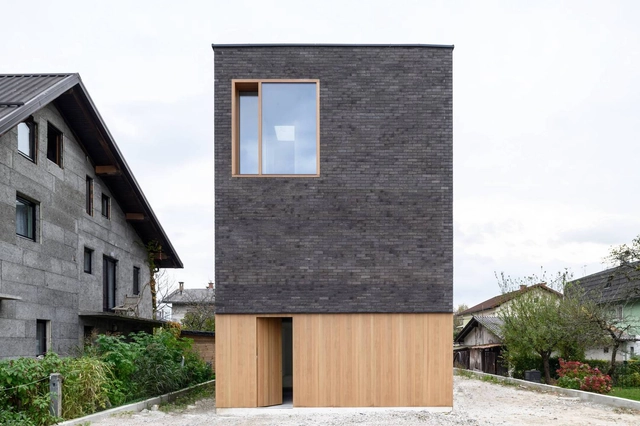


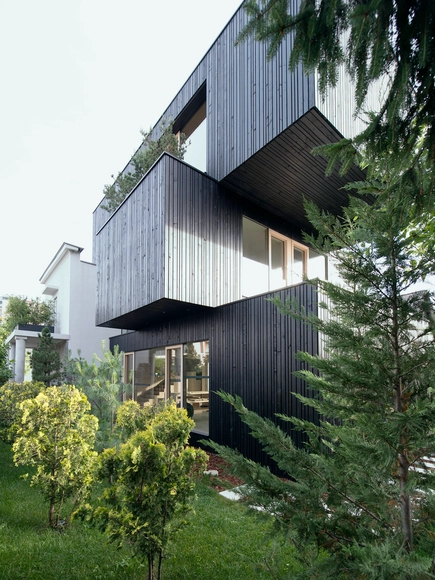
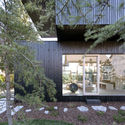




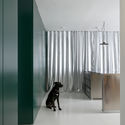


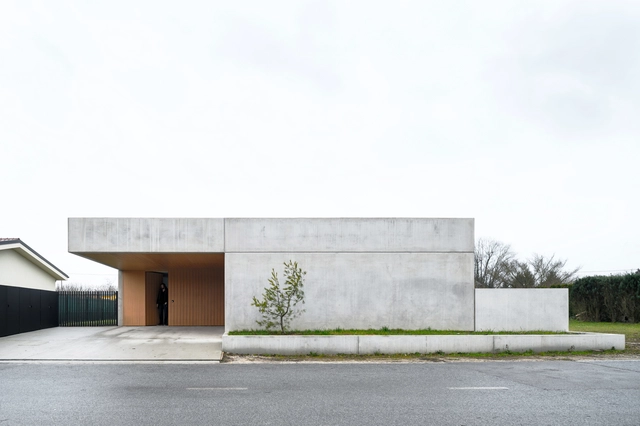


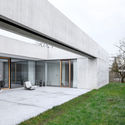
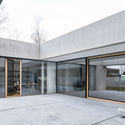

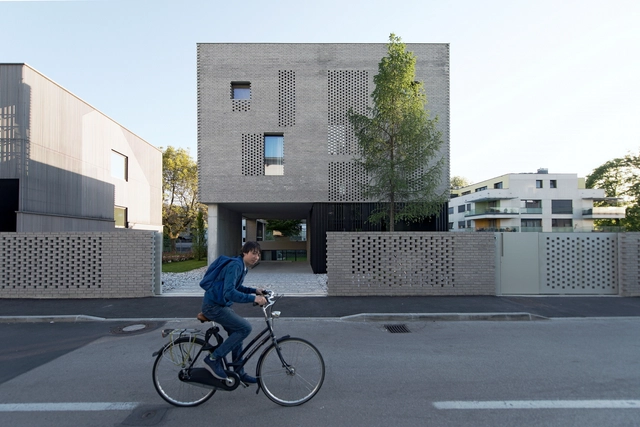

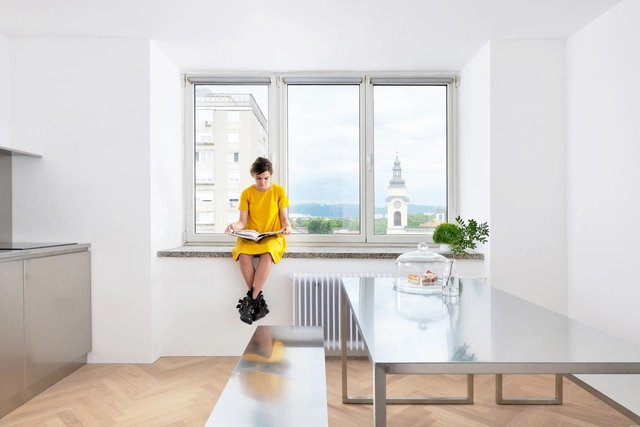




.jpg?1479858598&format=webp&width=640&height=580)
.jpg?1479858708 "© Matevž Paternoster")
.jpg?1479858614 "© Matevž Paternoster")
.jpg?1479858376 "© Matevž Paternoster")
.jpg?1479858681 "© Matevž Paternoster")
.jpg?1479858598)
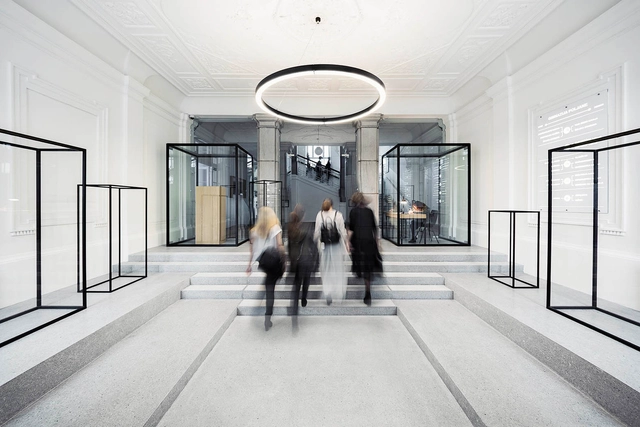












curtain1.gif?1434112035)