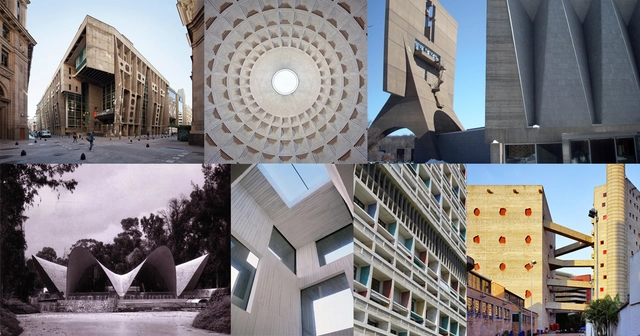
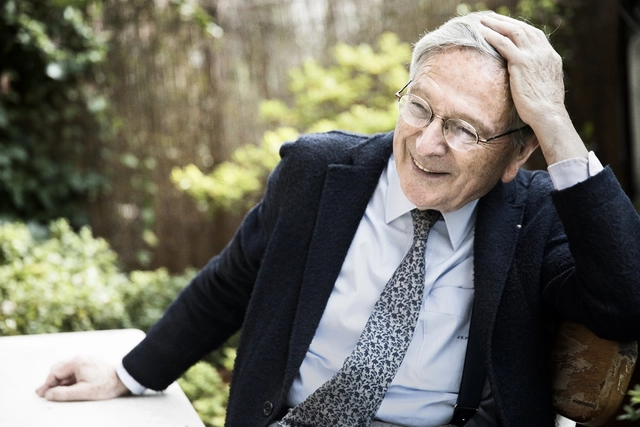
The Golden Lion for Lifetime Achievement of the 17th International Architecture Exhibition of La Biennale di Venezia was awarded to Spanish architect, educator, critic, and theoretician Rafael Moneo. Selected by the Board of Directors of La Biennale di Venezia, upon recommendation of the Curator of the Biennale Architettura 2021, Hashim Sarkis, the acknowledgment will be awarded to the architect on Saturday, May 22nd, 2021 together with the Special Golden Lion for Lifetime Achievement in memoriam to Lina Bo Bardi.
In recent years, several movements in Brazil and around the world have contributed significantly to society by emphasizing the need to occupy public spaces in the cities to claim quality and freedom of use for the community. The Ocupe Estelita movement in Recife, Brazil, for example, confronted the growing real estate speculation in the region and challenged the aggressive commercial urban planning on the banks of the Capibaribe River. Based on cases like this one, professor, critic, and curator Guilherme Wisnik, in an interview with Fora, addressed the issue of public space as a place of conflict.
We know you're an architecture aficionado and that your passion takes you places that inspire and awe. Even though a visit to the classic tourist sites can result in an amazing trip, visiting lesser-known places can make for an unforgettable experience. It is because of this passion for parts unknown that we have compiled this list of some of Latin America's hidden architecture gems for you to consider as you plan your next trip.
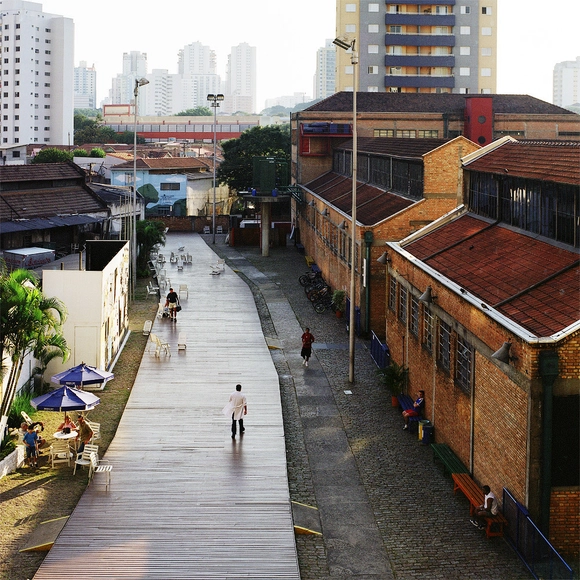
Projects for public buildings and infrastructure must always ensure the best possible forms of access and connection with the surrounding streets, particularly regarding access routes for pedestrians. However, some architects have managed to overcome the pragmatic aspect of this connection between architecture and the streets, when designing projects that have a strong duty to provide public space, by using this bond as the core of the design concept.
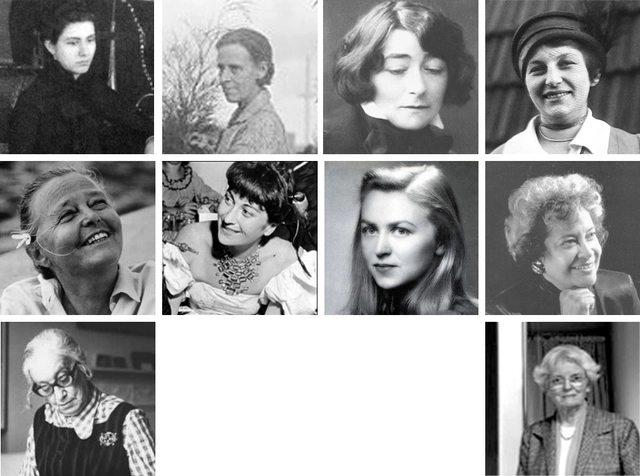
Looking back on architectural history, you could be forgiven for thinking that women were an invention of the 1950s, alongside spandex and power steering - but this couldn’t be further from the truth. Big names like Le Corbusier, Mies, Wright, and Kahn often had equally inspired female peers, but the rigid structure of society meant that their contributions tended to be overlooked.
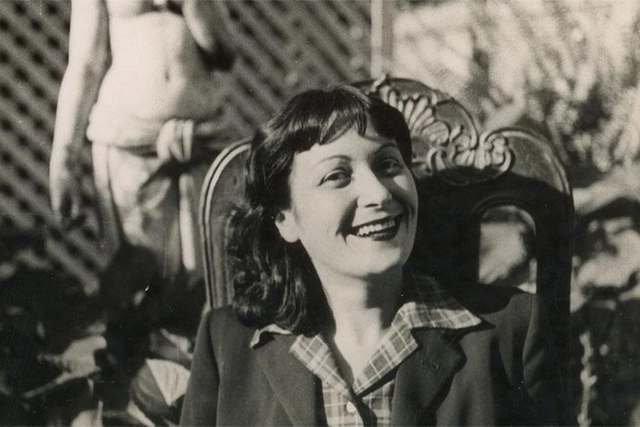
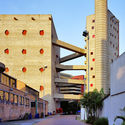
Lina Bo Bardi (December 4, 1914 – March 20, 1992) was one of the most important and expressive architects of 20th century Brazilian architecture. Born in Italy as Lina Achillina Bo, she studied architecture at the University of Rome, moving to Milan after graduation. In Milan, Bo Bardi collaborated with Gio Ponti, and later become editor of the magazine Quiaderni di Domus.
With her office destroyed in World War II Bo Bardi, along with Bruno Zevi, founded the publication A Cultura della Vita. As a member of the Italian Communist Party, she met the critic and art historian Pietro Maria Bardi, with whom she would move permanently to Brazil.
The Fundació Joan Miró presents Lina Bo Bardi Drawing, the first exhibition to focus specifically on the role of drawing in the life and work of the Italian-born Brazilian architect.
The exhibition features a carefully selected collection of a hundred drawings from the Instituto Lina Bo e P. M. Bardi, bearing witness to the importance of drawing in all the stages of Bo Bardi’s multifaceted career. The project has been curated by another architect, Zeuler Rocha Lima - also an artist, researcher, and international expert on Bo Bardi - with support from the Fundació Banco Sabadell.
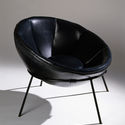
Italian-born architect Lina Bo Bardi is one of the most important figures of Brazilian design. Her ability to blend architecture, politics and popular culture made her an icon throughout the country and world, while her relentlessness to break from traditionalisms made Brazil the ideal location for her work.
Bo Bardi's architecture incorporates both materiality and culture. In addition to the concrete and solidified elements, she designed pieces based on cultural factors and intense political discussions. She wished to break the barriers between intellectuals and everyday people.
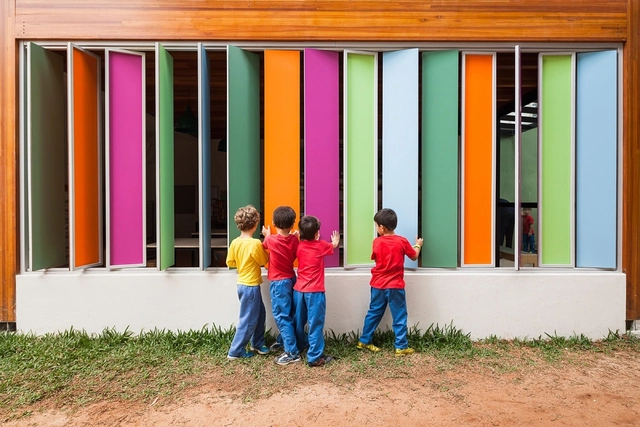
Colors and their perceptions are responsible for a series of conscious and subconscious stimuli in our psycho-spatial relationship. Despite its presence and its variations, it is present in all places. Have you ever wondered what its role is in architecture?
As well as the constructive elements that make up an architectural object, the application of colors on surfaces also influences the user's experience of the space. According to Israel Pedrosa, "a colorful sensation is produced by the nuances of light refracted or reflected by a material, commonly the word color is designated to those shades that function as stimuli in a chromatic sensation." [1]
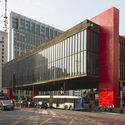
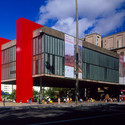
Architectural photographer and filmmaker Romullo Fontenelle of Studio Flagrante shared his latest video featuring Lina Bo Bardi's concrete and glass easels and the spatial dynamics they create in the São Paulo Museum of Art (MASP). The easels, first introduced in 1968, were brought back to life after a redesign by Metro Arquitetos.
https://www.archdaily.com/894549/see-through-video-explores-the-spatial-dynamics-fostered-by-lina-bo-bardis-glass-easelsEquipe ArchDaily Brasil
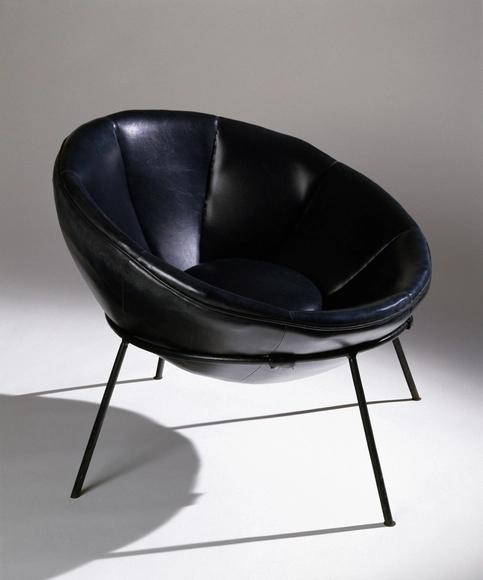
For some practitioners of architecture, the insatiable desire to draw everything, from the largest to the smallest to take full control of the project, echoes the famous phrase uttered by Mies Van Der Rohe: "God is in the details." Similarly, designing furniture provides another creative outlet for in-depth exploration of human-scale works of architecture.
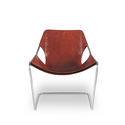
Throughout the history of the Brazilian Architecture, and especially since the modernist movement, architects not only became known for their building designs, but also for their detailed chairs and tables. Several of these pieces of furniture were initially designed for a specific project and then went into mass production due to their popularity.
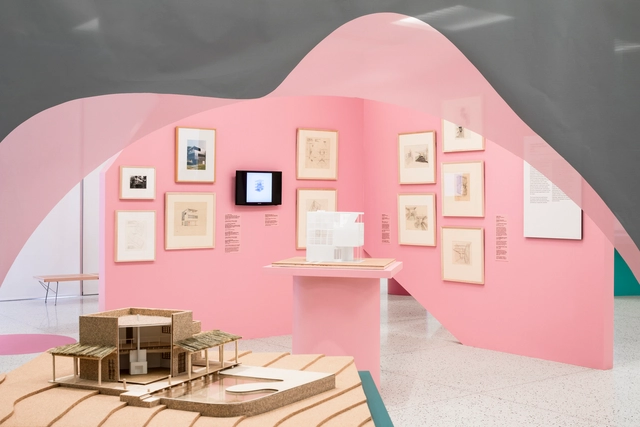
Mid-century modern visionaries, Albert Frey and Lina Bo Bardi are exhibited together at the Palm Springs Art Museum for an unprecedented show of models, drawings, design objects, and photographs, opened this fall and will remain on exhibit through January 7, 2018.
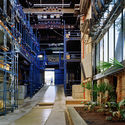
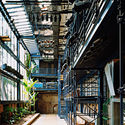
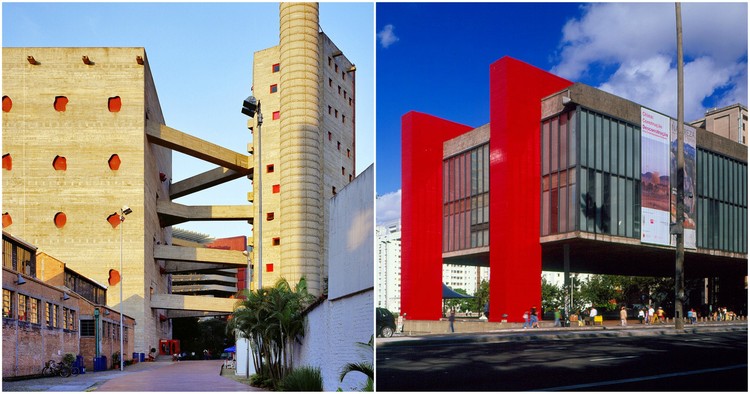
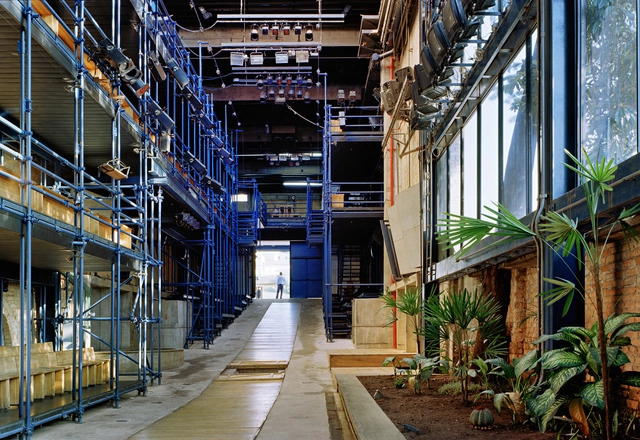
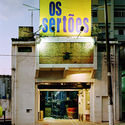
The Teatro Oficina Uzyna Uzona, popularly known as Teatro Oficina, located on Jaceguai Street, in the Bela Vista neighborhood, in São Paulo, was founded in 1958 by José Celso Martinez Correa. The Teatro Oficina acts as a manifesto/theater, marked by great spectacles between theatrical expressions, musical presentations, dance, and performances.
Over time, the theater sought to revolutionize the performances that they put on. To this end, the architecture was designed to "collaborate" with the events, allowing the drama of the spectacle to engage more profoundly with audiences. Edson Elito, who would later instigate this reform, said [trans.]:
How many lives does a great work of architecture have? The first begins when it is built and inhabited, judged based on the quality of life it provides for its residents. The second comes generations later when it becomes historically significant and perhaps its original function no longer suits the demands of society. The value of such buildings is that they inform us about the past and for that reason their conservation is necessary.
However, in Latin America, there are countless cases of buildings of great architectural value that are in tragic states of neglect and deterioration. Seven such examples are:
Designing a museum is always an exciting architectural challenge. Museums often come with their own unique needs and constraints--from the art museum that needs specialist spaces for preserving works, to the huge collection that requires extensive archive space, and even the respected institution whose existing heritage building presents a challenge for any new extension. In honor of International Museum Day, we’ve selected 23 stand-out museums from our database, with each ArchDaily editor explaining what makes these buildings some of the best examples of museum architecture out there.
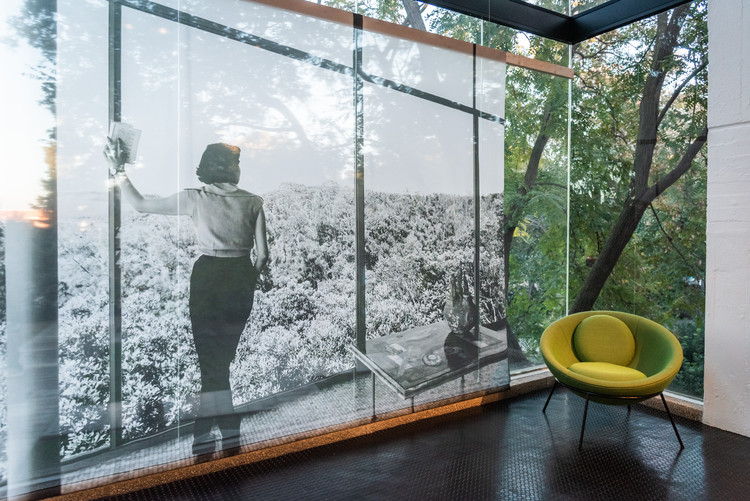
Veronika Kellndorfer, Tree House (Casa de Vidro), 2014
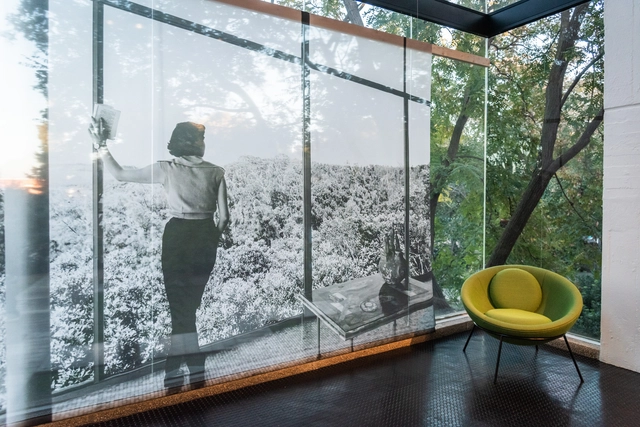
Christopher Grimes Gallery is pleased to present a solo exhibition of new works by Veronika Kellndorfer. This body of work stems from her 2015 solo exhibition at the Casa de Vidro in São Paulo, home of celebrated Italian-born Brazilian architect Lina Bo Bardi. During this time Kellndorfer also engaged with the architecture of Oscar Niemeyer and gardens of Roberto Burle Marx, finding their approach to Brazilian Modernism nascent to a new scope of reference.
“Concrete has the ability to be primitive and technological, massive and levitating, to combine the properties of steel with those of mud,” says Rowan Moore in his list of The 10 best concrete buildings created for The Guardian. Through examples spanning three continents, Moore unites old standbys with unexpected wonders, all of which show the varied possibilities inherent in mixing water, aggregate, and cement. In a list that incorporates examples from Classical times to the present, Moore establishes concrete’s unique ability to adapt to different times, styles, applications, and treatments.
Examples by Le Corbusier, Álvaro Siza, Lina Bo Bardi, and Marcel Breuer demonstrate that concrete is anything but workaday or utilitarian. Moore’s list affirms that a material simultaneously strong and light, durable, sustainable, and fire-resistant, can scarcely be considered anything short of miraculous. Of course, ten buildings can only provide an abridged version of concrete’s possibilities, and Moore cheekily apologizes for some of the obvious omissions. Check out the full list here.



.jpg?1619608987 "Columbia University Northwest Corner Building. Image. Image © Michael Moran Studio")

.jpg?1619608951 "Beirut Souks. Image © Bahaa Ghoussainy")

.jpg?1615390051&format=webp&width=640&height=580)
.jpg?1541081334 "Praça das Artes. © Nelson Kon")
.jpg?1541081352 "Image Cortesia de USINA CTAH. ImageVista do Mutirão Paulo Freire")

.jpg?1615390051)




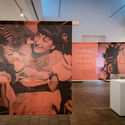
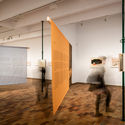
.jpg?1550503634 "© Instituto Lina Bo e P. M. Bardi. Image Courtesy of Fundació Joan Miró, Barcelona")
_jpeg_copy.jpg?1550503683 "© Instituto Lina Bo e P. M. Bardi. Image Courtesy of Fundació Joan Miró, Barcelona")
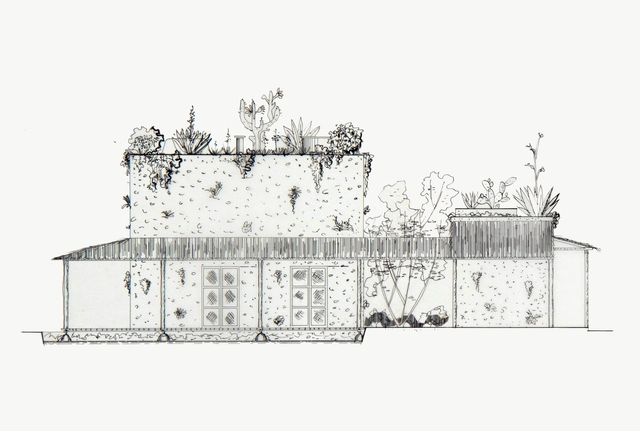





_13.24.02.jpg?1499192828&format=webp&width=640&height=580)