1. ArchDaily
  2. Lighting Design

Lighting Design: The Latest Architecture and News

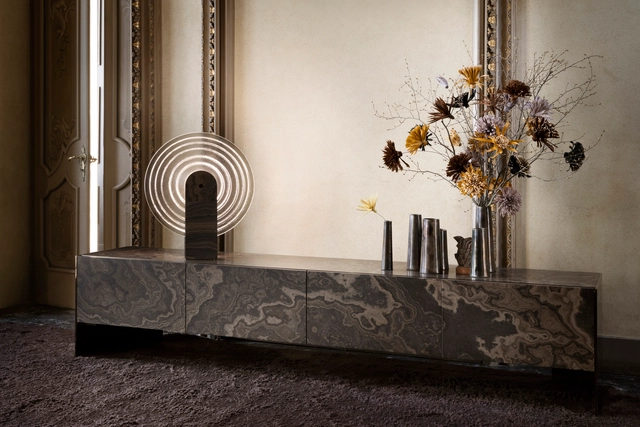
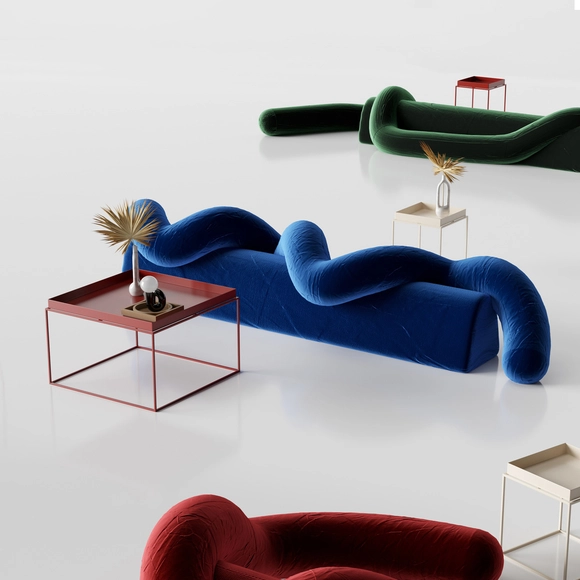
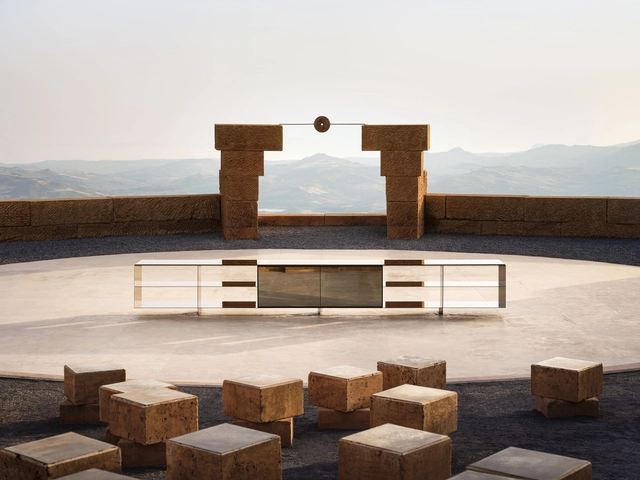
From Lighting to Modular Systems: ArchDaily’s Selection of 13 Architect-Designed Objects at Milan Design Week 2026

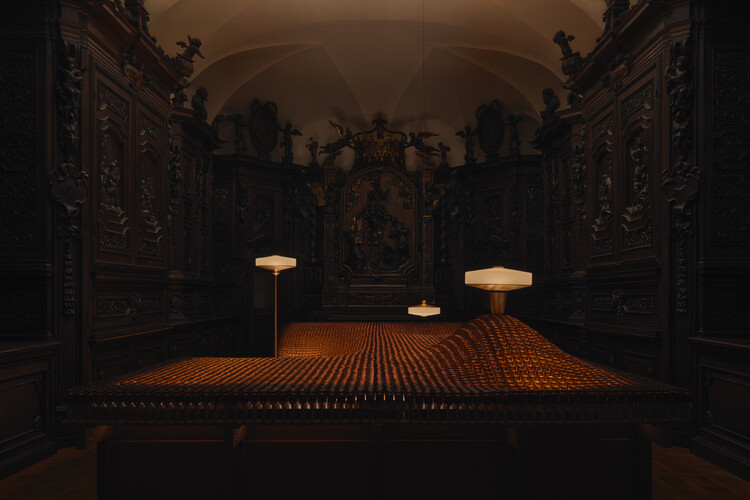
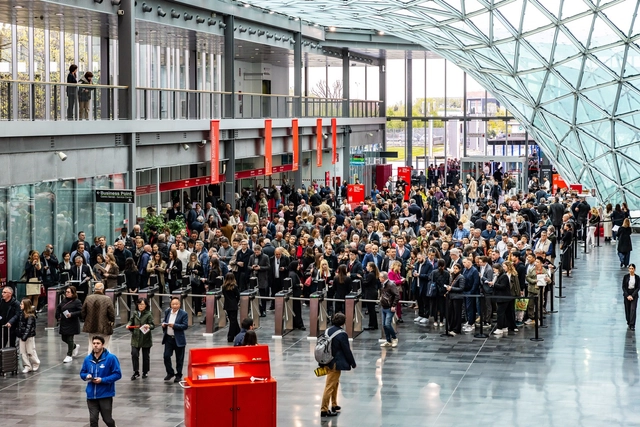
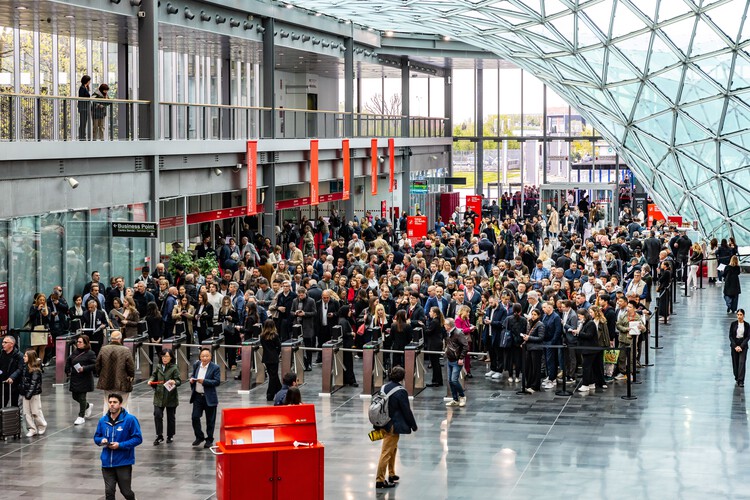
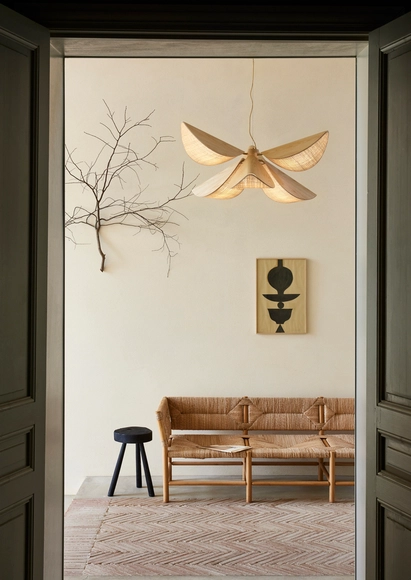
Each spring, Milan Design Week 2026 transforms the city into a distributed platform for design culture, where prototypes, product launches, and research-driven explorations coexist across multiple scales, including a growing presence of architect-designed objects. Held from April 20 to 26, the 2026 edition once again centered around the 64th Salone del Mobile.Milano at Fiera Milano, complemented by a network of independent venues and exhibitions throughout the city, an expanded landscape that is further reflected in ArchDaily's accompanying selection of installations and exhibitions from this year's program.

From Lighting to Modular Systems: ArchDaily’s Selection of 13 Architect-Designed Objects at Milan Design Week 2026 - Image 1 of 4From Lighting to Modular Systems: ArchDaily’s Selection of 13 Architect-Designed Objects at Milan Design Week 2026 - Image 2 of 4From Lighting to Modular Systems: ArchDaily’s Selection of 13 Architect-Designed Objects at Milan Design Week 2026 - Image 3 of 4From Lighting to Modular Systems: ArchDaily’s Selection of 13 Architect-Designed Objects at Milan Design Week 2026 - Image 4 of 4From Lighting to Modular Systems: ArchDaily’s Selection of 13 Architect-Designed Objects at Milan Design Week 2026 - More Images+ 6

Evenly Lit, Not Overlit: Rethinking Brightness in Subtropical Cities

Subscriber Access | 

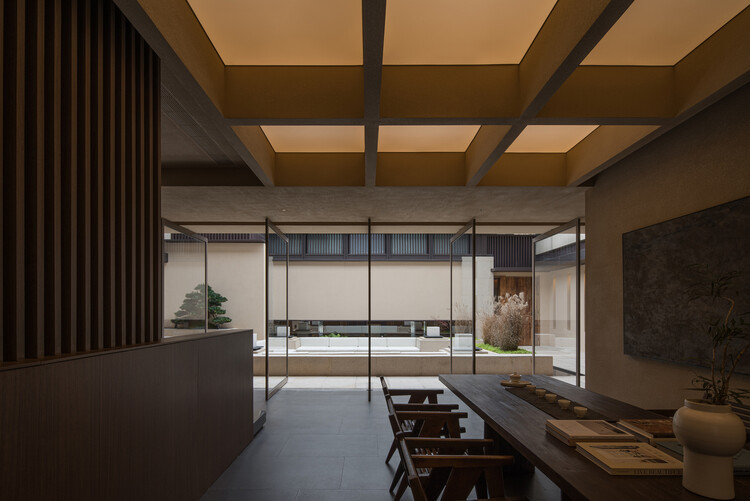
In South China, there is occasionally an urban myth—especially across Hong Kong, Shenzhen, and Guangzhou—about choosing a home that avoids western light. Over decades, the west-facing sun has proven to be a particularly difficult condition to live with: its low angle in the afternoon, its aggressive heat gain (especially in summer), and the way it penetrates deep into interiors. With global warming and longer, hotter seasons, that much-romanticized "afternoon glow" is increasingly experienced less as romance and more as glare, heat, and fatigue. Although this wisdom circulates as a community-driven rule of thumb, it carries an undeniable architectural clarity about building orientations: avoiding western light is not only about thermal comfort, but also about avoiding the sharpest, most intrusive form of direct illumination—light that strikes at the most unforgiving angle, washing surfaces, flattening depth, and turning rooms into high-contrast fields of discomfort.

Evenly Lit, Not Overlit: Rethinking Brightness in Subtropical Cities - Image 1 of 4Evenly Lit, Not Overlit: Rethinking Brightness in Subtropical Cities - Image 2 of 4Evenly Lit, Not Overlit: Rethinking Brightness in Subtropical Cities - Image 3 of 4Evenly Lit, Not Overlit: Rethinking Brightness in Subtropical Cities - Image 4 of 4Evenly Lit, Not Overlit: Rethinking Brightness in Subtropical Cities - More Images+ 8

OPPLE Turns 30 by Making Light a Building Material

 | Sponsored Content

At Light + Building 2026 in Frankfurt, OPPLE Lighting marked its 30th anniversary with an architectural proposition rather than a retrospective. Presented under the theme "Hi Light!," the company unveiled Light as Cloud, a booth designed by OMA. The installation also served as the international debut platform for OLL, OPPLE's new high-end design brand. Rather than functioning as a conventional product display, the project positioned light as a spatial system—one that shapes architecture, circulation, and perception.

The Evolving Practice of Designing Light in Scandinavian Environments

Subscriber Access | 

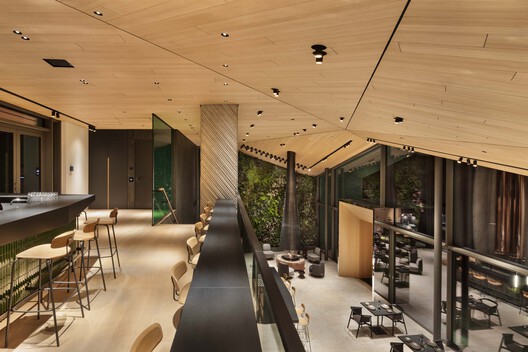
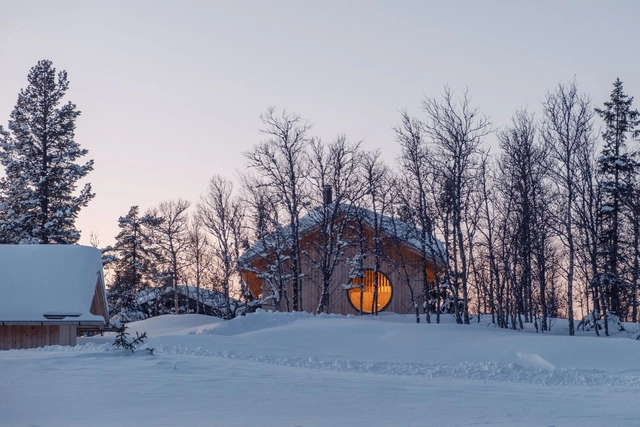
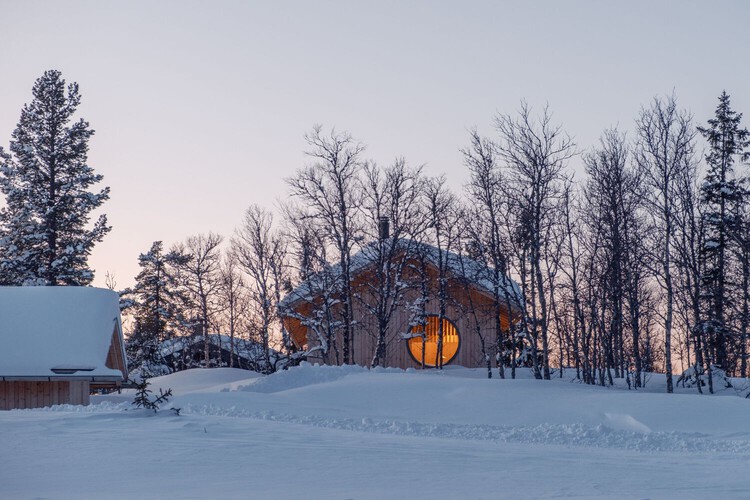
Scandinavia is shaped by environmental conditions that test both human endurance and architectural ingenuity, with long winters defined by limited daylight, low sun angles, deep snowfall, and cold winds that transform everyday movement, gathering, and habitation into deliberate acts. In this context, architecture is never neutral, and hospitality is never incidental. Buildings that welcome visitors across cities, forests, and coastlines must respond directly to darkness and cold, not by denying them, but by creating interior worlds that offer orientation, warmth, and psychological relief. The act of welcoming in Scandinavia is therefore inseparable from the climate, grounded in the understanding that shelter, light, and human presence are fundamental resources in Arctic environments.

The Evolving Practice of Designing Light in Scandinavian Environments - Image 1 of 4The Evolving Practice of Designing Light in Scandinavian Environments - Image 2 of 4The Evolving Practice of Designing Light in Scandinavian Environments - Image 3 of 4The Evolving Practice of Designing Light in Scandinavian Environments - Image 4 of 4The Evolving Practice of Designing Light in Scandinavian Environments - More Images+ 18

What if the Smallest Detail Helped Shape the Mood of a Space?

 | Sponsored Content

Across recent architectural discourse, interior design has been centered on how spaces shape psychological and atmospheric experience, and on what gives interior environments their emotional resonance. Attention has shifted toward small details rather than relying primarily on form or structure. Light, for instance, is not only a technical requirement but also an architectural material in its own right. It can structure space, animate surfaces, define textures, and shape atmosphere while influencing well-being. At the same time, the characteristics between minimalism and maximalism shape how atmospheres are perceived, prompting reflection on how approaches to simplicity or exuberance might influence mood. Rather than existing as opposing aesthetics, these tendencies explore how interiors interact with mental states, reflect personal identity, and respond to the subtle shifts in the way people inhabit and experience space.

The Line of Fragile Radiance: Neon Light as Atelier, Architecture, and Archive

Subscriber Access | 

The fragility—and temporal beauty—of neon has captivated audiences since the early 1900s. First shown commercially by French engineer Georges Claude at the 1910 Paris Motor Show, neon spread rapidly, achieving broad popularity in the United States from the 1920s through the 1950s. Mid-century America saw it everywhere: from the casinos of the Las Vegas Strip to roadside motor inns along Route 66 and the spectacle of Times Square. By the latter half of the century, however, many signs were scrapped or left to decay, and numerous municipalities restricted neon as visually garish or power-hungry—despite the technology's comparatively modest energy use. In the U.S., renewed interest in neon arguably didn't meaningfully return until the early 2000s.

In Hong Kong, by contrast, neon was embraced with unusual enthusiasm at a time when it began to lose popularity elsewhere. Even as installation slowed in recent decades—largely due to updated ordinances requiring removal of overhanging signs whose support structures failed to meet safety standards—the city's affinity for neon never fully disappeared.

The Line of Fragile Radiance: Neon Light as Atelier, Architecture, and Archive - Image 1 of 4The Line of Fragile Radiance: Neon Light as Atelier, Architecture, and Archive - Image 2 of 4The Line of Fragile Radiance: Neon Light as Atelier, Architecture, and Archive - Image 3 of 4The Line of Fragile Radiance: Neon Light as Atelier, Architecture, and Archive - Image 4 of 4The Line of Fragile Radiance: Neon Light as Atelier, Architecture, and Archive - More Images+ 16

Exploring the New Technical Zone and Immersive Light Installations at LiGHT 25

 | Sponsored Content

Dedicated to high-end lighting specification, the UK's trade show LiGHT 25 will return to the Business Design Center in Islington, London, on November 19–20, 2025. Following LiGHT 24, which attracted more than 5,500 visitors, this year's edition will feature an expanded program of innovation, education, and networking opportunities. Key highlights for 2025 include the introduction of the Technical Zone, the return of the Associations Lounge, and a new large-scale immersive light art installation.

14 Architect-Designed Lighting, Object, and Furniture Pieces Unveiled at Milan Design Week 2025

The 2025 edition of Milan Design Week took place from April 8 to April 13, 2025. During these five days, the city of Milan hosted special events, exhibitions, installations, and discussions centered on the creative disciplines, including the 63rd edition of the Salone del Mobile at Fiera Milano fairgrounds. Among the numerous activities, the event serves as an ideal opportunity to introduce the latest trends and showcase upcoming pieces from brands and designers worldwide. Among the new releases and product launches, the ArchDaily team identified a selection of products designed by architects, ranging from lighting and furniture systems to materials and small objects.

14 Architect-Designed Lighting, Object, and Furniture Pieces Unveiled at Milan Design Week 2025 - Image 1 of 414 Architect-Designed Lighting, Object, and Furniture Pieces Unveiled at Milan Design Week 2025 - Image 2 of 414 Architect-Designed Lighting, Object, and Furniture Pieces Unveiled at Milan Design Week 2025 - Image 3 of 414 Architect-Designed Lighting, Object, and Furniture Pieces Unveiled at Milan Design Week 2025 - Image 4 of 414 Architect-Designed Lighting, Object, and Furniture Pieces Unveiled at Milan Design Week 2025 - More Images+ 63

Salone del Mobile 2025 Kicks Off in Milan with International Focus and Emerging Talent

This week, Milan once again becomes the global center of the design industry as the 63rd edition of Salone del Mobile.Milano unfolds at Fiera Milano, Rho. Running from April 8 to 13, the event welcomes over 2,100 exhibitors from 37 countries across 169,000 square meters of sold-out exhibition space. With a focus on sustainability, global outreach, and cultural programming, Salone del Mobile.Milano 2025 continues to evolve as both a marketplace and a space for critical reflection on the future of design. Featuring a notable number of first-time participants, 168 new brands, and a return of 91 previous exhibitors, the Salone continues to act as a key platform for international dialogue, innovation, and industry exchange. The ArchDaily team is on site to follow this year's highlights and share updates throughout the week.

Salone del Mobile 2025 Kicks Off in Milan with International Focus and Emerging Talent - Image 1 of 4Salone del Mobile 2025 Kicks Off in Milan with International Focus and Emerging Talent - Image 2 of 4Salone del Mobile 2025 Kicks Off in Milan with International Focus and Emerging Talent - Image 3 of 4Salone del Mobile 2025 Kicks Off in Milan with International Focus and Emerging Talent - Image 4 of 4Salone del Mobile 2025 Kicks Off in Milan with International Focus and Emerging Talent - More Images+ 8

Architecture Tailored for the Deaf and Hard-of-Hearing Community: Gallaudet University’s DeafSpace Principles

Subscriber Access | 

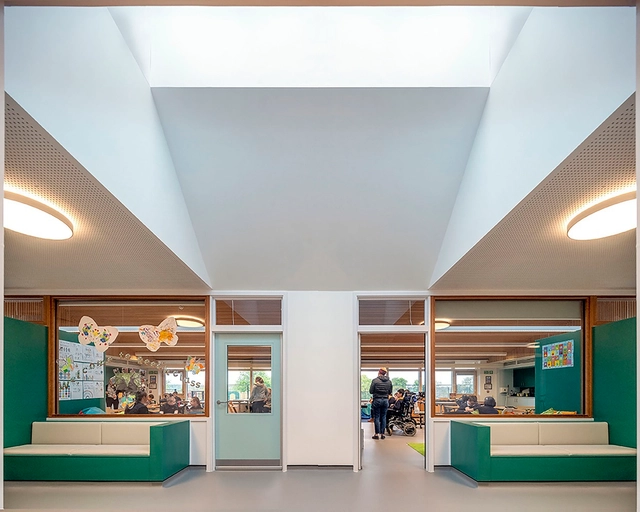
Gallaudet University was established in 1864, becoming the first American educational institution for the deaf and hard of hearing. The university is officially bilingual, with American Sign Language (ASL) and written English used throughout the educational programs. Over the years, the university has grown, adapting both its teaching methods and its spaces to the needs of its students, in turn learning from them how to counter the challenges they face and create a safer and more comfortable environment. These lessons turned into design guidelines, created to educate the architectural community about the strategies they can employ to create more accessible spaces for all.

Architecture Tailored for the Deaf and Hard-of-Hearing Community: Gallaudet University’s DeafSpace Principles - Image 1 of 4Architecture Tailored for the Deaf and Hard-of-Hearing Community: Gallaudet University’s DeafSpace Principles - Image 2 of 4Architecture Tailored for the Deaf and Hard-of-Hearing Community: Gallaudet University’s DeafSpace Principles - Image 3 of 4Architecture Tailored for the Deaf and Hard-of-Hearing Community: Gallaudet University’s DeafSpace Principles - Image 4 of 4Architecture Tailored for the Deaf and Hard-of-Hearing Community: Gallaudet University’s DeafSpace Principles - More Images+ 17

The Intersection of Nature and Design: Maison Forestier's Philosophy on Lighting

 | Sponsored Content

Read in a void, Maison Forestier's remit of an ongoing 'quest for perpetual originality and mastery of the delicate balance between nature and design' may sound a little abstract. But the Parisian lighting brand has – since its topiary-inspired inception by Bernard Forestier in 1992 – carved a beatific niche in its industry, uniting passion, freedom and discovery to fashion radiant wares that meld unique aesthetics with keen functionality, to suit a diverse range of settings.

Unconventional Design Mix: Top 20 A' Furniture and Lighting Design Award Winners

 | Sponsored Content

The word on the street is that the latest winners of A'Design Award have thrown convention out of the window. True to form, we're here to spill the tea on some of the most daring that made the cut.

Picture this: a stage set for creativity, where the world's sharpest minds in design gather to present their finest work. The A'Design Award is just that–a grand international showcase that celebrates the brilliance of designers, architects, and innovators from every corner of the globe. It's not just another award; it's an opportunity to have your work showcased on a truly global scale. 

12 Architect-Designed Products Showcased During Milan Design Week 2024

Subscriber Access | 

This year's Milan Design Week brought together designers, architects, producers, and key figures from the design world. The events were divided between the Salone del Mobile at Rho Fiera, a trade fair with over 1950 exhibitors, and Fourisalone, featuring various events across Milan. With numerous installations throughout the city and a wide range of events, conferences, and debates, Milan Design Week stands as one of the most significant design-focused events worldwide. For architects, this represents an opportunity to not only exchange ideas but also to actively contribute through collaborations and explorations across disciplines.

This year, many internationally recognized architects have entered collaborations with furniture and light design companies, exploring the intersection of design and architecture. Despite the change in scale, many of these products reflect the recognizable architectural language of their designers, offering an insight into the principles that guide their practice. In addition to aesthetic explorations, many of the products selected are tackling important themes of interest, from the need to develop more sustainable materials with a reduced carbon footprint, to the potential impact of new technologies such as artificial intelligence.

12 Architect-Designed Products Showcased During Milan Design Week 2024 - Image 1 of 412 Architect-Designed Products Showcased During Milan Design Week 2024 - Image 2 of 412 Architect-Designed Products Showcased During Milan Design Week 2024 - Image 3 of 412 Architect-Designed Products Showcased During Milan Design Week 2024 - Image 4 of 412 Architect-Designed Products Showcased During Milan Design Week 2024 - More Images+ 52

Exploring Linear Lighting Design for Creating Luminous Paths

 | Sponsored Content

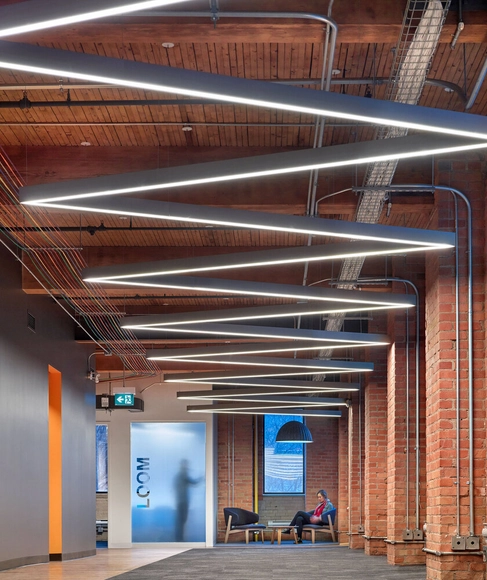
Lighting has evolved remarkably throughout architectural history, driven by significant technological advances. Despite these changes, its central purpose of enhancing aesthetics, functionality, and safety has remained consistent. In this evolution process, a milestone can be traced with the transition from fluorescent lighting to LED lighting, marking a turning point that has reduced costs and energy consumption. Furthermore, it has fueled creativity, thanks to the versatility of LED lighting. These new design possibilities are evident in organic lighting layouts, which mimic linear patterns of lighting arrangements on walls and ceilings, whether suspended or recessed.

In this context, as architects and designers have moved away from symmetrical, rigid, and parallel mirror patterns, Alcon Lighting has detected a trend where linear lighting highlights asymmetrical architectural features and lines. In this way, layouts that do not appear to follow a rigid design pattern are being adopted.

Light as a Design Statement: Inspiring Ways to Manage Natural Lighting

Subscriber Access | 

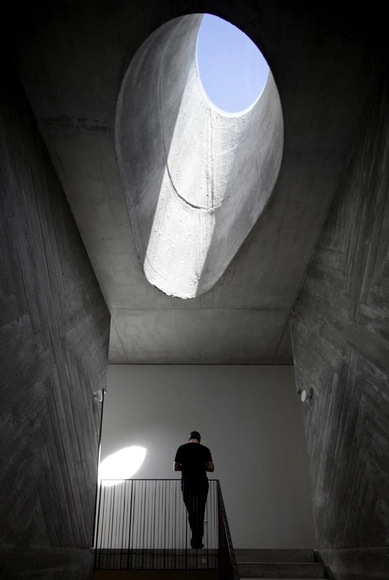
For most people, modern living requires spending most of the day in interior spaces - in fact, according to a report by the Environmental Protection Agency, the average person spends around 90% of their life indoors. As a result, this implies missing out on health benefits associated with sunlight exposure, such as vitamin D absorption, regulation of circadian rhythms, higher energy levels and even improved mood. Thus, one option is to increase the amount of time we spend outdoors. But because most daily functions are carried out inside buildings, it is crucial to incorporate and prioritize natural lighting in interiors.

Changing Iconography of Ecclesiastical Architecture: 20 Examples of Contemporary Stained Glass in Churches

Subscriber Access | 

Whatever religion we classify ourselves as – or even if we actively renounce or denounce organized religion in all its forms – the one aspect of Christianity those in predominantly Christian countries are touched by at some point in their lives, is the classical aesthetic of church architecture.

Whether we actively attend church multiple times a week, begrudgingly once or twice a year, or once every ten years for one of life’s trinity of events: births, deaths, and marriages, while there we’re struck by the soaring arches, intricate stonework, and, on a sunny day, the spiritual beauty and colorful rainbows of light that stream through stained glass windows.

Changing Iconography of Ecclesiastical Architecture: 20 Examples of Contemporary Stained Glass in Churches - Image 1 of 4Changing Iconography of Ecclesiastical Architecture: 20 Examples of Contemporary Stained Glass in Churches - Image 2 of 4Changing Iconography of Ecclesiastical Architecture: 20 Examples of Contemporary Stained Glass in Churches - Image 3 of 4Changing Iconography of Ecclesiastical Architecture: 20 Examples of Contemporary Stained Glass in Churches - Image 4 of 4Changing Iconography of Ecclesiastical Architecture: 20 Examples of Contemporary Stained Glass in Churches - More Images+ 22

Women Light Artists Explore the Intersection of Space, Technology and Community

In the world of interior design, light serves as an essential medium, but light can also create immersive public spaces. While James Turrell, Olafur Eliasson, and Dan Flavin are celebrated for their transformative mastery of color, reflections, and luminous contrasts, it's crucial to note that the realm of light art isn't exclusively male-dominated. In response to the underrepresentation of female light artists, a refreshing and enlightening perspective emerges from the British lighting designers Sharon Stammers and Martin Lupton of Light Collective.

After founding the platform "Women in Lighting" their book "Women Light Artists," takes a bold step in introducing us to 40 creative women whose work radiates with responsive ingenuity and brilliance. The book offers a captivating spectrum of projects from interactive pools to the play of colorful daylight shadows dancing across a bridge in London, from the peaceful projection onto an iconic Berlin landmark to the vivid rainbow arching above Manhattan's skyline, each work embodies a unique dialogue between light and space. The luminous journey offers a valuable tribute to the power of female artists who, for far too long, have remained in the shadows.

Women Light Artists Explore the Intersection of Space, Technology and Community - Image 1 of 4Women Light Artists Explore the Intersection of Space, Technology and Community - Image 2 of 4Women Light Artists Explore the Intersection of Space, Technology and Community - Image 3 of 4Women Light Artists Explore the Intersection of Space, Technology and Community - Image 4 of 4Women Light Artists Explore the Intersection of Space, Technology and Community - More Images+ 5

Light Through Lines: Seamless Design for Creative Architectural Spaces

 | Sponsored Content

In the realm of architecture and interior design, lighting is a pivotal force in enhancing the overall atmosphere of a space. A harmonious interplay of light and design can elevate the ambiance and functionality of any architectural environment. Through meticulous attention to detail and innovative design principles, architects and designers can craft spaces that are not only visually stunning but also experientially enriching. By carefully considering these factors, creative architectural spaces can be brought to life, evoking emotions and transforming the way we perceive and interact with our surroundings.

In today's ever-evolving world, lighting has embraced a particular emphasis on new and streamlined proposals. Designed by Ramos & Bassols, the Spa collection by Vibia stands out for its adaptability, seamless design, and lighting performance. With its minimalist and refined form, the Spa LED lighting system offers compositional freedom, enabling designers to craft a wide range of atmospheres, from intimate corners dedicated to personal well-being to functional areas designed for general purposes.