1. ArchDaily
  2. Lagoon

Lagoon: The Latest Architecture and News

Gonio Yachts & Marina Masterplan by Spectrum Architecture to Transform Georgia’s Black Sea Coast

 | Sponsored Content

Spectrum Architecture, in collaboration with SOG and F&M, introduces the masterplan for Gonio Yachts and Marina—a significant waterfront development on the Black Sea coast designed to provide high-end residential and hospitality infrastructure for over 30,000 people.

The project is part of EMAAR's substantial investment in Georgian real estate under the Eagle Hills brand, which plans to develop two megaprojects in Tbilisi and Batumi. The total investment exceeds $6.5 billion and aims to attract $10 billion in foreign direct investment, generate 30,000 jobs across multiple sectors, and host 350,000 visitors annually.
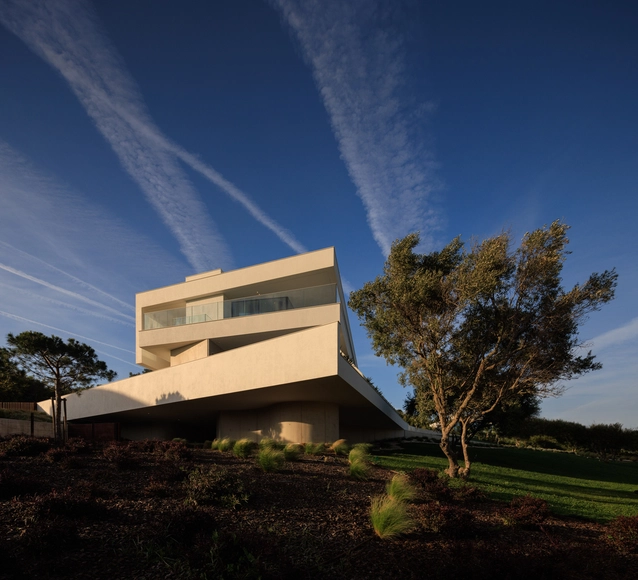

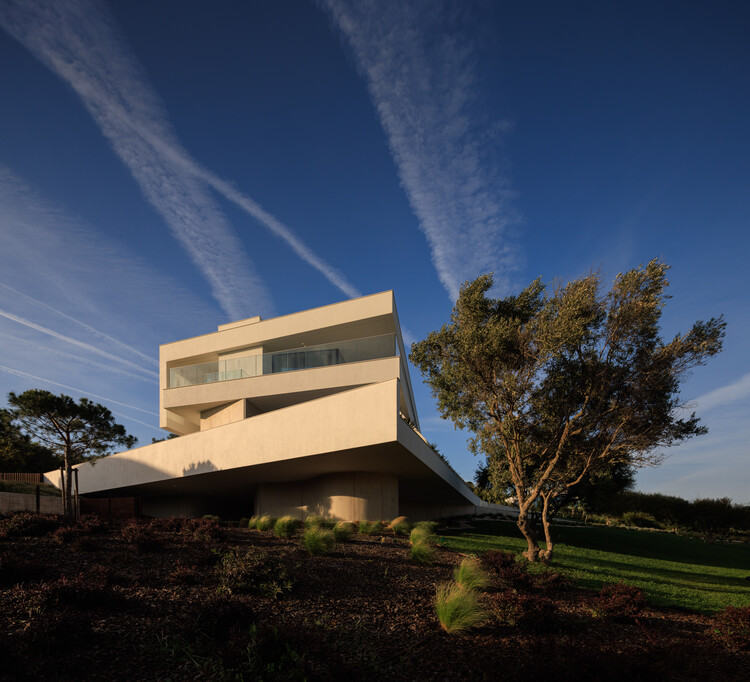
Ria House / Mário Martins Atelier

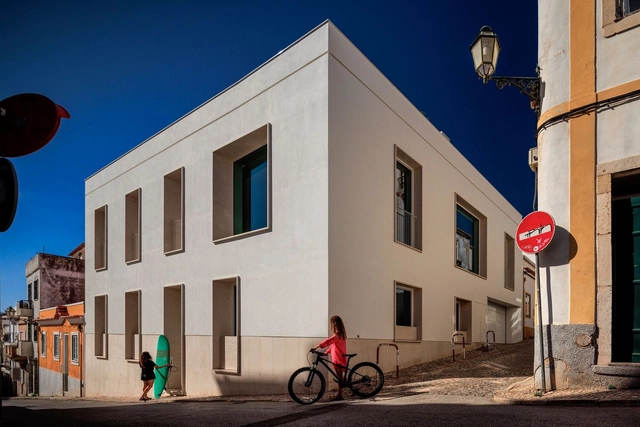
Ria House / Mário Martins Atelier - Exterior Photography, HousesRia House / Mário Martins Atelier - HousesRia House / Mário Martins Atelier - Interior Photography, HousesRia House / Mário Martins Atelier - HousesRia House / Mário Martins Atelier - More Images+ 22

Lagos, Portugal

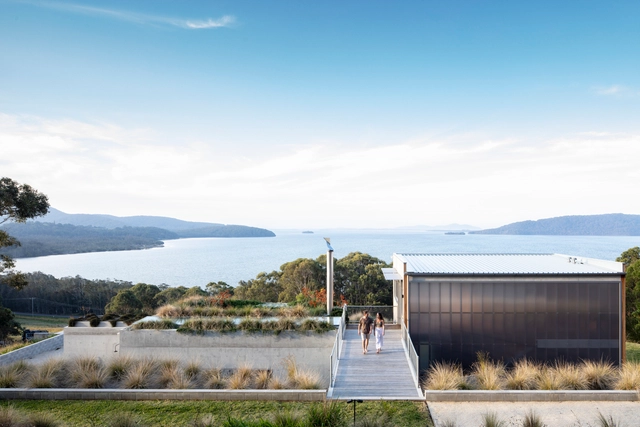
Architecture Reflected in Water: 20 Lakeside Homes

Subscriber Access | 

On the shores of serene lakes, where water reflects the harmony between architecture and nature, homes emerge as true retreats. Designed to offer comfort and a deep connection with the surroundings, these residences stand out worldwide for their diverse materials and scales, adapting to different landscapes and lifestyles. From remote wooden cabins to sophisticated concrete and glass mansions in urban areas, each project takes advantage of natural resources and the unique characteristics of its setting.

Architecture Reflected in Water: 20 Lakeside Homes - Image 1 of 4Architecture Reflected in Water: 20 Lakeside Homes - Image 2 of 4Architecture Reflected in Water: 20 Lakeside Homes - Image 3 of 4Architecture Reflected in Water: 20 Lakeside Homes - Image 4 of 4Architecture Reflected in Water: 20 Lakeside Homes - More Images+ 24

Tosin Oshinowo: Redefining African Architecture Through Context and Collaboration

Architecture is a discipline where theory and practice meet, transforming abstract ideas into spaces that shape and respond to human lives and identity. For Nigerian architect and curator Tosin Oshinowo, this dynamic is at the core of her work. As the founder of Oshinowo Studio and curator of the 2023 Sharjah Architecture Triennial, she has carved a unique path in contemporary architecture by blending cultural specificity, climate consciousness, and global relevance.

In the documentary Women in Architecture, released November 12, 2024, Tosin Oshinowo is featured alongside Dorte Mandrup, exploring diverse perspectives within architecture, with Oshinowo's work taking center stage as an example of how architecture can respond meaningfully to cultural and environmental contexts. Produced by Sky-Frame in collaboration with ArchDaily and directed by Boris Noir, the film builds upon the first episode, highlighting Toshiko Mori, Gabriela Carrillo, and Johanna Meyer-Grohbrügge.

Tosin Oshinowo: Redefining African Architecture Through Context and Collaboration - Image 1 of 4Tosin Oshinowo: Redefining African Architecture Through Context and Collaboration - Image 2 of 4Tosin Oshinowo: Redefining African Architecture Through Context and Collaboration - Image 3 of 4Tosin Oshinowo: Redefining African Architecture Through Context and Collaboration - Image 4 of 4Tosin Oshinowo: Redefining African Architecture Through Context and Collaboration - More Images+ 19

Amplifying Female Voices: Premiering the Second Chapter of 'Women in Architecture"

"It's a long journey, but it's a valuable journey, and it's a journey that does reap rewards in the end". 

ArchDaily is excited to present the second installment of the docu-series Women in Architecture, a project launched by Sky-Frame and directed by Boris Noir. Following an initial episode featuring Toshiko Mori, Gabriela Carrillo, and Johanna Meyer-Grohbrügge, the documentary moves to Copenhagen and Lagos, spotlighting Dorte Mandrup and Tosin Oshinowo. "Two distinct personalities at very different stages in their lives and careers," as Boris Noir describes it, the protagonists bring unique perspectives to similar challenges.

Amplifying Female Voices: Premiering the Second Chapter of 'Women in Architecture" - Image 1 of 4Amplifying Female Voices: Premiering the Second Chapter of 'Women in Architecture" - Image 2 of 4Amplifying Female Voices: Premiering the Second Chapter of 'Women in Architecture" - Image 3 of 4Amplifying Female Voices: Premiering the Second Chapter of 'Women in Architecture" - Image 4 of 4Amplifying Female Voices: Premiering the Second Chapter of 'Women in Architecture - More Images+ 13

Documenting Female Voices in Architecture: “Women in Architecture” Returns in Second Chapter

"We think we are diverse, and we think we have equality, but is that really the case?"

Highlighting the stories of female architecture shaping the built environment, the documentary "Women in Architecture", by Boris Noir returns for a second chapter. Initiated by Sky-Frame, in collaboration with ArchDaily, this installment of the docu-series delves into the stories of Dorte Mandrup and Tosin Oshinowo, drawing a parallelism between both of their lives and focusing on their distinct paths and challenges. Stay tuned for the online screening on November 12th at 7:30 am EST, 12:30 pm CET on ArchDaily.
What Architectural Opportunities Will the Trans-West African Coastal Highway Provide?

Subscriber Access | 

Traveling on land through vast regional areas of African countries has been an inefficient ordeal, particularly in West Africa. Google Maps optimistically estimates it would take 53 hours to drive nonstop from Lagos, Nigeria's largest city, to Dakar, Senegal's capital. However, this estimate doesn't account for the poor road infrastructure, complex border crossings, and socio-economic challenges that realistically extend the journey to about a week.

This is why the ongoing Trans-West African Coastal Highway project offers a great opportunity to connect and unlock the region's potential. This project, also known as TAH 7, is a transnational highway initiative linking 12 West African coastal nations, from Mauritania in the northwest to Nigeria in the east. Its gradual construction opens new avenues for freight movement, rail infrastructure, and, more importantly, innovative forms of architecture around borders, addressing their unique socio-cultural functions.

What Architectural Opportunities Will the Trans-West African Coastal Highway Provide? - Image 1 of 4What Architectural Opportunities Will the Trans-West African Coastal Highway Provide? - Image 2 of 4What Architectural Opportunities Will the Trans-West African Coastal Highway Provide? - Image 3 of 4What Architectural Opportunities Will the Trans-West African Coastal Highway Provide? - Image 4 of 4What Architectural Opportunities Will the Trans-West African Coastal Highway Provide? - More Images+ 4

Urban Farming: A Sustainable Pathway Out of Nigeria’s Unfolding Food Crisis

A recent report from Nigeria’s Ministry of Agriculture predicts that at least 31.5 million citizens may experience a food and nutrition crisis between June and August of this year. This alarming data highlights the severity of the food crisis that has progressively escalated over the last few years. The high prices of fruits and vegetables and their dwindling supply in local markets are already evident, as major staples disappear from food tables. This situation portends a bleak future for Nigeria as most people struggle to make ends meet, even in better times.

Urban Farming: A Sustainable Pathway Out of Nigeria’s Unfolding Food Crisis - Image 1 of 4Urban Farming: A Sustainable Pathway Out of Nigeria’s Unfolding Food Crisis - Image 2 of 4Urban Farming: A Sustainable Pathway Out of Nigeria’s Unfolding Food Crisis - Image 3 of 4Urban Farming: A Sustainable Pathway Out of Nigeria’s Unfolding Food Crisis - Image 4 of 4Urban Farming: A Sustainable Pathway Out of Nigeria’s Unfolding Food Crisis - More Images

The 2024 Largest Cities in the World by Population

More than half of the world's population resides in urban areas, with over 4 billion people depending on cities as their main environment. According to the United Nationslatest report on populations in cities, this number is expected to continue to increase over the next 50 years, prompting cities worldwide to strive to find better ways to accommodate their growing population while transitioning to more sustainable urban practices. To highlight this responsibility, the United Nations has declared July 11th the World Population Day.

Under this year’s theme, “To Leave No One Behind, Count Everyone,” the UN aims to also draw attention to the importance of data collection for reflecting societal diversity. The growth of world cities is part of this equation as an important measure for understanding global population trends. The following list presents the top 20 cities worldwide in 2024, ranked by the population size of their metropolitan areas. Comparing the results to the previous editions, the only cities to reduce their size are the two cities from Japan, Tokyo and Osaka. The highest growth rates can be observed in African mega-cities, Kinshasa and Lagos, while China continues to be the most present country in the list, with 5 metropolises present in the top 20: Shanghai, Beijing, Chongqing, Tianjin, and Guangzhou.

The 2024 Largest Cities in the World by Population - Image 1 of 4The 2024 Largest Cities in the World by Population - Image 2 of 4The 2024 Largest Cities in the World by Population - Image 3 of 4The 2024 Largest Cities in the World by Population - Image 4 of 4The 2024 Largest Cities in the World by Population - More Images+ 17

“Abandoned Buildings Provide the Potential for a Regenerative Future”: In Conversation With Limbo Accra

Subscriber Access | 

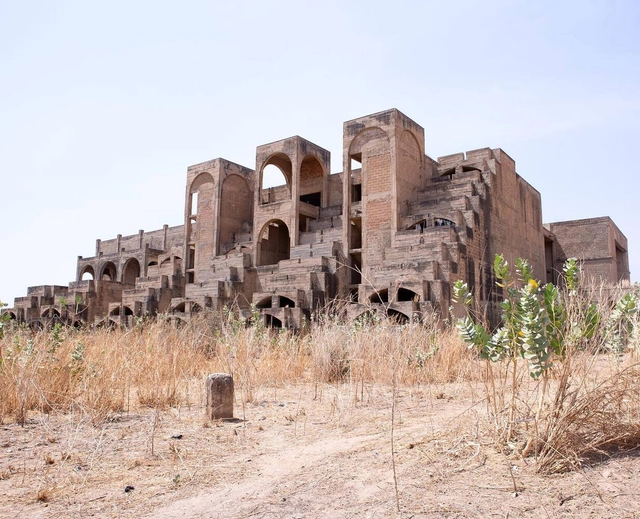
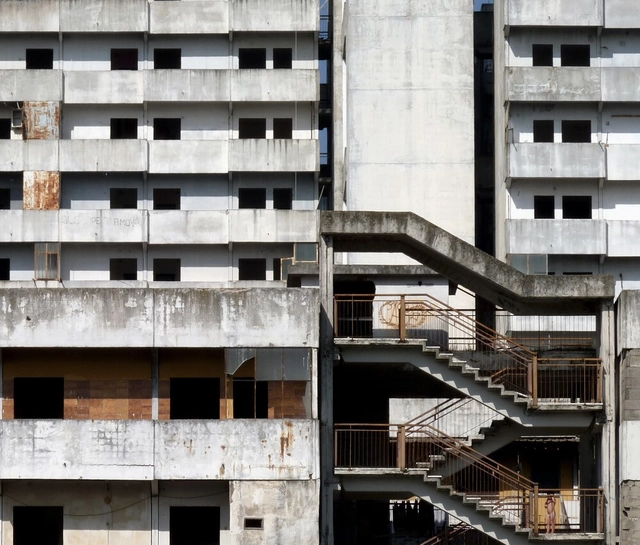
There is an increasing character of abandoned buildings in many African cities and Limbo Accra; a spatial design practice, roots itself in the experimentation of their repair, reuse, and transformation. The practice views these buildings as a unique architectural typology that includes key city landmarks, from the abandoned Independence house in Lagos to the incomplete airport tower in Accra, amongst others. They see them as major opportunities for modern public space and as symbolic sites for spatial justice. Through techniques such as photogrammetry, Limbo Accra has been creating a digital archive of these buildings and collaborating with artists and designers to propose new prospects for them. ArchDaily had the opportunity to speak with Dominique Petit-Frère, the co-founder of Limbo Accra, about the collective character of these buildings, Limbo Accra’s approach to their transformation, and navigating challenges in the adaptive reuse of these structures.

“Abandoned Buildings Provide the Potential for a Regenerative Future”: In Conversation With Limbo Accra - Image 1 of 4“Abandoned Buildings Provide the Potential for a Regenerative Future”: In Conversation With Limbo Accra - Image 2 of 4“Abandoned Buildings Provide the Potential for a Regenerative Future”: In Conversation With Limbo Accra - Image 3 of 4“Abandoned Buildings Provide the Potential for a Regenerative Future”: In Conversation With Limbo Accra - Image 4 of 4“Abandoned Buildings Provide the Potential for a Regenerative Future”: In Conversation With Limbo Accra - More Images+ 5

Sofia House / Mário Martins Atelier

Sofia House / Mário Martins Atelier - SustainabilitySofia House / Mário Martins Atelier - SustainabilitySofia House / Mário Martins Atelier - Interior Photography, Sustainability, Stairs, TableSofia House / Mário Martins Atelier - Interior Photography, Sustainability, FacadeSofia House / Mário Martins Atelier - More Images+ 25

Maximizing Dilapidated Infrastructure: The Potential of Repurposing Abandoned Buildings into Social Housing

As the demand for affordable housing grows and the availability of low-cost properties diminishes, stakeholders in housing must become more innovative in their approach to social housing development. One opportunity lies in restoring and repurposing abandoned buildings. While building new houses remains the primary strategy for Housing Authorities and Associations, rehabilitating derelict buildings can be a more economical option. This approach not only maximizes the use of dilapidating infrastructure but also provides an economic opportunity to increase affordable housing within the city. Although rehabilitating derelict residential buildings may seem like an obvious solution, it becomes even more crucial when considering abandoned commercial, institutional, or historical buildings for social housing.

Maximizing Dilapidated Infrastructure: The Potential of Repurposing Abandoned Buildings into Social Housing - Image 1 of 4Maximizing Dilapidated Infrastructure: The Potential of Repurposing Abandoned Buildings into Social Housing - Image 2 of 4Maximizing Dilapidated Infrastructure: The Potential of Repurposing Abandoned Buildings into Social Housing - Image 3 of 4Maximizing Dilapidated Infrastructure: The Potential of Repurposing Abandoned Buildings into Social Housing - Image 4 of 4Maximizing Dilapidated Infrastructure: The Potential of Repurposing Abandoned Buildings into Social Housing - More Images+ 1

The Making of Abijo Mosque: An Architectural Journey

The recently released “Abijo Mosque Documentary” explores the journey of designing and building the Abijo Mosque in Lagos, Nigeria. The documentary provides a detailed narrative of the design process and the cultural context around the new structure. Designed by Patrickwaheed Design Consultancy (PWDC), the mosque is a testament to the integration of traditional materials and contemporary architecture. The Abijo Mosque design also helps “build the case for a Nigerian architectural language.”

The Making of Abijo Mosque: An Architectural Journey - Image 1 of 4The Making of Abijo Mosque: An Architectural Journey - Image 2 of 4The Making of Abijo Mosque: An Architectural Journey - Image 3 of 4The Making of Abijo Mosque: An Architectural Journey - Image 4 of 4The Making of Abijo Mosque: An Architectural Journey - More Images+ 3

The 4th Lagos Biennial: Exploring the Spatial and Socio-Political Implications of Refuge

Subscriber Access | 

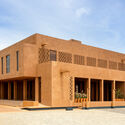
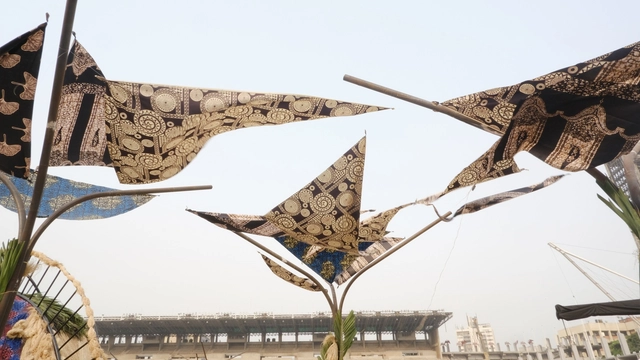
On the 3rd of February, this year's Lagos Biennial opened at the Tafawa Balewa Square, Lagos, an emblematic venue that was once the site of Nigerian independence celebrations in 1960. As the 4th edition of the art fair, it continues with its objective of using art to activate historic landmarks that have lost significance either through functional use or symbolic meaning to the residents of the former capital city.

The previous editions of the Biennial have explored various aspects of the city's architecture, its symbolic significance, political implications, sovereignty, ownership, notions of belonging, and its relationship with the public. This year, the theme of "Refuge" at the Tafawa Balewa Square takes this exploration even further. Curators Kathryn Weir and Folakunle Oshun highlight that this theme prompts the square to address the concept of a nation-state. It also brings together artists and architects from different disciplines to explore alternative approaches to constructing renewable communities and promoting climate justice.

The 4th Lagos Biennial: Exploring the Spatial and Socio-Political Implications of Refuge - Image 1 of 4The 4th Lagos Biennial: Exploring the Spatial and Socio-Political Implications of Refuge - Image 2 of 4The 4th Lagos Biennial: Exploring the Spatial and Socio-Political Implications of Refuge - Image 3 of 4The 4th Lagos Biennial: Exploring the Spatial and Socio-Political Implications of Refuge - Image 4 of 4The 4th Lagos Biennial: Exploring the Spatial and Socio-Political Implications of Refuge - More Images+ 12

Lessons from Relocating and Building New Capital Cities in the Global South

Subscriber Access | 

The relocation of a capital city is a complex urban decision with various dimensions and consequences for both the old and new capital. It can be driven by political, economic, societal, and other factors, and has urban and architectural implications for residents. These include factors such as location, planning, building design, the purpose of the old capital, climatic conditions, and separating the political/administrative hubs from cultural and economic cities.

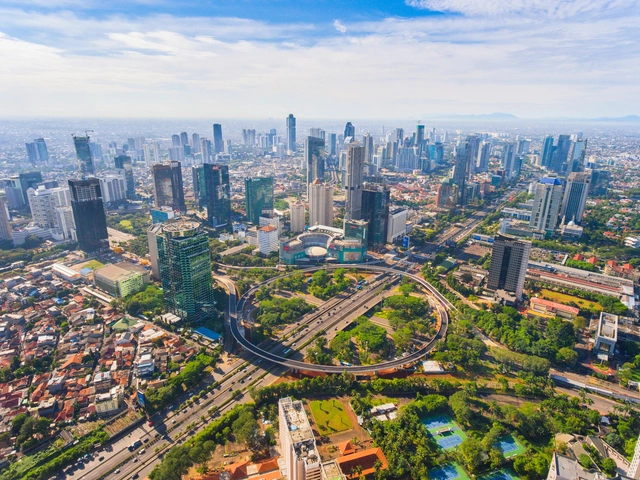
In light of the ongoing urban discourse, countries like Egypt are constructing a new capital city to alleviate population and urban stress on Cairo. Similarly, Indonesia is planning a new capital in response to challenges faced by Jakarta, such as pollution, traffic congestion, and rising sea levels. It is valuable to examine other countries in the global south that have relocated their capital cities, noting the architectural and urban lessons learned from their experiences.

Lessons from Relocating and Building New Capital Cities in the Global South - Image 1 of 4Lessons from Relocating and Building New Capital Cities in the Global South - Image 2 of 4Lessons from Relocating and Building New Capital Cities in the Global South - Image 3 of 4Lessons from Relocating and Building New Capital Cities in the Global South - Image 4 of 4Lessons from Relocating and Building New Capital Cities in the Global South - More Images+ 3

How Do You Design for Informality?

Subscriber Access | 

Informal architecture is the dominant mode of urbanization in rapidly growing and industrializing cities worldwide. In Delhi, the city with the largest population in India has half of its residents living in informal settlements. Lagos, with a population of over 22 million, also has 60% of its residents living in informal settlements. This pattern is also observed in Cairo, Johannesburg, Kinshasa, and other cities in the global south that face similar challenges of inequality and housing shortages. As their population grows and urbanization progresses, the exploration of informal architecture schemes to address the demand for affordable housing and basic services will only increase. While the primary purpose of design is to provide structure, lessons from informal architecture offer insights into how architects can respond to such schemes.

How Do You Design for Informality? - Image 1 of 4How Do You Design for Informality? - Image 2 of 4How Do You Design for Informality? - Image 3 of 4How Do You Design for Informality? - Image 4 of 4How Do You Design for Informality? - More Images+ 3

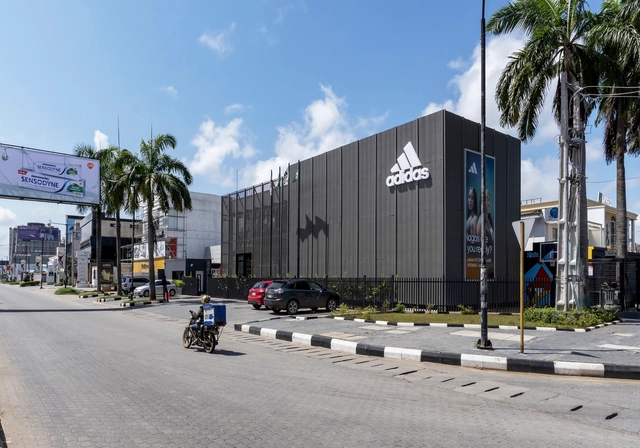
adidas Flagship Store Lagos / Oshinowo Studio

adidas Flagship Store Lagos / Oshinowo Studio - Exterior Photography, Store, Facadeadidas Flagship Store Lagos / Oshinowo Studio - Exterior Photography, Store, Facade, Columnadidas Flagship Store Lagos / Oshinowo Studio - Exterior Photography, Store, Facadeadidas Flagship Store Lagos / Oshinowo Studio - Exterior Photography, Store, Facadeadidas Flagship Store Lagos / Oshinowo Studio - More Images+ 11

Lagos, Nigeria
  • Architects: Oshinowo Studio
  • Area Area of this architecture project Area:  380
  • Year Completion year of this architecture project Year:  2023
  • Manufacturers Brands with products used in this architecture project
    Manufacturers:  Kasso

Places of Protest in Africa: Public Spaces for Engaging & Fostering Democracy

Subscriber Access | 

Protest has always been a powerful tool for creating change, and public spaces provide a platform for social engagement in societies. As part of the International Day of Democracy, we examine Africa, its series of emerging protests in the past year, and how citizens in various countries question political justice, demand better living standards from their government, and interrogate their nation’s sovereignty. With demonstrations ranging from organized large-scale marches to smaller spontaneous outbursts, residents of these countries have explored public spaces in symbolic and significant ways to amplify their voices. These spaces include public squares with cultural and historical meaning, sites of political buildings, or makeshift protest areas such as roads and open areas. Through this, African cities show how people make these spaces their own and how the power of their conglomeration cannot be ignored in unwrapping the democratic essence of public spaces.

Places of Protest in Africa: Public Spaces for Engaging & Fostering Democracy - Image 1 of 4Places of Protest in Africa: Public Spaces for Engaging & Fostering Democracy - Image 2 of 4Places of Protest in Africa: Public Spaces for Engaging & Fostering Democracy - Image 3 of 4Places of Protest in Africa: Public Spaces for Engaging & Fostering Democracy - Image 4 of 4Places of Protest in Africa: Public Spaces for Engaging & Fostering Democracy - More Images+ 6