1. ArchDaily
  2. Kengo Kuma

Kengo Kuma: The Latest Architecture and News

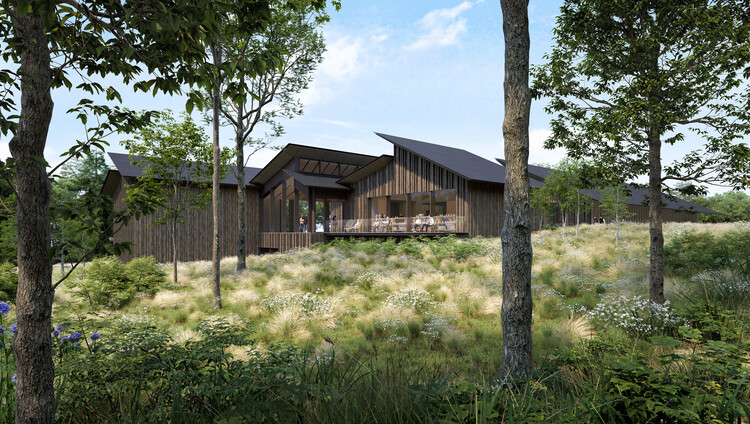
Kengo Kuma & Associates and Field Operations to Renovate Pennsylvania’s Brandywine Conservancy & Museum of Art

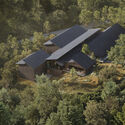
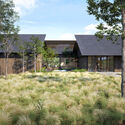
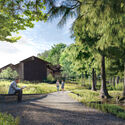
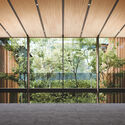
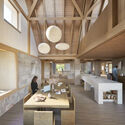
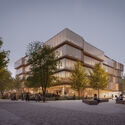
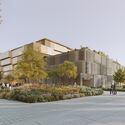
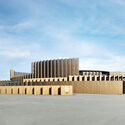
The Brandywine Conservancy & Museum of Art, located near Philadelphia, is dedicated to promoting the natural and cultural connections between the region's landscape, historic sites, and artists. The Conservancy protects land and waterways throughout the Brandywine Valley and other priority conservation areas, while the Museum houses a collection of American art, with particular strengths in landscape and still life painting, portraiture, and illustration. On May 6, 2026, the institution announced a project to transform its 15-acre campus, including the renovation of the historic museum building, a new museum building by Kengo Kuma & Associates, and conservation and landscape interventions by Field Operations that will create a publicly accessible 325-acre reserve with ten miles of trails.

Kengo Kuma & Associates and Field Operations to Renovate Pennsylvania’s Brandywine Conservancy & Museum of Art - Image 1 of 4Kengo Kuma & Associates and Field Operations to Renovate Pennsylvania’s Brandywine Conservancy & Museum of Art - Image 2 of 4Kengo Kuma & Associates and Field Operations to Renovate Pennsylvania’s Brandywine Conservancy & Museum of Art - Image 3 of 4Kengo Kuma & Associates and Field Operations to Renovate Pennsylvania’s Brandywine Conservancy & Museum of Art - Image 4 of 4Kengo Kuma & Associates and Field Operations to Renovate Pennsylvania’s Brandywine Conservancy & Museum of Art - More Images+ 3

From Lighting to Modular Systems: ArchDaily’s Selection of 13 Architect-Designed Objects at Milan Design Week 2026

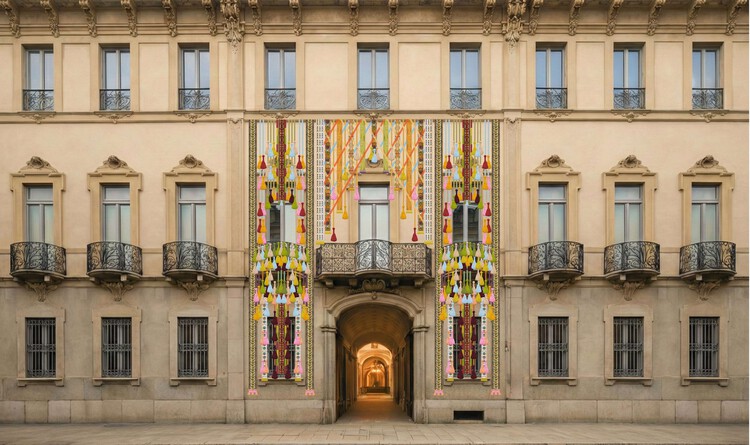
Each spring, Milan Design Week 2026 transforms the city into a distributed platform for design culture, where prototypes, product launches, and research-driven explorations coexist across multiple scales, including a growing presence of architect-designed objects. Held from April 20 to 26, the 2026 edition once again centered around the 64th Salone del Mobile.Milano at Fiera Milano, complemented by a network of independent venues and exhibitions throughout the city, an expanded landscape that is further reflected in ArchDaily's accompanying selection of installations and exhibitions from this year's program.

From Lighting to Modular Systems: ArchDaily’s Selection of 13 Architect-Designed Objects at Milan Design Week 2026 - Image 1 of 4From Lighting to Modular Systems: ArchDaily’s Selection of 13 Architect-Designed Objects at Milan Design Week 2026 - Image 2 of 4From Lighting to Modular Systems: ArchDaily’s Selection of 13 Architect-Designed Objects at Milan Design Week 2026 - Image 3 of 4From Lighting to Modular Systems: ArchDaily’s Selection of 13 Architect-Designed Objects at Milan Design Week 2026 - Image 4 of 4From Lighting to Modular Systems: ArchDaily’s Selection of 13 Architect-Designed Objects at Milan Design Week 2026 - More Images+ 6

Kengo Kuma & Associates Unveils Its First Project in Ecuador with Qapital Tower

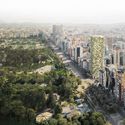
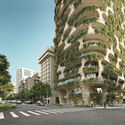
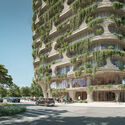
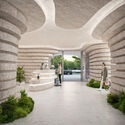
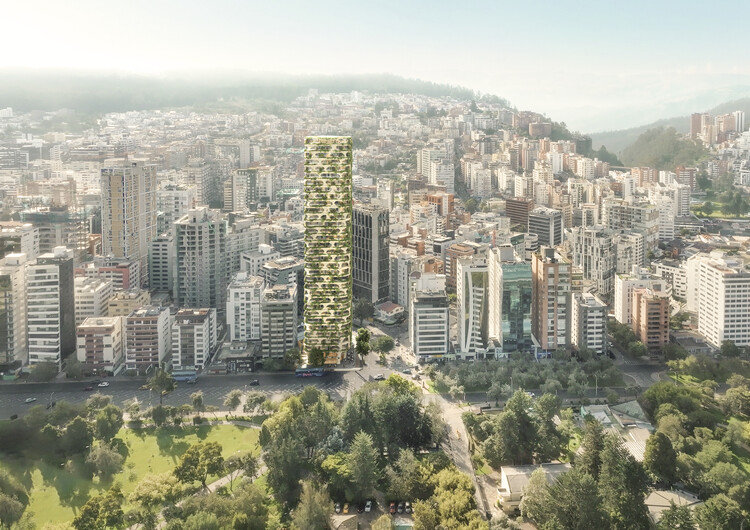
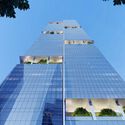
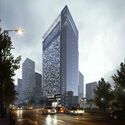
Kengo Kuma & Associates has unveiled plans for Qapital, a 32-story mixed-use tower set to rise in Quito, Ecuador, in collaboration with local developer Uribe Schwarzkopf. Scheduled for completion in 2029, the project marks Japanese architect Kengo Kuma's first work in the country, extending the studio's international portfolio into the South American context. Located opposite La Carolina Park in Quito's central business district, the 125.8-meter tower introduces a vertically organized program that brings together residential, commercial, and shared amenities.

Kengo Kuma & Associates Unveils Its First Project in Ecuador with Qapital Tower - Image 1 of 4Kengo Kuma & Associates Unveils Its First Project in Ecuador with Qapital Tower - Image 2 of 4Kengo Kuma & Associates Unveils Its First Project in Ecuador with Qapital Tower - Image 3 of 4Kengo Kuma & Associates Unveils Its First Project in Ecuador with Qapital Tower - Image 4 of 4Kengo Kuma & Associates Unveils Its First Project in Ecuador with Qapital Tower - More Images+ 5

Milan Design Week 2026: Must-See Installations, Exhibitions, and Events

From April 20 to 26, Milan Design Week 2026 returns as a citywide platform where design operates as both a cultural practice and a form of exploration. Framed by the Fuorisalone theme "Be the Project," this year's edition shifts the focus from outcome to process, positioning design as a dynamic, human-centered act shaped by intuition, responsibility, and transformation. Installations and exhibitions across the city foreground making as an open-ended condition, one that embraces error, temporality, and experimentation as integral to creative production. Within this context, design becomes a space of exchange between disciplines, materials, and intelligences, reflecting broader conversations around sustainability, emerging technologies, and the evolving relationship between the physical and the digital.

Milan Design Week 2026: Must-See Installations, Exhibitions, and Events - Image 1 of 4Milan Design Week 2026: Must-See Installations, Exhibitions, and Events - Image 2 of 4Milan Design Week 2026: Must-See Installations, Exhibitions, and Events - Image 3 of 4Milan Design Week 2026: Must-See Installations, Exhibitions, and Events - Image 4 of 4Milan Design Week 2026: Must-See Installations, Exhibitions, and Events - More Images+ 14

Kengo Kuma and Associates Wins Competition to Design New Wing for London's National Gallery

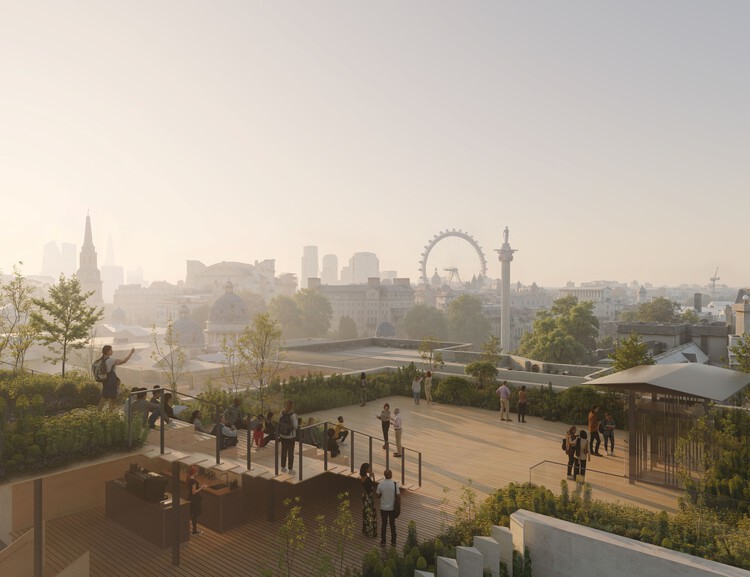
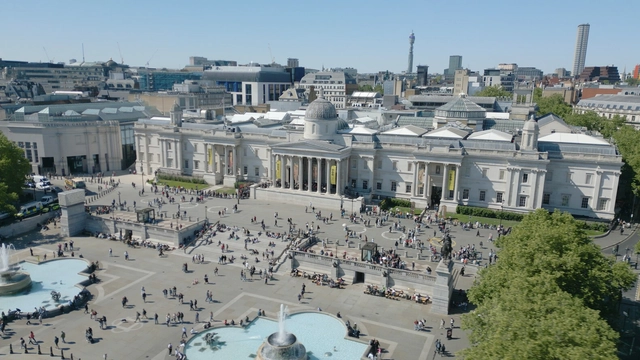
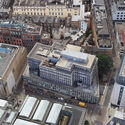
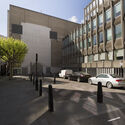
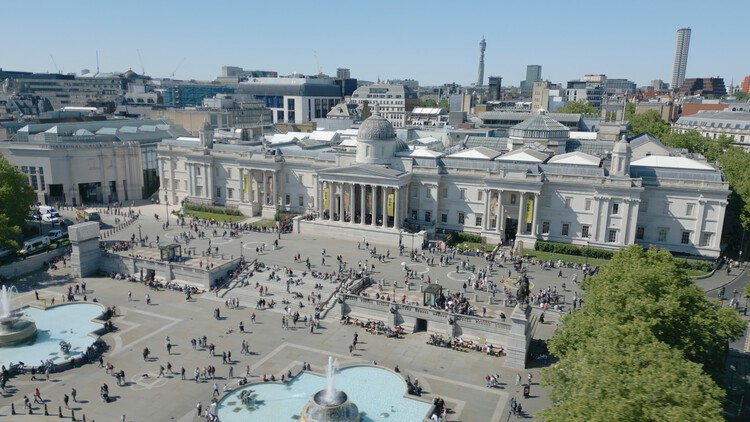
London's National Gallery has announced Kengo Kuma & Associates, in collaboration with BDP and MICA, as the winners of the international competition to design a new wing for the institution. Launched in September 2025, the competition attracted 65 submissions from international practices, from which six teams were shortlisted to develop proposals. The selection marks a key milestone in the institution's long-term development strategy, Project Domani, positioning the new addition as a central component in the reconfiguration of its architectural and curatorial framework. Conceived as the most significant transformation of the museum since its establishment in 1824, the project aims to expand both spatial capacity and curatorial scope, enabling the presentation of a continuous narrative of Western painting within a single setting.

Kengo Kuma and Associates Wins Competition to Design New Wing for London's National Gallery - Image 1 of 4Kengo Kuma and Associates Wins Competition to Design New Wing for London's National Gallery - Image 2 of 4Kengo Kuma and Associates Wins Competition to Design New Wing for London's National Gallery - Image 3 of 4Kengo Kuma and Associates Wins Competition to Design New Wing for London's National Gallery - Image 4 of 4Kengo Kuma and Associates Wins Competition to Design New Wing for London's National Gallery - More Images+ 1

Frank Lloyd Wright’s Fallingwater Restoration and Salone del Mobile.Milano 2026: This Week’s Review

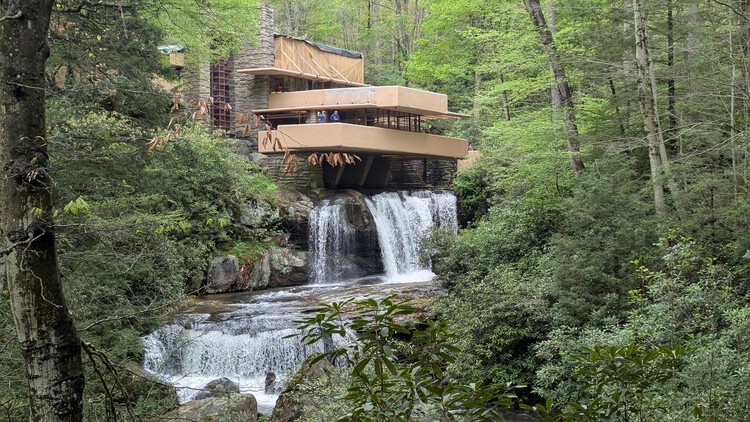
This week marked World Health Day, observed annually on April 7 by the World Health Organization. This year's edition issued the call to "Stand with science," inviting renewed engagement with scientific knowledge as a foundation for collective action across disciplines. In architecture and urban design, this imperative resonates through projects that translate research into spatial strategies: from the deployment of digital twins to inform urban planning and decision-making, to rewilding initiatives that integrate biodiversity as a tool to mitigate climate change, and materially informed practices that engage resource-conscious construction. Within this broader framework, recent works also foreground architecture's social agency at multiple scales, including a landscape-driven cancer support center in Kent that aligns wellbeing with environmental sensitivity, an urban installation in Brescia operating as a civic awareness device around life in prison and pathways to reintegration, and the transformation of a street in Mantua into a pedestrian-oriented, biodiversity-rich public space.

Frank Lloyd Wright’s Fallingwater Restoration and Salone del Mobile.Milano 2026: This Week’s Review - Image 1 of 4Frank Lloyd Wright’s Fallingwater Restoration and Salone del Mobile.Milano 2026: This Week’s Review - Image 2 of 4Frank Lloyd Wright’s Fallingwater Restoration and Salone del Mobile.Milano 2026: This Week’s Review - Image 3 of 4Frank Lloyd Wright’s Fallingwater Restoration and Salone del Mobile.Milano 2026: This Week’s Review - Image 4 of 4Frank Lloyd Wright’s Fallingwater Restoration and Salone del Mobile.Milano 2026: This Week’s Review - More Images+ 30

Kengo Kuma & Associates Present Site-Specific Installation “Earth | Tree” at Copenhagen Contemporary

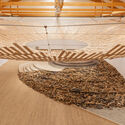
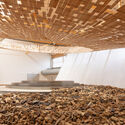
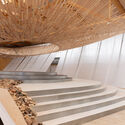
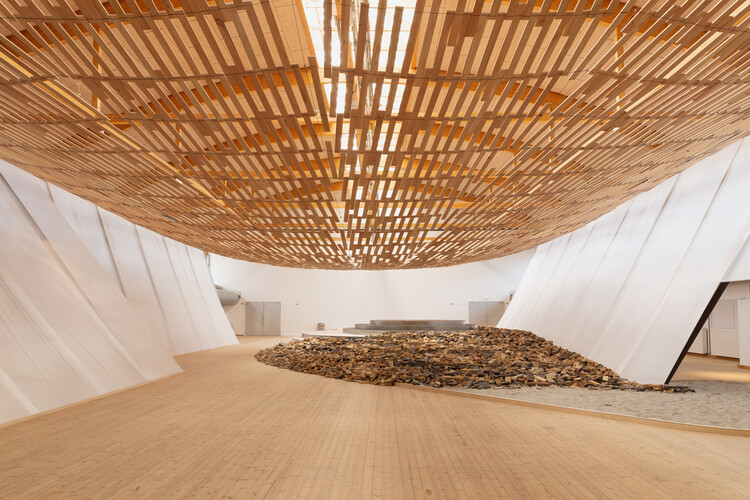
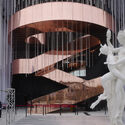
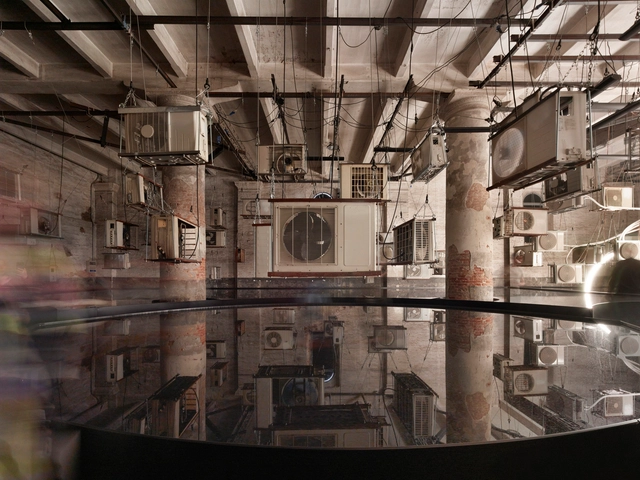
Japanese architect Kengo Kuma and his studio Kengo Kuma & Associates (KKAA) have unveiled Earth | Tree, a site-specific installation at Copenhagen Contemporary, developed in collaboration with Danish wood manufacturer Dinesen. Opened on March 28, 2026, as part of the institution's CCreate programme, the project occupies a former industrial hall, introducing a spatial intervention defined by timber, brick, and light. Led by partner Yuki Ikeguchi, with team members Asger T. Taarnberg, Nicolas Guichard, and Yasemin Shiner, the installation marks KKAA's first exhibition in Scandinavia and situates the studio's material-oriented practice within an exhibition format.

Kengo Kuma & Associates Present Site-Specific Installation “Earth | Tree” at Copenhagen Contemporary - Image 1 of 4Kengo Kuma & Associates Present Site-Specific Installation “Earth | Tree” at Copenhagen Contemporary - Image 2 of 4Kengo Kuma & Associates Present Site-Specific Installation “Earth | Tree” at Copenhagen Contemporary - Image 3 of 4Kengo Kuma & Associates Present Site-Specific Installation “Earth | Tree” at Copenhagen Contemporary - Image 4 of 4Kengo Kuma & Associates Present Site-Specific Installation “Earth | Tree” at Copenhagen Contemporary - More Images+ 13

Rotterdam’s Sustainability Landmark and Brisbane’s 2032 Olympic Stadium: This Week’s Review

Architecture this week reflects the intersections of legacy, authorship, and social responsibility, as practices navigate questions of identity, recognition, and public engagement. Legal rulings, major competition shortlists, and large-scale urban proposals illustrate how architecture continues to operate across cultural, institutional, and environmental arenas. From sustainability-driven landmarks and transformative waterfront developments to iconic commercial towers, projects demonstrate approaches to ecological strategies and public programming. At the same time, global observances such as World Hearing Day highlight how spatial design shapes inclusion and accessibility, reminding the profession that the built environment can influence participation, learning, and well-being for diverse communities.

Rotterdam’s Sustainability Landmark and Brisbane’s 2032 Olympic Stadium: This Week’s Review - Image 1 of 4Rotterdam’s Sustainability Landmark and Brisbane’s 2032 Olympic Stadium: This Week’s Review - Image 2 of 4Rotterdam’s Sustainability Landmark and Brisbane’s 2032 Olympic Stadium: This Week’s Review - Image 3 of 4Rotterdam’s Sustainability Landmark and Brisbane’s 2032 Olympic Stadium: This Week’s Review - Image 4 of 4Rotterdam’s Sustainability Landmark and Brisbane’s 2032 Olympic Stadium: This Week’s Review - More Images+ 11

Centro de Arte Moderna Gulbenkian

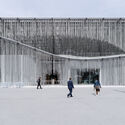
This volume celebrates the latest architectural endeavor of the Gulbenkian Foundation in Lisbon: the new building of the Centro de Arte Moderna (CAM), designed by architect Kengo Kuma in collaboration with the landscape architect Vladimir Djurovic. More than a building, this project is a living dialogue between architecture, nature, and the city—transforming museum and garden into a unified public space, rooted in the Foundation’s cultural mission.

ArchDaily’s Readers Select Who Should Win the 2026 Pritzker Prize

As the architecture community looks ahead to the announcement of the 2026 laureate of the Pritzker Architecture Prize, anticipation once again gathers around what is widely regarded as the profession's highest honor. Founded in 1979 by Jay Pritzker and administered by the Hyatt Foundation, the prize recognizes a living architect whose body of work demonstrates a consistent and significant contribution to humanity and the built environment.

ArchDaily’s Readers Select Who Should Win the 2026 Pritzker Prize - Image 1 of 4ArchDaily’s Readers Select Who Should Win the 2026 Pritzker Prize - Image 2 of 4ArchDaily’s Readers Select Who Should Win the 2026 Pritzker Prize - Image 3 of 4ArchDaily’s Readers Select Who Should Win the 2026 Pritzker Prize - Image 4 of 4ArchDaily’s Readers Select Who Should Win the 2026 Pritzker Prize - More Images+ 7

Kengo Kuma and Associates to Design Spiral-Shaped Public Library in Rzeszów, Poland

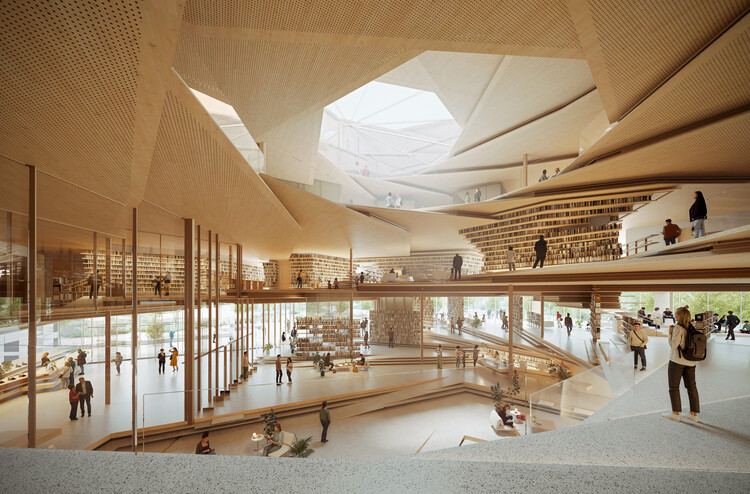
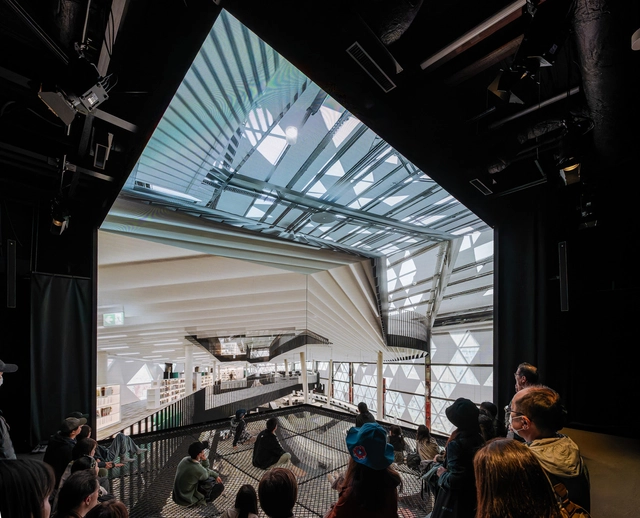
Kengo Kuma and Associates was recently awarded first prize in the competition to design a new library in Rzeszów, the capital of the Subcarpathian Voivodeship in southeastern Poland. The city, home to nearly 200,000 residents, lies on the Wisłok River and is known as a center for the aviation industry. Strategically positioned along the main Kraków-Lviv railway and road corridor, it also serves as an important transit point near the Ukrainian border. Located on Józef Piłsudski Avenue, the new library is conceived as a connector between the Marshal's Office of the Podkarpackie Voivodeship and the nearby Secondary School Complex, reinforcing the area's civic character. The program combines traditional library functions with cultural, educational, and artistic spaces. In addition to reading and collection areas, an expanded event zone includes a music hall, multifunctional hall, conference rooms, and administrative areas. A spiraling library volume forms the tallest element of the complex, while event spaces and roof terraces extend the program outward, linking the building's activities with the surrounding city.

Kengo Kuma and Associates to Design Spiral-Shaped Public Library in Rzeszów, Poland - Image 1 of 4Kengo Kuma and Associates to Design Spiral-Shaped Public Library in Rzeszów, Poland - Image 2 of 4Kengo Kuma and Associates to Design Spiral-Shaped Public Library in Rzeszów, Poland - Image 3 of 4Kengo Kuma and Associates to Design Spiral-Shaped Public Library in Rzeszów, Poland - Image 4 of 4Kengo Kuma and Associates to Design Spiral-Shaped Public Library in Rzeszów, Poland - More Images+ 7

“Built Environment: An Alternative Guide to Japan” Exhibition in Montréal Examines Resilient Japanese Architecture

The exhibition Built Environment: An Alternative Guide to Japan at the Université du Québec à Montréal's (UQAM) Centre de design will be on view until January 25, 2026. Curated by Shunsuke Kurakata, Satoshi Hachima, and Kenjiro Hosaka, it features a selection of 80 projects from Japan's 47 prefectures, including works by renowned Japanese architects such as 2014 Pritzker Prize laureate Shigeru Ban, Kengo Kuma, the designer of the Museum of Modern Art's renovation in New York Yoshio Taniguchi, celebrated landscape architect and sculptor Isamu Noguchi, and 2019 Pritzker Prize laureate Arata Isozaki. The selection aims to offer a renewed perspective on Japan through innovative buildings, civil engineering projects, and landscape designs. Organized in collaboration with the Japan Foundation and presented with the support of the Consulate General of Japan in Montreal, the exhibition is conceived as a traveling project exploring the resilience of Japanese architecture and infrastructure in the face of natural disasters and climate change.

London’s National Gallery Unveils Shortlist for Expansion Featuring Farshid Moussavi, Foster + Partners, RPBW, and Kengo Kuma

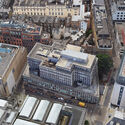
The National Gallery in London has announced six shortlisted teams for the design of a major expansion that will extend the museum into the St. Vincent House site, marking what officials describe as the most significant transformation in its 200-year history. The competition, launched in September 2025, received 65 submissions from international practices. Shortlisted proposals will shape a new wing intended to accommodate the Gallery's growing collection, welcome increasing visitor numbers, and redefine the public realm between Leicester Square and Trafalgar Square. The teams moving forward include Farshid Moussavi Architecture with Piercy & Company, Foster + Partners, Kengo Kuma and Associates with BDP and MICA, Renzo Piano Building Workshop with William Matthews Associates and Adamson Associates, Selldorf Architects with Purcell, and Studio Seilern Architects with Donald Insall Associates, Vista Building Safety, and Ralph Appelbaum Associates. The selected architect and wider technical design team are expected to be appointed by April 2026.

London’s National Gallery Unveils Shortlist for Expansion Featuring Farshid Moussavi, Foster + Partners, RPBW, and Kengo Kuma - Image 1 of 4London’s National Gallery Unveils Shortlist for Expansion Featuring Farshid Moussavi, Foster + Partners, RPBW, and Kengo Kuma - Image 2 of 4London’s National Gallery Unveils Shortlist for Expansion Featuring Farshid Moussavi, Foster + Partners, RPBW, and Kengo Kuma - Image 3 of 4London’s National Gallery Unveils Shortlist for Expansion Featuring Farshid Moussavi, Foster + Partners, RPBW, and Kengo Kuma - Image 4 of 4London’s National Gallery Unveils Shortlist for Expansion Featuring Farshid Moussavi, Foster + Partners, RPBW, and Kengo Kuma - More Images+ 1

12 Pavilions at EXPO 2025 Osaka Highlight Immersive Spatial Experiences

 | Sponsored Content

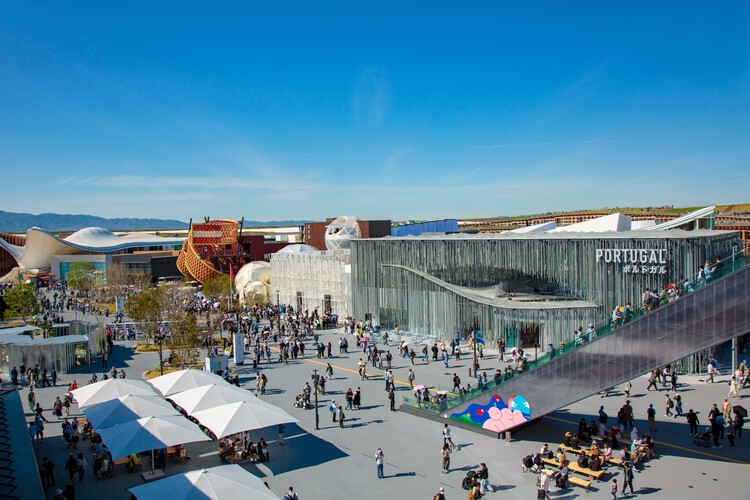
Since its inauguration this spring, Expo 2025 Osaka has captured global attention from multiple perspectives, demonstrating how architecture can function as a laboratory for exploring solutions to pressing challenges. After 55 years, Osaka is once again hosting the World Expo, with each installation organized around the sub-themes Saving Lives, Empowering Lives, and Connecting Lives. These pavilions take forms that express the identity and values of their region through distinctive architectural languages, forming the central axis of their design. Building on this foundation, some installations serve as laboratories for the future society, utilizing technology to enhance experiences both inside and outside the spaces, transforming the visit through light, sound, visuals, and movement as part of the technological innovation showcased at the event.

12 Pavilions at EXPO 2025 Osaka Highlight Immersive Spatial Experiences - Image 1 of 412 Pavilions at EXPO 2025 Osaka Highlight Immersive Spatial Experiences - Image 2 of 412 Pavilions at EXPO 2025 Osaka Highlight Immersive Spatial Experiences - Image 3 of 412 Pavilions at EXPO 2025 Osaka Highlight Immersive Spatial Experiences - Image 4 of 412 Pavilions at EXPO 2025 Osaka Highlight Immersive Spatial Experiences - More Images+ 27

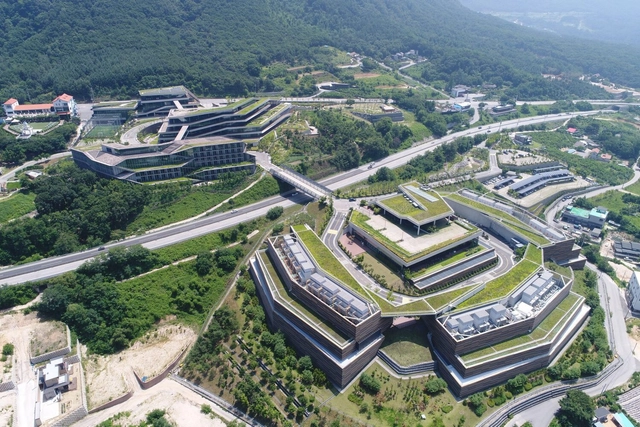
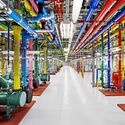
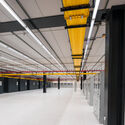
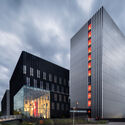
Evolution of Data Center Design: Modular Construction, Sustainable Architecture and Eclectic Form

As the AI fervor continues to reshape how people see the world, 2025 looms as yet another year in the march toward technological advancement. While some worry about the dominance of technology in society, architects are shifting their attention to the foundations of a digital future: data centers. The design of data centers challenges designers to reconcile the demands of technological functionality with the principles of architectural excellence. As the dependence on cloud computing, IoT ecosystems, and big data analytics deepens, data center architecture demands more attention. As data consumption skyrockets, data center consumption rates match the demand. These structures were once relegated to nondescript industrial zones, but are now becoming integral components of urban and suburban environments. While some community members are upset about the encroachment of data centers in their localities, others see them as indicators of economic development.

Evolution of Data Center Design: Modular Construction, Sustainable Architecture and Eclectic Form - Image 1 of 4Evolution of Data Center Design: Modular Construction, Sustainable Architecture and Eclectic Form - Image 2 of 4Evolution of Data Center Design: Modular Construction, Sustainable Architecture and Eclectic Form - Image 3 of 4Evolution of Data Center Design: Modular Construction, Sustainable Architecture and Eclectic Form - Image 4 of 4Evolution of Data Center Design: Modular Construction, Sustainable Architecture and Eclectic Form - More Images+ 4

Halfway Through Expo 2025 Osaka: 10 Must-Visit Pavilions

As Expo 2025 Osaka passes the midpoint of its six-month duration on July 13, the international exposition continues to serve as a global platform for architectural experimentation, cultural exchange, and technological innovation. Officially opened on April 13 on the reclaimed island of Yumeshima, the event is organized under the theme "Designing Future Society for Our Lives," and has already welcomed more than 13 million visitors as of late July. Conceived as a space for collaboration across disciplines and borders, the Expo brings together more than 150 national, thematic, and corporate pavilions.

Halfway Through Expo 2025 Osaka: 10 Must-Visit Pavilions - Image 1 of 4Halfway Through Expo 2025 Osaka: 10 Must-Visit Pavilions - Image 2 of 4Halfway Through Expo 2025 Osaka: 10 Must-Visit Pavilions - Image 3 of 4Halfway Through Expo 2025 Osaka: 10 Must-Visit Pavilions - Image 4 of 4Halfway Through Expo 2025 Osaka: 10 Must-Visit Pavilions - More Images+ 6

An Unfolding Crisis with a Hopeful Outlook: Highlights from the Projects Exhibited at Venice Architecture Biennale 2025

Under Carlo Ratti's curatorship, the Venice Biennale's 19th International Architecture Exhibition delves into the theme "Intelligens. Natural. Artificial. Collective," with the explicit aim of transforming the city of Venice into a "Living Laboratory." In addition to the 65 national participations and a wide range of educational and collateral events, the exhibition features independent projects that directly respond to the overarching theme. With most of the exhibits showcased in the historic Corderie building, stretching along the south side of the Arsenale, the event offers a dynamic exploration of emerging architectural ideas and urban strategies.

An Unfolding Crisis with a Hopeful Outlook: Highlights from the Projects Exhibited at Venice Architecture Biennale 2025 - Image 1 of 4An Unfolding Crisis with a Hopeful Outlook: Highlights from the Projects Exhibited at Venice Architecture Biennale 2025 - Image 2 of 4An Unfolding Crisis with a Hopeful Outlook: Highlights from the Projects Exhibited at Venice Architecture Biennale 2025 - Image 3 of 4An Unfolding Crisis with a Hopeful Outlook: Highlights from the Projects Exhibited at Venice Architecture Biennale 2025 - Image 4 of 4An Unfolding Crisis with a Hopeful Outlook: Highlights from the Projects Exhibited at Venice Architecture Biennale 2025 - More Images+ 41

Understanding Soft Architecture: The Shift from Monument to Moment

In recent years, architecture has increasingly embraced adaptability, flexibility, and responsiveness as core design principles. This evolution reflects a shift from traditional notions of static, permanent structures to dynamic environments that can adjust to changing needs and conditions. Central to this transformation is the concept of "soft architecture", which leverages pliable materials and innovative systems to create spaces that are functional, sustainable, and user-centric. Soft architecture takes shape through membranes that breathe, façades that move, structures that inflate or fold, and surfaces that bend rather than break. It involves designing for transformation — not only in how a building performs environmentally, but also in how it can accommodate shifting functions, user interactions, or temporary occupations. This approach to building challenges traditional notions of durability and control, proposing instead a more responsive and open-ended architecture. It reflects a growing awareness that buildings, like the societies they serve, must be able to evolve.


Understanding Soft Architecture: The Shift from Monument to Moment - Image 1 of 4Understanding Soft Architecture: The Shift from Monument to Moment - Image 2 of 4Understanding Soft Architecture: The Shift from Monument to Moment - Image 3 of 4Understanding Soft Architecture: The Shift from Monument to Moment - Image 4 of 4Understanding Soft Architecture: The Shift from Monument to Moment - More Images+ 53