

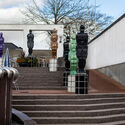
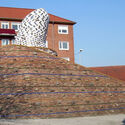
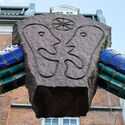
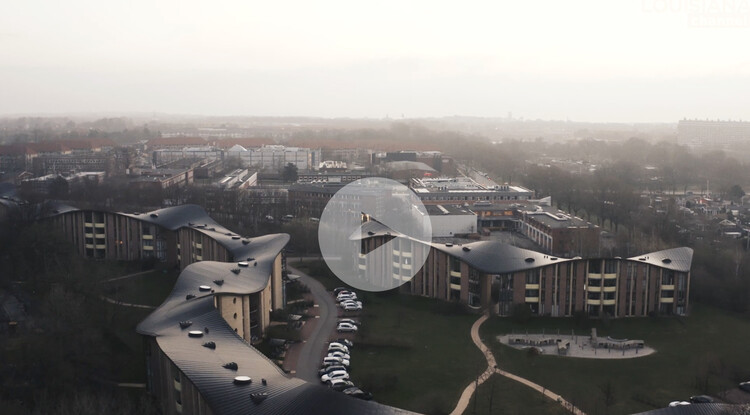
Talking to the Louisiana Channel, Danish professor, sculptor, and artist Bjørn Nørgaard outlines the philosophy that underpins his work and reflects upon his architectural projects. Nørgaard describes in the film, a co-production with Munkeruphus, the strong influence of his mentor in the 1960s - German artist Joseph Beuys - whose theories formed a key part of Nørgaard's evolution and ethos as an artist. The concept of "die soziale Plastik", or social sculpture, would go on to shape Nørgaard's approach to architecture and other forms of art - its main philosophy being that every part of life can be approached creatively.
Interviews: The Latest Architecture and News
"Houses Are the Most Prevalent Form of Monuments": In Conversation With Bjørn Nørgaard

https://www.archdaily.com/961484/houses-are-the-most-prevalent-form-of-monuments-in-conversation-with-bjorn-norgaardMatthew Maganga
Why Should Architects Understand and Care About Carbon and Life Cycle Assessment?
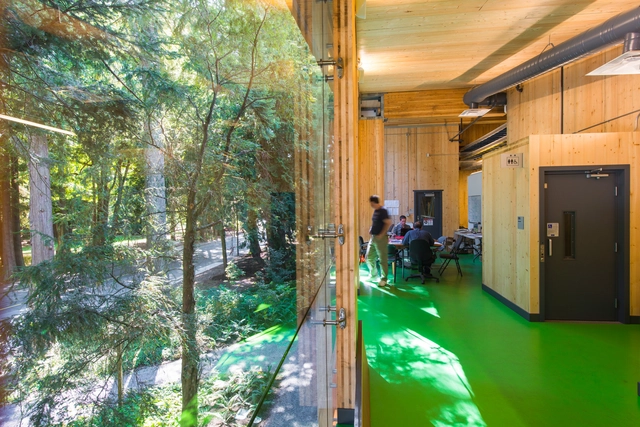
Yes, we know. We have been talking a lot about carbon. Not only here, but everywhere people seem to be discussing the greenhouse effect, carbon dioxide, fossil fuels, carbon sequestration, and several other seemingly esoteric terms that have increasingly permeated our daily lives. But why is carbon so important and why do we, as architects, architecture students, or architecture enthusiasts, have to care about something that seems so intangible?
https://www.archdaily.com/959800/how-embodied-carbon-and-life-cycle-analysis-can-support-decisions-in-an-architectural-projectEduardo Souza
A Museum About Plastic, Made of Plastic, That Will Be Completely Recycled
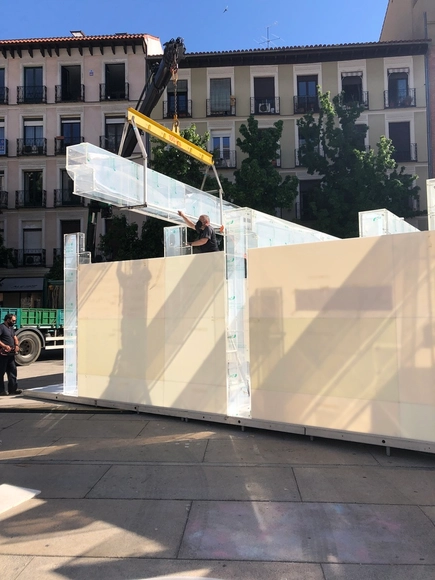
Plastic is an incredible material. The big problem with it is how we are using it and discarding it in nature. It was with this idea in mind that The Plastic Museum was created: to show the vital role that plastic plays in our lives and the possibilities that its reuse and recycling offer. Opened in Madrid on May 8, it not only contains plastic but was built entirely from this material. Through the artifacts displayed inside, including objects for health care, communication, construction, food, and sustainable mobility, the visitor will learn about the essential functions that plastic provides us when used correctly.
https://www.archdaily.com/961638/a-museum-about-plastic-made-of-plastic-that-will-be-completely-recycledEduardo Souza
Urban Farming: Food Production in Community Parks and Private Gardens
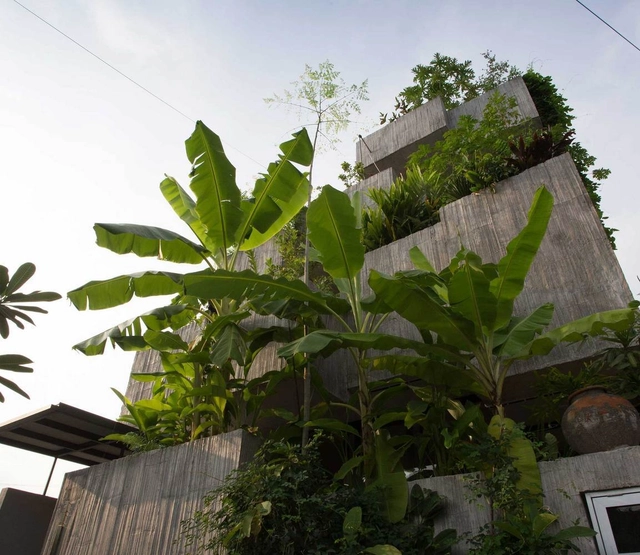
As urban dwellers become more aware of the environmental impacts of food production and transportation, as well as the origin and security of what they consume, urban agriculture is bound to grow and attract public and political eyes. Bringing food production closer, in addition to being sustainable, is pedagogical. However, generally with small size and other restrictions, the concerns of growing food in cities differ somewhat from traditional farming.
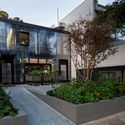
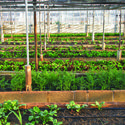
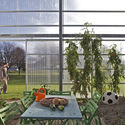
Urban gardens can occupy a multitude of places and have varied scales - window sills and balconies, slabs and vacant lots, courtyards of schools, public parks and even unlikely places, such as subway tunnels. They can also be communitarian or private. Whatever the case, it is important to consider some variables:

https://www.archdaily.com/916757/urban-farming-food-production-in-community-parks-and-private-gardensEduardo Souza
Psychoanalyzing the Space: Ila Bêka and Louise Lemoine Discuss the Ordinary Aspects of Urban Life

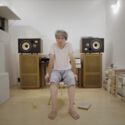
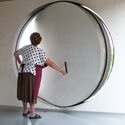
Rare are the fields, from arts and culture, that have so many things in common with architecture, as film does. Acknowledging that this is far from new, this topic has been debated by theorists and authors from both fields ever since the beginning of the 20th century. Architecture has been trying to embody subtle and poetical features from film while cinema has historically served as a means to discuss, represent, and denounce topics tightly related to architecture and cities.
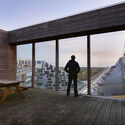
An interesting example of this overlapping can be found in the contemporary production of French-Italian film company Bêka & Lemoine, whose works show a sensible look towards the details and the simplicity of the architecture and urban spaces. Currently encompassing thirty feature films, Ila Bêka's and Louise Lemoine's portfolio casts light on the everyday life of different cities around the world, revealing an attentive gaze to the most trivial aspects of human existence in the urban realm.


https://www.archdaily.com/961269/we-make-a-psychoanalysis-of-the-space-an-interview-with-ila-beka-and-louise-lemoineRomullo Baratto
How Bamboo Bends to Create Curved Structures
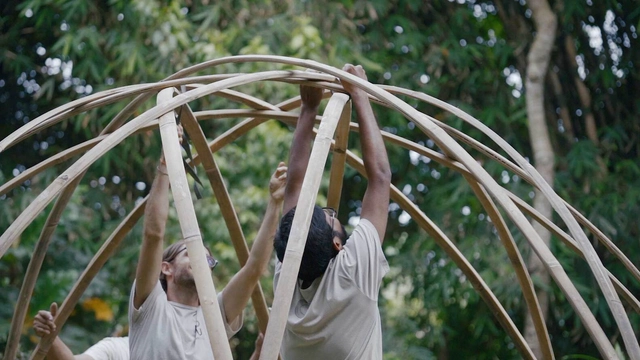
Bamboo has endless possibilities and when combined with creativity, it can lead to a wide range of interesting shapes. In its natural form, it is a straight, slightly tapering pole. But how do we bend it to create fluid, dynamic spaces? Bamboo is naturally flexible and can be flexed into a slight bend and simple framed structures can be built using bamboo’s natural straight form.
However, it requires specific techniques to achieve extensive curvilinear forms. In the structures we build here in Bali, there are 3 techniques to create curved structures using bamboo. These are:
https://www.archdaily.com/960417/how-bamboo-bends-to-create-curved-structuresBambooU
Mass Timber: Shattering the Myth of Code Exceptions
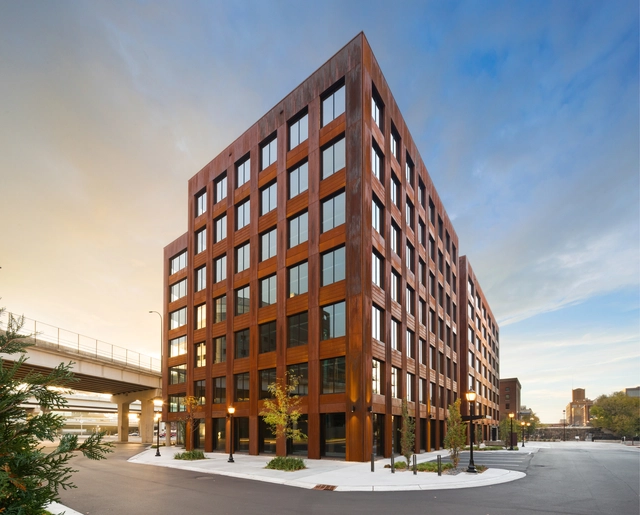
Structural timber is in the midst of a renaissance; an ironic trend given that timber is arguably the most ancient of building materials. But new innovations in structural timber design have inspired a range of boundary-pushing plans for the age-old material, including everything from bridges to skyscrapers. Even more crucially, these designs are on the path to realization, acceding to building codes that many (mistakenly) view as restrictive to the point of impossibility.
The timber structures of today aren't just breaking records - they're doing it without breaking the rules.
https://www.archdaily.com/908942/mass-timber-shattering-the-myth-of-code-exceptionsLindsey Leardi
How to Approach Embodied Carbon Reduction within an Architectural Project
| Sponsored Content
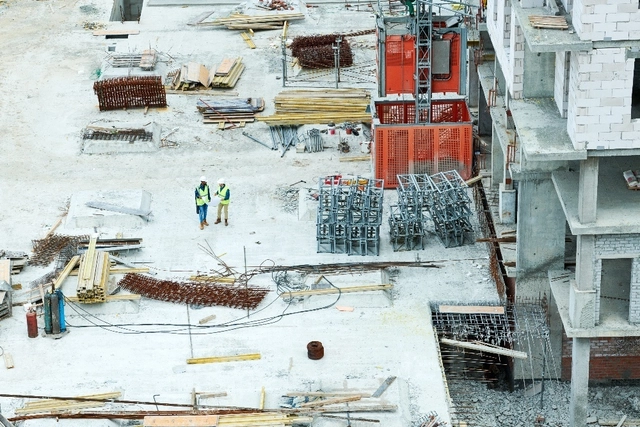
In order to start integrating embodied carbon studies into projects to meet sustainability goals, it is important to consider many factors such as carbon (kgCO2e) values, and what typical ranges of values to be aware of when designing for embodied carbon reduction. This e-book presents an overview of how to start integrating embodied carbon studies in your projects.
https://www.archdaily.com/960388/how-to-approach-embodied-carbon-reduction-within-an-architectural-projectRene Submissions
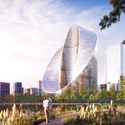
Bjarke Ingels Group to Design Mega-Sustainable Infinity Loop on the Hangzhou Horizon
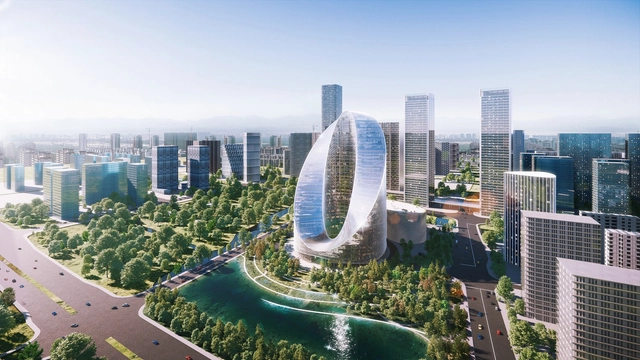
Nestled in the heart of Yuhang District, Bjarke Ingels Group’s design for the new OPPO R&D Headquarters, China’s largest smartphone company, combines aesthetics and innovative technology in a building that will be an environmental, economical, and socially sustainable hub for innovation.


https://www.archdaily.com/960324/bjarke-ingels-group-to-design-mega-sustainable-infinity-loop-on-the-hangzhou-horizonDima Stouhi
Natural Ventilation Isn't the Most Efficient Solution in All Cases
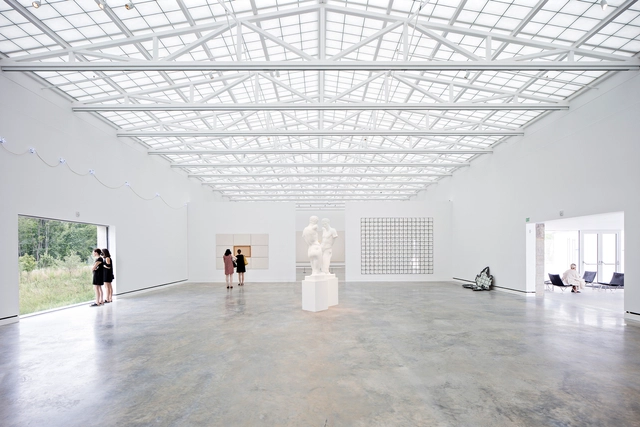
Ventilation serves two main purposes in a room: first, to remove pollutants and provide clean air; second, to meet the metabolic needs of the occupants, providing pleasant temperatures (weather permitting). It is well known that environments with inadequate ventilation can bring serious harm to the health of the occupants and, especially in hot climates, thermal discomfort. A Harvard University study demonstrated that in buildings with good ventilation and better air quality (with lower rates of carbon dioxide), occupants showed better performance of cognitive functions, faster responses to extreme situations, and better reasoning in strategic activities.
It is not difficult to see that ventilation plays a vital role in ensuring adequate air quality and thermal comfort in buildings. We have all felt it. But when we talk about ventilation, a light breeze from the window might come to mind, shifting through our hair and bringing a pleasant aroma and cooling temperature that brings fresh air and comfort. In mild climates, this experience can even be a reality on many days of the year. In harsh climates or polluted spaces, it could be quite different.
https://www.archdaily.com/958430/natural-ventilation-isnt-the-most-efficient-solution-in-all-casesEduardo Souza
Hempcrete: Creating Holistic Sustainability With Plant-Based Building Materials
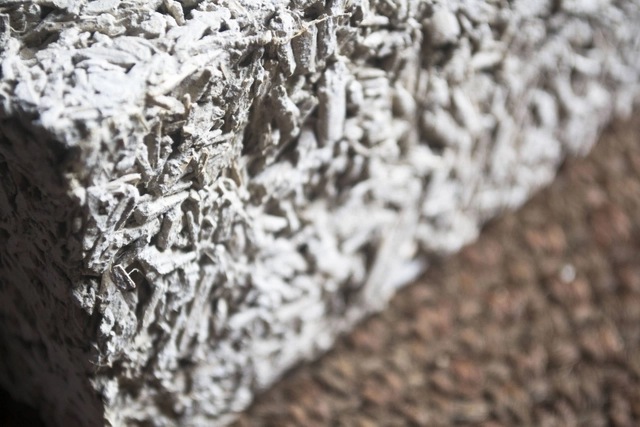
Hemp is one of the oldest crops domesticated by humans. With its wide variety of uses and applications, it’s easy to understand why it’s been a desirable product throughout history. Hemp seeds and flowers are used in health foods, medicines, and organic beauty products; the fibers and stalks of the hemp plant are used in clothing, paper, and biofuel. Today even a waste product of hemp fiber processing, so-called hemp shives, is being utilized to create sustainable building materials like hempcrete.
https://www.archdaily.com/955176/hempcrete-creating-holistic-sustainability-with-plant-based-building-materialsMegan Schires
What is Architecture? According to our Readers
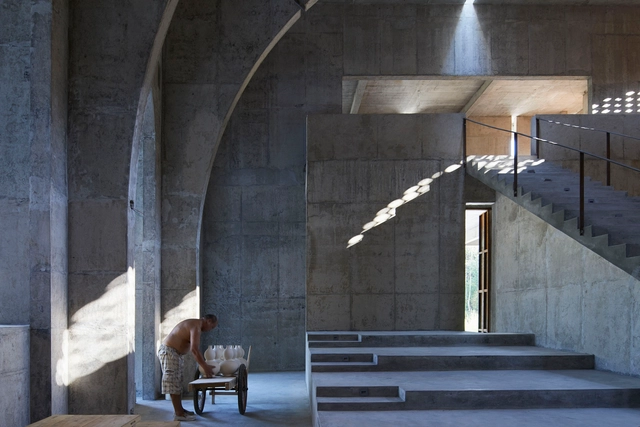
Continuing our quest to redefine how architecture is perceived nowadays and exposing the different notions out there, ArchDaily gave space for its users to answer four fundamental questions: "What is architecture? What can architecture do? What is your architectural position? What is your design method?" With around 200 entries per interrogation, gathered from all over the world, the ideas shared are mostly complementary and non-conflicting, underlining a general understanding of the role and essence of this field.
After having shared insights, in collaboration with WIA, from 16 different notable figures in the architectural scenes, such as Odile Decq, Kjetil Thorsen from Snøhetta, Peter Cook, Anna Heringer, Yona Friedman, Ma Yansong from MAD Architects, Liam Young, and Wolf D. Prix from Coop Himmelb(l)au, to name a few, this article highlights the best responses of our readers to the timeless interrogation "What is architecture?"


https://www.archdaily.com/960128/what-is-architecture-according-to-our-readersChristele Harrouk
Google Maps to Start Showing Routes With the Lowest Carbon Footprint

The Google Maps application will direct drivers to more eco-friendly routes that generate the lowest carbon footprint using mainly traffic data, road slopes and inclines, and other factors.
The eco-friendly option will be the application's default route if comparable options take about the same time. When alternatives are significantly faster, Google will offer choices and let users compare estimated emissions.
https://www.archdaily.com/960036/google-maps-to-start-showing-routes-with-the-lowest-carbon-footprintEquipe ArchDaily Brasil
Finding Infinity Develops a Zero-Carbon Strategy for Melbourne
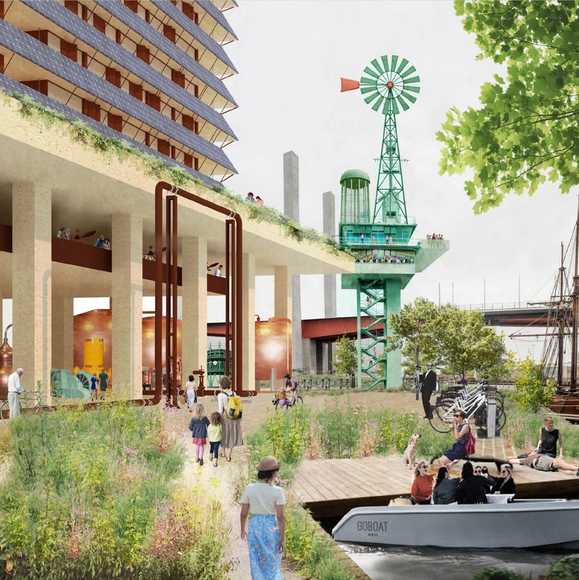
Australian research lab Finding Infinity has collaborated with architects, councils and investors to create a strategy that would turn Melbourne into a self-sufficient city by 2030. Building on exemplary case studies and scientific research, the initiative proposes a 10 step plan for the city’s transition from a consumer of resources to a zero-carbon urban environment.




https://www.archdaily.com/959934/finding-infinity-develops-a-zero-carbon-strategy-for-melbourneAndreea Cutieru
Filmmaker Gary Hustwit on Why Design Is for Everyone in Design and the City Podcast
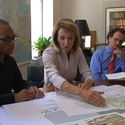
In Design and the City's fifth episode - a podcast by reSITE on how to make cities more liveable - filmmaker and visual artist Gary Hustwit was interviewed on his creative process and evolution, and what motivates him to make films that strive to make design more accessible to the general public. The interview delves into the process behind Hustwit's filmography, from documentaries such as Helvetica, which explores the use of type in urban spaces, to films such as Rams, a personal and intimate portrait of the influential German industrial designer Dieter Rams.



https://www.archdaily.com/959533/filmmaker-gary-hustwit-on-why-design-is-for-everyone-in-design-and-the-city-podcastMatthew Maganga
What is Architecture? Concepts from Coop Himmelb(l)au, Lina Ghotmeh, Liam Young and Topotek 1
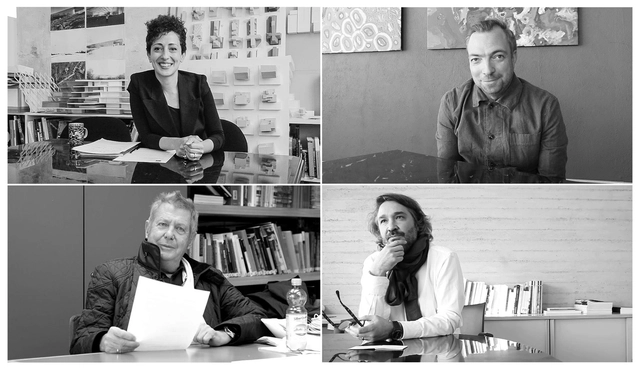
Simple in form but complex in substance, “What is Architecture?” remains an existential question for a lot of architecture students and young professionals. In an attempt to define this ever-changing interrogation and expose the different visions out there, the interview series: WIA – What is architecture? asks four, straightforward, questions to world-leading architectural designers and thinkers. Seeking to uncover their opinion on what architecture is and what it can do, these short videos reveal responses to “What is architecture? What can architecture do? What is your architectural position? and What is your design method?”.
ArchDaily has collaborated with WIA to release every week, 4 of these conversations, and to invite you to take on the challenge and answer these questions. The fourth and last article of the series presents the ideas and visions of Lina Ghotmeh, Wolf D. Prix from Coop Himmelb(l)au, Liam Young, and Martin Rein-Cano from Topotek 1.
https://www.archdaily.com/959476/what-is-architecture-concepts-from-coop-himmelb-l-au-lina-ghotmeh-liam-young-and-topotek-1Christele Harrouk
"Sustainability Is A Synonym Of Beauty": In Conversation With Anna Heringer
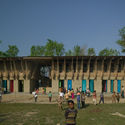
Talking to the Louisiana Channel, German architect Anna Heringer outlines the way she works and her multi-disciplinary approach to architectural practice. Growing up in a small town at the Austrian-Bavarian border close to Salzburg - Heringer spent a year living and working in Bangladesh at the age of 19, a place that is now home to a majority of her office's projects. Heringer describes herself as a mix of things in addition to being an architect, describing herself as an activist and a development worker - using her creativity to explore ideas in a variety of forms and media.

https://www.archdaily.com/959398/sustainability-is-a-synonym-of-beauty-in-conversation-with-anna-heringerMatthew Maganga
RCR Arquitectes to Design Nature-Inspired Signature Residences at the Palmares Ocean Living & Golf Resort
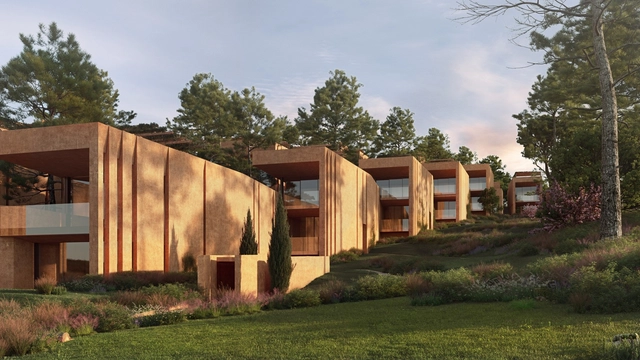
Inspired by the colors and textures of the surrounding environment, Pritzker Prize winners RCR Architectes have translated the Algarve's landscape into new residences and facilities at the Palmares Ocean Living & Golf Resort. A total of 37 new signature apartments and luxury villas are currently under construction, with completion due dates expected between summer 2021 and 2022.




https://www.archdaily.com/959466/rcr-arquitectes-to-design-nature-inspired-signature-residences-at-the-palmares-ocean-living-and-golf-resortDima Stouhi