1. ArchDaily
  2. Institutional Architecture

Institutional Architecture: The Latest Architecture and News

Climate, Culture, and Modernism: The Postcolonial Campus as Architectural Laboratory

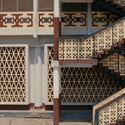
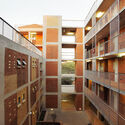
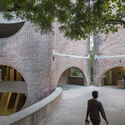
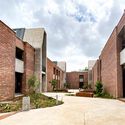
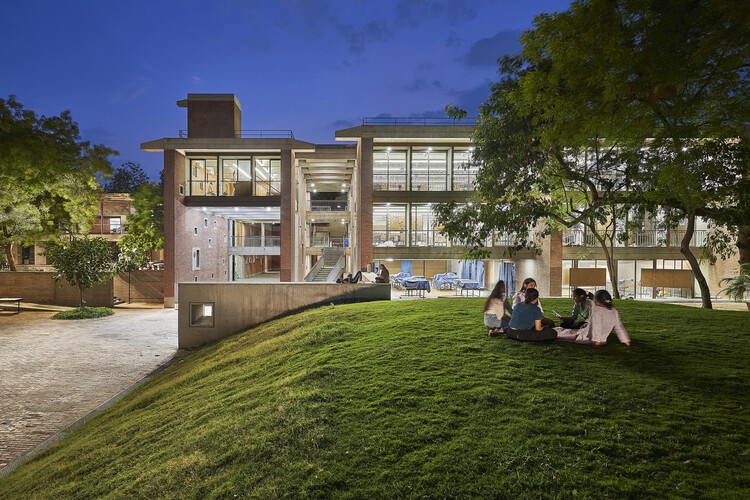
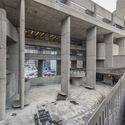
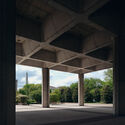
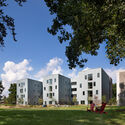
In the decades following independence, some of the most ambitious architectural experiments in the world did not emerge through museums, monuments, or government palaces. They emerged through universities. Across South Asia and Africa, newly formed nations turned campuses into testing grounds for entirely new ways of imagining collective life. These campuses functioned as more than educational institutions. They became territories where states tested how modernity might be organized, for citizens to gather, institutions to function, climate to shape architecture, and imported ideas to transform local realities.

Climate, Culture, and Modernism: The Postcolonial Campus as Architectural Laboratory - Image 1 of 4Climate, Culture, and Modernism: The Postcolonial Campus as Architectural Laboratory - Image 2 of 4Climate, Culture, and Modernism: The Postcolonial Campus as Architectural Laboratory - Image 3 of 4Climate, Culture, and Modernism: The Postcolonial Campus as Architectural Laboratory - Image 4 of 4Climate, Culture, and Modernism: The Postcolonial Campus as Architectural Laboratory - More Images+ 7

Frida Escobedo to Design Qatar’s New Ministry Building with Adaptive Reuse of a Modernist Landmark in Doha

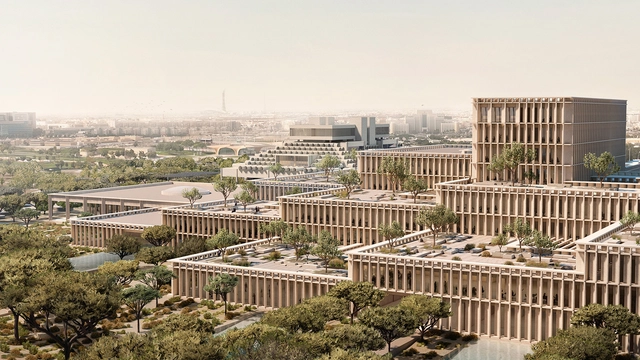
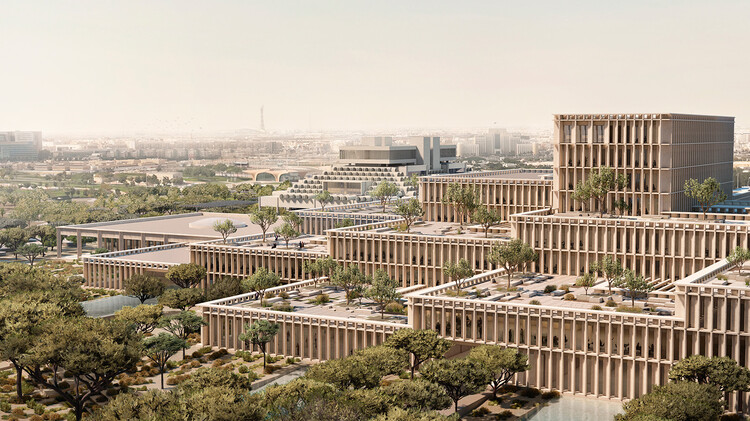
The State of Qatar announced on December 4, 2025, the selection of Frida Escobedo Studio, with Buro Happold engineers and Studio Zewde landscape designers, to design the new headquarters for the Ministry of Foreign Affairs. Intended to establish a more visible civic presence for the Qatari diplomatic service and provide public access to the Ministry complex, the project is planned for a prominent site along Doha's waterfront, transforming a significant section of the city's Corniche. Situated beside Doha Bay, the 70,000-square-meter (750,000-square-foot) project is conceived as a combination of new construction and the adaptive reuse of the historic modernist General Post Office currently on the site.

Frida Escobedo to Design Qatar’s New Ministry Building with Adaptive Reuse of a Modernist Landmark in Doha - Image 1 of 4Frida Escobedo to Design Qatar’s New Ministry Building with Adaptive Reuse of a Modernist Landmark in Doha - Image 2 of 4Frida Escobedo to Design Qatar’s New Ministry Building with Adaptive Reuse of a Modernist Landmark in Doha - Image 3 of 4Frida Escobedo to Design Qatar’s New Ministry Building with Adaptive Reuse of a Modernist Landmark in Doha - Image 4 of 4Frida Escobedo to Design Qatar’s New Ministry Building with Adaptive Reuse of a Modernist Landmark in Doha - More Images

Creating Safe Spaces for Learning: Explore Solis Colomer Arquitectos' Educational Projects in Latin America

Subscriber Access | 

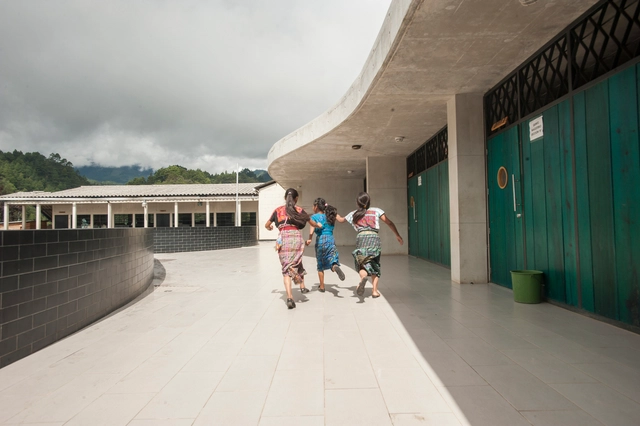
Founded in 2002, Solis Colomer Arquitectos has established a strong reputation over the past two decades, designing and constructing projects with both social and commercial impact across Latin America. With over 200 completed works, the firm specializes in institutional architecture with social impact and user-centered commercial architecture. Its mission is clear: to use architecture as a tool to dignify the human experience, especially for those in greatest need.

Creating Safe Spaces for Learning: Explore Solis Colomer Arquitectos' Educational Projects in Latin America - Image 1 of 4Creating Safe Spaces for Learning: Explore Solis Colomer Arquitectos' Educational Projects in Latin America - Image 2 of 4Creating Safe Spaces for Learning: Explore Solis Colomer Arquitectos' Educational Projects in Latin America - Image 3 of 4Creating Safe Spaces for Learning: Explore Solis Colomer Arquitectos' Educational Projects in Latin America - Image 4 of 4Creating Safe Spaces for Learning: Explore Solis Colomer Arquitectos' Educational Projects in Latin America - More Images+ 4

Courtyardism: A Vision for a More Balanced Urban Future in the Greater Bay Area by Wang Weijen Architecture

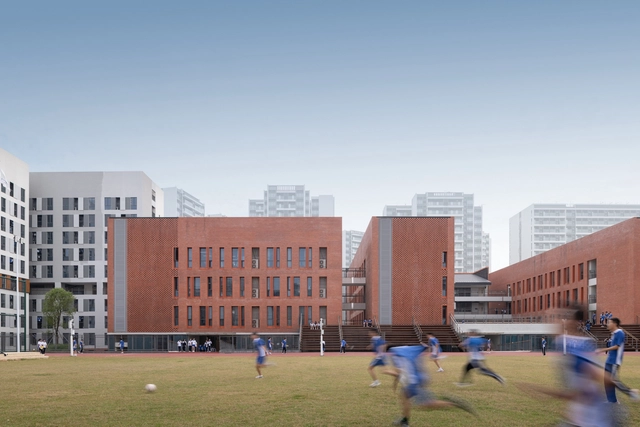
Situated in one of the fastest-developing regions over the past decade—the southern part of China, including Hong Kong and the Greater Bay Area—urban growth has been driven by an overwhelming wave of commercial ambition. Projects here are often designed for maximum density, height, and efficiency, resulting in developments of enormous scale that can easily span several acres. Prioritizing transit-oriented development, these complexes frequently take the form of sprawling malls built directly above major transportation hubs. Designed to disorient and prolong foot traffic to encourage economic activities, these mega-structures have become commonplace in cities like Hong Kong and Shenzhen.

While this typology of megastructures offers clear advantages—economic efficiency, high development returns, and convenience for transit users—it almost invariably ignores its urban context and environment. These developments often turn a blind eye, deliberately so, to their environmental footprint and the city's walkability. At such overwhelming scales, the human walking experience is diminished, if not outright neglected. Pedestrians become interiorized—trapped within the insulated world of these complexes.

Courtyardism: A Vision for a More Balanced Urban Future in the Greater Bay Area by Wang Weijen Architecture - Image 1 of 4Courtyardism: A Vision for a More Balanced Urban Future in the Greater Bay Area by Wang Weijen Architecture - Image 2 of 4Courtyardism: A Vision for a More Balanced Urban Future in the Greater Bay Area by Wang Weijen Architecture - Image 3 of 4Courtyardism: A Vision for a More Balanced Urban Future in the Greater Bay Area by Wang Weijen Architecture - Image 4 of 4Courtyardism: A Vision for a More Balanced Urban Future in the Greater Bay Area by Wang Weijen Architecture - More Images+ 26

Brutalism and Bureaucracy: An Architectural Language of Authority in the Postwar United States

Brutalist architecture in the United States is a monument to collective postwar optimism and reassurance that the city and federal governments are in authority. Conceived as an embodiment of strength and efficiency, Brutalist structures were quickly adopted for the architectural language of civic and governmental institutions in the mid-to-late twentieth century in the United States. Towering monoliths of raw concrete rose across the nation, projecting an image of institutional permanence while simultaneously provoking debate over their social and psychological impact.

Brutalism and Bureaucracy: An Architectural Language of Authority in the Postwar United States - Image 1 of 4Brutalism and Bureaucracy: An Architectural Language of Authority in the Postwar United States - Image 2 of 4Brutalism and Bureaucracy: An Architectural Language of Authority in the Postwar United States - Image 3 of 4Brutalism and Bureaucracy: An Architectural Language of Authority in the Postwar United States - Image 4 of 4Brutalism and Bureaucracy: An Architectural Language of Authority in the Postwar United States - More Images+ 7

Architect and Educator Deborah Berke Receives the 2025 AIA Gold Medal

Influential figure Deborah Berke, FAIA, LEED AP, has been announced as the recipient of the 2025 AIA Gold Medal, in recognition of her four-decade career integrating design prowess, and academic leadership demonstrating social and environmental responsibility. Her work, encompassing residential, institutional, and adaptive reuse projects, demonstrates a commitment to sustainability and community engagement. Founding Deborah Berke Partners (now TenBerke) in 1982 and serving as the first female dean of the Yale School of Architecture, she has held various leadership positions within the architectural profession and contributed to discussions on design ethics, sustainability, and education.

Architect and Educator Deborah Berke Receives the 2025 AIA Gold Medal - Image 1 of 4Architect and Educator Deborah Berke Receives the 2025 AIA Gold Medal - Image 2 of 4Architect and Educator Deborah Berke Receives the 2025 AIA Gold Medal - Image 3 of 4Architect and Educator Deborah Berke Receives the 2025 AIA Gold Medal - Image 4 of 4Architect and Educator Deborah Berke Receives the 2025 AIA Gold Medal - More Images+ 3

Crafting Spatial Experiences: Service Design in Architecture

Subscriber Access | 

Architecture has the power to emotionally engage with its occupants. Tactfully crafted spatial moments extend architecture into experience design - a growing need in the experience economy. Through sensorial and intellectual stimulation, spaces can deeply connect with their occupants to result in memorable instances. The orchestration of an experience requires not only an understanding of spatial principles but also how the service of the space is designed.

Crafting Spatial Experiences: Service Design in Architecture - Image 1 of 4Crafting Spatial Experiences: Service Design in Architecture - Image 2 of 4Crafting Spatial Experiences: Service Design in Architecture - Image 3 of 4Crafting Spatial Experiences: Service Design in Architecture - Image 4 of 4Crafting Spatial Experiences: Service Design in Architecture - More Images+ 2

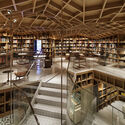
The Important Role Libraries Play in Building a Creative and Innovative Society

As gateways to knowledge and culture, libraries play a fundamental role in society. Foundational in creating opportunities for learning, as well as supporting literacy and education, the resources and services each library offers all work towards helping to shape new ideas that are central to building a creative and innovative society.

The Important Role Libraries Play in Building a Creative and Innovative Society - Image 1 of 4The Important Role Libraries Play in Building a Creative and Innovative Society - Image 2 of 4The Important Role Libraries Play in Building a Creative and Innovative Society - Image 4 of 4The Important Role Libraries Play in Building a Creative and Innovative Society - Image 6 of 4The Important Role Libraries Play in Building a Creative and Innovative Society - More Images+ 2

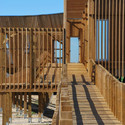
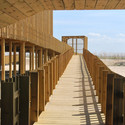
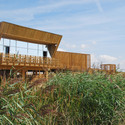
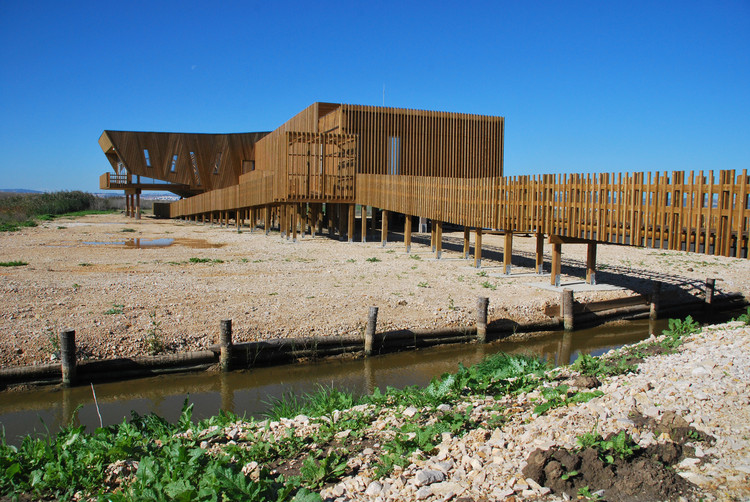
EVOA - Environmental Interpretation Center / Maisr Arquitetos

EVOA - Environmental Interpretation Center / Maisr Arquitetos - Museum, Facade, Fence, Column, Coast
© Filipa Miguel Ferreira
Lezíria, Portugal
  • Architects: Maisr Arquitetos
  • Area Area of this architecture project Area:  470
  • Year Completion year of this architecture project Year:  2009

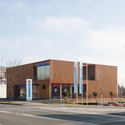
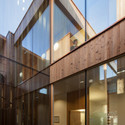
EVOA - Environmental Interpretation Center / Maisr Arquitetos - Museum, Beam, Facade, DoorEVOA - Environmental Interpretation Center / Maisr Arquitetos - Museum, Beam, Facade, HandrailEVOA - Environmental Interpretation Center / Maisr Arquitetos - Museum, Beam, Handrail, FenceEVOA - Environmental Interpretation Center / Maisr Arquitetos - Museum, FacadeEVOA - Environmental Interpretation Center / Maisr Arquitetos - More Images+ 13

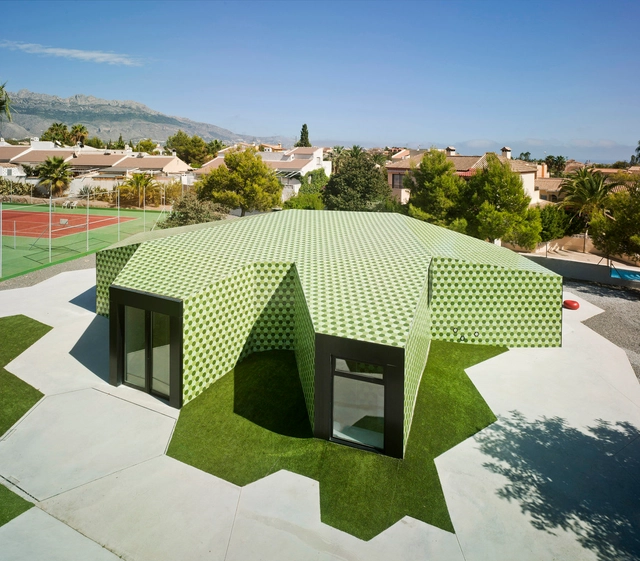
Administration Extension / CRYSTALZOO

Administration Extension / CRYSTALZOO - ExtensionAdministration Extension / CRYSTALZOO - ExtensionAdministration Extension / CRYSTALZOO - ExtensionAdministration Extension / CRYSTALZOO - Interior Photography, Extension, Kitchen, Chair, TableAdministration Extension / CRYSTALZOO - More Images+ 7

Alicante, Spain
  • Architects: CRYSTALZOO
  • Area Area of this architecture project Area:  165
  • Year Completion year of this architecture project Year:  2013
  • Professionals: PROM 95

AD Classics: Salk Institute / Louis Kahn

This article was originally published on August 27, 2017. To read the stories behind other celebrated architecture projects, visit our AD Classics section.

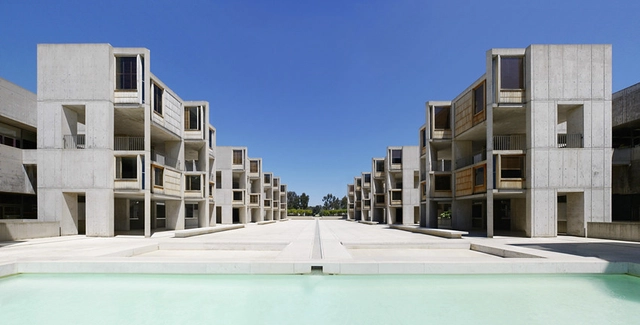
In 1959, Jonas Salk, the man who had discovered the vaccine for polio, approached Louis I. Kahn with a project. The city of San Diego, California had gifted him with a picturesque site in La Jolla along the Pacific coast, where Salk intended to found and build a biological research center. Salk, whose vaccine had already had a profound impact on the prevention of the disease, was adamant that the design for this new facility should explore the implications of the sciences for humanity. He also had a broader, if no less profound, directive for his chosen architect: to “create a facility worthy of a visit by Picasso.” The result was the Salk Institute, a facility lauded for both its functionality and its striking aesthetics – and the manner in which each supports the other.[1,2]

AD Classics: Salk Institute / Louis Kahn - Institutional Buildings, Courtyard, FacadeAD Classics: Salk Institute / Louis Kahn - Institutional Buildings, Facade, ColumnAD Classics: Salk Institute / Louis Kahn - Institutional Buildings, FacadeAD Classics: Salk Institute / Louis Kahn - Institutional Buildings, Beam, Facade, HandrailAD Classics: Salk Institute / Louis Kahn - More Images+ 15

Chaoyang Future School / Crossboundaries

Chaoyang Future School / Crossboundaries - Elementary & Middle School, FacadeChaoyang Future School / Crossboundaries - Elementary & Middle SchoolChaoyang Future School / Crossboundaries - Elementary & Middle School, Facade, Stairs, DoorChaoyang Future School / Crossboundaries - Elementary & Middle School, Table, ChairChaoyang Future School / Crossboundaries - More Images+ 25

  • Architects: Crossboundaries
  • Area Area of this architecture project Area:  26622
  • Year Completion year of this architecture project Year:  2017
  • Manufacturers Brands with products used in this architecture project
    Manufacturers:  LamettDezign, Polyflor

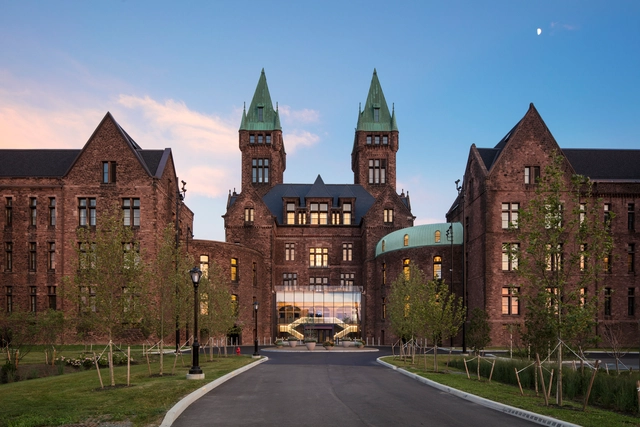
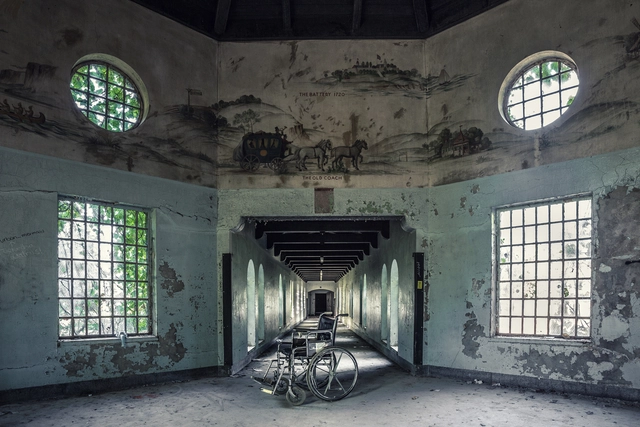
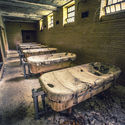
These Images of Abandoned Insane Asylums Show Architecture That Was Designed to Heal

With cracked paint, overgrown vines, rust, and decay, abandoned buildings have carved out a photographic genre that plays to our complex fascination with the perverse remnants of our past. While intellectual interest in ruins has been recorded for centuries, the popularity and controversy of contemporary "ruin porn" can be traced back to somewhere around 2009, when photographer James Griffioen’s feral houses series sparked a conversation about the potential harm in the aesthetic appropriation of urban collapse.

A favorite subject within this field is the American insane asylum, whose tragic remains carry echoes of the unsavory history of mental illness treatment in the United States. These state-funded asylums were intensely overcrowded and often housed patients in nightmarish conditions in the 20th century. Beginning in 1955, with the introduction of the antipsychotic drug Thorazine, these institutions were closed in large numbers, never to be reopened [1]. Now, these closed but un-demolished asylums that dot the country are the subject of "ruin porn" that neglects an equally important piece of the buildings’ narrative: the beginning. In his recent photobook Abandoned Asylums, Photographer Matt Van der Velde depicts this earlier period of asylum architecture, when the institutions were built in the belief that the built environment has the power to cure.

These Images of Abandoned Insane Asylums Show Architecture That Was Designed to Heal - Image 10 of 4These Images of Abandoned Insane Asylums Show Architecture That Was Designed to Heal - Image 12 of 4These Images of Abandoned Insane Asylums Show Architecture That Was Designed to Heal - Image 56 of 4These Images of Abandoned Insane Asylums Show Architecture That Was Designed to Heal - Image 60 of 4These Images of Abandoned Insane Asylums Show Architecture That Was Designed to Heal - More Images+ 56

TheeAe Unveils a Triangular Proposal for Australia’s Ryde Civic Center

TheeAe Unveils a Triangular Proposal for Australia’s Ryde Civic Center  - Buildings, Facade, Cityscape
Courtesy of TheeAe LTD.

TheeAe has revealed their competition entry for a new civic center in Ryde, Australia. As its name indicates, ‘Trianglemnant’ builds upon the unique triangular site area, and consists of a series of overlapping trilateral forms that shape the building and surrounding public spaces.

Trianglemnant was put forward as part of the international design competition ‘Design our Ryde’, which invited architects to present proposals for a new civic center at the gateway to the municipality. Though the project was not one of the four shortlisted, its attempt to create a diverse public space is noteworthy.

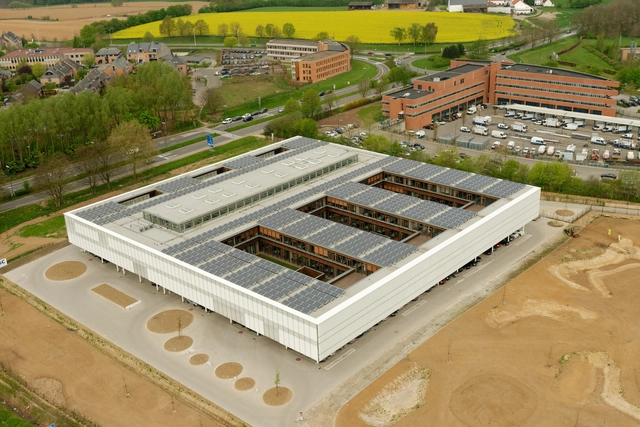
Head Office of AGC Glass Europe / SAMYN and PARTNERS

Head Office of AGC Glass Europe / SAMYN and PARTNERS - Institutional Buildings, Beam, Door, Table, ChairHead Office of AGC Glass Europe / SAMYN and PARTNERS - Institutional Buildings, Door, Table, ChairHead Office of AGC Glass Europe / SAMYN and PARTNERS - Institutional Buildings, Facade, ChairHead Office of AGC Glass Europe / SAMYN and PARTNERS - Institutional Buildings, LightingHead Office of AGC Glass Europe / SAMYN and PARTNERS - More Images+ 56

Ottignies-Louvain-la-Neuve, Belgium

AECOM's Basketball Training Facility Encases a Diverse Range of Program in LA

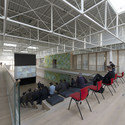
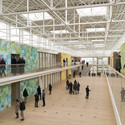
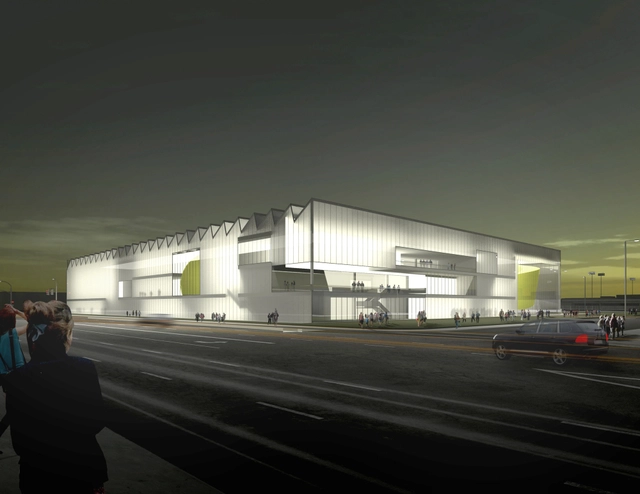
AECOM has designed a $42,000,000 campus and training facility for a professional basketball organization in West Los Angeles. The building contains a basketball arena, corporate headquarters, a hall of fame, and gardens, among other programs. Despite the building’s varied uses, AECOM was determined to make it “basketball centric.”


AECOM's Basketball Training Facility Encases a Diverse Range of Program in LA - Institutional Buildings, FacadeAECOM's Basketball Training Facility Encases a Diverse Range of Program in LA - Institutional Buildings, FacadeAECOM's Basketball Training Facility Encases a Diverse Range of Program in LA - Institutional BuildingsAECOM's Basketball Training Facility Encases a Diverse Range of Program in LA - Institutional Buildings, FacadeAECOM's Basketball Training Facility Encases a Diverse Range of Program in LA - More Images+ 8

Sparkasse Bank / Dietger Wissounig Architekten

Sparkasse Bank / Dietger Wissounig Architekten - BankSparkasse Bank / Dietger Wissounig Architekten - BankSparkasse Bank / Dietger Wissounig Architekten - Exterior Photography, Bank, Facade, BeamSparkasse Bank / Dietger Wissounig Architekten - BankSparkasse Bank / Dietger Wissounig Architekten - More Images+ 17

Klagenfurt am Wörthersee, Austria

Zonic Vision Office / Stu/D/O Architects

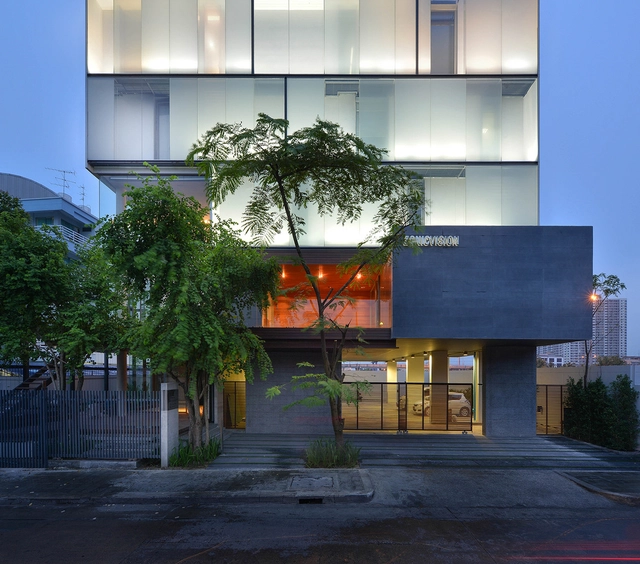
Zonic Vision Office / Stu/D/O Architects - Office BuildingsZonic Vision Office / Stu/D/O Architects - Office BuildingsZonic Vision Office / Stu/D/O Architects - Office BuildingsZonic Vision Office / Stu/D/O Architects - Office BuildingsZonic Vision Office / Stu/D/O Architects - More Images+ 30