1. ArchDaily
  2. Imagination

Imagination: The Latest Architecture and News

Building the India of the Imagination: Cinema and the Making of Place

Audio available

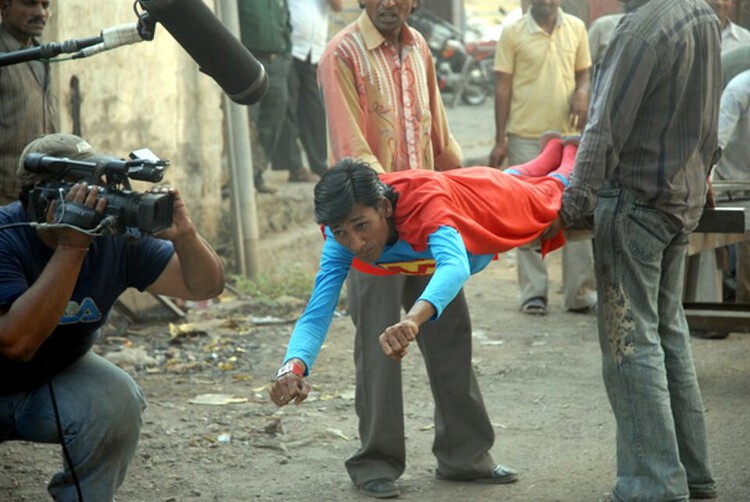
Some of India's most convincing architectural worlds have never existed outside a film set. Courtyards, palaces, streets and even entire neighbourhoods have been constructed, lit and framed for the camera, then dismantled when filming ends. Their images remain. For millions of viewers, these spaces become references for how cities look, how wealth is displayed and how particular neighbourhoods or versions of India are remembered. Cinema constructs spatial worlds, compressing complex histories into images that audiences can recognise almost instantly. Those images can later shape how physical places are understood.

Building the India of the Imagination: Cinema and the Making of Place - Imagen 1 de 4Building the India of the Imagination: Cinema and the Making of Place - Imagen 2 de 4Building the India of the Imagination: Cinema and the Making of Place - Imagen 3 de 4Building the India of the Imagination: Cinema and the Making of Place - Imagen 4 de 4Building the India of the Imagination: Cinema and the Making of Place - More Images+ 5

Playscapes and Public Imagination: The Ambiguous Play in Urban Life of Hong Kong

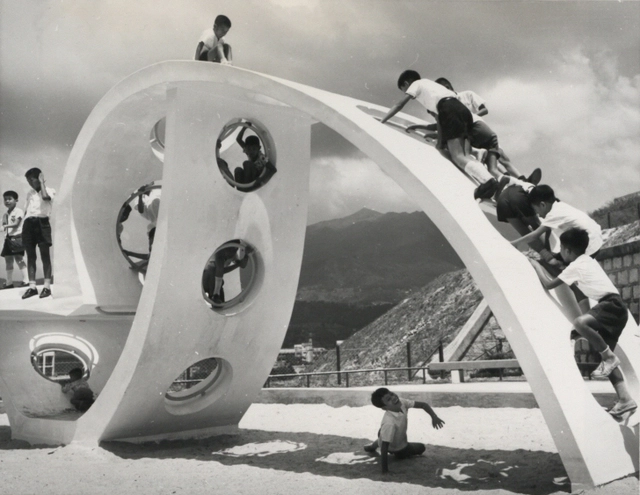
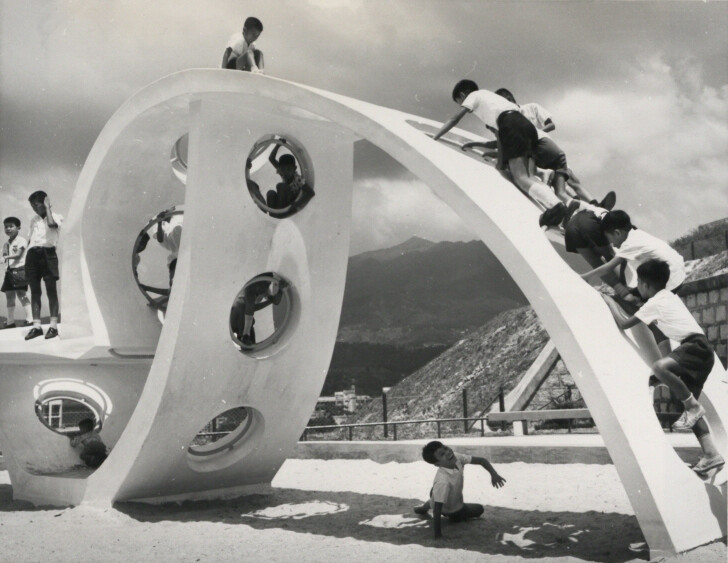
When we think about cities and urban life, we often focus on infrastructure, culture, commerce, nightlife, and density. In metropolises where there seems to be an endless array of activities—especially for adults—play rarely enters the conversation. Yet, the act of playing should be considered a vital part of urban life. Play directly influences how we shape our future cities—starting with how children engage with their environments. The experience of play, and more specifically, the design and presence of playgrounds, leaves lasting impressions on how young people grow up in cities. These spaces form a child's first, physical connection to the urban landscape. In this way, play deserves far more attention in conversations around urban wellness, livability, and the design of public space.

Playscapes and Public Imagination: The Ambiguous Play in Urban Life of Hong Kong - Image 1 of 4Playscapes and Public Imagination: The Ambiguous Play in Urban Life of Hong Kong - Image 2 of 4Playscapes and Public Imagination: The Ambiguous Play in Urban Life of Hong Kong - Image 3 of 4Playscapes and Public Imagination: The Ambiguous Play in Urban Life of Hong Kong - Image 4 of 4Playscapes and Public Imagination: The Ambiguous Play in Urban Life of Hong Kong - More Images+ 13

Open Call: LA+ IMAGINATION Design Ideas Competition

Paradisiacal, utopian, dystopian, heterotopian – islands hold an especially enigmatic and beguiling place in our geographical imagination. Existing in juxtaposition to what’s around them, islands are figures of otherness and difference. Differentiated from their contexts and as much myth as reality, islands have their own rules, their own stories, their own characters, their own ecologies, their own functions, and their own forms.

The LA+ IMAGINATION design ideas competition asks you to design a new island. You can locate it anywhere in the world, program it any way you want, and give it any form and purpose you can imagine.

AWARDS:
USD $10,000 total prize money and feature publication in LA+ Journal’s LA+ IMAGINATION issue

Look Inside a Collection of London-Based Architecture Offices, Photographed by Marc Goodwin

Subscriber Access | 

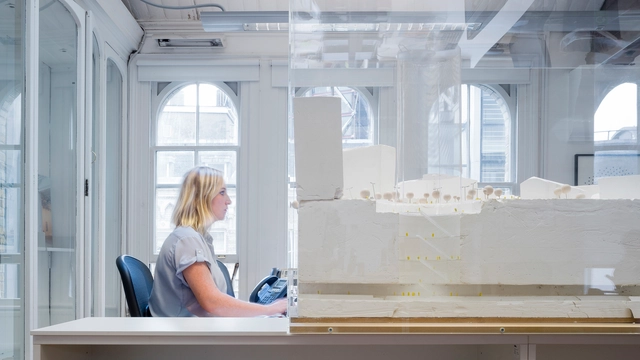
Architectural photographer Marc Goodwin has recently shot the second collection of his "ultra-marathon of photoshoots" – in London. Following his unique insight into the spaces occupied by Nordic architectural offices (based in Oslo, Stockholm, Copenhagen and Helsinki), Goodwin has turned his lens to a broad collection of practices in the British capital, captured in just seven days. From Zaha Hadid Architects' former school to Foster + Partner's monumental studios on the banks of the River Thames, here are a series of surprising places that architectural offices call home.