Wellbeing is no longer confined to exclusive resorts, spas, or hospitality settings. Today, it has become an essential part of contemporary living, inspiring homeowners to create private spaces dedicated to relaxation and personal care. Collections such as LEMI's Home Spa Collection explore this growing interest in residential wellness through a selection of massage beds and relaxation loungers.
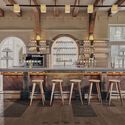
The Social Playful Concept Restaurant. Image Courtesy of Livit Design
From November 17 to 19, 2026, interihotel MAD26 will bring together architects, interior designers, hospitality operators, and specialized brands at IFEMA Madrid. Organized by AMBIT Living Spaces Cluster, the event is expected to welcome more than 14,000 professionals, 350 exhibiting brands, and over 200 international speakers. Under the theme Creative Rebellion, it will combine talks, workshops, five specialized forums, and full-scale experimental spaces to explore new approaches to hotel and restaurant design.
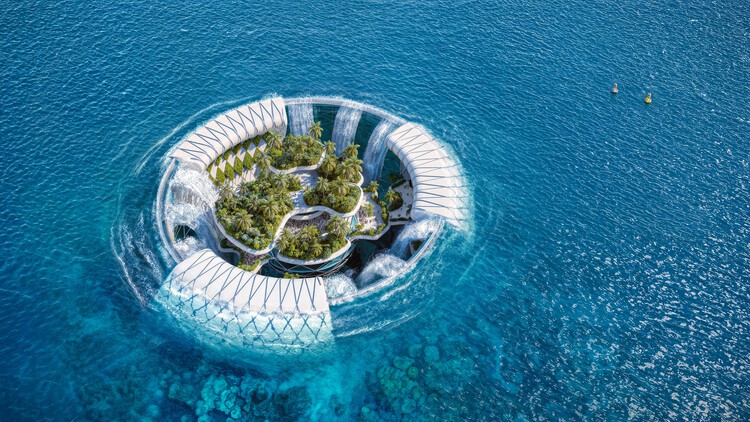
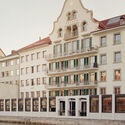
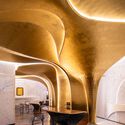
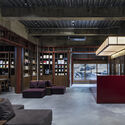
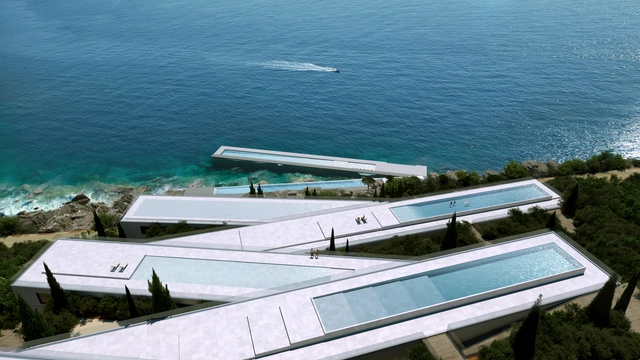
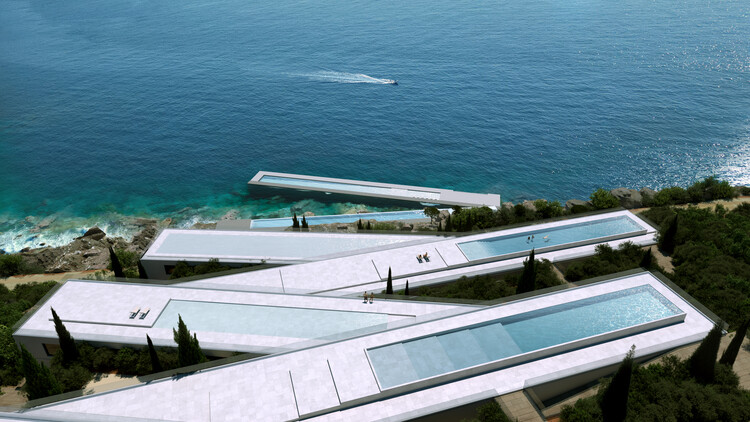
Getting away is a long-held fantasy and desire. In literature, film, and music, people have created imaginary journeys, possible worlds, and settings for enjoyment. It is that fantasy that fuels a specific architectural typology: the hotel. Against a backdrop of scrutiny of tourism, the climate costs of travel, and the competition and externalities associated with short-term rentals, that fantasy takes on even more striking forms. A hotel is no longer just a place to stay, but a space for enjoyment that can encompass a wide range of activities, such as entertainment, relaxation, sharing a meal, and even working. This diverse range of concepts takes on organic and impressive forms in the seven unbuilt projects compiled in this article, which range from urban hotels to beach resorts.
Bolete Lounge BIO® by Andreu World x Patricia Urquiola. Image Courtesy of Andreu World
When walking into a large living space, a hotel lobby, or an open-plan workplace, the first thing that can be noticed is not what divides the space, but what holds it together. There are rarely clear boundaries, no obvious rooms, no strict partitions, yet the space still feels organized. Some areas invite a pause; others dictate movement; others foster community. The transitions are subtle, but legible.
At the same time, these interiors are expected to do more. They must accommodate constant change, withstand intensive use, and respond to environmental pressures by reducing waste, extending lifespans, and avoiding frequent replacement. The question is not only how a space looks, but how it performs over time. What is actually doing the heavy lifting?
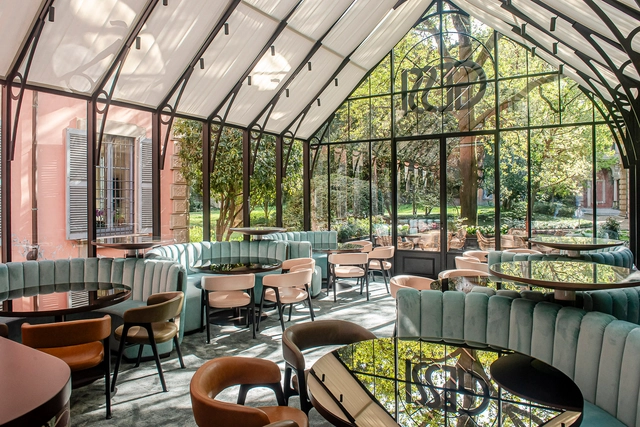
At the turn of the 20th century, parallel, yet connected movements around the world ushered in a new style and architectural era. From the Arts and Crafts in England, Art Nouveau, then Art Deco in France, or the Jugendstil in Germany/Austria, these design and artistic developments spread around the world and took on different forms depending on their context. The basis remained similar, though, with a focus on artisanal value and craftsmanship; the use of wood, glass, and various metals; the integration of organic forms into the exterior facade and interior structure; and the refined incorporation of ornamentation as an architectural element, often as vegetation or geometric patterns.
Aluminum Chain Facade Disney Glamour Store / SRA Architectes – Etienne Jacquin. Image Courtesy of Kriskadecor
In highly-curated environments such as Disneyland Paris, architecture operates under a different set of expectations. Buildings are not only required to perform, they must also communicate, often instantly. Within this context, the facade becomes a visual marker that can serve as a threshold, mediating light, air, and perception. One strategy that has gained traction in this setting is the use of semi-opaque envelope systems. Neither fully transparent nor entirely enclosed, these facade systems introduce depth and variability.
Videos
Dornbracht Madison fittings for Brenners Park-Hotel & Spa in Baden-Baden. Image Courtesy of Dornbracht
During renovation projects, replacement is often preferred over refurbishment. Used fixtures are removed, new products specified, timelines secured. Particularly in hospitality projects, where closures are costly and operations are tightly scheduled, installing new components appears to be the most reliable solution. It is faster, easier to coordinate, and aligns with established workflows. Refurbishment operates differently. It requires careful dismantling instead of disposal, evaluation instead of substitution, and trust in the quality of what is already there. It introduces complexity into a process designed for efficiency.
The recent renovation of Brenners Park-Hotel & Spa in Baden-Baden demonstrates that under the right circumstances, this additional effort can become a deliberate architectural strategy for similar projects, especially when the original materials were never intended to be temporary.
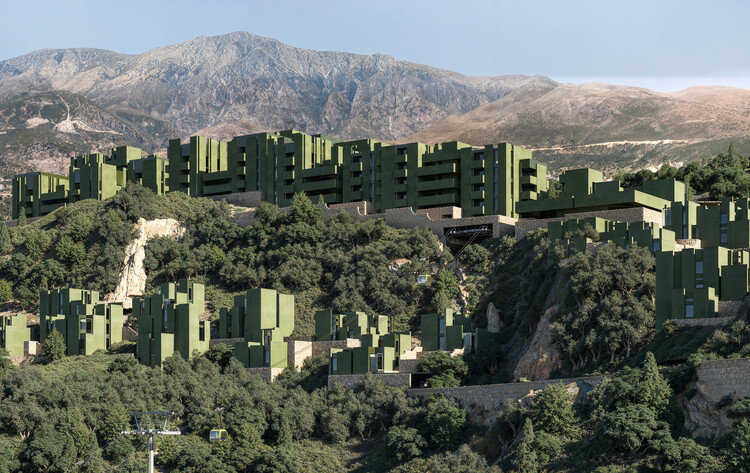
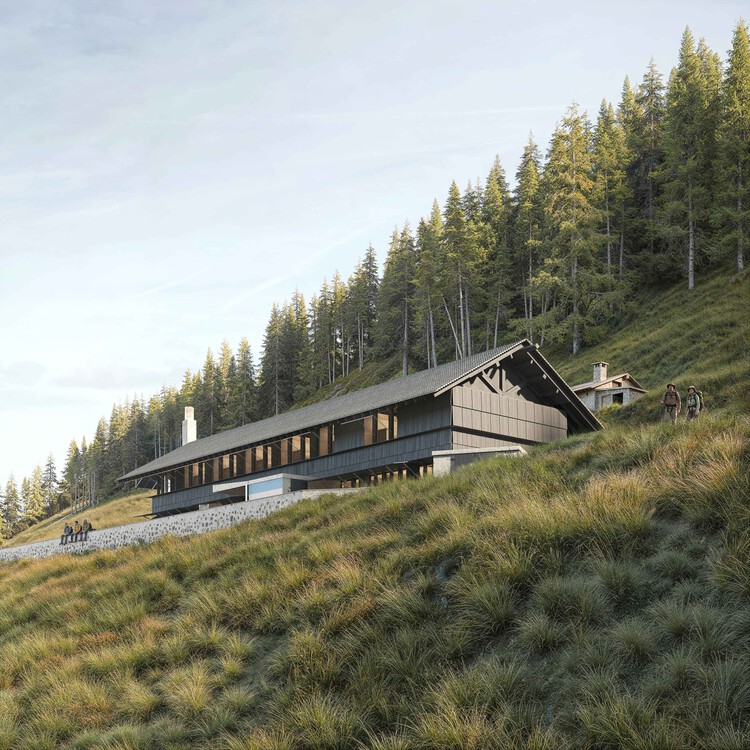
Spaces of retreat continue to offer fertile ground for unbuilt exploration, revealing how architecture can support rest, reflection, and immersion in nature amid shifting environmental and cultural conditions. In this Unbuilt edition, submitted by the ArchDaily community, the selected projects assemble a diverse range of proposals that reconsider hospitality through the lens of refuge. These works position accommodation not as spectacle or excess, but as spatial frameworks shaped by landscape, climate, material restraint, and shared experience.
Across distinct geographies, from Southeast Asian hillsides and Indonesian coastlines to African wilderness, Alpine terrain, Middle Eastern landscapes, and North American forests, the proposals demonstrate varied architectural responses to sensitive sites. They include elevated structures that hover lightly above steep ground, temporary lodge systems embedded in remote ecologies, reconstructed mountain shelters grounded in memory and reuse, courtyard-centered communal stays shaped by lifestyle cultures, contemplative desert retreats, and inclusive woodland camps designed for accessibility and environmental balance.
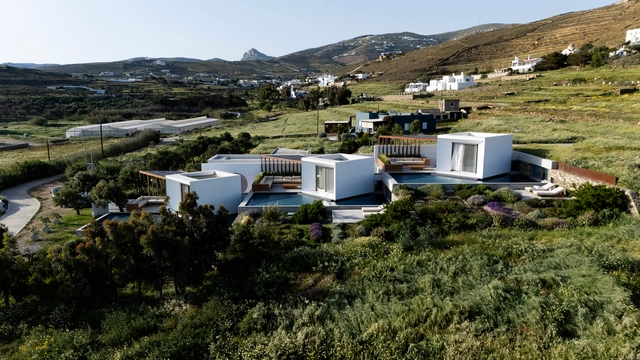
Amid countless questions, reflections, and debates about rethinking what a hotel can be, current hotel architecture faces growing complexities that span user experience, environmental responsibility, and the relationship with local context. Contemporary hotel design shows a clear—and increasingly prominent—intention to blend seamlessly and harmoniously with its surroundings, building a sense of identity that responds to local cultures, traditions, and character. The interconnection with nature, along with the reinterpretation of hotels as spaces for engaging with their surroundings, creates a direct relationship that expands their boundaries beyond the history and origins of the many practices that have shaped—and continue to define—their local characteristics and philosophy of life.
In a time when many hotels are designed to look like destinations, the real challenge is to design hotels that grow from their destination. But how can large-scale urban projects be integrated into sensitive landscapes without overpowering them? How is it possible to build with density while preserving a sense of intimacy and create identity in places that already carry strong local character?
Architects and designers around the world are pushing the boundaries of modern design, and Corian® Solid Surface is being bent, curved, and twisted to help them realize their boldest visions.
In hospitality spaces, for example, every surface has the potential to shape a guest's experience from the first invitational moment. Visionary designers are using their talents to convey the story of a place, the emotion of an aesthetic, and the essence of a brand. With the right material, we can profoundly influence how a space feels and functions for guests, using everything from sleek, welcoming reception counters to soothing spa-like shower escapes to soaring backlit sculptural panels as our canvas.
Spaces of hospitality are a mirror to how different cultures articulate generosity, care, belonging, and identity. In busy city settings, this is reflected in hotels, service systems, and curated amenities that directly shape the visitor experience. These spaces translate care into measurable forms, where success is correlated with efficiency, luxury, and brand identity.
In contemporary architecture, hotel design is no longer defined solely by luxury and accommodation. Instead, it is becoming a platform to explore questions of identity, ecology, and cultural meaning. Beyond providing rooms and amenities, hotels today aim to create immersive experiences that connect travelers to local traditions, landscapes, and communities. In this curated selection of unbuilt hospitality projects, submitted by the ArchDaily community, speculative and competition-winning proposals offer a glimpse into the future of hospitality, where sustainability and storytelling are as central as comfort and style.
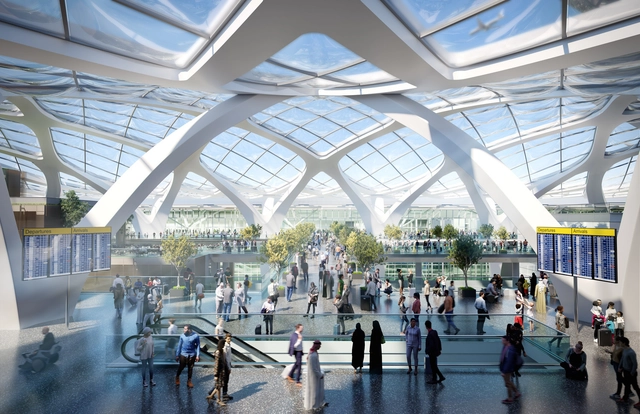
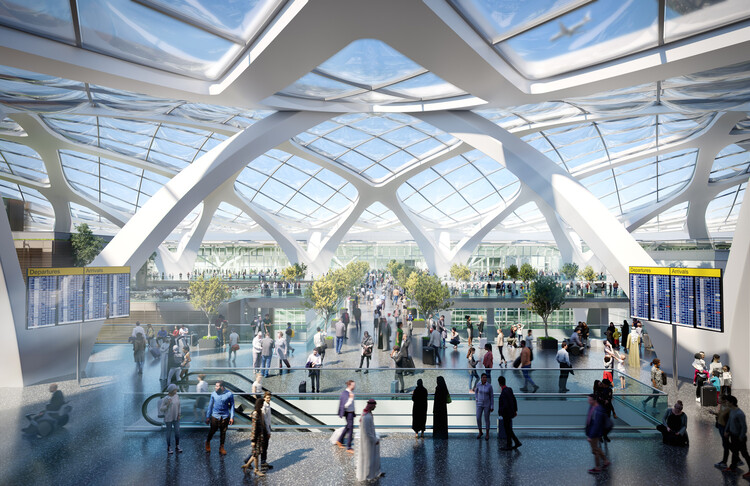
This edition of Architecture Now brings together projects that explore how architecture is reshaping global gateways, cultural destinations, and urban living. SOM's design for a new Arrivals and Departures Hall in Austin and Scott Brownrigg's Heathrow West proposal highlight the airport as a civic threshold, while Kerry Hill Architects' three-tower precinct in Brisbane emphasizes public space and subtropical landscapes in high-density housing. Zaha Hadid Architects' beachfront tower in Florida extends Miami's sculptural coastal tradition, and Pharrell Williams and NIGO's Japa Valley Tokyo introduces a temporary cultural district blending art, hospitality, and retail. Together, these initiatives reflect how infrastructure, lifestyle, and design intersect to define contemporary urban experience.
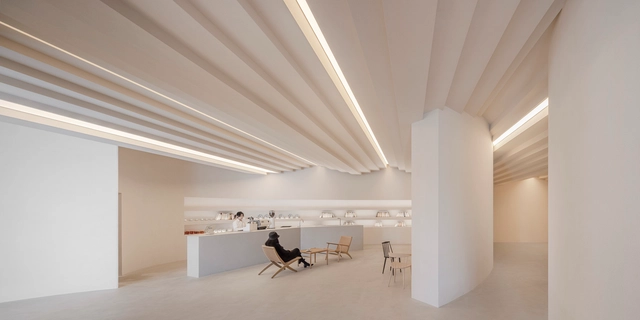
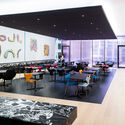
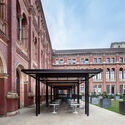
Cafés in museums and galleries do more than provide convenience — they have become an essential part of today’s cultural experience. As Claire Bishop explains in her idea of the “expanded aesthetic experience,” cultural spaces now include hybrid environments that encourage new ways of engaging, socializing, and reflecting. In this context, cafés are not just places to rest; they extend the visit on both sensory and symbolic levels, offering moments of interaction and contemplation in carefully designed settings. By blending architecture, art, and hospitality, they help create immersive and welcoming atmospheres — a concept already hinted at by Brian O’Doherty, who viewed exhibition spaces as an integral part of the artwork itself.
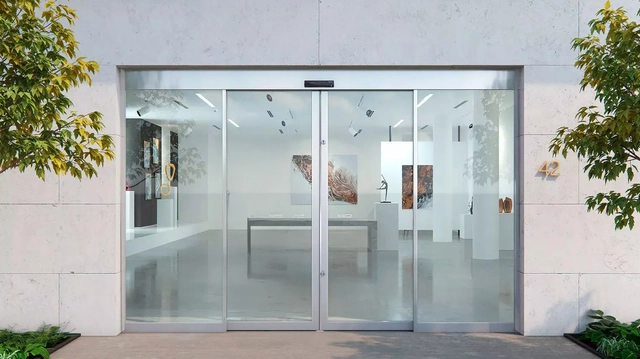
SL500 Sliding Door System. Image Courtesy of ASSA ABLOY
Throughout history, doors—and later automatic doors—have served a far greater purpose than merely marking an entrance or exit. They define thresholds, guide the flow of movement, and subtly shape the way people interact within a space. We can trace their evolution back to the 1st century, when Heron of Alexandria devised a steam-powered door—an early example of technology merging with architecture. Since then, contactless automatic door systems have incorporated technological advancements that enhance operation and redefine their role within buildings. Today, they are integrated across a range of building types and scales, acting as transitional elements that enhance comfort, energy efficiency, and the overall quality of indoor spaces.
https://www.archdaily.com/1029498/the-greener-future-of-automatic-door-systems-a-shift-in-design-and-performanceEnrique Tovar
On the occasion of Design Week 2025, Gessi transforms Casa Gessi Milano into an experience of Haute Culture, placing personal well-being at the center. A longstanding presence in the international design scene, Gessi continues to embody a vision of innovation, wellness, and refined aesthetic sensibility. Since its inauguration in 2012, this iconic space on Via Manzoni has become a distinctive meeting point where creativity, elegance, and experimentation exist in dialogue.