1. ArchDaily
  2. Hong Kong SAR

Hong Kong SAR: The Latest Architecture and News

Built to Last—or Change? The Case for Dry Construction in Humid Cities

Subscriber Access | 

In certain parts of the world, construction is still dominated by wet systems—concrete, masonry, and cementitious materials that are poured, cured, and fixed in place. While this has long been considered the norm in some south-east Asia countries, such as Singapore, Thailand, Malaysia, and China, in most of these regions, they typically share a common trend where labor is relatively inexpensive. This serves as one of the reasons to make concrete more easily available, as one of the typical downside of concrete is its intensive labour cost - this further differentiates concrete as a cheaper and more efficient material system to be building out of.

However, not enough considerations in the region are given to the sustainability aspect when using these wet construction materials,often overlooking the significant drawbacks of its material lifecycle and the difficulty to recycle it without downcycling - making it one of the more unsustainable materials available to be built out of.

Built to Last—or Change? The Case for Dry Construction in Humid Cities - Image 1 of 4Built to Last—or Change? The Case for Dry Construction in Humid Cities - Image 2 of 4Built to Last—or Change? The Case for Dry Construction in Humid Cities - Image 3 of 4Built to Last—or Change? The Case for Dry Construction in Humid Cities - Image 4 of 4Built to Last—or Change? The Case for Dry Construction in Humid Cities - More Images+ 10

Courtyardism: A Vision for a More Balanced Urban Future in the Greater Bay Area by Wang Weijen Architecture

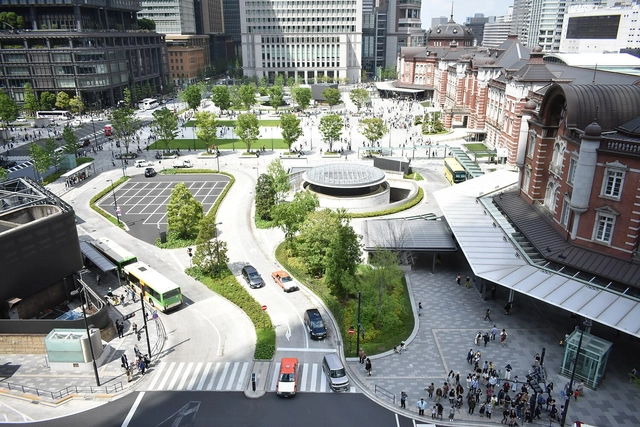
Situated in one of the fastest-developing regions over the past decade—the southern part of China, including Hong Kong and the Greater Bay Area—urban growth has been driven by an overwhelming wave of commercial ambition. Projects here are often designed for maximum density, height, and efficiency, resulting in developments of enormous scale that can easily span several acres. Prioritizing transit-oriented development, these complexes frequently take the form of sprawling malls built directly above major transportation hubs. Designed to disorient and prolong foot traffic to encourage economic activities, these mega-structures have become commonplace in cities like Hong Kong and Shenzhen.
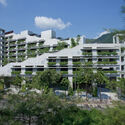
While this typology of megastructures offers clear advantages—economic efficiency, high development returns, and convenience for transit users—it almost invariably ignores its urban context and environment. These developments often turn a blind eye, deliberately so, to their environmental footprint and the city's walkability. At such overwhelming scales, the human walking experience is diminished, if not outright neglected. Pedestrians become interiorized—trapped within the insulated world of these complexes.

Courtyardism: A Vision for a More Balanced Urban Future in the Greater Bay Area by Wang Weijen Architecture - Image 1 of 4Courtyardism: A Vision for a More Balanced Urban Future in the Greater Bay Area by Wang Weijen Architecture - Image 2 of 4Courtyardism: A Vision for a More Balanced Urban Future in the Greater Bay Area by Wang Weijen Architecture - Image 3 of 4Courtyardism: A Vision for a More Balanced Urban Future in the Greater Bay Area by Wang Weijen Architecture - Image 4 of 4Courtyardism: A Vision for a More Balanced Urban Future in the Greater Bay Area by Wang Weijen Architecture - More Images+ 26

The Intelligence of What Remains: On Archiving and Architectural Knowledge

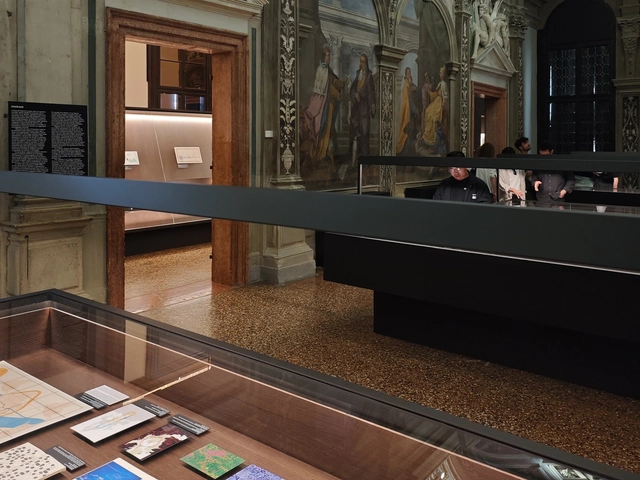
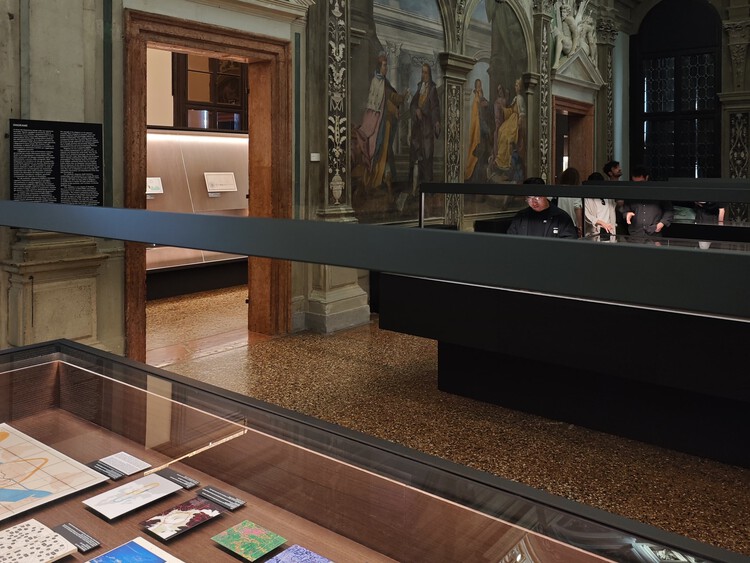
When we speak of intelligence at the 2025 Venice Biennale, the main exhibition broadly categorizes it into three domains: natural, artificial, and collective. While much attention has been drawn to robotic performances, future-forward material experiments—such as Boonserm Premthada's elephant dung bricks, or Canada's display of mesmerizing picoplankton, one often overlooked yet critical form of collective intelligence lies in the act of archiving.

Several national pavilions showcase this collective intelligence through beautifully curated exhibitions—the Spanish Pavilion's witty play on scale, for instance, features meticulously crafted models that invite close reading and delight. These curated collections offer a snapshot of the present, and in some cases, gestures toward the future. But without critically engaging with the past, without documenting and making sense of our shared spatial and architectural knowledge, the potential of collective intelligence remains incomplete. Archiving is not simply an act of preservation; it is a generative tool for projecting new futures.

The Intelligence of What Remains: On Archiving and Architectural Knowledge - Image 1 of 4The Intelligence of What Remains: On Archiving and Architectural Knowledge - Image 2 of 4The Intelligence of What Remains: On Archiving and Architectural Knowledge - Image 3 of 4The Intelligence of What Remains: On Archiving and Architectural Knowledge - Image 4 of 4The Intelligence of What Remains: On Archiving and Architectural Knowledge - More Images+ 10

From Common Sight to Cultural Symbol: The Rise and Decline of Bamboo Scaffolding in Hong Kong

Subscriber Access | 

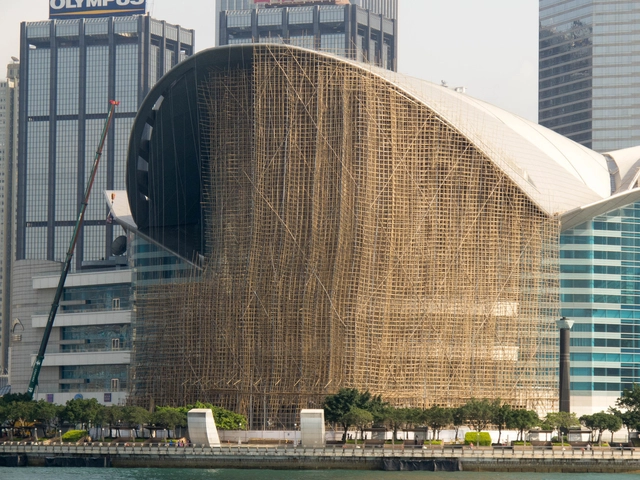
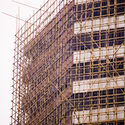
The bamboo scaffolding building typology—temporary, agile, and deeply rooted in tradition—particularly, the bamboo shed theatre building technique, is recognized as an item of Intangible Cultural Heritage in Hong Kong. As one walks through the city, especially in busy urban districts, it's nearly impossible not to encounter a bamboo scaffold within a five-minute radius. Bamboo scaffolding is arguably the most iconic construction material in Hong Kong, valued for its abundance, sustainability, flexibility, adaptability, and—most importantly—scalability. These qualities have contributed to its widespread use in temporary construction, from building maintenance and renovations to festival stages and sporting events.

However, this once-ubiquitous feature of the urban landscape may be slowly fading from view. A dwindling pool of skilled, younger workers—combined with evolving construction regulations—has contributed to its decline. On March 17, the Development Bureau announced plans to "drive a wider adoption of metal scaffolds in public building works." In practice, this means the Architectural Services Department (ArchSD) will soon require at least 50% of its capital works projects to utilize metal scaffolding. While not a formal ban, the policy signals what many see as the beginning of a gradual phase-out of bamboo scaffolding in public-sector construction.

From Common Sight to Cultural Symbol: The Rise and Decline of Bamboo Scaffolding in Hong Kong - Image 1 of 4From Common Sight to Cultural Symbol: The Rise and Decline of Bamboo Scaffolding in Hong Kong - Image 2 of 4From Common Sight to Cultural Symbol: The Rise and Decline of Bamboo Scaffolding in Hong Kong - Image 3 of 4From Common Sight to Cultural Symbol: The Rise and Decline of Bamboo Scaffolding in Hong Kong - Image 4 of 4From Common Sight to Cultural Symbol: The Rise and Decline of Bamboo Scaffolding in Hong Kong - More Images+ 15

Not Just a Train Stop: The Evolution of Transit-Oriented Developments in East Asia

Subscriber Access | 

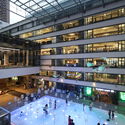
Transit-Oriented Development (TOD) is a comprehensive urban planning strategy aimed at creating dense, walkable, and vibrant neighborhoods centered around public transportation hubs. By seamlessly integrating residential, commercial, and recreational facilities within close proximity to transit nodes, TODs seek to reduce automobile dependency, increase public transit ridership, and stimulate local economic development. Government agencies play a pivotal role in supporting these developments through zoning reforms, easing floor area ratios (FARs), selling air rights, and facilitating public-private partnerships to secure capital for public infrastructure. While TODs have gained global traction, East Asia boasts some of the most successful examples. Conversely, efforts to replicate these models in different contexts—such as New York City—highlight the importance of adapting TOD principles to local conditions, geographical characteristics, and community needs.

Not Just a Train Stop: The Evolution of Transit-Oriented Developments in East Asia - Image 1 of 4Not Just a Train Stop: The Evolution of Transit-Oriented Developments in East Asia - Image 2 of 4Not Just a Train Stop: The Evolution of Transit-Oriented Developments in East Asia - Image 3 of 4Not Just a Train Stop: The Evolution of Transit-Oriented Developments in East Asia - Image 4 of 4Not Just a Train Stop: The Evolution of Transit-Oriented Developments in East Asia - More Images+ 17

The Evolution of Modernism in Asian Architecture: Key Figures and Landmark Projects

Modernism in architecture emerged at the beginning of the twentieth century, fueled by advancements in science and engineering and a deliberate departure from historical styles. It championed a focus on social equity, urban development, efficiency, and functional design, marking a significant shift in architectural philosophy. Originating primarily in Europe and the United States, modernism captivated the global imagination with its innovative redefinition of space and architecture. Its spread to Asia was facilitated by cross-cultural exchanges—East Asian architects who studied under prominent modernists and European architects working in East Asia through international collaborations or colonial-era influences.

The Evolution of Modernism in Asian Architecture: Key Figures and Landmark Projects - Image 1 of 4The Evolution of Modernism in Asian Architecture: Key Figures and Landmark Projects - Image 2 of 4The Evolution of Modernism in Asian Architecture: Key Figures and Landmark Projects - Image 3 of 4The Evolution of Modernism in Asian Architecture: Key Figures and Landmark Projects - Image 4 of 4The Evolution of Modernism in Asian Architecture: Key Figures and Landmark Projects - More Images+ 34

Navigating Support Systems for Emerging Architects: Analyzing the Case of U.S. and Hong Kong

How do societies support and nurture emerging architects? Young architects are heavily influenced by their formal education and initial exposure to the industry. Various organizational systems across regions, whether passive through environmental factors or active via tangible benefits, are in place to assist them in entering the field. However, it's worth questioning how often we reflect on these established support systems. Are they effective in fostering well-rounded professionals, or do they unintentionally reinforce certain biases in how architecture is practiced?

Navigating Support Systems for Emerging Architects: Analyzing the Case of U.S. and Hong Kong - Image 1 of 4Navigating Support Systems for Emerging Architects: Analyzing the Case of U.S. and Hong Kong - Image 2 of 4Navigating Support Systems for Emerging Architects: Analyzing the Case of U.S. and Hong Kong - Image 3 of 4Navigating Support Systems for Emerging Architects: Analyzing the Case of U.S. and Hong Kong - Image 4 of 4Navigating Support Systems for Emerging Architects: Analyzing the Case of U.S. and Hong Kong - More Images+ 11

How to Adapt Static Structures for New Demands ? Lessons from SoHo in New York City and Wong Chuk Hang in Hong Kong

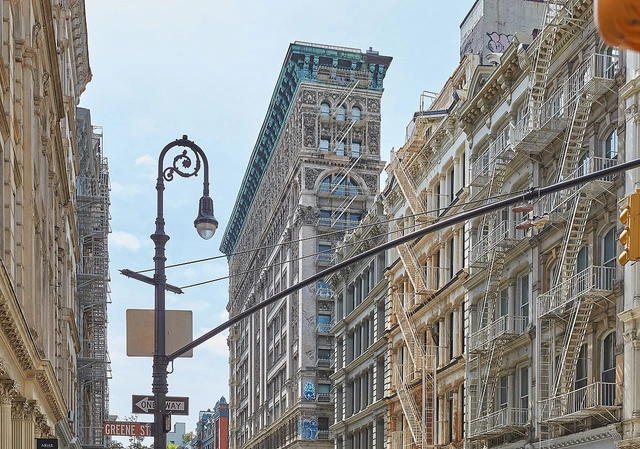
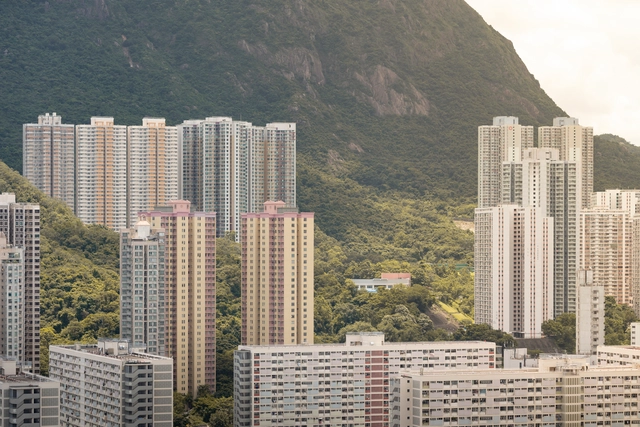
How have architecture and building design adapted to unforeseen future uses? As cities evolve, their needs for buildings inevitably change. Buildings may transition between cultural, commercial, industrial, and office functions depending on a city's identity and economic activity. In a world that is becoming increasingly dynamic and fast-paced, it's essential to consider the challenges static structures face when required to meet new demands. Cities have repurposed these static structures in ways not anticipated during their original design, with many successes in repurposing industrial buildings. Unlike structures designed with flexibility in mind, most manufacturing facilities were not initially intended for multiple uses. Yet, how have cities, communities, and occupants used these spaces, and what are the challenges of transforming a building’s existing uses?

How to Adapt Static Structures for New Demands ? Lessons from SoHo in New York City and Wong Chuk Hang in Hong Kong - Image 1 of 4How to Adapt Static Structures for New Demands ? Lessons from SoHo in New York City and Wong Chuk Hang in Hong Kong - Image 2 of 4How to Adapt Static Structures for New Demands ? Lessons from SoHo in New York City and Wong Chuk Hang in Hong Kong - Image 3 of 4How to Adapt Static Structures for New Demands ? Lessons from SoHo in New York City and Wong Chuk Hang in Hong Kong - Image 4 of 4How to Adapt Static Structures for New Demands ? Lessons from SoHo in New York City and Wong Chuk Hang in Hong Kong - More Images+ 1

How Dense Is Too Dense? The Future of Social Housing in Metropolises

Subscriber Access | 

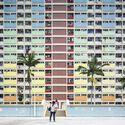
Density in cities is often touted as a positive and desirable way to live. Various studies have repeatedly suggested that higher density can lead to better lifestyles, a more sustainable environment, and improved health. In The Death and Life of Great American Cities, journalist Jane Jacobs identifies several possible advantages of density: increased walkability, close-knit communities, and a concentration of resources while maintaining diversity that better serves the population.

Naturally, a higher population density prevents the formation of ghost towns and vacant shops, which can become hotbeds for crime. However, these positive views on dense living environments often rest on optimistic assumptions about urbanism, such as minimal friction among individuals, easily maintained hygiene and a natural formation of diversity.

How Dense Is Too Dense?  The Future of Social Housing in Metropolises - Image 1 of 4How Dense Is Too Dense?  The Future of Social Housing in Metropolises - Image 2 of 4How Dense Is Too Dense?  The Future of Social Housing in Metropolises - Image 3 of 4How Dense Is Too Dense?  The Future of Social Housing in Metropolises - Image 4 of 4How Dense Is Too Dense?  The Future of Social Housing in Metropolises - More Images+ 2

Hong Kong’s Adaptive Reuse Projects: A Case Study in Urban Renewal for Cities with a Colonial History

Subscriber Access | 

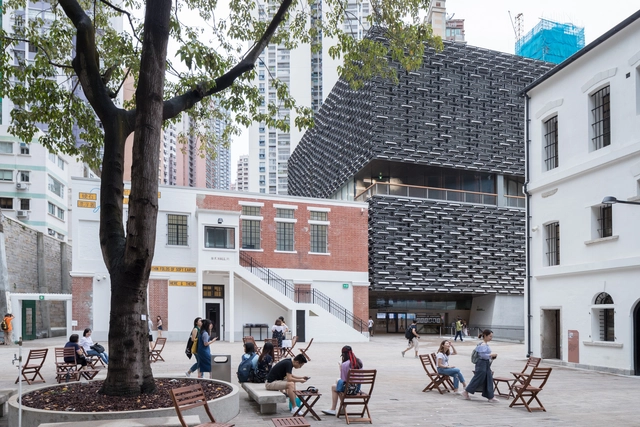
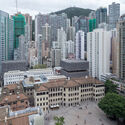
As major cities continue to develop, we face intriguing challenges regarding the preservation and adaptive reuse of significant buildings, sites, and artifacts. This poses a complex question that involves political history, architectural theory, and cultural significance. Adaptive reuse extends beyond architectural and spatial designs; it allows cities and communities to reflect, reevaluate, and reinterpret their history from different perspectives. However, unlike books and words, buildings may not withstand the test of time themselves and serve as firsthand evidence of the stories they tell. How should we question ourselves on what to preserve and demolish? How can communities be involved in the active restoration or adaptation of historic buildings?

Hong Kong’s Adaptive Reuse Projects: A Case Study in Urban Renewal for Cities with a Colonial History - Image 1 of 4Hong Kong’s Adaptive Reuse Projects: A Case Study in Urban Renewal for Cities with a Colonial History - Image 2 of 4Hong Kong’s Adaptive Reuse Projects: A Case Study in Urban Renewal for Cities with a Colonial History - Image 3 of 4Hong Kong’s Adaptive Reuse Projects: A Case Study in Urban Renewal for Cities with a Colonial History - Image 4 of 4Hong Kong’s Adaptive Reuse Projects: A Case Study in Urban Renewal for Cities with a Colonial History - More Images+ 5

Che Kung Temple Sports Centre / ArchSD

Che Kung Temple Sports Centre / ArchSD - Exterior Photography, Stadiums, Facade
Southwest elevation. Image © Image 28

Che Kung Temple Sports Centre / ArchSD - Exterior Photography, Stadiums, FacadeChe Kung Temple Sports Centre / ArchSD - Interior Photography, Stadiums, Stairs, HandrailChe Kung Temple Sports Centre / ArchSD - Interior Photography, StadiumsChe Kung Temple Sports Centre / ArchSD - Interior Photography, Stadiums, Stairs, HandrailChe Kung Temple Sports Centre / ArchSD - More Images+ 9

Hoi Ha Visitor Center / ArchSD

Hoi Ha Visitor Center / ArchSD - Exterior Photography, Visitor Center, FacadeHoi Ha Visitor Center / ArchSD - Exterior Photography, Visitor CenterHoi Ha Visitor Center / ArchSD - Interior Photography, Visitor Center, Door, FacadeHoi Ha Visitor Center / ArchSD - Exterior Photography, Visitor CenterHoi Ha Visitor Center / ArchSD - More Images+ 13

  • Architects: ArchSD
  • Area Area of this architecture project Area:  385
  • Year Completion year of this architecture project Year:  2020
  • Manufacturers Brands with products used in this architecture project
    Manufacturers:  Neolith, Marshalls Grassguard, Surell