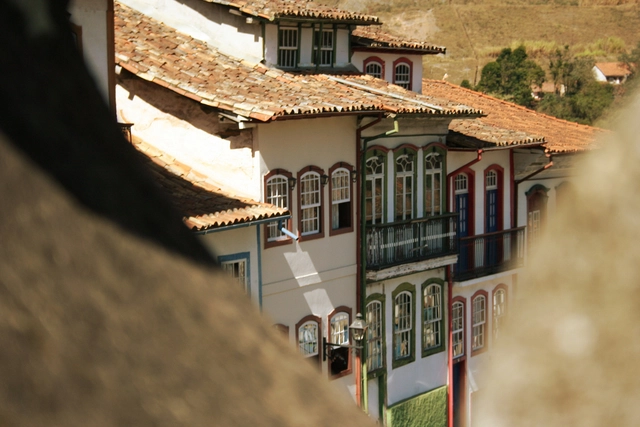
With more than five centuries of recorded history and many more years of pre-colonial traditions and customs, Brazil is listed in UNESCO's World Heritage List with 13 historical sites.
The website Viagem Turismo compiled a list with images and detailed information about each of the 13 sites. The list ranges from the Serra da Capivara National Park, "full of rocky caves covered with rock paintings" made more than 25 thousand years ago, to the modern capital of Brazil, Brasília, founded in 1960.
The concept of heritage is often associated with something that has had value in its past and, for that reason, deserves to be preserved. In the case of architecture, we want our built environment to tell our history and to remain untouched in time, often without considering the real use and meaning of the building in the present. We ask ourselves: Does a building still have value if its use is obsolete?
Despite the fascination that we have with ruins, sometimes conversion or rehabilitation is a better, more contemporary alternative to conservation. By doing so, it is possible to introduce new innovative materials, which, rather than take away from the original structure, can actually add even more value to architectural works. It is also possible to convert spaces that were originally designed to accommodate certain functions into spaces that admit new uses relevant to the present.
To conserve a building without updating it or rethinking its functions can lead to wear and tear, freezing it in time and preventing it from adapting to an ever-changing society.
To illustrate this theme, we searched our archives and selected someof the best architectural interventions in historic buildings. Check them out below.
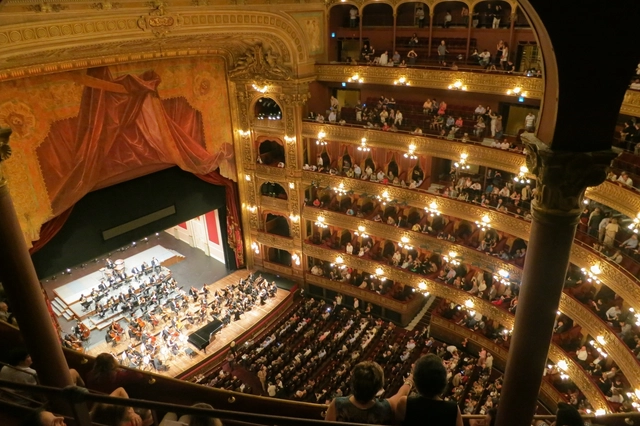
Considered as one of best buildings for opera in the world, the Colón Theatre in Buenos Aires is internationally renowned for its acoustics and its heritage value, showcasing the Italian and French influence on cultural architecture in Argentina. It is situated in a privileged location of the city´s downtown, between the streets Cerrito, Viamonte, Tucumán, and Libertad.
Inaugurated on the 25th of May in 1908, it had a significant impact and is considered one of the most emblematic historical monuments of the country.
On the morning of April 24th, Delhi’s architecture community reacted in shock and disgust to the news that the city's Hall of Nations and the four Halls of Industries had been demolished. Bulldozers had worked through the previous night at the Pragati Maidan exhibition grounds in central Delhi, where the Indian Trade Promotion Organisation (ITPO) razed the iconic structures to the ground, ignoring pleas from several Indian and international institutions.
The Hall of Nations, the world’s first and largest-span space-frame structure built in reinforced concrete, holds special significance in India’s post-colonial history—it was inaugurated in 1972 to commemorate twenty-five years of the young country’s independence. The demolition was met with widespread condemnation by architects and historians alike, not just because of the loss of an important piece of Delhi's heritage, but also for the clandestine manner in which the demolition was conducted.
From 15th to 23rd July 2017, a ten-day interfaculty summer school will take place in Vignola (province of Modena) Italy, in a Renaissance palace by Giacomo Barozzi. The workshop aims to connect architectural heritage with 21st-century manufacturing processes through experimental practices and invites international students of architecture, design, and engineering to take part.
Born between the Tigris and the Euphrates, ancient Mesopotamia, "the land between two rivers," is considered the cradle of human civilization or, at least, one of its main birthplaces. Archaeological discoveries place in this fertile crescent the earliest origins of agriculture, the birth of writing and the first religions, governments and social orders.
This historical land corresponds to most of the current Iraq and Kuwait, as well as to smaller parts of Syria, Turkey and Iran. Not only these countries, but the whole Middle East in general, is home to invaluable ancient treasures. However, a great number of the cultural sites there are faced with major threats, as they have been caught up in the middle of ongoing conflicts that are ravaging the region. As a consequence, UNESCO included several sites in the List of World Heritage in Danger, in the hope that the international community could join in an effort to save these endangered properties.
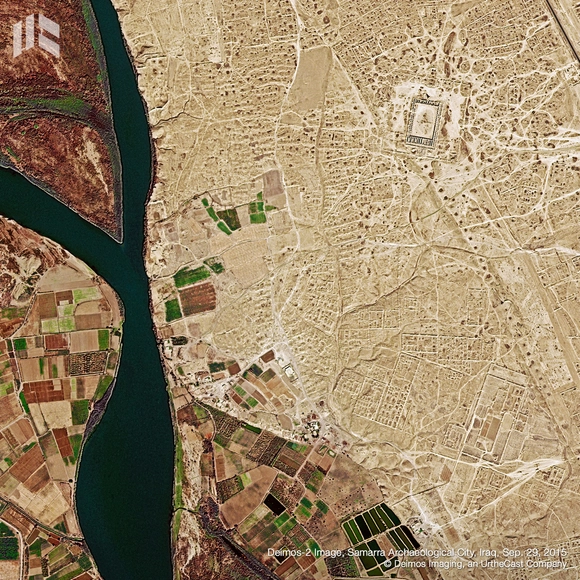
To reinforce this message, the Earth Observation company Deimos Imaging has released satellite images of six World Heritage sites in danger in Syria, Iraq and Yemen. The images were captured by the satellite Deimos-2, launched in 2014 and designed for cost-effective, dependable very-high-resolution Earth Observation applications, providing 75cm/pixel pan-sharpened images.
Vignola Archives of Architecture - Palazzo Contrari Boncompagni
From 15th to 23rd July 2017, a ten-day interfaculty summer school will take place in Vignola (province of Modena) Italy, in a Renaissance palace by Giacomo Barozzi. The workshop aims to connect architectural heritage with 21st-century manufacturing processes through experimental practices and invites international students of architecture, design, and engineering to take part.
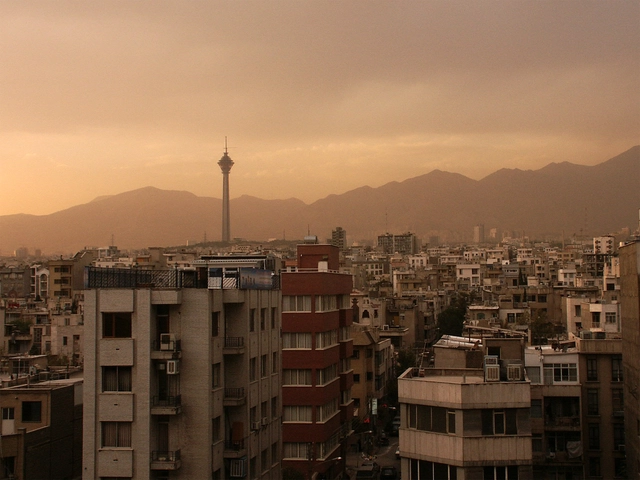
Taking a taxi from Tehran Imam Khomeini International Airport into the city, one cannot help but look at the seemingly random distribution of buildings along the road; an array of mismatched concrete blocks, worlds away from the images of Sheik Lotfollah Mosque that typically adorn the covers of Iran travel guides. “My observations about architecture in Iran are like that of many other countries that have changed in terms of architectural characteristics; Iran has changed too,” says Tehran-based architect, M. Reza Karfar. “Now we are in a time where everything is mass produced and we are just using and using, but not making memories with anything. That sense of belonging will, of course, go away. You see a 50 or 60, or 200-year-old house that just gets demolished and replaced by a 4 or 5-story building, and in 5 years they will demolish that 4 to 5-story building too.”
Not to say that Iran should be an exhibit for tourists, only consisting of beautiful tiled buildings, but this fear of memories fading in disappearing public spaces is one that, despite the numerous historical sites preserved around the country, is noticeable in Iran’s big cities. And while the subject is particularly pertinent in Iran, as Karfar points out this phenomenon is not unique to just one country. As a result, Iran might offer something of a case study for other countries around the world.
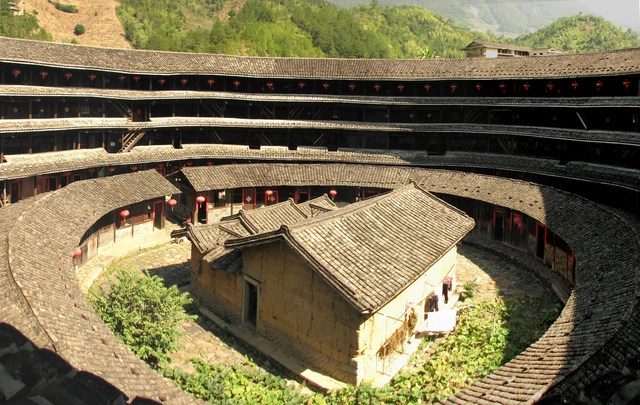
Vernacular architecture refers to designs which find their primary influence in local conditions: in climate, in materials, and in tradition. In a country as diverse as China, with 55 state-recognized ethnic minority groups and widely varying climates and topographies, many different vernacular dwelling styles have evolved as pragmatic solutions that accommodate the unique needs and limitations of their sites.
Rapid urbanization in China has favored high-rise apartment towers over traditional housing because of their ease of construction and the population density they enable, making vernacular dwellings increasingly rare throughout the country. Some firms, like MVRDV and Ben Wood’s Studio Shanghai, have taken note of the many benefits that vernacular dwellings provide, and have created projects that attempt to reconcile tradition with urbanization. Even if you aren't planning on building in China any time soon, the following housing styles have much to teach about what it means to live in a particular time and place. This is by no means an exhaustive list, but it does encompass the main types of vernacular dwellings seen throughout China.
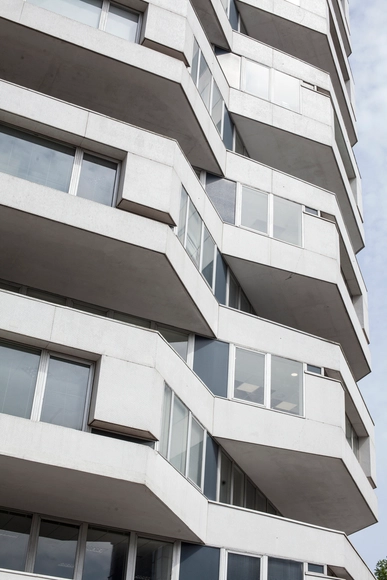
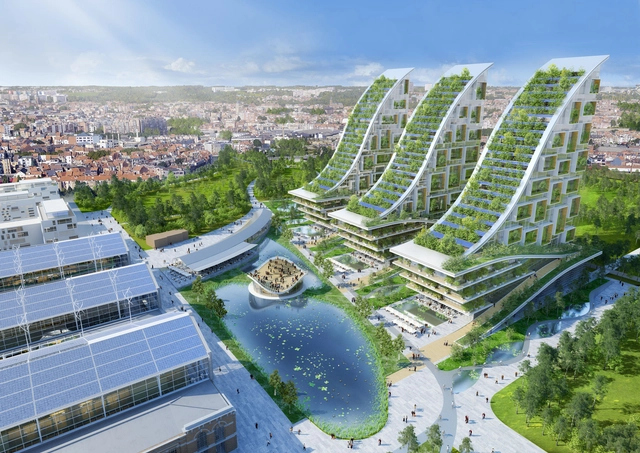
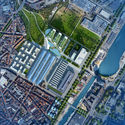
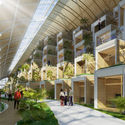
Vincent Callebaut Architectures has released plans for the development of a radical eco-neighborhood at Tour & Taxis, Brussels, Belgium. Covering an area of 135,000 square meters, the proposal will see the redevelopment of the early twentieth-century Gare Maritime, and the construction of three residential “vertical forests” reaching 100 meters in height. The architect’s ultimate vision is a neighborhood which embraces technological progress, sustainable building principles, and renewal of the built heritage.
Situated northwest of Brussels city center, and constructed in 1907, the industrial park at Tour & Taxis originally operated as a shipping and customs complex. Whilst the lifting of European customs borders has rendered its original function obsolete, the Gare Maritime (Marine Terminal) still embodies the architecture of the industrial era.
The Aggregate Architectural History Collaborative has organized a collection of essays, entitled The Destruction of Cultural Heritage: From Napoléon to ISIS, which examines several centuries of the demolition of monuments in the Middle East. With world events like ISIS and the protection of architectural heritage growing to be more and more topical, this collection is a useful tool in considering the role of violence, how ancient architecture is perceived as a cultural entity, what role the media has to play, and beyond.
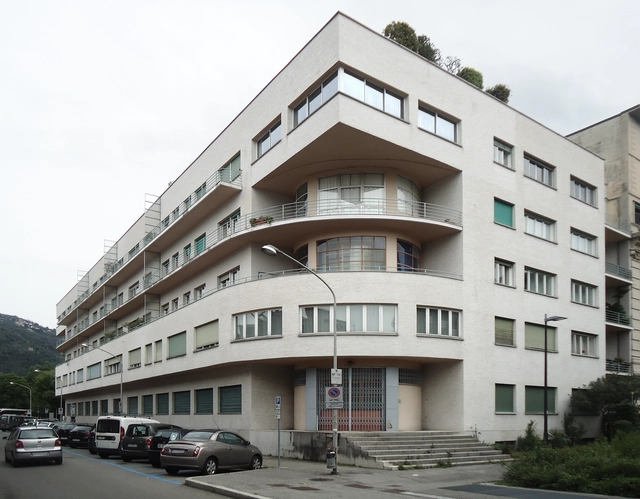
With a short career of only thirteen years, Italian architect Giuseppe Terragni (1904-1943) left an important legacy of built works that are now used as classic references of modern and rationalist architecture.
We traveled to Como and Milan to visit Terragni's emblematic works that clearly reflect his style. These projects are based on the organized configuration of architectural elements that individually appear clean, pure, and expressive, but together also form a harmonious whole.
These are: Novocomum, Casa Rustici, Asilo Sant'Elia, Casa Giuliani Frigerio and Casa Lavezzari.
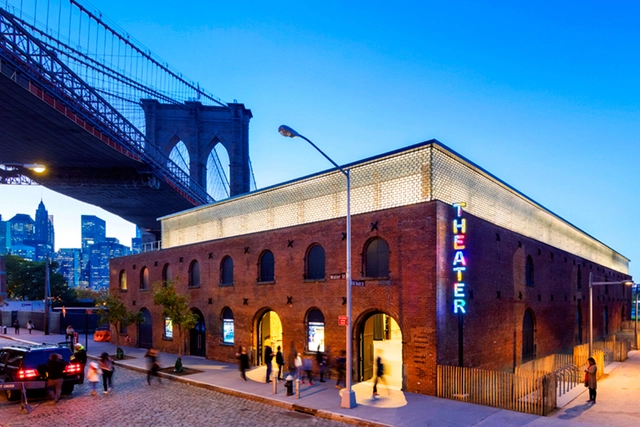
For a ruined Civil War-era warehouse in Brooklyn, there may have been no better organization than an avant-garde theater group to think creatively about its future.
Situated in the shadow of the Brooklyn Bridge in the popular Dumbo neighborhood, the 1860 tobacco warehouse was crumbling and forgotten when St. Ann’s, a 36-year-old theater company that began life in another Brooklyn church, sought to renovate it for its first permanent home. Attaining energy efficiency in historic buildings is not just possible—it can be the most sustainable and aesthetic choice.
St. Ann’s, led by artistic director Susan Feldman, hired a building team that included Marvel Architects; BuroHappold Engineering; and Charcoalblue, a theater, lighting, and acoustics consultancy. The resulting 25,000-square-foot complex, St. Ann’s Warehouse, includes two versatile and changeable performance spaces, lobby and event areas, and a triangular garden (designed by landscape architects Michael Van Valkenburgh Associates).
https://www.archdaily.com/791475/this-brooklyn-theater-renovation-shows-you-dont-have-to-choose-between-heritage-and-sustainabilityKim A. O'Connell
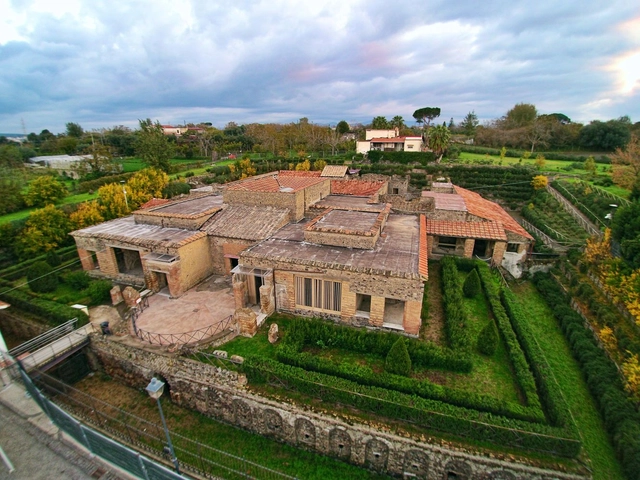
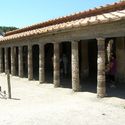
One of Pompeii’s most precious gems, the Villa of Mysteries, is now at risk of collapse due to seismic activity in the Bay of Naples, as well as vibrations from a nearby train line transporting tourists. That's the conclusion of a recent study conducted by Italy’s National Agency for New Technologies, Energy and Sustainable Economic Development (ENEA). The news comes only a few months after the reopening of the house, whose stunning frescoes had just been restored.
As The Telegraph reports, the high-tech study showed that “in addition to the vibrations from the Vesuvius light railway commuter trains, which ferry tourists to Pompeii from Naples, the protective structure around the villa, built in armored cement, wood and steel 50 years ago is threatened by its own weight and water ingress.”
National Trust's Edge City: Croydon, photo courtesy of Sophia Schorr-Kon
This July, a series of tours by the National Trust will delve into the contemporary heritage of Croydon and shine a spotlight on the Borough as one of the most important examples of the post-war ambition to build a new society. Following on from the success of previous projects by the Trust to change the perception of heritage from simply country houses and coastlines – including 2015’s Brutal Utopias – Edge City: Croydon will celebrate the real places in which people live, work and play.
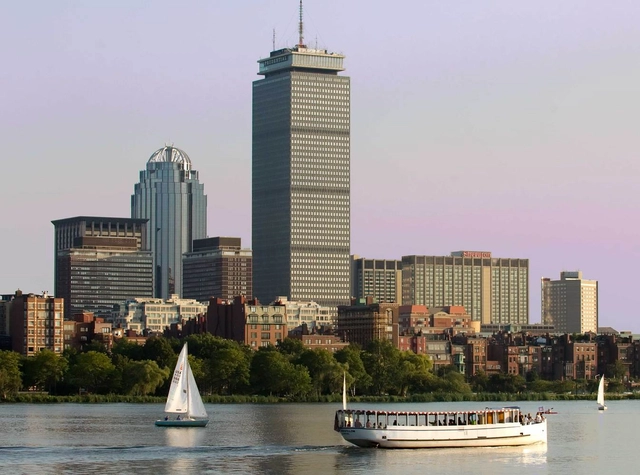
This 90-minute tour, co-sponsored by the BSA Foundation, hosted by Charles Riverboat Company, and led by Boston By Foot guides offers spectacular views of historic and contemporary Boston architecture while providing fascinating information about many renowned architectural landmarks, including the Hancock Tower, Marriott’s Custom House, and Rowes Wharf, as well as cutting-edge contemporary buildings by today’s top architects.
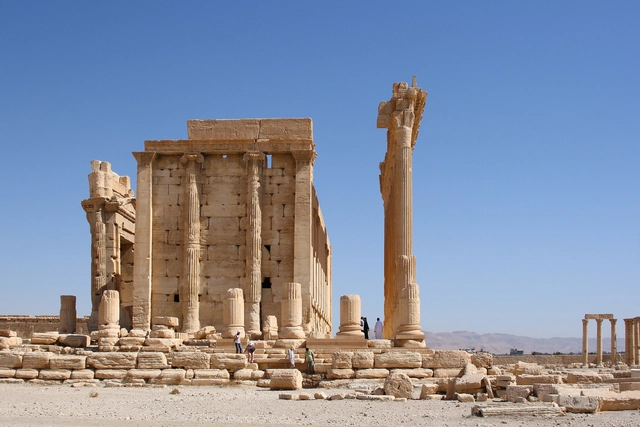
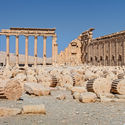
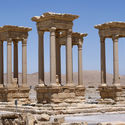
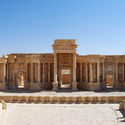
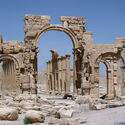
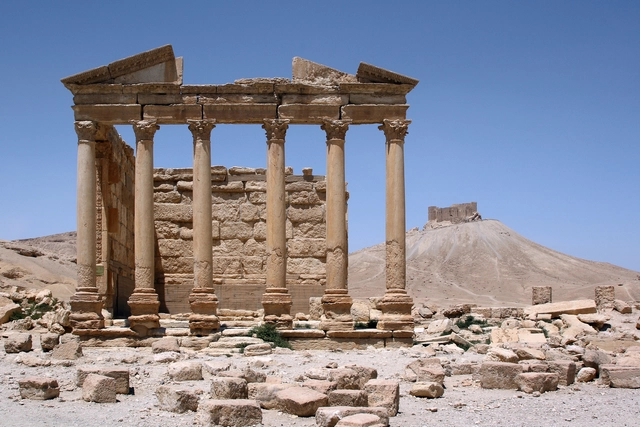
Last May, Islamic State forces took control of Palmyra, one of the world's most treasured UNESCO World Heritage Sites. In the proceeding months, the world looked on in shock as ISIS released a series of videos showing the destruction of the priceless ruins. Last month however, the ancient city was recaptured, marking the beginning of a difficult discussion about what the international preservation community should do next.
ArchDaily had the opportunity to interview Stefan Simon, the Inaugural Director of the Institute for the Preservation of Cultural Heritage (IPCH) at Yale University, an organization “dedicated to advancing the field of heritage science by improving the science and practice of conservation in a sustainable manner.” Simon earned his PhD in Chemistry from the Ludwig Maximilian University, Munich, and has broad experience in material deterioration diagnostics, microanalytics, climatology, and non-destructive mechanical testing. He previously served as Director of the Rathgen Research Laboratory at the National Museums in Berlin, as a member and Vice President of the International Centre for the Study of the Preservation and Restoration of Cultural Property (ICCROM), and as leader of the Building Materials section at the Getty Conservation Institute, Los Angeles, in 2005, among numerous other accomplishments.
The conversation that focused on cultural preservation in the wake of conflict, and specifically, how to proceed in Palmyra now that the Syrian site has been wrenched back from the control of the Islamic State. The tragic case of Palmyra guided a conversation that sought out specificity on the options and considerations that must be taken in the wake of trauma.













-19.jpg?1468604454 "© User:MatthiasKabel [CC BY-SA 3.0], via Wikimedia Commons")
-03.jpg?1468604394 "© User:MatthiasKabel [CC BY-SA 3.0], via Wikimedia Commons")
-16.jpg?1468604611 "© User:MatthiasKabel [CC BY-SA 3.0], via Wikimedia Commons")