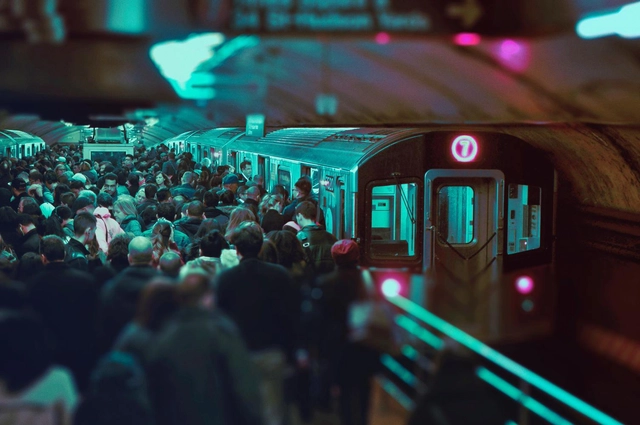
March 20, 2020: I am in New York, “the epicenter of Covid-19,” the news on TV keeps blaring, as if proud of the achievement. New York has always been excessive, so why not now? More cases, more hospitalizations, more ICU admissions, more intubations, more deaths. The news is terrifying and at the same time completely at odds with the day-to-day experience of the city, which has become so strangely quiet, so peaceful. No traffic, no construction noise, no annoying car alarms, no random screams in the middle of the night. Even the ambulances are mostly silent without cars to fight against.
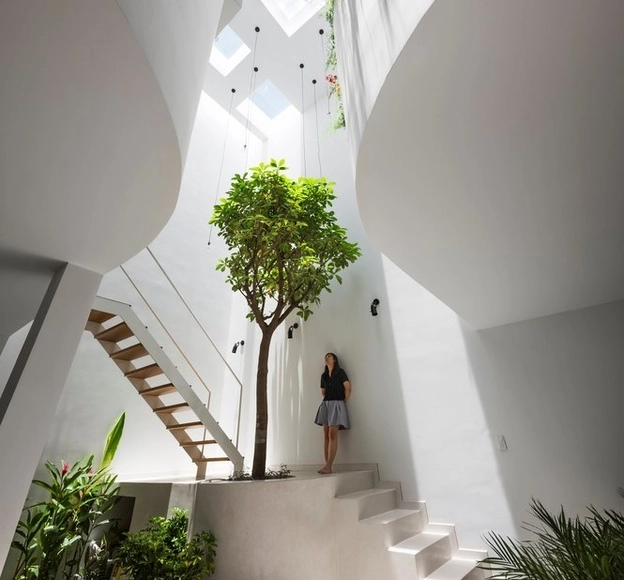
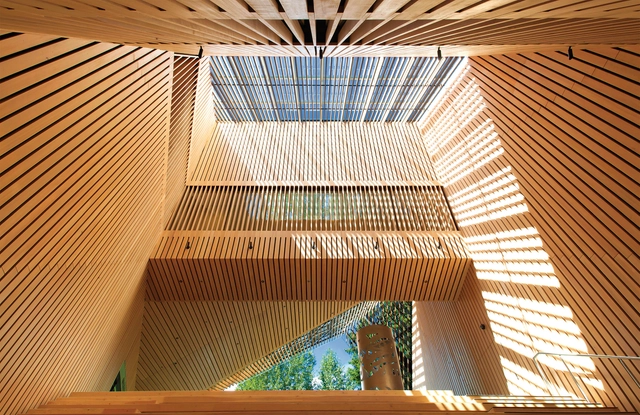
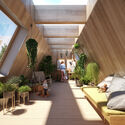
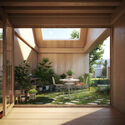
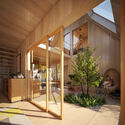
Although the term may seem recent, the concept of biophilia has been used for decades in architecture and design. The guiding principle is quite simple: connect people inside with nature to promote their well-being and quality of life. With all the ongoing design trends that have consolidated as a result, the demand has focused on organic materials that emulate outdoor environments. Among all the options, wood is one of the most popular materials to bring nature indoors, not only because of its functionality, but also due to its multiple physiological and psychological benefits.
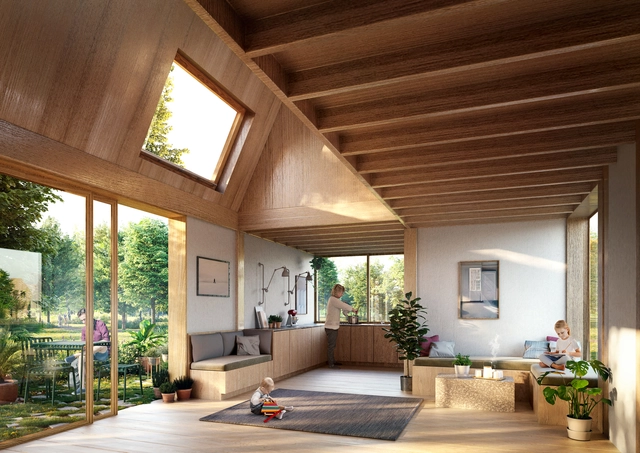
VELUX Group reveals The Build for Life concept aimed at creating sustainable communities and built environment through affordable, socially-oriented designs and new housing models, healthy indoor climates and the use of low-impact materials. Developed together with EFFEKT, MOE engineers and Danish construction company Enemaerke & Petersen A/S, the concept provides architects and city planners with a “compass’ for navigating the sustainability imperatives of the moment while encouraging the design of healthier living places.
Only 18 months ago, everyone around the globe had their life upended by the COVID-19 pandemic. Almost immediately, architects and designers began to speculate on how they could design for a better world that would be flexible, functional, and healthy. While the pandemic is far from over, with many scientific advancements and public health policies still needed to truly allow us to live out our “new normal”, perhaps its time to reflect on our predictions and examine what aspects of the pandemic were short-term reactions, and which aspects of life might be permanently reflected in how we think about the built environment.
Products with natural germ-repelling properties—like certain woods and copper—and those with textures that help avoid bacterial growth will be common materiality considerations for commercial interiors specification following the COVID-19 pandemic.. Image Courtesy of Marin Architects
In this week's reprint from Metropolis, Amanda Schneider, president of ThinkLab, the research division of SANDOW, explores how "designers can help create healthy, safe interiors with thoughtful surface and filtration selections". Asking how we can have sanitized surfaces, without having to deep clean them regularly, the author discusses the materiality of healthy safe interiors.
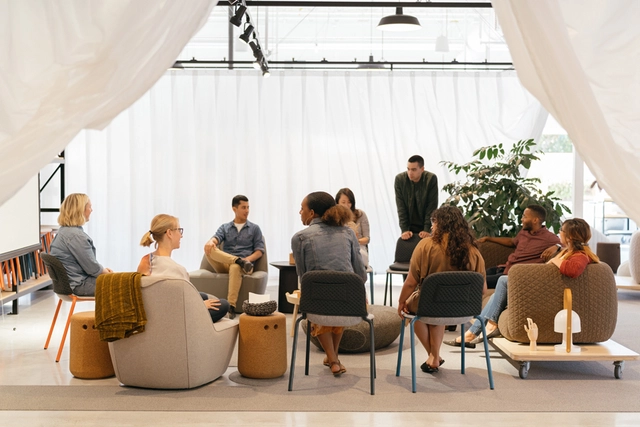
More than a year into this worldwide experiment of working from home, we have not yet landed on the perfect formula for the workforce being once again in the workspace. Furthermore, not only has the Working From Home (WFH) situation lasted longer than anticipated, it has embedded itself into the way we will work forevermore. As vaccines are rolled out, leaders of all types of organizations must now seriously consider how to handle the return of their employees to the physical office space.
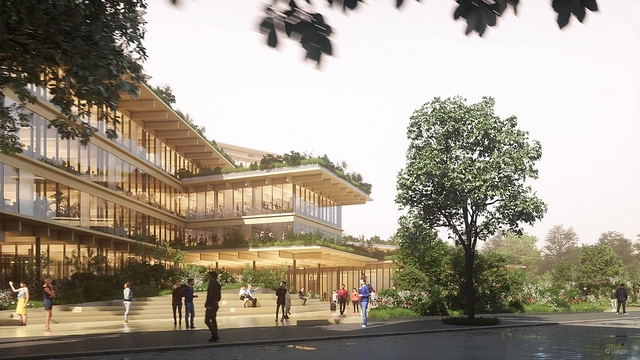
Construction has begun on “Welcome, feeling at work”, a biophilic office of the future in Milan, Italy. Designed by Kengo Kuma & Associates and commissioned by Europa Risorse, this venture seeks to create a workspace centered on employee health and wellbeing, integrated within its local environment. Imagined to be one of the most sustainable office development to date, the project is scheduled for 2024.
“Change drives innovation. We must continually evolve into what a successful workplace looks like,” said Nicole Senior, director of workplace experience, Tinder. Change, innovation and human connection were topics of prominence in a December 17 Think Tank, hosted by Rapt Studio, and titled “Looking Back, Looking Forward: Workforce Lessons for 2021.”
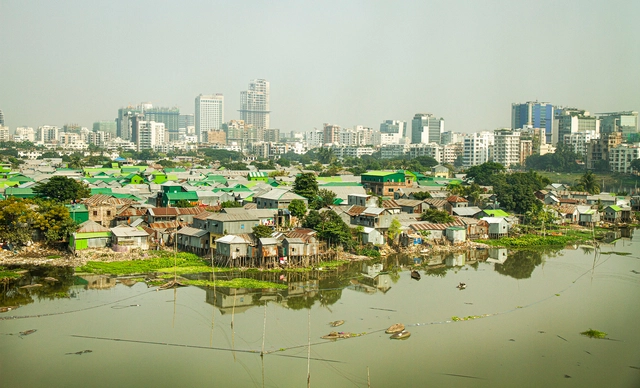
Bangladesh, Dhaka, Korail slum settlement in city centre. Image Courtesy of UN-Habitat
Across the globe, ever since 2014, every year on the 31st of October, World Cities Day is celebrated. To mark this event, UN-Habitat has released its World Cities Report 2020 on the value of sustainable urbanization, focusing on the most up-to-date and pressing topics. Analyzing the intrinsic value of cities in generating economic prosperity, mitigating environmental degradation, reducing social inequality, and building stronger institutions, the report highlights how together these can drive transformative change.
More than 55% of the world’s population lives in cities, with that number only expected to increase in the coming decades. Despite the rising population in urban areas, local governments continue to raise flags about inadequate infrastructure and the declining quality of life that cities are facing. Perhaps the large scale problems that we typically categorize as urban innovation, inclusion, and infrastructure, can be solved if we get to the root of the smaller troubles, that we may not even know existed. It’s time to take urban issues off the back burner and improve cities not just for today, but for the long term future.
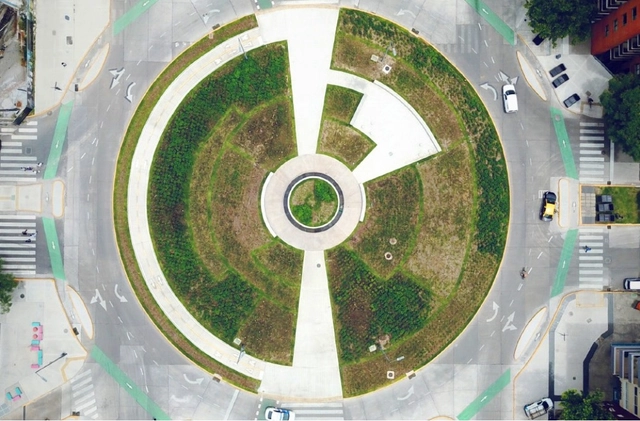
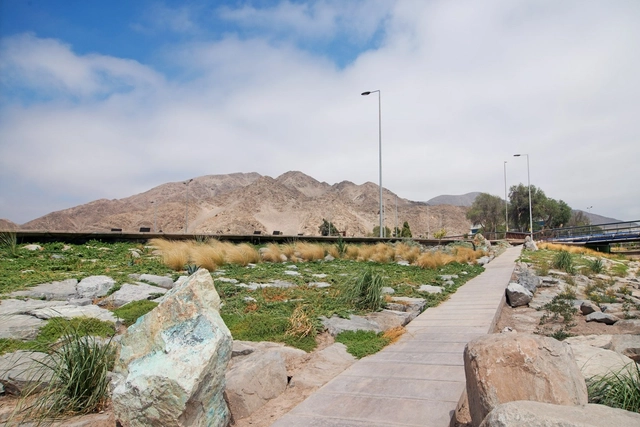
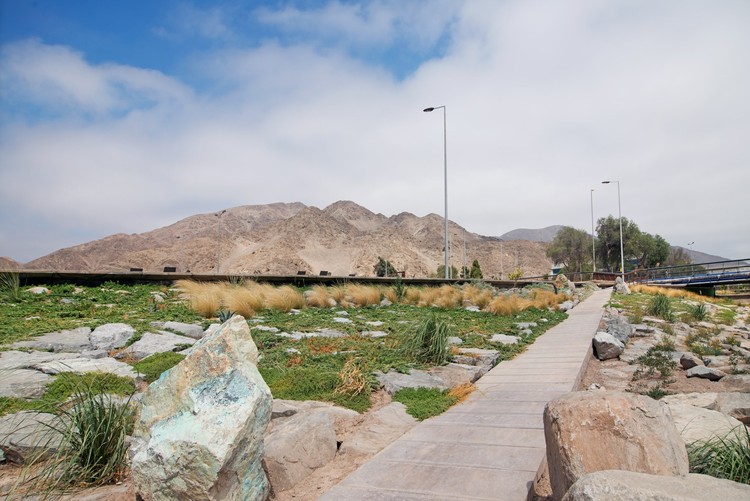
Does it make sense to design green parks in desert cities such as Casablanca, Dubai, or Lima? Ostensibly it does because they contribute freshness and greenness to the urban environment. In exchange, however, they disrupt native local ecosystems, incur high maintenance bills, and begin a constant struggle to ensure water availability.
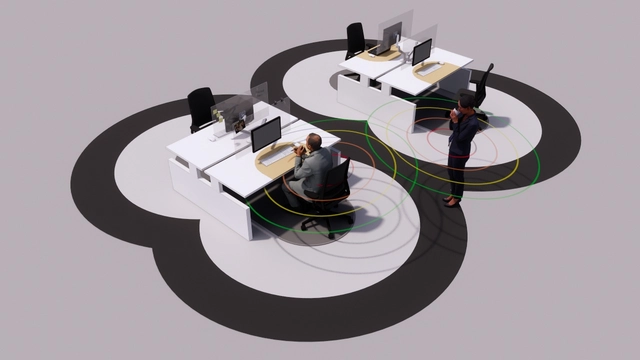
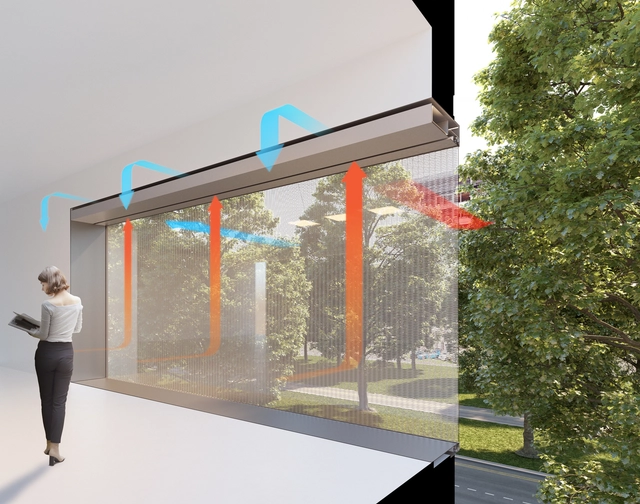
CRA-Carlo Ratti Associati has created a pilot project for Sella Group’s Open Innovation Center in Turin, Italy, addressing post-pandemic challenges. The new workplace design features automated desk sanitizing, collaborative digital platforms, and smart windows to ensure health, safety, and sociability.
The Invisible Facemask. Image Courtesy of Seoul City Government
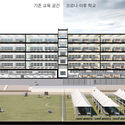
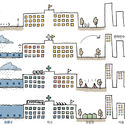
It is now of worldwide interest to re-think how our cities will adapt to a post-COVID-19 era, and take the necessary actions. Understanding that social distancing is of vital importance, our various daily-life spaces will face an inevitable change. Considering the current situation which calls for proper architectural solutions in response to the unprecedented pandemic, The Seoul Metropolitan Government is developing innovative concepts for new built environments, city spaces, and landscapes, able to adapt to this post-coronavirus era. Aligned with this approach, Seoul City has recently held an international Competition for Architectural Ideas in order to prepare for the post-COVID-19 world.
The Choice School - Calicut, India. Image Courtesy of CetraRuddy
Architects are mobilizing their efforts, to help schools around the world reconsider their design in order to guarantee sustainability, emotional wellness, and physical health. CetraRuddy, Cooper Robertson, and WXY are amongst those proposing an increase in outdoor programming and a rearrangement of classrooms, for post-pandemic school design.
The architectural scene has been witnessing lately a growing focus on indoor/outdoor functions. Discover 3 different interventions from 3 different practices, tackling one common issue, and focusing on outdoor space as a major programming element.
With most of the world living in cities and growing villages, people tend to spend the majority of their time indoors. When not at home, we are working, learning, or even engaging in fun activities in enclosed, built settings. All in all, 90% of our time is occupied inside. It is therefore essential to ensure a comfortable, productive, and healthy indoor environmental quality by following well-regulated parameters and design practices that consider temperature, lighting, noise pollution, proper ventilation, and the quality of the air we breathe. The latter is especially important, since contrary to what we might think, air pollution is much higher indoors than outdoor.
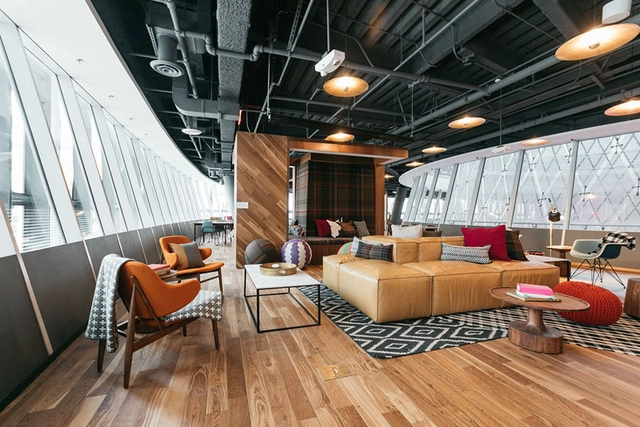
Many of us spend more time at our offices than ever before and sometimes see our colleagues more than our own families. Workplaces can be considered to be our second homes, which is why the way we deliberately design them in the present day has garnered so much attention. The overarching design of workplaces aims to create a perfect balance between heads-down focus work and layers of collaboration to improve the productivity and general well being of employees. As workplace trends come and go, there’s a new progression on everyone’s minds- and it predicts what a post-COVID-19 office might look like both in the immediate and long term future. Although there’s no crystal ball answer, many architecture firms, research groups, and real estate companies have been tapped to ideate and implement forward-thinking design solutions and health safety policies that will be critical in redefining how we utilize our workplaces for the years to come.
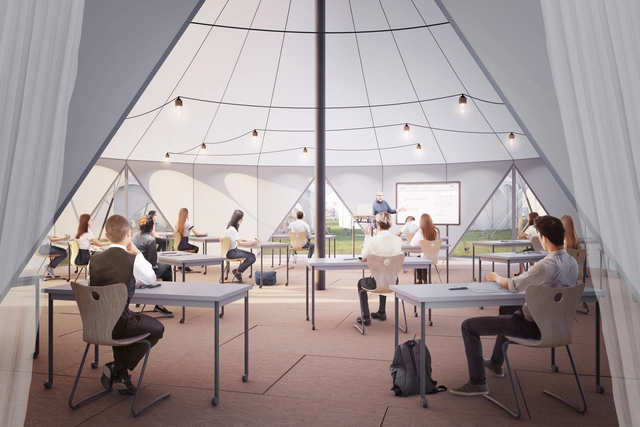
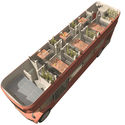
Curl la Tourelle Head Architecture (CLTH) has imagined a new design approach for classrooms when schools reopen as the lockdown eases in the UK. The architecture practice based in London has released an innovative concept “to help mitigate restricted circulation routes within schools and maintain the necessary social distancing among pupils and staff”.
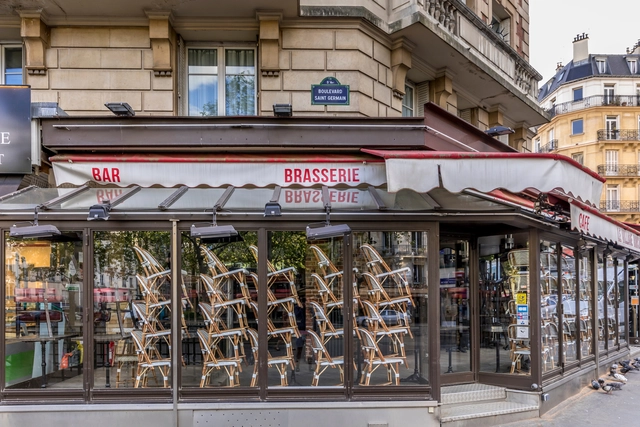
Paris, France - April 17, 2020: Restaurant brasserie on Boulevard Saint Germain is closed due to epidemic of coronavirus COVID19 in Paris.. Image via Shutterstock/ By Jerome LABOUYRIE
MASS Design Group has released a guideline for restaurants in response to the coronavirus pandemic, to help these business reopen safely, viably, and vibrantly. Based on world health recommendations, the drafted protocols aim to keep both staff and customers safe, as well as facilitate operations.











.jpg?1617024156&format=webp&width=640&height=580)











.jpg?1597648211&format=webp&width=640&height=580)


.jpg?1597648186 "The Choice School - Calicut, India. Image Courtesy of CetraRuddy")
.jpg?1597648211)