1. ArchDaily
  2. Healthy Design

Healthy Design: The Latest Architecture and News

“We Live in Toxic Interior Environments”: Interview with Healthy Materials Lab

Subscriber Access | 

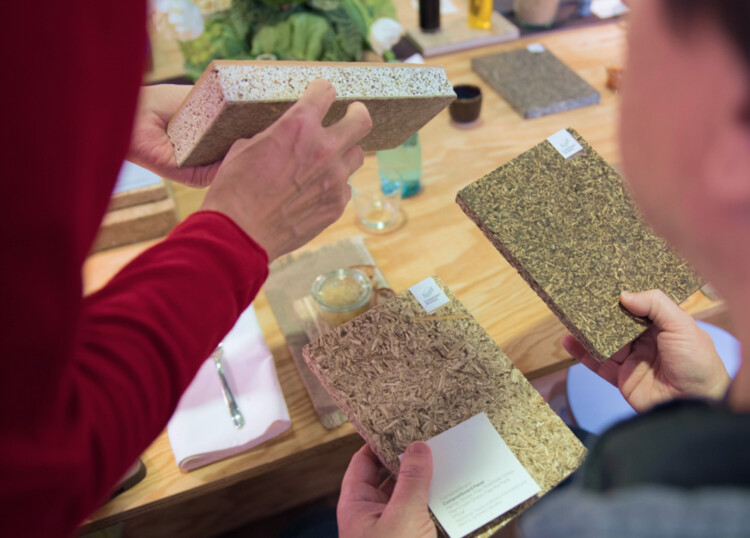
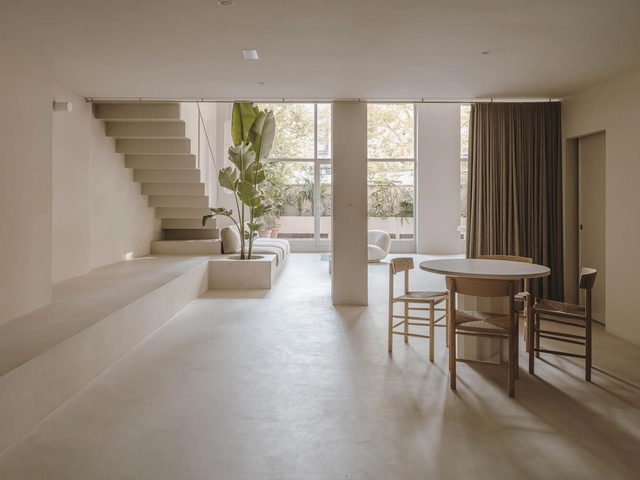
The well-known phrase "man is what he eats" (Der Mensch ist, was er isst), by Ludwig Feuerbach, asserts that the physical, mental, and even moral constitution of human beings is directly linked to what they consume. Today, this idea is widely internalized, with growing awareness around food, nutrition, and the impact of what we ingest on our bodies. Yet, this same level of awareness doesn't extend to the environments we inhabit, where materials continue to be treated as technical decisions rather than active agents in the relationship between body and space. Considering that a large portion of the global population spends around 90% of their time indoors, it is rarely discussed what actually composes these spaces at their most fundamental level: materials. Walls, floors, and finishes are often approached as technical or aesthetic choices, when in reality they can function as continuous sources of exposure to potentially harmful substances.

“We Live in Toxic Interior Environments”: Interview with Healthy Materials Lab - Image 1 of 4“We Live in Toxic Interior Environments”: Interview with Healthy Materials Lab - Image 2 of 4“We Live in Toxic Interior Environments”: Interview with Healthy Materials Lab - Image 3 of 4“We Live in Toxic Interior Environments”: Interview with Healthy Materials Lab - Image 4 of 4“We Live in Toxic Interior Environments”: Interview with Healthy Materials Lab - More Images+ 13

Architecture that Shapes Health: Lessons of Design and Well-Being in 2025

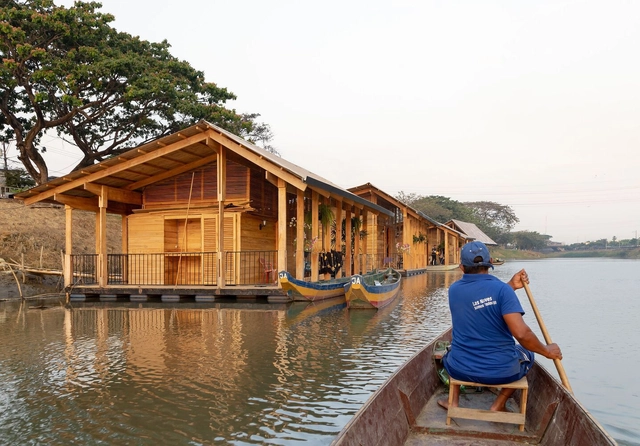
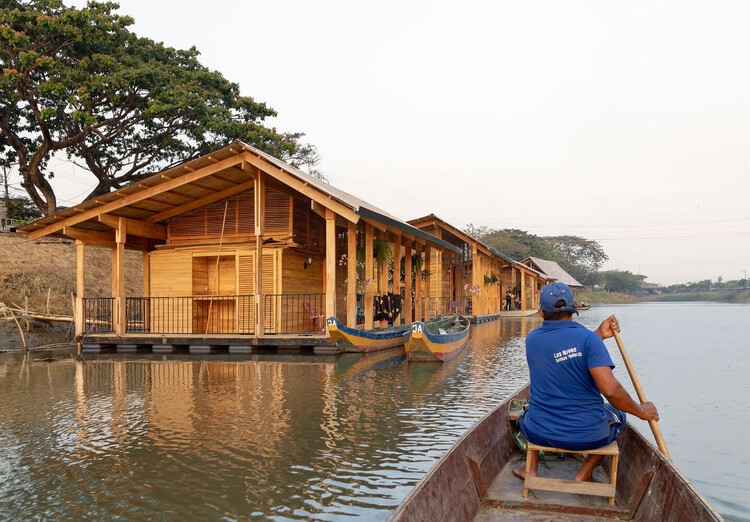
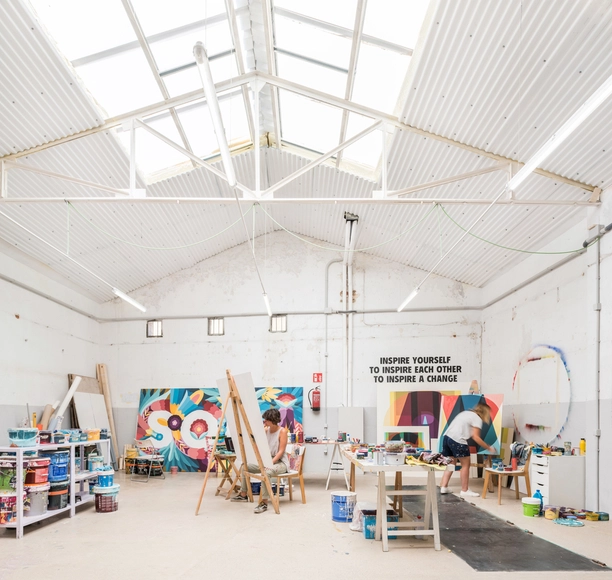
Health has become a central concern in architecture, planning, and design, driven by a growing awareness of how the built environment influences physical, mental, social, and environmental well-being. In 2025, this awareness moved beyond specialized building types or performance metrics and became central to architectural decision-making, informing how spaces are conceived, built, and inhabited across diverse contexts. Architects are no longer treating health as an external requirement but as an integral condition of everyday life.

Architecture that Shapes Health: Lessons of Design and Well-Being in 2025 - Image 1 of 4Architecture that Shapes Health: Lessons of Design and Well-Being in 2025 - Image 2 of 4Architecture that Shapes Health: Lessons of Design and Well-Being in 2025 - Image 3 of 4Architecture that Shapes Health: Lessons of Design and Well-Being in 2025 - Image 4 of 4Architecture that Shapes Health: Lessons of Design and Well-Being in 2025 - More Images+ 14

Cities Need Care, Not Perfection: Rethinking How We Build the Urban Future

Subscriber Access | 

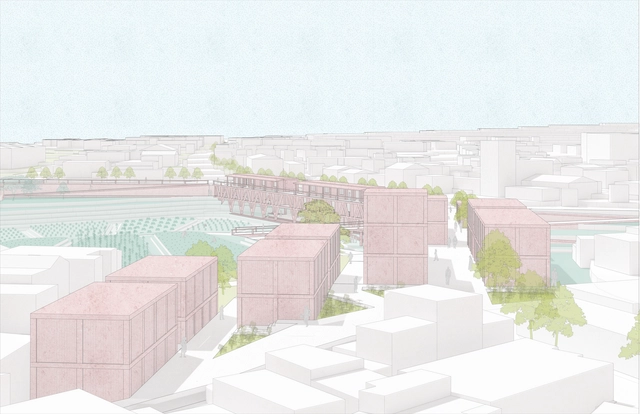
What does optimism feel like in cities that can no longer rely on perfection as their ultimate ambition? Across the world, urban environments bear the weight of overlapping pressures: climate volatility, spatial inequality, political fragmentation, public distrust, and chronic infrastructural disinvestment. These realities render the idea of an ideal city increasingly detached from lived experience. Yet the hope for building better systems persists. While utopian visions may seem like an escape from the growing complexities of the modern world, the greater challenge for contemporary city-making is to confront those complexities rather than avoid them.

Cities Need Care, Not Perfection: Rethinking How We Build the Urban Future - Image 1 of 4Cities Need Care, Not Perfection: Rethinking How We Build the Urban Future - Image 2 of 4Cities Need Care, Not Perfection: Rethinking How We Build the Urban Future - Image 3 of 4Cities Need Care, Not Perfection: Rethinking How We Build the Urban Future - Image 4 of 4Cities Need Care, Not Perfection: Rethinking How We Build the Urban Future - More Images+ 16

The Gym-Bar Hybrid: Interiors That Integrate Sports and Healthy Habits Through Architecture

Subscriber Access | 

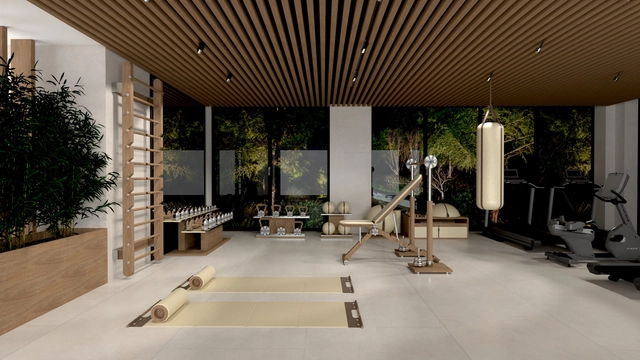
From the interior design of sports facilities to wellness spaces, contemporary architecture continues to experiment with incorporating different uses, installations, and materialities that make it possible to reach broader audiences, generate new spatial experiences, and enhance the simultaneous development of various activities. While each sport requires its own type of architecture, such as climbing training, for example, architecture and design professionals are striving to create atmospheres where exercise becomes more than just a physical experience, but also a psychological one, connecting mind and body through a state of physical renewal, relaxation, and sociability.

The Gym-Bar Hybrid: Interiors That Integrate Sports and Healthy Habits Through Architecture - Image 1 of 4The Gym-Bar Hybrid: Interiors That Integrate Sports and Healthy Habits Through Architecture - Image 2 of 4The Gym-Bar Hybrid: Interiors That Integrate Sports and Healthy Habits Through Architecture - Image 3 of 4The Gym-Bar Hybrid: Interiors That Integrate Sports and Healthy Habits Through Architecture - Image 4 of 4The Gym-Bar Hybrid: Interiors That Integrate Sports and Healthy Habits Through Architecture - More Images+ 14

To Live Well in High-Density Cities: Connections of Urban Density and Public Health

As the global population continues to surge, cities become increasingly complex ecosystems, dense and bustling environments home to millions of people. Today, more than half of the world's population lives in cities, which is expected to grow dramatically in the coming decades. This rapid urbanization presents a complex set of challenges for the architects and planners tasked with creating spaces that can accommodate urban residents' lives.

To Live Well in High-Density Cities: Connections of Urban Density and Public Health - Image 1 of 4To Live Well in High-Density Cities: Connections of Urban Density and Public Health - Image 2 of 4To Live Well in High-Density Cities: Connections of Urban Density and Public Health - Image 3 of 4To Live Well in High-Density Cities: Connections of Urban Density and Public Health - Image 4 of 4To Live Well in High-Density Cities: Connections of Urban Density and Public Health - More Images+ 10

Spaces for Wellness: Integrating Fitness into Everyday Environments

As cities continue to grow and daily realities shift rapidly, people are turning to new and evolving ways to maintain their well-being. While promoting active lifestyles has long been a focus for many planners and architects, through pedestrian- and bike-friendly cities, parks, and fitness or sports centers, recent times have shown that these publicly valued facilities are not always accessible. A clear solution has emerged in recent years, accelerated by the global pandemic in 2020. Both homes and workplaces have begun to adapt their interior spaces, incorporating designated areas and equipment to support physical activity and provide opportunities for movement during the day.

Spaces for Wellness: Integrating Fitness into Everyday Environments - Image 1 of 4Spaces for Wellness: Integrating Fitness into Everyday Environments - Image 2 of 4Spaces for Wellness: Integrating Fitness into Everyday Environments - Image 3 of 4Spaces for Wellness: Integrating Fitness into Everyday Environments - Image 4 of 4Spaces for Wellness: Integrating Fitness into Everyday Environments - More Images+ 12

Investing in Wellbeing: How Healthy Workspaces Drive Productivity and Profit

Subscriber Access | 

Beyond aesthetics, the design of our workplaces directly impacts our health. Studies reveal a clear link between poor light quality and limited access to natural views with increased sick leave. Smoke-free policies have been demonstrably effective, reducing smoking prevalence by 3.8% and lowering tobacco consumption by a significant 3.1 cigarettes per day for continuing smokers. Workplaces can either support wellbeing or be a detriment to it. Conscious office design can blend aspects of health in spaces to cultivate physical, mental, and social well-being.

Investing in Wellbeing: How Healthy Workspaces Drive Productivity and Profit  - Image 1 of 4Investing in Wellbeing: How Healthy Workspaces Drive Productivity and Profit  - Image 2 of 4Investing in Wellbeing: How Healthy Workspaces Drive Productivity and Profit  - Image 3 of 4Investing in Wellbeing: How Healthy Workspaces Drive Productivity and Profit  - Image 4 of 4Investing in Wellbeing: How Healthy Workspaces Drive Productivity and Profit  - More Images+ 2

Architecture for Public Health: A Joint Approach to Sustainability and Wellness

Subscriber Access | 

The built environment significantly impacts public health, yet its potential as a tool for health promotion remains largely unrecognized. Historically, architects and urban planners have explored the connections between design and health, identifying foundational factors that improve a building's health performance. Built environment professionals possess compelling evidence on how spatial interventions can improve health outcomes, yet health practitioners often lack this perspective. Breaking down these silos is essential in the creation of spaces that promote occupant well-being.

Architecture for Public Health: A Joint Approach to Sustainability and Wellness - Image 1 of 4Architecture for Public Health: A Joint Approach to Sustainability and Wellness - Image 2 of 4Architecture for Public Health: A Joint Approach to Sustainability and Wellness - Image 3 of 4Architecture for Public Health: A Joint Approach to Sustainability and Wellness - Image 4 of 4Architecture for Public Health: A Joint Approach to Sustainability and Wellness - More Images+ 1

Designing in Connection with Nature: An Interview with Tom Bassett-Dilley on Sustainable, Healthy Architecture

When addressing the world's broader problems—such as the climate emergency, energy crisis, and housing shortage—, we often seek sweeping, grand solutions that could tackle them all at once. As alluring as these ideas may be, they eventually run into the thousands of complexities and interconnections our world presents. But what if we sought more decentralized and domestic solutions? Chicago-based firm Tom Bassett-Dilley Architects has been pursuing just this, focusing on sustainable design, carbon-free and energy-efficient projects for residences, historical buildings, institutions, and commercial projects. In their Manifesto: The New American Dwelling, they argue that the single-family home, once the great American dream, needs to be redefined to emphasize minimalism, efficiency, health, connection with nature, durability, and personal kindness, moving away from wasteful, artificial, and toxic practices. We spoke with Tom Bassett-Dilley, FAIA, CPHC, LFA, and founder of the firm, about some aspects of their work.

A PVC-Free Acoustic Solution for Healthy, Sustainable and Soundproof Interiors

 | Sponsored Content

Polyvinyl chloride (PVC) plastic –commonly known as vinyl– is everywhere. In fact, chances are you are sitting close to (or on) something containing PVC in some way, shape or form. It’s used in packaging, automobile parts, children’s toys, clothing, accessories, wires, furniture, medical supplies and hundreds of other everyday items. This year alone, global production exceeded 51 million metric tons, solidifying its rank as the third-most produced plastic in the world. It is particularly in the architecture, engineering and construction industry that the material stands unchallenged, accounting for 60-70% of its total consumption. So much so that it has indisputably become the most used plastic for building materials worldwide, often found in pipes, fittings, flooring, roofing, window profiles and more. It’s not hard to understand why: PVC is durable, highly versatile, cost-effective and easy to maintain. But nothing comes without a cost, they say…
Designing for Happiness: Exploring the Connection between Architecture and Mental Health

While not entirely dependent on one another, the relationship between architecture and mental well-being is an important topic, as designers and architects can contribute to creating a more enjoyable environment for everyone. From strategies to enhance mental health in shared workspaces to the ways in which architecture can contribute to preventing cognitive decline, understanding the potential impact of environmental neurosciences and the ways they apply to architecture is an essential skill for our profession.

Designing for Happiness: Exploring the Connection between Architecture and Mental Health - Image 1 of 4Designing for Happiness: Exploring the Connection between Architecture and Mental Health - Image 2 of 4Designing for Happiness: Exploring the Connection between Architecture and Mental Health - Image 3 of 4Designing for Happiness: Exploring the Connection between Architecture and Mental Health - Image 4 of 4Designing for Happiness: Exploring the Connection between Architecture and Mental Health - More Images+ 12

What Materials Can Promote Health in Interior Architecture?

Recent statistics suggest that if someone lives until they are 80, around 72 of those years will be spent inside buildings. This makes sense if we bear in mind that, when not at home, humans are working, learning or engaging in fun activities mostly in enclosed, built settings. Contemplating current events, however, this number is expected to grow. In an increasingly chaotic and uncertain world, marked by the ongoing effects of climate change and the global pandemic, the desire to stay indoors in a protected, controlled and peaceful environment is stronger than ever. Architects face an important challenge: to create comfortable, productive and healthy interiors with well-regulated parameters, considering factors like indoor air quality, daylighting and biophilic features from the initial stages of design. Of course, this involves choosing materials sensitively and accordingly, whether it be by avoiding certain health-harming components or by integrating non-toxic products that soothe and promote wellness.

What Materials Can Promote Health in Interior Architecture? - Image 1 of 4What Materials Can Promote Health in Interior Architecture? - Image 2 of 4What Materials Can Promote Health in Interior Architecture? - Image 3 of 4What Materials Can Promote Health in Interior Architecture? - Image 4 of 4What Materials Can Promote Health in Interior Architecture? - More Images+ 5

SPACE10’s New Report Reveals the Essential Elements for Creating Healthy Homes

IKEA’s research and design lab SPACE10 has published The Healthy Home report, the second release in its Future Home report series. The report explores three main themes concerning domestic environments: how our homes protect us from harm, restore our bodies and minds, and enable us to grow through life’s stages. The research aims to evaluate the ways in which homes can positively contribute to and support the rhythms and flows of life. It was developed in collaboration with Morph to develop the visuals supporting the findings.

SPACE10’s New Report Reveals the Essential Elements for Creating Healthy Homes  - Image 1 of 4SPACE10’s New Report Reveals the Essential Elements for Creating Healthy Homes  - Image 2 of 4SPACE10’s New Report Reveals the Essential Elements for Creating Healthy Homes  - Image 3 of 4SPACE10’s New Report Reveals the Essential Elements for Creating Healthy Homes  - Image 4 of 4SPACE10’s New Report Reveals the Essential Elements for Creating Healthy Homes  - More Images

Design for Health at the UIA World Congress of Architects 2023

The UIA World Congress of Architects 2023 is an invitation for architects from around the world to meet in Copenhagen July 2 – 6 to explore and communicate how architecture influences all 17 UN Sustainable Development Goals (SDGs). For more than two years, the Science Track and its international Scientific Committee have been analyzing the various ways in which architecture responds to the SDGs. The work has resulted in the formulation of six science panels: design for Climate Adaptation, design for Rethinking Resources, design for Resilient Communities, design for Health, design for Inclusivity, and design for Partnerships for Change. An international call for papers was sent out in 2022 and 296 of more than 750 submissions from 77 countries have been invited to present at the UIA World Congress of Architects 2023 in Copenhagen. ArchDaily is collaborating with the UIA to share articles pertaining to the six themes to prepare for the opening of the Congress.

In this fourth feature, we met with co-chairs of design for Health architect Arif Hasan, former Visiting Professor NED University Karachi and member of UNs Advisory Group on Forced Evictions, and architect Christian Benimana, Senior Principal and Co-Executive Director at MASS Design Group

Design for Health at the UIA World Congress of Architects 2023  - Image 1 of 4Design for Health at the UIA World Congress of Architects 2023  - Image 2 of 4Design for Health at the UIA World Congress of Architects 2023  - Image 3 of 4Design for Health at the UIA World Congress of Architects 2023  - Image 4 of 4Design for Health at the UIA World Congress of Architects 2023  - More Images+ 21

The Bioclimatic Skyscraper: Kenneth Yeang's Eco-Design Strategies

Subscriber Access | 

Rising over global cities, the modern skyscraper has long been a symbol of economic growth and environmental decline. For years, they have been reviled by environmentalists for being uncontrolled energy consumers. Malaysian architect Kenneth Yeang acknowledged the skyscraper as a necessity in modern cities and adopted a pragmatic approach to greening the otherwise unsustainable building typology. Yeang’s bioclimatic skyscrapers blend the economics of space with sustainability and improved living standards.

The Bioclimatic Skyscraper: Kenneth Yeang's Eco-Design Strategies  - Image 1 of 4The Bioclimatic Skyscraper: Kenneth Yeang's Eco-Design Strategies  - Image 2 of 4The Bioclimatic Skyscraper: Kenneth Yeang's Eco-Design Strategies  - Image 3 of 4The Bioclimatic Skyscraper: Kenneth Yeang's Eco-Design Strategies  - Image 4 of 4The Bioclimatic Skyscraper: Kenneth Yeang's Eco-Design Strategies  - More Images+ 2

Tips for Home Gym Design: Fostering Physical and Mental Well-Being in Interiors

 | Sponsored Content

The World Health Organization defines health as “a state of complete physical, mental and social well-being.” If one or more of these aspects are compromised, quality of life and happiness can be severely affected. In recent years, and particularly during the COVID-19 pandemic, this has proved to be especially challenging. Commuting restrictions forced many to stay indoors and businesses to pause in-person operations, aiming to prevent the virus from spreading but inevitably sacrificing psychological, emotional, and even physical health in the process. As a result, people’s lifestyles shifted to find new ways to address their well-being, including adapting their living spaces accordingly. Home gyms, for example, became a popular initiative.

World Architecture Day 2022: Designing for Well-Being and Promoting Spaces for Everyone

Subscriber Access | 

The first Monday of October of every year marks World Architecture Day and World Habitat Day. Celebrated simultaneously, they both seek to shed light on the built environment and its challenges, taking on a different theme with each new edition. This year, through its World Architecture Day, the UIA is focusing on “Architecture for well-being”, in line with the designation of 2022 as the UIA Year of Design for Health in buildings and cities. In parallel, the UN’s World Habitat Day, is centered on “Mind the Gap. Leave No One and Place Behind”, looking at the problem of growing inequality and challenges in cities and human settlements, due to the triple ‘C’ crises – COVID-19, climate and conflict.

Introducing Urban October, 31 days to promote a better urban future, World Architecture Day and World Habitat Day push forward the debates on urban sustainability. Joining the conversation every year, ArchDaily takes part in this occasion by promoting content that tackles the main objectives of this day, raising awareness, presenting solutions, engaging the international community, and “empowering everyone who makes architecture happen to create a better quality of life”.

World Architecture Day 2022: Designing for Well-Being and Promoting Spaces for Everyone - Image 1 of 4World Architecture Day 2022: Designing for Well-Being and Promoting Spaces for Everyone - Image 2 of 4World Architecture Day 2022: Designing for Well-Being and Promoting Spaces for Everyone - Image 3 of 4World Architecture Day 2022: Designing for Well-Being and Promoting Spaces for Everyone - Image 4 of 4World Architecture Day 2022: Designing for Well-Being and Promoting Spaces for Everyone - More Images+ 25

How are New Construction Materials Prioritizing Human Safety and Wellbeing?

It is expected that by 2050, the rapid depletion of raw materials will leave the world without enough sand and steel to build concrete. On the other hand, the cost of building continues to soar, with an increase between 5% and 11% from last year. And with respect to its impact on the environment, the construction industry still accounts for 23% of air pollution, 50% of the climatic change, 40% of drinking water pollution, and 50% of landfill wastes. Evidently, the construction industry, the environment, and the human race are facing several challenges that are influenced by one another, but it is the human being who is at the greatest disadvantage.

As a response to global challenges such as climate change, discrimination, and physical vulnerability, designers and engineers from across the world have developed innovative construction materials that put the human wellbeing first in urban, architecture, and interior projects.  

How are New Construction Materials Prioritizing Human Safety and Wellbeing? - Image 1 of 4How are New Construction Materials Prioritizing Human Safety and Wellbeing? - Image 2 of 4How are New Construction Materials Prioritizing Human Safety and Wellbeing? - Image 3 of 4How are New Construction Materials Prioritizing Human Safety and Wellbeing? - Image 4 of 4How are New Construction Materials Prioritizing Human Safety and Wellbeing? - More Images+ 4