1. ArchDaily
  2. Healing Spaces

Healing Spaces: The Latest Architecture and News

Wellbeing and Slow Spaces: Can Architecture Distort the Way We Experience Time?

A good conversation can make time feel like it's passing more quickly. But is this effect solely due to the verbal exchange, or could our perception of time be shaped by the spatial conditions surrounding us? There are environments that, due to their scale, distribution, and atmosphere, are conducive to meeting, listening, or pausing, thereby influencing the human experience. Perhaps it's not the words we share, but the space in which we speak that truly shapes our understanding of time. Some sociological theories about our society and the built environment go beyond considering it as a mere physical container and suggest that architecture, in its very duality, can act as both an inhibitor and a catalyst for our temporal experiences, impacting our wellbeing.
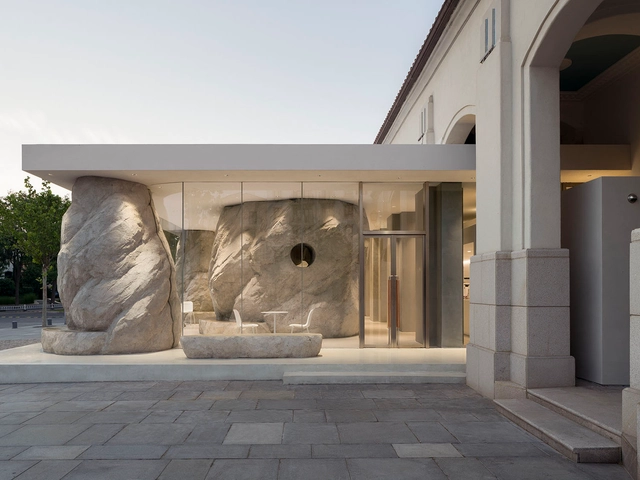
Biophilic Architecture without Plants: Invisible Design for Wellbeing

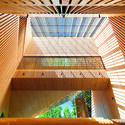
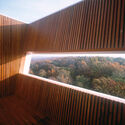
The term "biophilia" understandably conjures images of buildings engulfed by vegetation and integrated into natural landscapes. In modern architectural discourse, the concept has come to be associated with the incorporation of greenery into built environments, yet such applications represent only a sliver of biophilic design's true scope. Inarguably, nature plays a central role in biophilic design. However, its influence stretches to often-overlooked strategies that involve spatial configuration and environmental patterning. "Invisible" biophilia frequently leads to positive health outcomes for occupants, working impactfully beneath the surface.

Biophilic Architecture without Plants: Invisible Design for Wellbeing - Image 1 of 4Biophilic Architecture without Plants: Invisible Design for Wellbeing - Image 2 of 4Biophilic Architecture without Plants: Invisible Design for Wellbeing - Image 3 of 4Biophilic Architecture without Plants: Invisible Design for Wellbeing - Image 4 of 4Biophilic Architecture without Plants: Invisible Design for Wellbeing - More Images+ 4

Rooted in Tradition, Nature, and Community: Wellness and Healing Spaces from the North to the South Africa

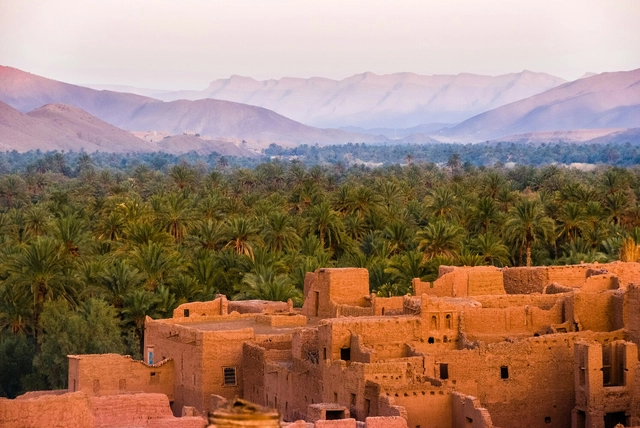
Wellness and healing spaces are shaped by cultural traditions, geographical contexts, and social structures. Across the world, certain practices have been deeply rooted for centuries, like Roman baths, Turkish hammams, and Japanese onsens, while others evolve by drawing inspiration from rituals or redefining their own concept and image of a healing environment. Europe, North America, and Oceania are characterized by a focus on personal journeys, self-care, and often luxurious wellness spaces. Asia shapes the prevailing global perception of wellness through meditation-based healing, inner reflection, and holistic retreats. In Africa, wellness is deeply rooted in ancestral traditions, integrated with nature, and centered around community and social interaction. The commonality worldwide lies in sensory engagement, relaxation, and holistic healing, often tied to nature. But what does wellness look like in Africa? What are the healing spaces that shape it, and what architectural languages define wellness from north to south?

Rooted in Tradition, Nature, and Community: Wellness and Healing Spaces from the North to the South Africa - Image 1 of 4Rooted in Tradition, Nature, and Community: Wellness and Healing Spaces from the North to the South Africa - Image 2 of 4Rooted in Tradition, Nature, and Community: Wellness and Healing Spaces from the North to the South Africa - Image 3 of 4Rooted in Tradition, Nature, and Community: Wellness and Healing Spaces from the North to the South Africa - Image 4 of 4Rooted in Tradition, Nature, and Community: Wellness and Healing Spaces from the North to the South Africa - More Images+ 2

In Pursuit of Health: How Medical Concerns Shaped Modernist Architecture

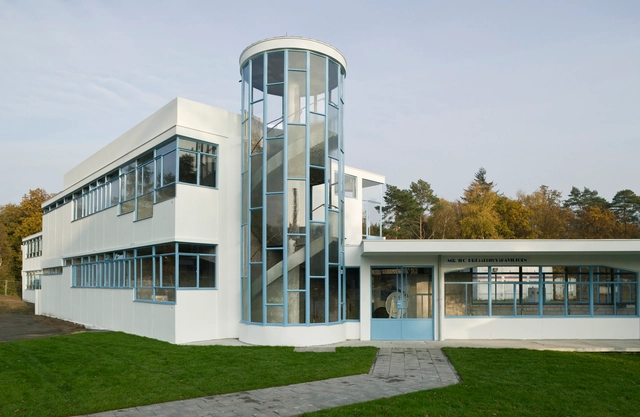
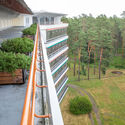
The intersection of architecture and medicine profoundly shaped modernist design, where transparency, light, and air became essential tools in the pursuit of health. Emerging from the tuberculosis crisis of the late 19th and early 20th centuries, the sanatorium evolved beyond a medical facility into a testing ground for architectural innovation. The necessity of fresh air, sunlight, and sterility transformed these spaces into prototypes for modernist principles, influencing spatial organization, material choices, and design philosophies that extended far beyond healthcare.

More than sites of treatment, sanatoriums embodied contemporary medical theories in built form. At a time when tuberculosis — often called the white plague — devastated populations worldwide, medical professionals prescribed environmental exposure as the primary therapy. Architecture adapted accordingly, producing buildings with expansive terraces, large windows, and streamlined interiors designed to optimize ventilation and maximize natural light.

In Pursuit of Health: How Medical Concerns Shaped Modernist Architecture - Image 1 of 4In Pursuit of Health: How Medical Concerns Shaped Modernist Architecture - Image 2 of 4In Pursuit of Health: How Medical Concerns Shaped Modernist Architecture - Image 3 of 4In Pursuit of Health: How Medical Concerns Shaped Modernist Architecture - Image 4 of 4In Pursuit of Health: How Medical Concerns Shaped Modernist Architecture - More Images+ 28

From Hospital to Medical Research Hub: How the Montreal Chest Institute Adapts to Modern Needs

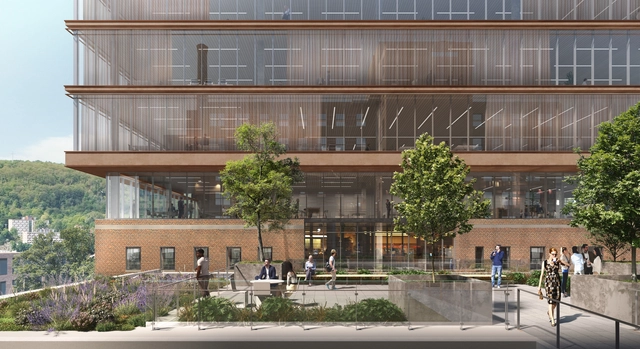
With modern medicine, it may be difficult for many people today to imagine the devastation caused by Tuberculosis (TB) just about 100 years ago. Initially associated with insalubrious, overcrowded conditions, just in Canada it caused the death of approximately 8000 people annually in the late 19th century. During this time, before more advanced treatments were discovered, prescriptions from doctors involved sunlight, fresh air, and rest. As a response, sanatoria were established. These were places where patients could be separated from the community to manage their disease. One testament to that legacy stands in the heart of Montreal: the former Royal Edward Laurentian Institute, later known as the Montreal Chest Institute. Born from crisis, it has since become a symbol of resilience, transformation, and innovation, shifting from a space of isolation to a thriving hub for research and entrepreneurship in the life sciences.

From Hospital to Medical Research Hub: How the Montreal Chest Institute Adapts to Modern Needs - Image 1 of 4From Hospital to Medical Research Hub: How the Montreal Chest Institute Adapts to Modern Needs - Featured ImageFrom Hospital to Medical Research Hub: How the Montreal Chest Institute Adapts to Modern Needs - Image 2 of 4From Hospital to Medical Research Hub: How the Montreal Chest Institute Adapts to Modern Needs - Image 3 of 4From Hospital to Medical Research Hub: How the Montreal Chest Institute Adapts to Modern Needs - More Images+ 5

Healing Through Design: The Story Behind Alvar Aalto’s Paimio Sanatorium

Subscriber Access | 

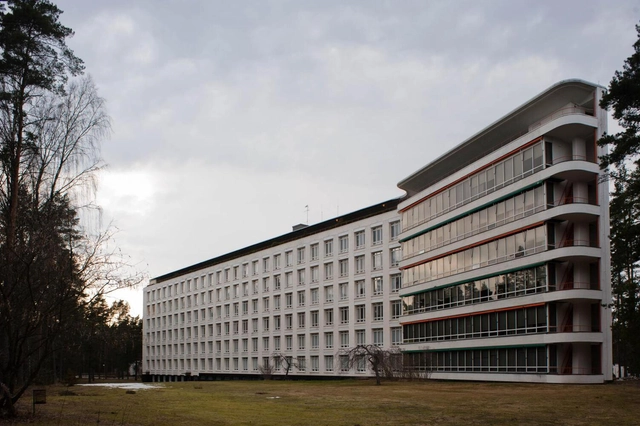
In the early 20th century, tuberculosis presented a significant public health challenge across Europe, prompting the construction of specialized facilities for patient recovery. The Paimio Sanatorium in Finland stands as a groundbreaking example of architecture's potential to promote healing. Designed by Alvar Aalto between 1929 and 1933, the sanatorium combined innovative design principles with a deep understanding of human needs, setting new benchmarks for healthcare architecture.

Alvar Aalto, a leading figure in modernist architecture, envisioned the Paimio Sanatorium as more than a functional response to a medical crisis. He crafted a space where architecture became an instrument of care, integrating natural light, ventilation, and harmonious forms to support physical and emotional well-being. This project marked a turning point in Aalto's career, showcasing his ability to blend modernist ideals with a profound sensitivity to context and human experience.

Healing Through Design: The Story Behind Alvar Aalto’s Paimio Sanatorium - Image 1 of 4Healing Through Design: The Story Behind Alvar Aalto’s Paimio Sanatorium - Image 2 of 4Healing Through Design: The Story Behind Alvar Aalto’s Paimio Sanatorium - Image 3 of 4Healing Through Design: The Story Behind Alvar Aalto’s Paimio Sanatorium - Image 4 of 4Healing Through Design: The Story Behind Alvar Aalto’s Paimio Sanatorium - More Images+ 23

The Science of Design: How Neuroscience can Help Architects Shape the Built Environment

In recent years, the integration of neuroscience and architecture has revolutionized our understanding of how built environments influence human well-being, behavior, and cognition. This interdisciplinary field, known as neuroarchitecture, explores the connections between spatial design, brain function, and psychology, offering insights into creating environments that promote health, creativity, and emotional resilience.

The Science of Design: How Neuroscience can Help Architects Shape the Built Environment  - Image 1 of 4The Science of Design: How Neuroscience can Help Architects Shape the Built Environment  - Image 2 of 4The Science of Design: How Neuroscience can Help Architects Shape the Built Environment  - Image 3 of 4The Science of Design: How Neuroscience can Help Architects Shape the Built Environment  - Image 4 of 4The Science of Design: How Neuroscience can Help Architects Shape the Built Environment  - More Images+ 9