1. ArchDaily
  2. Hans Scharoun

Hans Scharoun: The Latest Architecture and News

Designing for the Performing Arts: Architecture as a Stage for Experience

Subscriber Access | 

Theaters, concert halls, and opera houses are more than just venues — they are meticulously orchestrated environments where architecture, technology, and human emotion converge. Unlike conventional buildings, these spaces must accommodate a dynamic interplay between acoustics, sightlines, stage mechanics, and audience engagement, all while maintaining an architectural identity that resonates with performers and spectators alike. Whether it is the immersive embrace of a vineyard-style concert hall or the grandeur of a proscenium theater, every design decision shapes how performances are experienced and remembered.

The recently published SET PIECES: Architecture for the Performing Arts in Fifteen Fragments by Diamond Schmitt Architects explores these complexities through case studies and reflections. Inspired by its insights, this article examines essential design considerations for performance spaces, from acoustic engineering to the evolving role of theaters in urban life.
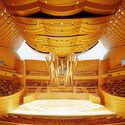
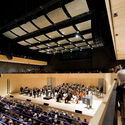
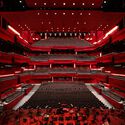
Designing for the Performing Arts: Architecture as a Stage for Experience - Image 1 of 4Designing for the Performing Arts: Architecture as a Stage for Experience - Image 2 of 4Designing for the Performing Arts: Architecture as a Stage for Experience - Image 3 of 4Designing for the Performing Arts: Architecture as a Stage for Experience - Image 4 of 4Designing for the Performing Arts: Architecture as a Stage for Experience - More Images+ 60

Berlin Architecture City Guide: 25 Modern and Contemporary Projects to Discover in the German Capital

Subscriber Access | 

While the city of Berlin has a long history, dating back to the 13th century, its architecture and urban fabric has undergone the most significant changes during the last century, reflecting the impact of major historical events that took place in the German capital. During the early 20th century, Berlin transformed into a modern metropolis, marked through the construction of grand buildings and imposing structures to demonstrate the city’s growing economic and political power. The 1920s and 1930s saw the emergence of the Modernist movement, which, together with the Bauhaus school of architecture founded in 1919, influenced the image and urban fabric of Berlin.

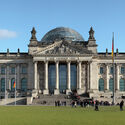
During the Second World War the city was heavily bombed, resulting in the destruction of many historical buildings. During the post-war period, reconstruction efforts focused on rebuilding infrastructure and housing, while the city remained divided until 1989, with the fall of the Berlin wall. After this period, Berlin witnessed a renewed interest in architecture and urban design. Interventions such as David Chipperfield’s Neues Museum aimed to rebuild historical monuments without erasing the markings of their difficult past. Other projects such as the renovation of the Reichstag had a different purpose. Norman Foster’s intervention intended to keep the image of this building but change its symbolism from a structure representative for the Nazi regime to one embracing the ideals of democracy and equality.

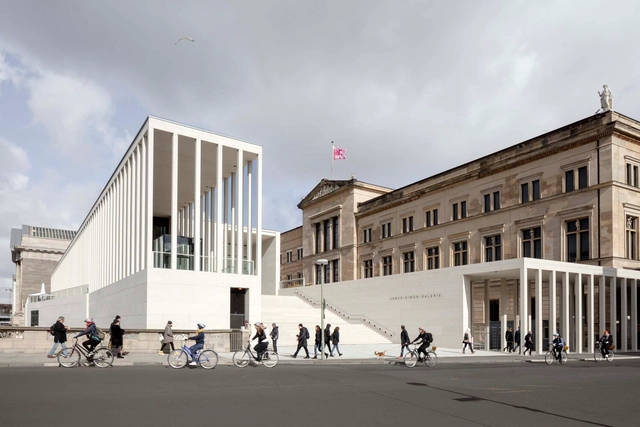
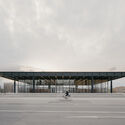
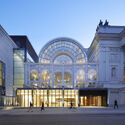
Berlin Architecture City Guide: 25 Modern and Contemporary Projects to Discover in the German Capital - Image 1 of 4Berlin Architecture City Guide: 25 Modern and Contemporary Projects to Discover in the German Capital - Image 2 of 4Berlin Architecture City Guide: 25 Modern and Contemporary Projects to Discover in the German Capital - Image 3 of 4Berlin Architecture City Guide: 25 Modern and Contemporary Projects to Discover in the German Capital - Image 4 of 4Berlin Architecture City Guide: 25 Modern and Contemporary Projects to Discover in the German Capital - More Images+ 21

Space Popular Reignite the Concerns of "The Glass Chain" Letters By Way of Virtual Reality

Subscriber Access | 

"The Glass Chain" (Die Gläserne Kette in its native German) was an exchange of written letters initiated by Bruno Taut in November 1919. The correspondence lasted only a year, and included the likes of Walter Gropius, Hans Scharoun, and Paul Gösch. In the letters, the penfriends—thirteen in all—speculated and fantasized about the possibilities of glass, imagining, in the words of Fredrik Hellberg and Lara Lesmes (Space Popular), "fluid and organic glass follies and colourful crystal cathedrals covering entire mountain chains and even reaching into space."

Space Popular Reignite the Concerns of "The Glass Chain" Letters By Way of Virtual Reality - Image 1 of 4Space Popular Reignite the Concerns of "The Glass Chain" Letters By Way of Virtual Reality - Image 2 of 4Space Popular Reignite the Concerns of "The Glass Chain" Letters By Way of Virtual Reality - Image 3 of 4Space Popular Reignite the Concerns of "The Glass Chain" Letters By Way of Virtual Reality - Image 4 of 4Space Popular Reignite the Concerns of The Glass Chain Letters By Way of Virtual Reality - More Images+ 13

AD Classics: Berlin Philharmonic

Subscriber Access | 
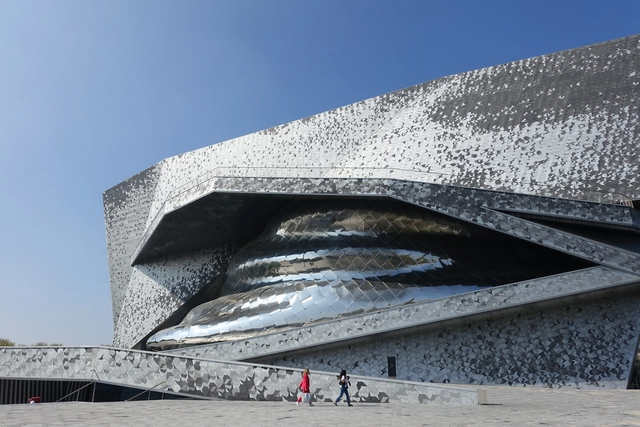
AD Classics: Berlin Philharmonic - Image 8 of 4
© Courtesy of Wikimedia Commons

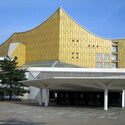
Architects: Hans Scharoun Location: Berlin, Germany Architect: Hans Scharoun References: greatbuildings.com, wikiarquitectura.com Year: 1963 Photographs: Courtesy of Wikimedia Commons, Photographs of Architecture