1. ArchDaily
  2. Bruno Taut

Bruno Taut: The Latest Architecture and News

5 Art Movements that Influenced Architecture

Subscriber Access | 

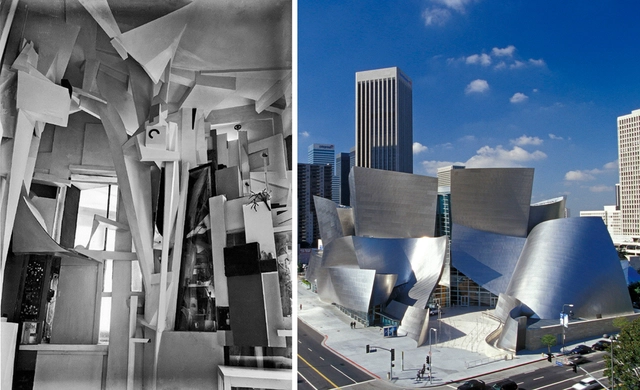
As far as history goes back, art and architecture have always been interrelated disciplines. From the elaboration of the Baroque movement to the geometric framework of modernism, architects found inspiration from stylistic approaches, techniques, and concepts of historic art movements, and translated them into large-scale habitable structures. In this article, we explore 5 of many art movements that paved the way for modern-day architecture, looking into how architects borrowed from their characteristics and approaches to design to create their very own architectural compositions.

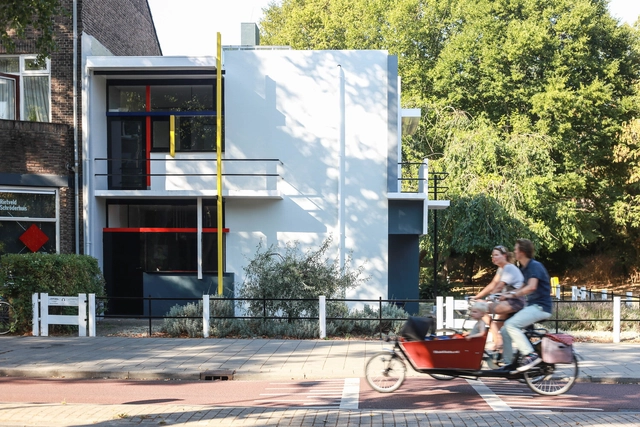
5 Art Movements that Influenced Architecture  - Image 1 of 45 Art Movements that Influenced Architecture  - Image 2 of 45 Art Movements that Influenced Architecture  - Image 3 of 45 Art Movements that Influenced Architecture  - Image 4 of 45 Art Movements that Influenced Architecture  - More Images+ 8

The Myth of Pure White Architecture: How Architects of Modernity Used Color

Given that the architects of modernity were in search of purity of form, it stands to reason that the image of this modern architecture is almost inevitably rendered in white in the collective imagination. Relieved of superfluous decorations, modern architecture became associated with the predominant use of white surfaces to highlight the volumetric composition. Combined with the concept of “material truth” first articulated by Victorian critic John Ruskin, white-colored architecture is often understood as straightforward, clear, and sincere.

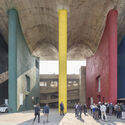
The Myth of Pure White Architecture: How Architects of Modernity Used Color - Image 1 of 4The Myth of Pure White Architecture: How Architects of Modernity Used Color - Image 2 of 4The Myth of Pure White Architecture: How Architects of Modernity Used Color - Image 3 of 4The Myth of Pure White Architecture: How Architects of Modernity Used Color - Image 4 of 4The Myth of Pure White Architecture: How Architects of Modernity Used Color - More Images+ 9

Towards an Architecture of Light, Color, and Virtual Experiences

Subscriber Access | 

This essay by Space Popular references an installation currently on display at Sto Werkstatt, in London. You can experience it in virtual reality, here.

The Glass House has no purpose other than to be beautiful. It is intended purely as a structure for exhibition and should be a beautiful source of ideas for “lasting” architecture but is not intended as such. According to the poet Paul Scheerbart, to whom it is dedicated, the Glass House should inspire the disillusion of current architecture’s far-too-restricted understanding of space and should introduce the effects and possibilities of glass into the world of architecture.

Bruno Taut [above] described his Glashaus for the 1914 Werkbund Exhibition in Cologne, Germany, as a "little temple of beauty"; as "reflections of light whose colors began at the base with a dark blue and rose up through moss green and golden yellow to culminate at the top in a luminous pale yellow.”[1] The Glass Pavilion, designed based on its potential effects on those who perceived it, was supposed to create vivid experiences. The site was the human mind.

Towards an Architecture of Light, Color, and Virtual Experiences - Image 1 of 4Towards an Architecture of Light, Color, and Virtual Experiences - Image 2 of 4Towards an Architecture of Light, Color, and Virtual Experiences - Image 3 of 4Towards an Architecture of Light, Color, and Virtual Experiences - Featured ImageTowards an Architecture of Light, Color, and Virtual Experiences - More Images+ 10

Space Popular Reignite the Concerns of "The Glass Chain" Letters By Way of Virtual Reality

Subscriber Access | 

"The Glass Chain" (Die Gläserne Kette in its native German) was an exchange of written letters initiated by Bruno Taut in November 1919. The correspondence lasted only a year, and included the likes of Walter Gropius, Hans Scharoun, and Paul Gösch. In the letters, the penfriends—thirteen in all—speculated and fantasized about the possibilities of glass, imagining, in the words of Fredrik Hellberg and Lara Lesmes (Space Popular), "fluid and organic glass follies and colourful crystal cathedrals covering entire mountain chains and even reaching into space."

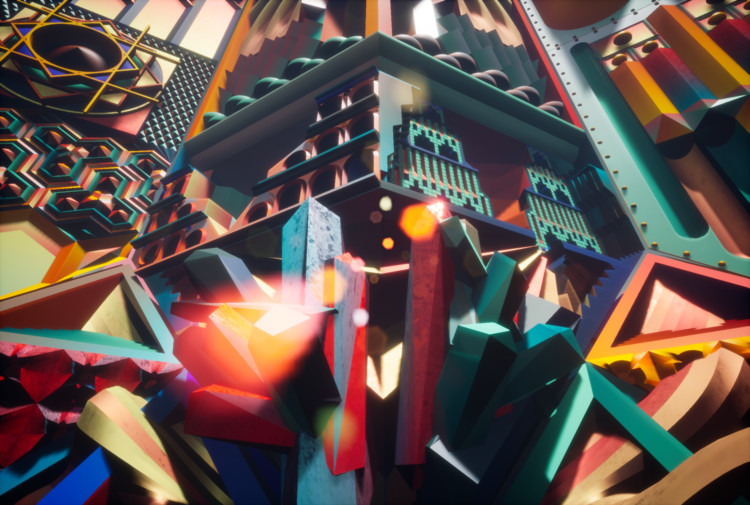
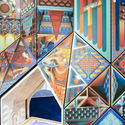
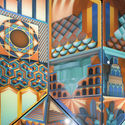
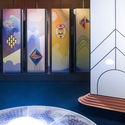
Space Popular Reignite the Concerns of "The Glass Chain" Letters By Way of Virtual Reality - Image 1 of 4Space Popular Reignite the Concerns of "The Glass Chain" Letters By Way of Virtual Reality - Image 2 of 4Space Popular Reignite the Concerns of "The Glass Chain" Letters By Way of Virtual Reality - Image 3 of 4Space Popular Reignite the Concerns of "The Glass Chain" Letters By Way of Virtual Reality - Image 4 of 4Space Popular Reignite the Concerns of The Glass Chain Letters By Way of Virtual Reality - More Images+ 13