
-
Landscape Architects: ASPECT Studios
- Area: 260000 m²
- Year: 2024


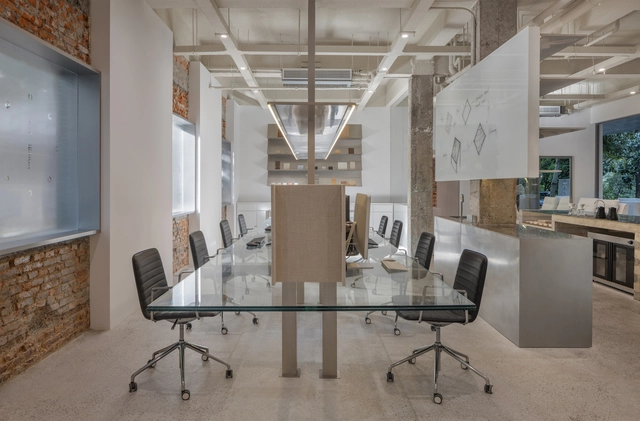
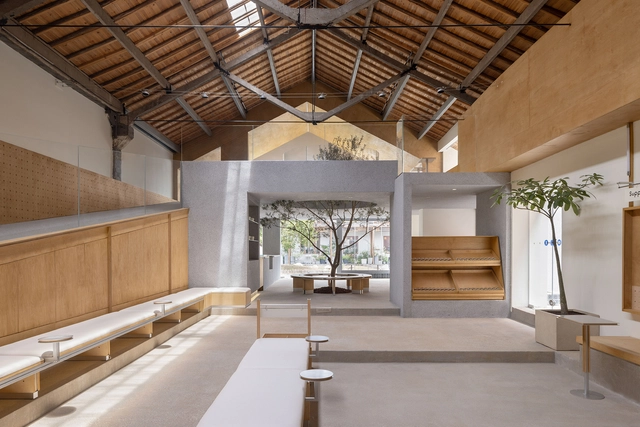
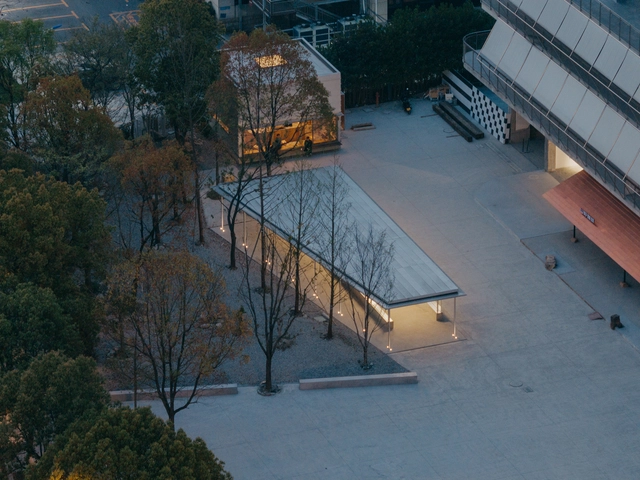
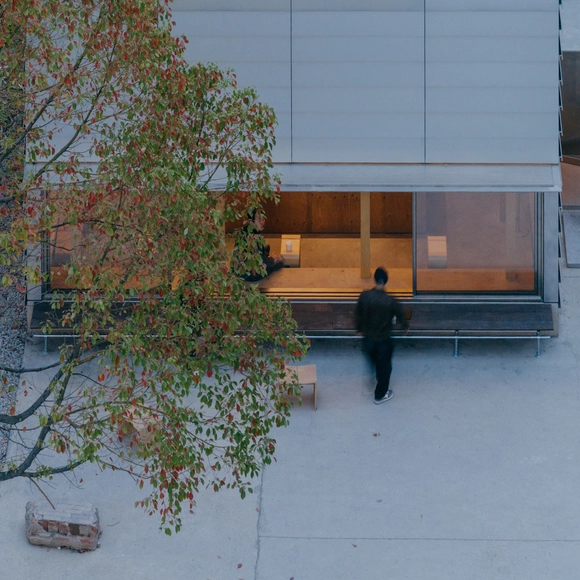
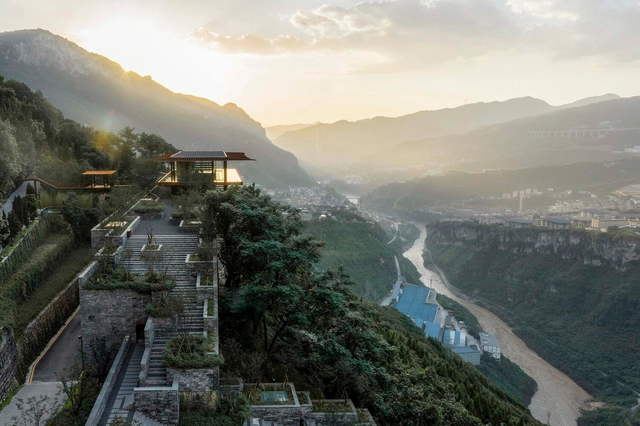
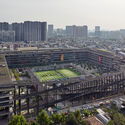
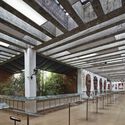
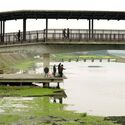
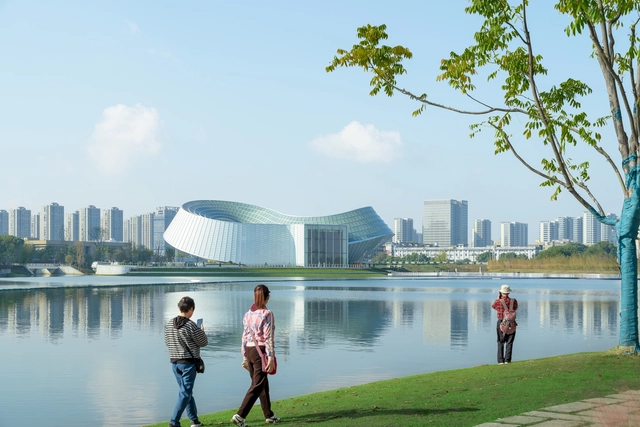
The 2025 Pritzker Prize has been awarded this year to Chinese Architect Liu Jiakun. Born in Chengdu in 1956, he grew up in the densifying city, before attending and graduating from the Chongqing Architecture and Engineering College (Chongqing University) in 1982 with a Bachelor of Engineering degree in Architecture, and becoming one of the first college graduates to be tasked with rebuilding the country during the Chinese transition period. However, it wasn't until many years later that the architect understood that "the built environment could be used as a medium for personal expression". It was then that his endeavors and career took off, with Liu Jiakun starting his practice in 1999, and participating in more collaborative works across China and Europe. Based on his experiences, his works are anchored in his understanding of reality and a respect towards China's multi-traditional history and internal diversity; all while achieving a seamless balance between architecture and nature, tradition and modernity.
These concepts do not obstruct his consciousness of human needs and the importance of community spaces. Through his projects, Liu Jiakun proves that spaces can affect human behavior and become positively evocative. A public space such as those he's created can be conducive to a benevolent atmosphere that provides rest and collaboration. "such as my pursuit of narrative and poetry in design." The comprehensiveness of Liu Jiakun's works makes it easy not to be constrained by stylistic or aesthetic limitations or requirements. He just follows what the site, natural landscape, pre-existing urban frame, and citizen needs might require. The physical result is a mix of all of these with the predominant vernacular traditions.
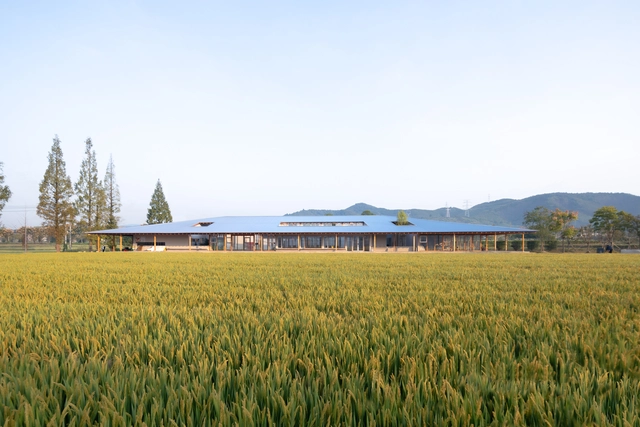
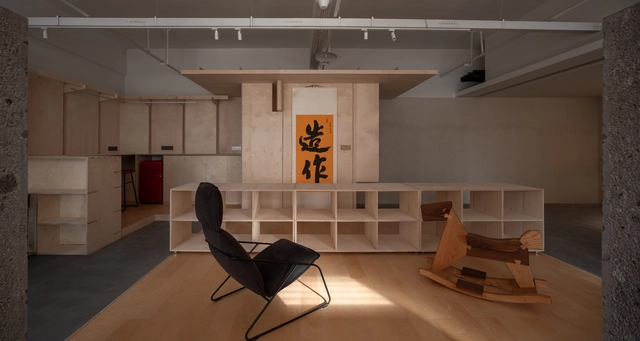
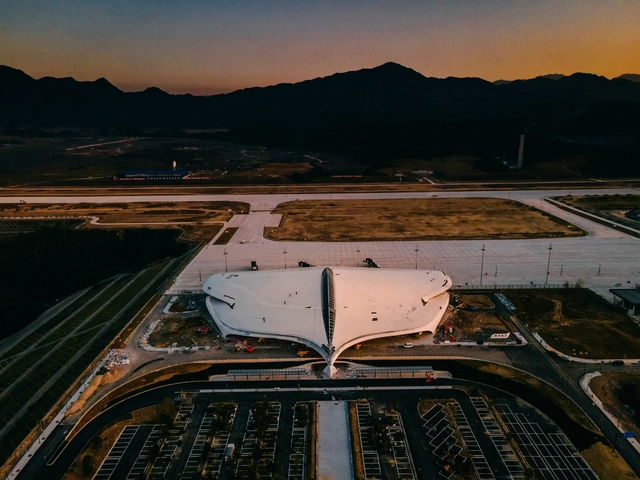
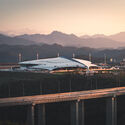
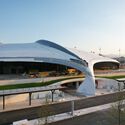
MAD Architects has provided an exciting update on the construction of Lishui (LIJ) Airport in China, now in its final stages. The project, which emphasizes harmony with nature, is scheduled to open by the end of 2024. Nestled within the foothill valleys of Lishui, the airport is designed to embody the city's reputation as a "forest city."
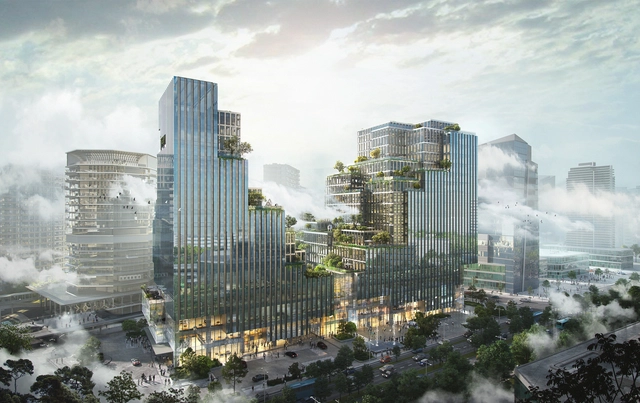
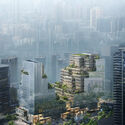
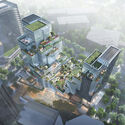
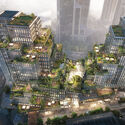
Büro Ole Scheeren has revealed their design for an 800,000 sq ft development following the concept of live-work-lay in Hangzhou, China. Titled Urban Glen, the project situated between West Lake and the Qiantang River comprises two towers connected by a central plinth. This feature, inspired by Hangzhou's hilly landscapes, becomes a built topography of terraces and exterior environments, aimed at optimizing natural light and the quality of both indoor and outdoor spaces. The Glen will house a variety of amenities, including ballrooms, meeting spaces, restaurants, and retail, all interwoven with public art from New World Development's extensive collection.
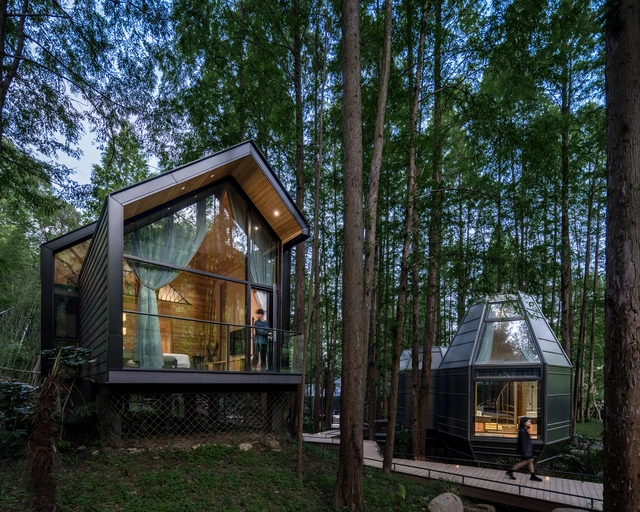
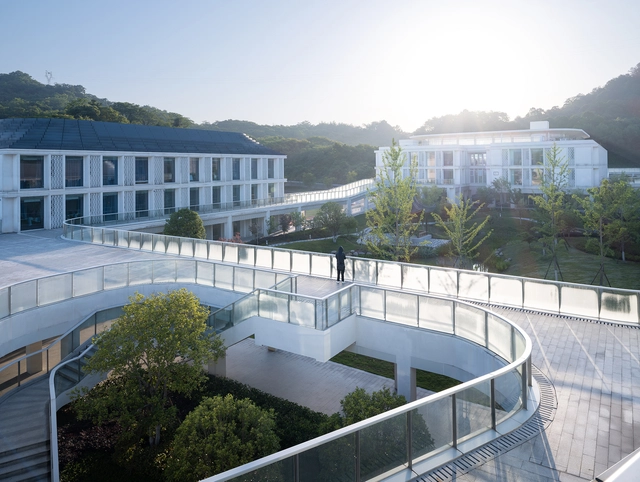
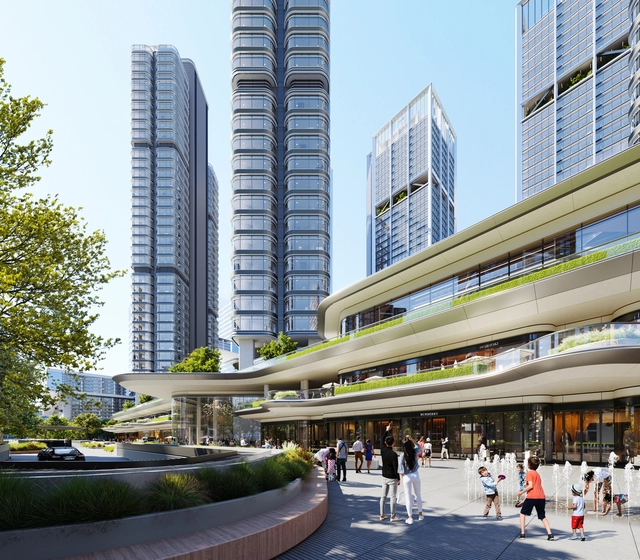
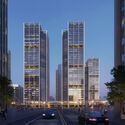
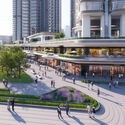
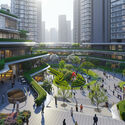
Situated in Hangzhou's Central Business District, the Euro American Innovation City is a mixed-use development designed by Foster+Partners to become a dynamic addition to the city. The 346,450 square-meter project includes two 200-meter-high office towers and four high-rise apartment buildings, complemented by a public plaza, an IT incubator, and a retail mall on the lower levels. Construction is currently progressing in phases, with the first phase nearing completion next month and the second set to finish by year-end, while the entire project aims for completion in September 2025.
As the anticipation builds for the XXXIII Olympic Games in Paris, the city is preparing to host a global sporting event and embark on a journey of urban renewal. In a departure from traditional stadium-centric hosting, Paris 2024 embraces a new approach to the Olympic experience. Sports architecture has the ability to transcend functionality and become a space of collective experience and shared joy. In that sense, it invites individuals from diverse backgrounds to forge connections while celebrating athleticism. This month’s curated collection focuses on diverse forms of sports architecture, stadiums, venues, and landscaping projects, dissecting what components come together to form different sports architecture experiences.
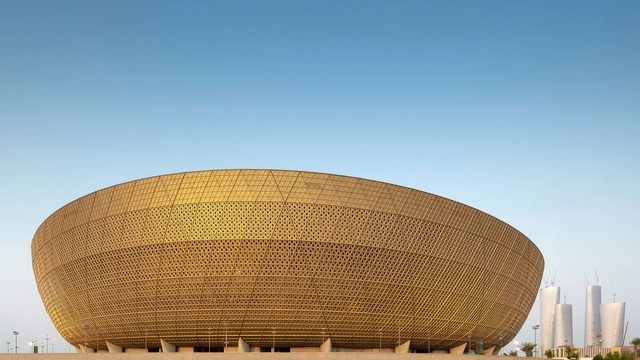
For the Qatar World Cup in 2022, Foster + Partners designed the iconic and more traditional Lusail FIFA stadium. In India, M:OFA Studios designed the National Institute of Water Sports, breaking away from the pragmatic norms of government institutions. In Hangzhou, China, the 2022 Asian Games featured a new Cricket Field by AZUT, emerging as an integration of sports infrastructure with the natural landscape. Meanwhile, in Order City, China, PLAT ASIA transformed an existing urban square into a Smart Sports Park, promoting community wellness and interaction. Finally, Opsis Architecture’s University of Idaho Arena serves as a main gateway to the University campus, celebrating the spirit of athleticism and community.