1. ArchDaily
  2. Functionalism

Functionalism: The Latest Architecture and News

How Can Hidden Niches Transform Walls into Functional Architecture?

 | Sponsored Content

The niche has been a space of visible intention throughout the history of architecture. In ancient Roman architecture, it served as a formal device carved into masonry to display statues, vases, or other objects. These recesses animated the walls of temples, bath complexes, and civic buildings, adding rhythm, depth, and focal points to otherwise massive structures. The interior spaces of the Pantheon framed statues of gods, and the Baths of Caracalla used similar voids to structure expansive halls. By the Renaissance, the niche evolved into a refined architectural frame. In Florence, the external cavities of Orsanmichele held guild-commissioned statues, while the Uffizi Palace's recesses displayed sculptural works. Whether filled or intentionally left empty, these openings articulated internal and external walls and facades, introduced hierarchy, and provided visual interest, serving as deliberate gestures meant to be seen.
Overprovision: Exploring Purposefully Wasteful Spaces in Residential Design

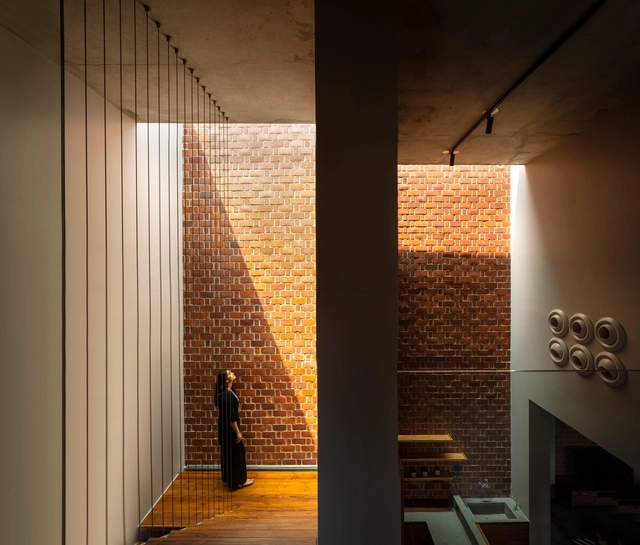
Overprovision can be seen as an architecture strategy through the lens of resilience—making spaces adaptable to changes, reinterpretations, and future needs. However, could overprovision also offer a productive lens for rethinking spatial design? Are there parallels in architectural theory or practice that align with this concept, as explored by notable figures in the discourse on space?

This question becomes particularly relevant in residential design, especially in regions like Hong Kong or Tokyo, where the demand to maximize space is a cultural and practical norm. Designers are frequently tasked with "making use of every inch" for storage or function, reflecting a tendency among residents to accumulate belongings disproportionate to their living spaces. 

Overprovision: Exploring Purposefully Wasteful Spaces in Residential Design - Image 1 of 4Overprovision: Exploring Purposefully Wasteful Spaces in Residential Design - Image 2 of 4Overprovision: Exploring Purposefully Wasteful Spaces in Residential Design - Image 3 of 4Overprovision: Exploring Purposefully Wasteful Spaces in Residential Design - Image 4 of 4Overprovision: Exploring Purposefully Wasteful Spaces in Residential Design - More Images+ 12

Between Geometric Shapes and Raw Materials: The Case of Brutalism in Italy

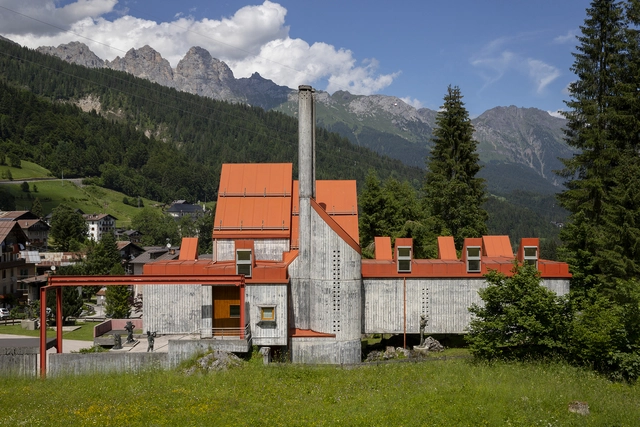
Born in the post-war period in the United Kingdom, the Brutalism movement was first met with skepticism but has found a new appreciation in the last decade, capturing the imagination of new designers fascinated with the interplay between striking geometric shapes and the exposed raw materials in which they are rendered. From Britain, the movement spread throughout Europe, Southeast Asia, and Africa, gathering different variations influenced by the cultural and socio-economic status of each area. In this article, we delve into the particularities that define Italy's contribution to the Brutalist movement, exploring the style through the lens of Roberto Conte and Stefano Perego. The two photographers have also published a photographic essay on the subject, taking the form of a book titled "Brutalist Italy: Concrete Architecture from the Alps to the Mediterranean Sea".

Between Geometric Shapes and Raw Materials: The Case of Brutalism in Italy - Image 1 of 4Between Geometric Shapes and Raw Materials: The Case of Brutalism in Italy - Image 2 of 4Between Geometric Shapes and Raw Materials: The Case of Brutalism in Italy - Image 3 of 4Between Geometric Shapes and Raw Materials: The Case of Brutalism in Italy - Image 4 of 4Between Geometric Shapes and Raw Materials: The Case of Brutalism in Italy - More Images+ 11

Van Nelle Factory: The Story Behind a Modernist Icon in Rotterdam

Subscriber Access | 

The Van Nelle Factory, located in Rotterdam, is one of the most significant examples of Modernist Industrial Architecture. Designed by Johannes Andreas Brinkman and Leendert van der Vlugt between 1925 and 1931, with the involvement of Mart Stam — a pioneer in modernist furniture design and architecture — the factory was conceived as a progressive and functional building for processing coffee, tea, and tobacco.

Envisioned as a "daylight factory", the Van Nelle complex introduced revolutionary architectural and social concepts for its time. By integrating glass, steel, and concrete into an open, rational layout, it demonstrated how design could transform industrial processes while improving the lives of the people within. It was not merely a space for production but a symbol of optimism, representing the potential of architecture to reshape industries and communities.

Van Nelle Factory: The Story Behind a Modernist Icon in Rotterdam - Image 1 of 4Van Nelle Factory: The Story Behind a Modernist Icon in Rotterdam - Image 2 of 4Van Nelle Factory: The Story Behind a Modernist Icon in Rotterdam - Image 3 of 4Van Nelle Factory: The Story Behind a Modernist Icon in Rotterdam - Image 4 of 4Van Nelle Factory: The Story Behind a Modernist Icon in Rotterdam - More Images+ 37

Mix and Match: Creating a Personalized Bathroom Experience

 | Sponsored Content

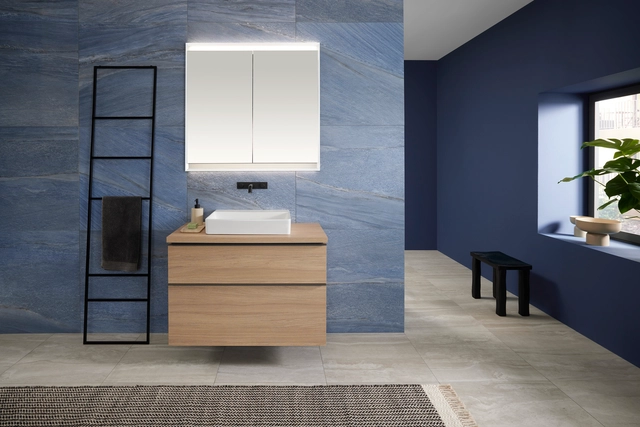
Not all people share the same routines, habits, or customs, yet we all have the same fundamental needs, regardless of age, social class, gender, culture, or religion. Designing bathroom spaces involves considering parameters of accessibility, technology, cleanliness, comfort, and durability, while offering efficient and sustainable solutions that ensure optimal performance. But what does functionality in architecture really mean? How do usage patterns evolve over time? Geberit products showcase various design proposals through their Mix and Match approach that blend furniture, sinks, and other bathroom accessories, all conceived to meet the diverse requirements of their users.

Mexico City: A Bustling, Evolving Metropolis Built Above Five Lakes

Subscriber Access | 

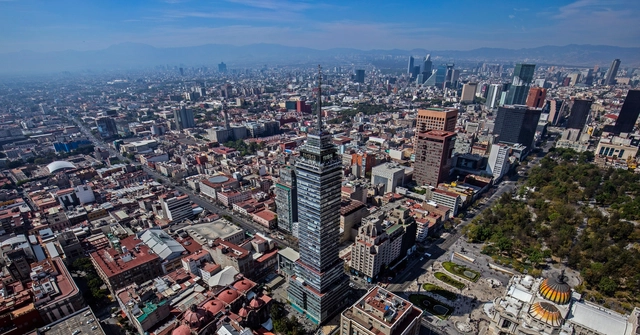
Thousands of years ago, a chain of volcanoes and hills formed a valley that became home to five lakes. According to indigenous mythology, this area served as a key reference point for the founding of the ancient Tenochtitlan, marked by the signal of an eagle perched on a cactus, devouring a snake. At the height of its splendor, the city was organized within an intricate system of causeways, many of which still serve as main thoroughfares, along with canals connecting the five water bodies. Over time, events such as colonization, independence, revolution, and modernization transformed its structure and name, leading to what is known today as Mexico City.

Indoor-Outdoor Homes in Lithuania: 20 Projects with Oversized Windows that Invite Nature

Subscriber Access | 
Indoor-Outdoor Homes in Lithuania: 20 Projects with Oversized Windows that Invite Nature - Image 23 of 4
Cedar House / arches. Image © Norbert Tukaj

Lithuania's architectural narrative is a mosaic of diverse influences and styles, representing its historical evolution, cultural heritage, and resilience through changing times. Despite a focus on traditional craftsmanship, functional minimalism, and sustainable materials, the country's design language has been profoundly influenced by its geopolitical position and historical events, resulting in a blend of styles from different periods. A key factor that cuts across all expressions, however, is Lithuanian architecture's seamless connection with its natural surroundings.

Indoor-Outdoor Homes in Lithuania: 20 Projects with Oversized Windows that Invite Nature - Image 1 of 4Indoor-Outdoor Homes in Lithuania: 20 Projects with Oversized Windows that Invite Nature - Image 2 of 4Indoor-Outdoor Homes in Lithuania: 20 Projects with Oversized Windows that Invite Nature - Image 3 of 4Indoor-Outdoor Homes in Lithuania: 20 Projects with Oversized Windows that Invite Nature - Image 4 of 4Indoor-Outdoor Homes in Lithuania: 20 Projects with Oversized Windows that Invite Nature - More Images+ 19

The Legacy of Modernist Architecture in Tanzania: Anthony Almeida and Beda Amuli

Subscriber Access | 

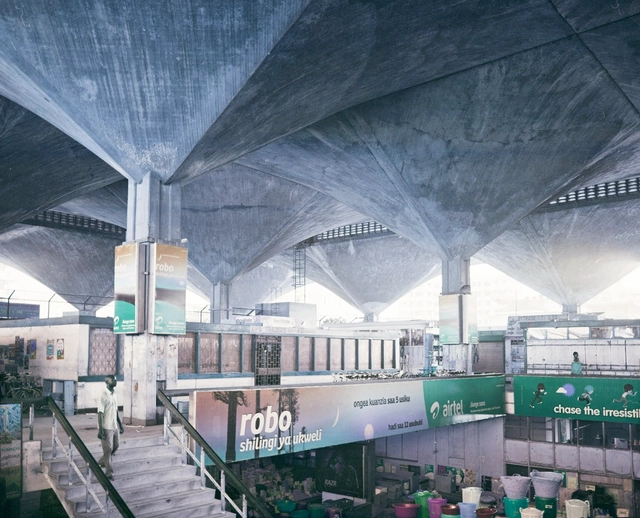
The legacy of the Modernist movement is a complicated one. Spanning a diverse assortment of fiercely debated sub-categories and styles, the Modernist style has established its presence in virtually every continent. Although the movement's origins may be rooted in Europe and the U.S., outside of the Eurocentric canon architects have redefined and re-established the definition of a "Modernist" building. In Sri Lanka, for example, architect Geoffrey Bawa's sensitive, nature-inspired architectural responses gave rise to the "Tropical Modernism" label. Over in the African continent, it is in the East-African country of Tanzania that some highly unique examples of Modernist architecture are found – headed by architects Anthony Almeida and Beda Amuli.

The Legacy of Modernist Architecture in Tanzania: Anthony Almeida and Beda Amuli - Image 1 of 4The Legacy of Modernist Architecture in Tanzania: Anthony Almeida and Beda Amuli - Image 2 of 4The Legacy of Modernist Architecture in Tanzania: Anthony Almeida and Beda Amuli - Image 3 of 4The Legacy of Modernist Architecture in Tanzania: Anthony Almeida and Beda Amuli - Image 4 of 4The Legacy of Modernist Architecture in Tanzania: Anthony Almeida and Beda Amuli - More Images+ 12

Architecture or Revolution: Frida Kahlo’s Houses and the Functionalist Movement

Subscriber Access | 

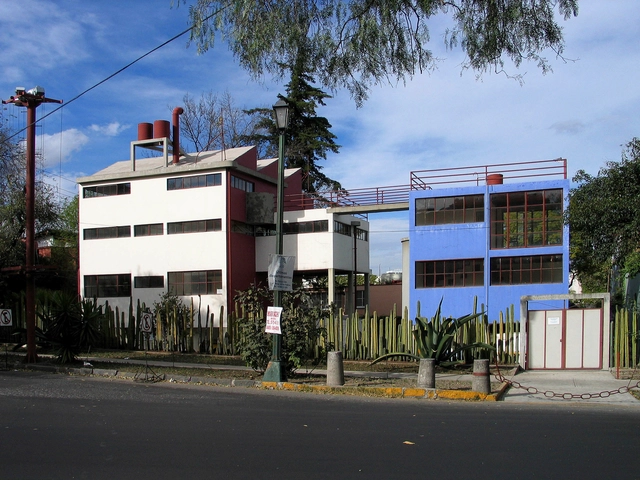
Geometric shapes, exposed reinforced concrete walls, visible electrical installations, large windows that prioritize natural light and ventilation, gardens that value native plants. The first works by the Mexican architect Juan O’Gorman, built between 1929 and 1932, bring an aesthetic that can be seen today, but in reality they are the pure expression of one of the currents of the 20th century modernist movement, functionalism.

12 Important Modernist Styles Explained

Subscriber Access | 

Modernism could be described as one of the most optimistic styles in architectural history, drawing from notions of utopia, innovation, and the reimagination of how humans would live, work, and interact. As we reflected in our AD Essentials Guide to Modernism, the philosophy of Modernism still dominates much of architectural discourse today, even if the world that gave rise to Modernism has changed utterly.

As we say goodbye to 2019, a year that saw the centenary of the Bauhaus, we have collated a list of key architectural styles that defined Modernism in architecture. This tool for understanding the development of 20th-century design is complete with examples of each style, showcasing the practice of Modernism that lay behind the theory.

12 Important Modernist Styles Explained - Image 1 of 412 Important Modernist Styles Explained - Image 2 of 412 Important Modernist Styles Explained - Image 3 of 412 Important Modernist Styles Explained - Image 4 of 412 Important Modernist Styles Explained - More Images+ 8

Why do Beautiful Things Make us Happy - And Why Does Modernism Make us Sad?

Subscriber Access | 

A recent exhibition at the MAK Vienna - Austrian Museum of Applied Arts / Contemporary Art, is showcasing the works of Sagmeister & Walsh, a NYC-based design firm investigating what makes beauty so appealing.

Titled "Beauty," the exhibition explores the notion that beauty operates as an independent function, and that in itself, it can be the primary motive for architecture: form is a function. In collaboration with the YouTube channel and design studio Kurzgesagt (In A Nutshell), this video released along with the exhibition explains why beautiful things make us happy.

Why do Beautiful Things Make us Happy - And Why Does Modernism Make us Sad? - Image 1 of 4Why do Beautiful Things Make us Happy - And Why Does Modernism Make us Sad? - Image 2 of 4Why do Beautiful Things Make us Happy - And Why Does Modernism Make us Sad? - Image 3 of 4Why do Beautiful Things Make us Happy - And Why Does Modernism Make us Sad? - Image 4 of 4Why do Beautiful Things Make us Happy - And Why Does Modernism Make us Sad? - More Images+ 1

AD Classics: Red House / William Morris and Philip Webb

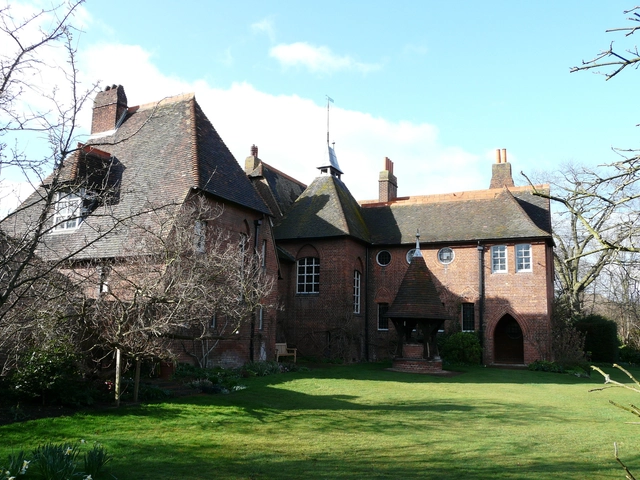
In the heart of a suburb just east of London stands an incongruous red brick villa. With its pointed arched window frames and towering chimneys, the house was designed to appear  like a relic of the Middle Ages. In reality, its vintage dates to the 1860’s. This is Red House, the Arts and Crafts home of artist William Morris and his family. Built as a rebuttal to an increasingly industrialized age, Red House’s message has been both diminished by the passage of time and, over the course of the centuries, been cast in greater relief against its context.

AD Classics: Red House / William Morris and Philip Webb - ResidentialAD Classics: Red House / William Morris and Philip Webb - Residential, Door, Facade, ArchAD Classics: Red House / William Morris and Philip Webb - ResidentialAD Classics: Red House / William Morris and Philip Webb - Residential, Garden, FacadeAD Classics: Red House / William Morris and Philip Webb - More Images+ 9