1. ArchDaily
  2. Foster + Partners

Foster + Partners: The Latest Architecture and News

Designing a Brand: How Apple Built an Architectural Language of Glass and Order

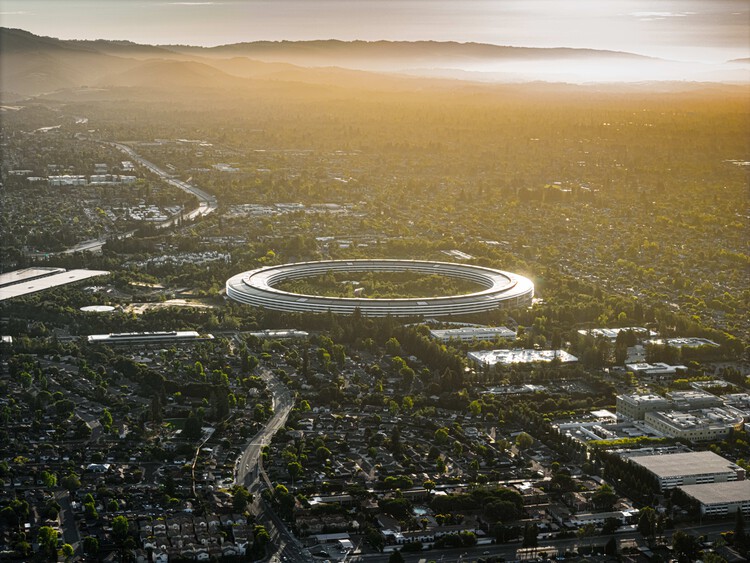
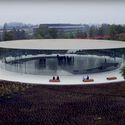
In 2026, Apple marked fifty years since its founding. Over the past two decades, Apple has developed a consistent architectural language that extends its brand into the built environment, transforming stores, workplaces, and public-facing spaces into active components of its identity. These environments guide movement, frame interaction, and condition the ways in which users encounter both products and the company itself.

From the handheld device to the urban interior, Apple has sought to maintain a high degree of control over form, material, and experience. Architecture becomes part of this system when the company begins to define how it is perceived and engaged with in physical space. Research on retail environments has shown how spatial layout, visibility, and circulation patterns can shape behavior and interaction, turning architecture into an interface between brand and user.
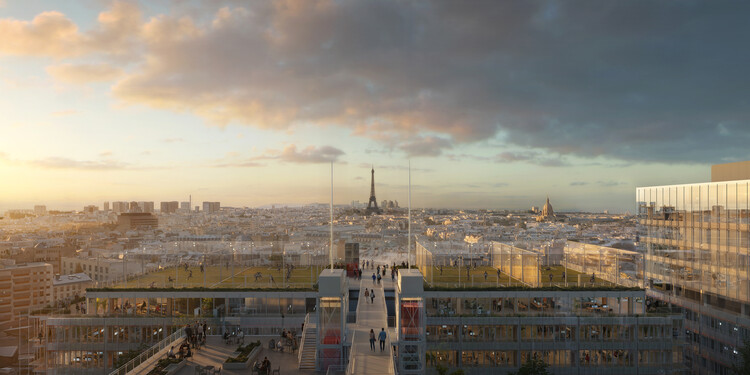
Designing a Brand: How Apple Built an Architectural Language of Glass and Order - Image 1 of 4Designing a Brand: How Apple Built an Architectural Language of Glass and Order - Image 2 of 4Designing a Brand: How Apple Built an Architectural Language of Glass and Order - Image 3 of 4Designing a Brand: How Apple Built an Architectural Language of Glass and Order - Image 4 of 4Designing a Brand: How Apple Built an Architectural Language of Glass and Order - More Images+ 10

From Lighting to Modular Systems: ArchDaily’s Selection of 13 Architect-Designed Objects at Milan Design Week 2026

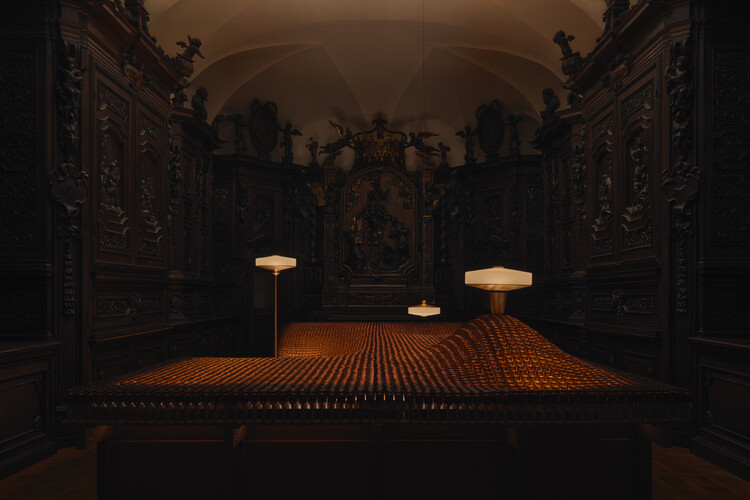
Each spring, Milan Design Week 2026 transforms the city into a distributed platform for design culture, where prototypes, product launches, and research-driven explorations coexist across multiple scales, including a growing presence of architect-designed objects. Held from April 20 to 26, the 2026 edition once again centered around the 64th Salone del Mobile.Milano at Fiera Milano, complemented by a network of independent venues and exhibitions throughout the city, an expanded landscape that is further reflected in ArchDaily's accompanying selection of installations and exhibitions from this year's program.

From Lighting to Modular Systems: ArchDaily’s Selection of 13 Architect-Designed Objects at Milan Design Week 2026 - Image 1 of 4From Lighting to Modular Systems: ArchDaily’s Selection of 13 Architect-Designed Objects at Milan Design Week 2026 - Image 2 of 4From Lighting to Modular Systems: ArchDaily’s Selection of 13 Architect-Designed Objects at Milan Design Week 2026 - Image 3 of 4From Lighting to Modular Systems: ArchDaily’s Selection of 13 Architect-Designed Objects at Milan Design Week 2026 - Image 4 of 4From Lighting to Modular Systems: ArchDaily’s Selection of 13 Architect-Designed Objects at Milan Design Week 2026 - More Images+ 6

Milan Architecture City Guide: 43 Projects from Historic Landmarks to Contemporary Designs

Subscriber Access | 

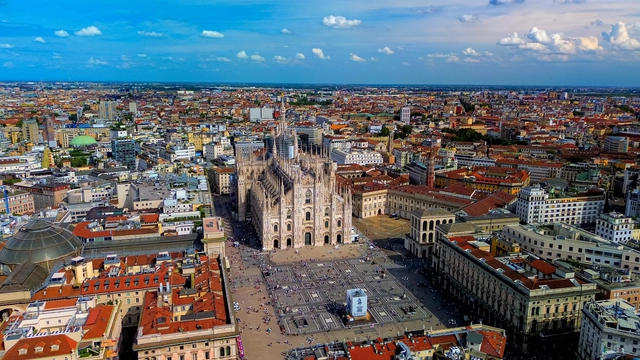
Milan, a global hub of fashion and finance, increasingly asserts itself as a leading center for architecture and design. Its status as Italy's second-largest city underpins its vibrant cultural scene, attracting both established and emerging creative talent. Additionally, Milan is home to esteemed educational institutions recognized for their focus on heritage preservation and conservation. Its cultural and design significance is increasingly pronounced, as a growing number of creators are relocating to establish their presence in this vibrant creative hub.

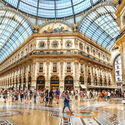
Among Milan's most iconic landmarks are the flamboyant Gothic Duomo di Milano, the historically and artistically significant Santa Maria delle Grazie, and the ornate Galleria Vittorio Emanuele II, along with numerous Renaissance and Baroque sites. The city also boasts some of the most innovative modern and contemporary architecture, showcasing a unique dialogue between tradition and modernity. This synergy is exemplified by the contributions of architects like Aldo Rossi, Gio Ponti, Stefano Boeri, Mario Cucinella, Zaha Hadid, Grafton Architects, Herzog & de Meuron, and Foster and Partners.

The following guide highlights key historical landmarks alongside exemplary contemporary architecture curated by ArchDaily. This guide serves as an indispensable resource for those planning to explore Milan during the 2026 Design Week, presenting a blend of essential sites designed by renowned local and international architects.

Milan Architecture City Guide: 43 Projects from Historic Landmarks to Contemporary Designs - Image 5 of 4Milan Architecture City Guide: 43 Projects from Historic Landmarks to Contemporary Designs - Image 6 of 4Milan Architecture City Guide: 43 Projects from Historic Landmarks to Contemporary Designs - Image 28 of 4Milan Architecture City Guide: 43 Projects from Historic Landmarks to Contemporary Designs - Image 48 of 4Milan Architecture City Guide: 43 Projects from Historic Landmarks to Contemporary Designs - More Images+ 52

Rotterdam’s Sustainability Landmark and Brisbane’s 2032 Olympic Stadium: This Week’s Review

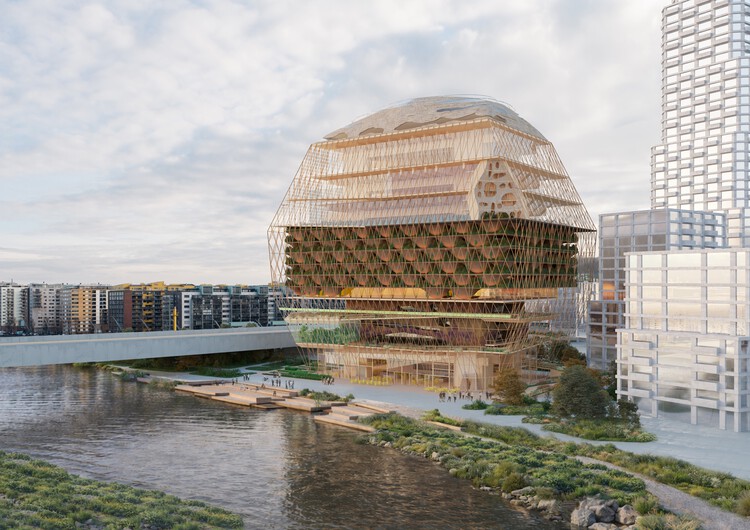
Architecture this week reflects the intersections of legacy, authorship, and social responsibility, as practices navigate questions of identity, recognition, and public engagement. Legal rulings, major competition shortlists, and large-scale urban proposals illustrate how architecture continues to operate across cultural, institutional, and environmental arenas. From sustainability-driven landmarks and transformative waterfront developments to iconic commercial towers, projects demonstrate approaches to ecological strategies and public programming. At the same time, global observances such as World Hearing Day highlight how spatial design shapes inclusion and accessibility, reminding the profession that the built environment can influence participation, learning, and well-being for diverse communities.

Rotterdam’s Sustainability Landmark and Brisbane’s 2032 Olympic Stadium: This Week’s Review - Image 1 of 4Rotterdam’s Sustainability Landmark and Brisbane’s 2032 Olympic Stadium: This Week’s Review - Image 2 of 4Rotterdam’s Sustainability Landmark and Brisbane’s 2032 Olympic Stadium: This Week’s Review - Image 3 of 4Rotterdam’s Sustainability Landmark and Brisbane’s 2032 Olympic Stadium: This Week’s Review - Image 4 of 4Rotterdam’s Sustainability Landmark and Brisbane’s 2032 Olympic Stadium: This Week’s Review - More Images+ 11

Foster + Partners’ Two World Trade Center Revealed in New Renderings, Construction to Begin in 2026

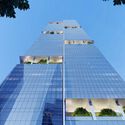
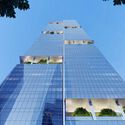
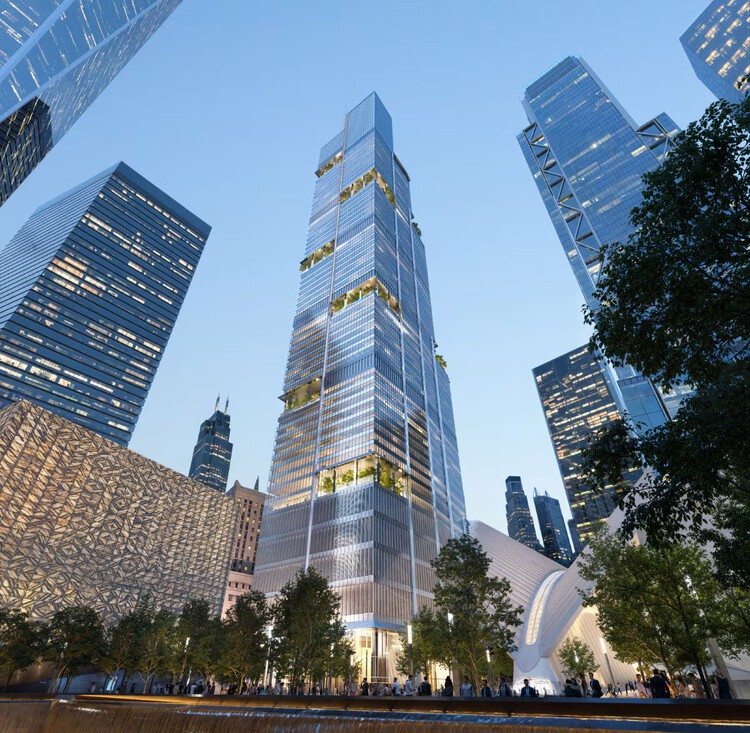
Updated renderings for Two World Trade Center, the final commercial tower planned for the World Trade Center campus in Lower Manhattan, have been unveiled by Foster + Partners in collaboration with developer Silverstein Properties. Rising 373 meters at 200 Greenwich Street, the 55-story skyscraper will occupy a central position within the site, directly across from Santiago Calatrava's Oculus transportation hub and adjacent to the Perelman Performing Arts Center, completing the commercial edge of the master plan. The tower is set to become the new global headquarters of American Express, which will serve as the building's sole owner and occupant. Completion is currently anticipated in 2031, with construction scheduled to begin in spring 2026.

Foster + Partners’ Two World Trade Center Revealed in New Renderings, Construction to Begin in 2026 - Image 1 of 4Foster + Partners’ Two World Trade Center Revealed in New Renderings, Construction to Begin in 2026 - Image 2 of 4Foster + Partners’ Two World Trade Center Revealed in New Renderings, Construction to Begin in 2026 - Image 3 of 4Foster + Partners’ Two World Trade Center Revealed in New Renderings, Construction to Begin in 2026 - Image 4 of 4Foster + Partners’ Two World Trade Center Revealed in New Renderings, Construction to Begin in 2026 - More Images+ 1

Studio Egret West to Masterplan the Future Phases of Battersea Power Station Regeneration in London

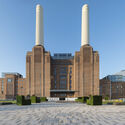
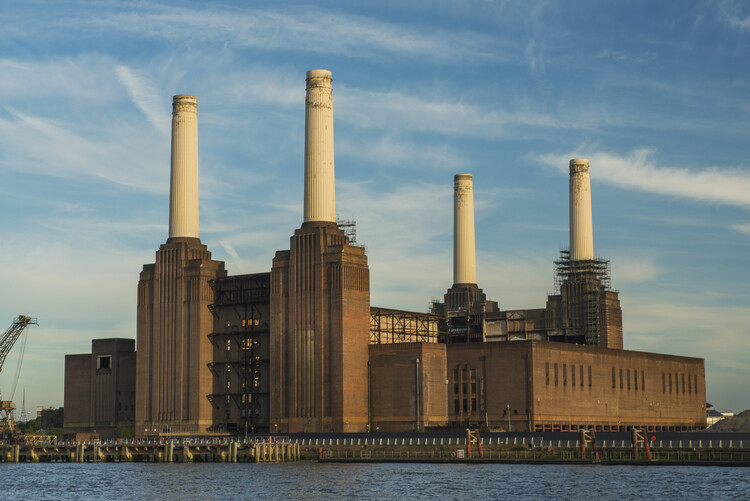
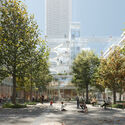
Battersea Power Station is a former coal-fired power station located on the south bank of the River Thames in London, originally designed by architects J. Theo Halliday and Giles Gilbert Scott. Notable for its appearance on the cover of Pink Floyd's 1977 studio album Animals and in Alfred Hitchcock's 1936 film Sabotage, the station is one of the world's largest brick buildings and is known for its Art Deco interior fittings and décor. Recognized today as part of modern industrial heritage, the site's transformation into a commercial development began in 2012, with the adaptive reuse guided by a masterplan designed by Rafael Viñoly. On February 16, Battersea Power Station announced the appointment of the strategic urban design practice Studio Egret West to evolve the original masterplan for the remaining 16 acres of the 42-acre riverside neighbourhood in the southwest London.
Studio Egret West to Masterplan the Future Phases of Battersea Power Station Regeneration in London - Image 4 of 4Studio Egret West to Masterplan the Future Phases of Battersea Power Station Regeneration in London - Image 1 of 4Studio Egret West to Masterplan the Future Phases of Battersea Power Station Regeneration in London - Image 2 of 4Studio Egret West to Masterplan the Future Phases of Battersea Power Station Regeneration in London - Image 3 of 4Studio Egret West to Masterplan the Future Phases of Battersea Power Station Regeneration in London - More Images

Introducing the 75 Finalists of the 2026 ArchDaily Building of the Year Awards

Two weeks and over 85,000 nominations later, the finalists of this year's Building of the Year Awards are in. The selection is much like the ArchDaily audience that chose it: diverse in geography, generous in ideas, and precise in intent. With projects from 46 countries, in a variety of typologies and scales, they present a beautiful snapshot of the current architectural moment.

We invite you to sit back, browse, and vote for your ultimate favorites. Below, you will find all of the 75 finalists in their respective categories. Voting is open until February 18th at 18:00 EST. Thank you—your participation is key to making this the world's largest community-driven architecture award.

Civic Architecture Opens to the City as Global Attention Turns to Africa: This Week’s Review

This week's news compilation opens with two international commemorations, the International Day for Clean Energy and the International Day of Education, alongside a major archaeological discovery in Fano, Italy, where excavations have revealed a basilica described by Vitruvius, linking contemporary architectural discourse with deep historical continuity. Across this week's broader architecture news landscape, a central theme emerges around the advancement of civic architecture conceived as open, publicly engaged infrastructure, with cultural and institutional projects increasingly designed to strengthen their relationship with the city and everyday urban life. At the same time, renewed global attention turns toward Africa, where large-scale transport infrastructure and the conservation of modernist landmarks reflect interests in the region and the reassessment of the continent's architectural heritage. Complementing these narratives, this week's highlights also include a new model for car-free urban districts, co-designed public landscapes grounded in indigenous knowledge, and a residential development responding to regional context, reflecting how architecture is negotiating public space, civic responsibility, and territorial identity across diverse geographies.

Civic Architecture Opens to the City as Global Attention Turns to Africa: This Week’s Review - Image 1 of 4Civic Architecture Opens to the City as Global Attention Turns to Africa: This Week’s Review - Image 2 of 4Civic Architecture Opens to the City as Global Attention Turns to Africa: This Week’s Review - Image 3 of 4Civic Architecture Opens to the City as Global Attention Turns to Africa: This Week’s Review - Image 4 of 4Civic Architecture Opens to the City as Global Attention Turns to Africa: This Week’s Review - More Images+ 32

Foster + Partners Plans Airport-Led Urban Development Outside Luanda, Angola

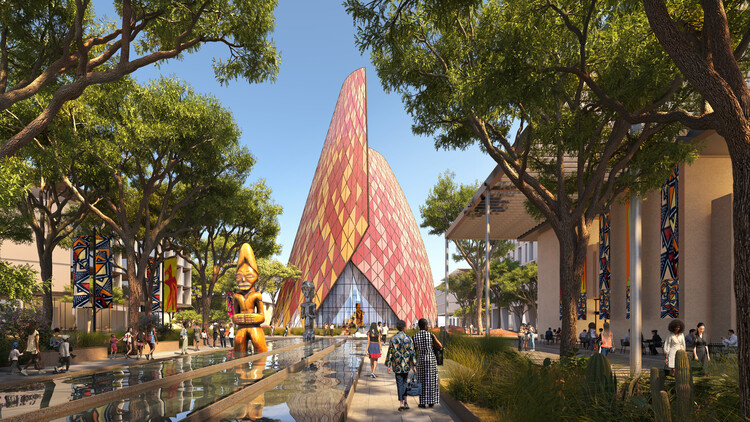
Foster + Partners, in collaboration with Angola's Ministry of Transport, has unveiled the master plan for the Icolo e Bengo Aerotropolis, a large-scale development planned around the recently completed Dr. Antonio Agostinho Neto International Airport. The proposal organizes business, research, residential, and hospitality programs within a landscape-led framework structured around the airport. Development is planned to proceed in phases, beginning with the business and cultural district located to the north of the site.

Foster + Partners Plans Airport-Led Urban Development Outside Luanda, Angola - Image 1 of 4Foster + Partners Plans Airport-Led Urban Development Outside Luanda, Angola - Image 2 of 4Foster + Partners Plans Airport-Led Urban Development Outside Luanda, Angola - Image 3 of 4Foster + Partners Plans Airport-Led Urban Development Outside Luanda, Angola - Image 4 of 4Foster + Partners Plans Airport-Led Urban Development Outside Luanda, Angola - More Images+ 3

Serpentine Pavilion 2026 and Lina Ghotmeh’s House of Performing Arts: This Week’s Review

Architecture's public role emerges as a central theme across recent announcements, institutional projects, and professional programs. The selection of the 2026 Serpentine Pavilion designer foregrounds architecture as a space for public encounter and material inquiry, while major civic and cultural projects point to renewed investment in institutions that support education, exchange, and urban continuity. Alongside these developments, international award programs and policy-aligned initiatives continue to situate architecture within broader conversations on sustainability, social responsibility, and long-term impact, highlighting how design decisions at both intimate and monumental scales respond to shared environmental and civic challenges.

Serpentine Pavilion 2026 and Lina Ghotmeh’s House of Performing Arts: This Week’s Review - Image 1 of 4Serpentine Pavilion 2026 and Lina Ghotmeh’s House of Performing Arts: This Week’s Review - Image 2 of 4Serpentine Pavilion 2026 and Lina Ghotmeh’s House of Performing Arts: This Week’s Review - Image 3 of 4Serpentine Pavilion 2026 and Lina Ghotmeh’s House of Performing Arts: This Week’s Review - Image 4 of 4Serpentine Pavilion 2026 and Lina Ghotmeh’s House of Performing Arts: This Week’s Review - More Images+ 8

Riyadh Architecture City Guide: 16 Projects from Heritage to Urban Expansion

Subscriber Access | 

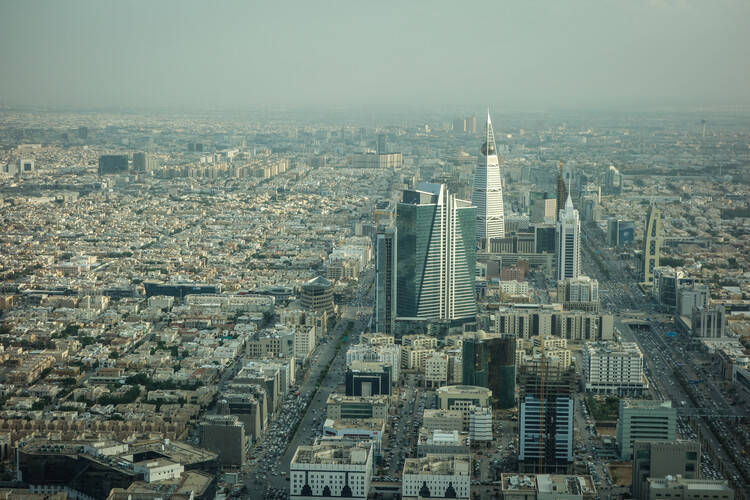
Once a Najdi settlement defined by mudbrick walls and courtyard houses, Riyadh has undergone one of the most radical urban transformations of the 20th and 21st centuries. The discovery of oil reserves, the consolidation of political power, and the rapid expansion of infrastructure reshaped the city from a regional capital into a sprawling metropolis almost within a single generation. As a result, Riyadh's urban fabric is marked by discontinuities, fragments of vernacular architecture coexist with mid-century institutional modernism, and a rapidly evolving contemporary skyline.

In recent decades, this layered condition has been further intensified by large-scale development strategies and cultural investment programs that position architecture as a tool for redefining national identity. International practices have played a decisive role in shaping key institutions, infrastructures, and landmarks, while local studios increasingly contribute projects that reinterpret climate, materiality, and social space within a contemporary framework.

Riyadh Architecture City Guide: 16 Projects from Heritage to Urban Expansion - Image 1 of 4Riyadh Architecture City Guide: 16 Projects from Heritage to Urban Expansion - Image 2 of 4Riyadh Architecture City Guide: 16 Projects from Heritage to Urban Expansion - Image 3 of 4Riyadh Architecture City Guide: 16 Projects from Heritage to Urban Expansion - Image 4 of 4Riyadh Architecture City Guide: 16 Projects from Heritage to Urban Expansion - More Images+ 17

EU Mies Awards Shortlist and MVRDV’s Fluid Facade in Beijing: This Week’s Review

Spanning multiple geographies and scales, this week's architecture news reflects ongoing discussions around long-term planning, institutional frameworks, and the public role of architecture. National-scale urban initiatives and large civic developments point to how planning and infrastructure are being used to reorganize cities and territorial systems, while parallel attention to stadiums, cultural facilities, and mixed-use projects highlights the expanding civic ambitions of large-scale architecture. Alongside these, interviews and heritage-focused projects foreground participatory practices and the careful reuse of existing structures, highlighting architecture's capacity to operate within complex social and political conditions. Recognition platforms and professional programs further situate these practices within a broader architectural discourse, offering insight into how contemporary work is evaluated and shared across regions.

EU Mies Awards Shortlist and MVRDV’s Fluid Facade in Beijing: This Week’s Review - Image 1 of 4EU Mies Awards Shortlist and MVRDV’s Fluid Facade in Beijing: This Week’s Review - Image 2 of 4EU Mies Awards Shortlist and MVRDV’s Fluid Facade in Beijing: This Week’s Review - Image 3 of 4EU Mies Awards Shortlist and MVRDV’s Fluid Facade in Beijing: This Week’s Review - Image 4 of 4EU Mies Awards Shortlist and MVRDV’s Fluid Facade in Beijing: This Week’s Review - More Images+ 8

London’s National Gallery Expansion and Lina Ghotmeh’s Mathaf Campus Project: This Week’s Review

This week's architectural news reflects a broad engagement with how institutions, practitioners, and cultural platforms are positioning themselves in relation to both legacy and long-term change. Across museums, galleries, and major cultural events, architecture is being framed as an evolving public infrastructure, one that must respond to expanding collections, shifting curatorial models, and growing expectations around accessibility, sustainability, and civic presence. Alongside these institutional developments, professional recognitions and appointments have foregrounded practices rooted in site specificity, conservation, and critical research, highlighting architecture's role in mediating between historical contexts and contemporary needs.

London’s National Gallery Expansion and Lina Ghotmeh’s Mathaf Campus Project: This Week’s Review - Image 1 of 4London’s National Gallery Expansion and Lina Ghotmeh’s Mathaf Campus Project: This Week’s Review - Image 2 of 4London’s National Gallery Expansion and Lina Ghotmeh’s Mathaf Campus Project: This Week’s Review - Image 3 of 4London’s National Gallery Expansion and Lina Ghotmeh’s Mathaf Campus Project: This Week’s Review - Image 4 of 4London’s National Gallery Expansion and Lina Ghotmeh’s Mathaf Campus Project: This Week’s Review - More Images+ 7

Architectural Authorship in the Age of the Collective Practices

Subscriber Access | 

This article is part of our new Opinion section, a format for argument-driven essays on critical questions shaping our field.

Who designs architecture today? In a professional landscape increasingly defined by collaborative workflows, generative software, and distributed teams, the figure of the architect as a singular creative author feels both anachronistic and inadequate. This article argues that architectural authorship is no longer an individual act, but a collective and distributed condition shaped by institutions, technologies, and shared forms of labor. The transition from individual to collective authorship is not simply a consequence of larger offices or digital tools; it signals a deeper structural shift in how architecture is produced, communicated, and validated.

Architectural Authorship in the Age of the Collective Practices - Image 1 of 4Architectural Authorship in the Age of the Collective Practices - Image 2 of 4Architectural Authorship in the Age of the Collective Practices - Image 3 of 4Architectural Authorship in the Age of the Collective Practices - Image 5 of 4Architectural Authorship in the Age of the Collective Practices - More Images+ 23

In the Blink of an Eye: 60 Light Installations Illuminate a Citywide Gallery for Noor Riyadh 2025

 | Sponsored Content

Noor Riyadh 2025 brought large-scale light installations to public sites across the Saudi Arabian capital, temporarily transforming transit hubs, historic districts, and significant landmarks into illuminated urban environments. From November 20 to December 6, 2025, Riyadh became a citywide gallery of light, motion, and shifting perception. The festival's fifth edition featured 60 artworks by 59 artists from 24 countries, including more than 35 new commissions, responding to the theme "In the Blink of an Eye." Through light as both medium and concept, the installations reinterpreted the capital's rapidly evolving architectural landscape and reflected how perception shifts in spaces shaped by heritage and ambitious urban development.

The 20 Most Anticipated Projects of 2026

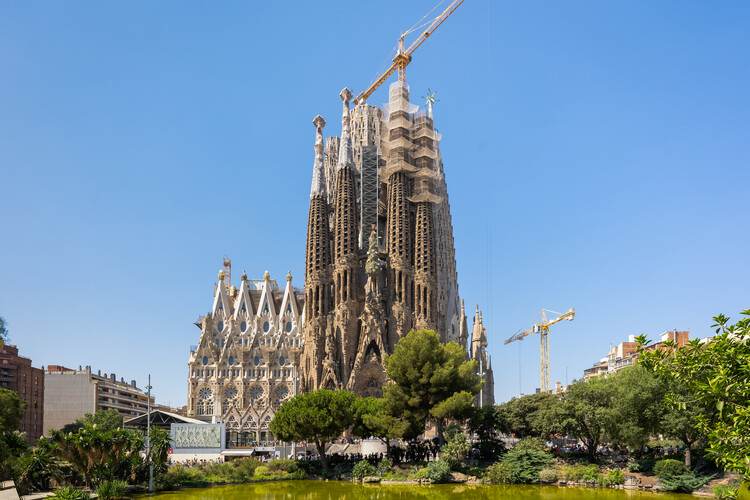
As 2025 concludes, we look ahead to 2026, a year scheduled to deliver a diverse range of significant architectural projects across the world. The year is particularly notable for the completion of new infrastructure and cultural buildings, including long-term projects. Europe will be in the spotlight of the new year with the Milano Cortina 2026 Winter Olympics. This event will feature projects such as the Olympic Village by SOM and the Winter Olympics Arena by David Chipperfield Architects. Also in Milan, BIG is set to complete construction of the City Wave project as part of a new business district in the city. At the same time, after more than 140 years of its establishment, the architects around the world will also be watching for the long-awaited completion of Antoni Gaudí's La Sagrada Familia in Barcelona, announced for 2026.

The 20 Most Anticipated Projects of 2026 - Image 2 of 4The 20 Most Anticipated Projects of 2026 - Image 8 of 4The 20 Most Anticipated Projects of 2026 - Image 10 of 4The 20 Most Anticipated Projects of 2026 - Image 11 of 4The 20 Most Anticipated Projects of 2026 - More Images+ 18

London’s National Gallery Unveils Shortlist for Expansion Featuring Farshid Moussavi, Foster + Partners, RPBW, and Kengo Kuma

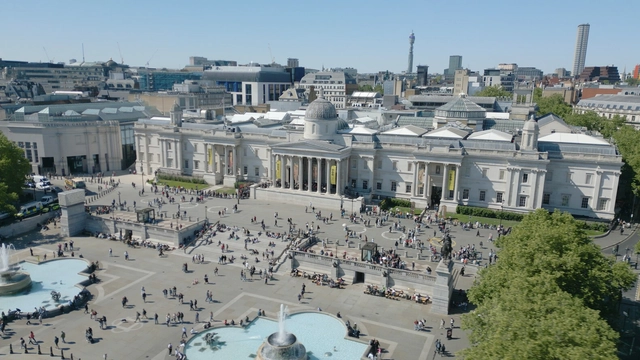
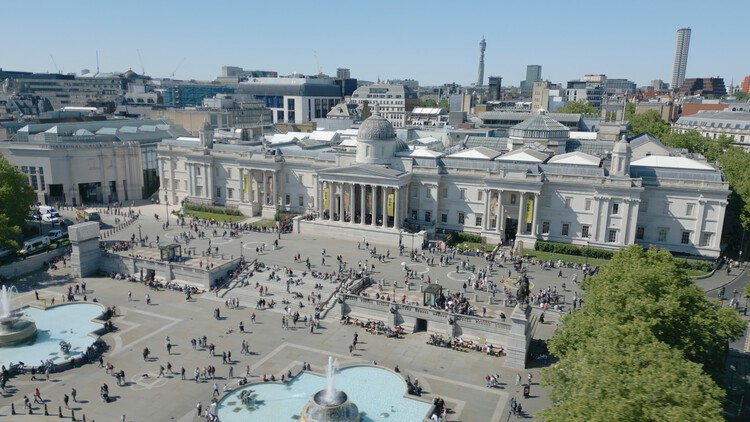
The National Gallery in London has announced six shortlisted teams for the design of a major expansion that will extend the museum into the St. Vincent House site, marking what officials describe as the most significant transformation in its 200-year history. The competition, launched in September 2025, received 65 submissions from international practices. Shortlisted proposals will shape a new wing intended to accommodate the Gallery's growing collection, welcome increasing visitor numbers, and redefine the public realm between Leicester Square and Trafalgar Square. The teams moving forward include Farshid Moussavi Architecture with Piercy & Company, Foster + Partners, Kengo Kuma and Associates with BDP and MICA, Renzo Piano Building Workshop with William Matthews Associates and Adamson Associates, Selldorf Architects with Purcell, and Studio Seilern Architects with Donald Insall Associates, Vista Building Safety, and Ralph Appelbaum Associates. The selected architect and wider technical design team are expected to be appointed by April 2026.

London’s National Gallery Unveils Shortlist for Expansion Featuring Farshid Moussavi, Foster + Partners, RPBW, and Kengo Kuma - Image 1 of 4London’s National Gallery Unveils Shortlist for Expansion Featuring Farshid Moussavi, Foster + Partners, RPBW, and Kengo Kuma - Image 2 of 4London’s National Gallery Unveils Shortlist for Expansion Featuring Farshid Moussavi, Foster + Partners, RPBW, and Kengo Kuma - Image 3 of 4London’s National Gallery Unveils Shortlist for Expansion Featuring Farshid Moussavi, Foster + Partners, RPBW, and Kengo Kuma - Image 4 of 4London’s National Gallery Unveils Shortlist for Expansion Featuring Farshid Moussavi, Foster + Partners, RPBW, and Kengo Kuma - More Images+ 1

Remembering Frank Gehry and Looking Toward Architecture in 2026: This Week’s Review

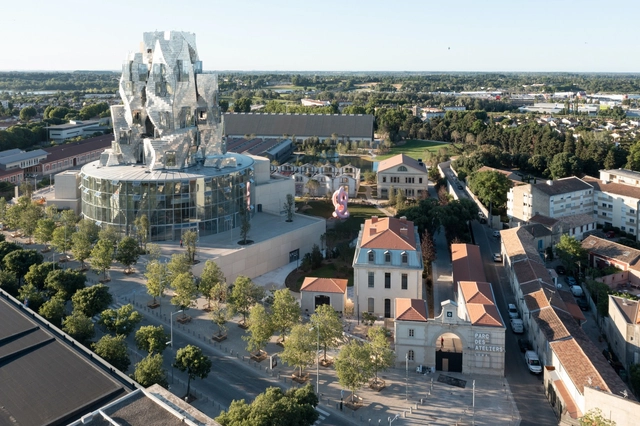
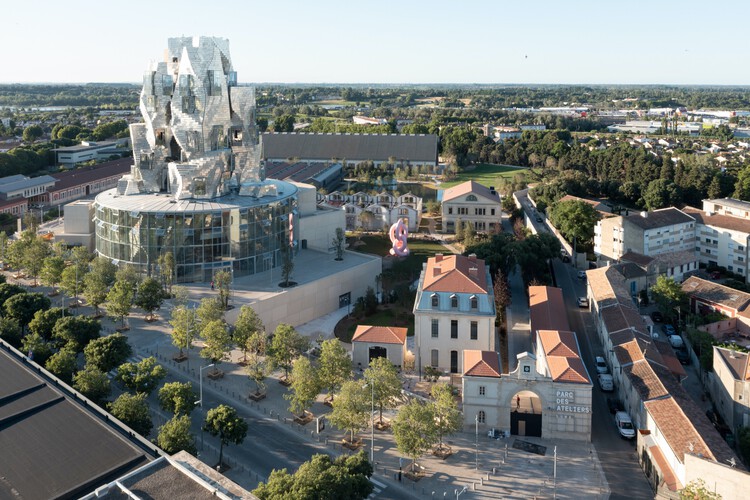
This week's news reflects architecture's simultaneous engagement with cultural reflection, professional legacy, and the material realities of building cities. The passing of Frank Gehry prompted a broader reassessment of late 20th- and early 21st-century architectural practice, while Shigeru Ban's selection as the recipient of the 2026 AIA Gold Medal brought renewed attention to socially driven design and the profession's public responsibilities. These milestones unfolded alongside wider conversations sparked by Human Rights Day, examining architecture's role in equity, housing access, and safety worldwide, and forward-looking discussions setting the architectural agenda for 2026 through major international events and cultural programs. At the scale of the built environment, these themes are echoed in three projects shaping future urban conditions: Powerhouse Company's transformation of a former limestone quarry into a mixed-use neighbourhood in Bærum, near Oslo; the groundbreaking of Riverside Wharf, a hospitality-led development contributing to the regeneration of Miami's River District; and Foster + Partners' approved retrofit of 1 St James's Square in London, focused on structural retention and long-term urban resilience.

Remembering Frank Gehry and Looking Toward Architecture in 2026: This Week’s Review - Image 1 of 4Remembering Frank Gehry and Looking Toward Architecture in 2026: This Week’s Review - Image 2 of 4Remembering Frank Gehry and Looking Toward Architecture in 2026: This Week’s Review - Image 3 of 4Remembering Frank Gehry and Looking Toward Architecture in 2026: This Week’s Review - Image 4 of 4Remembering Frank Gehry and Looking Toward Architecture in 2026: This Week’s Review - More Images+ 6