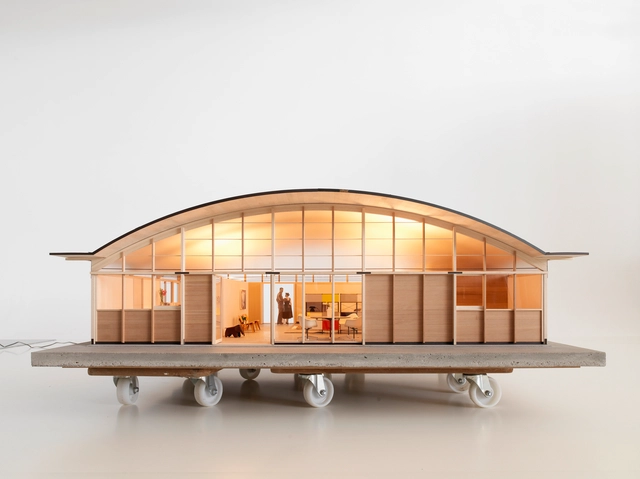
In celebration of its eight decades of design history, Eames Office recently inaugurated a new exhibition at Design Gallery Isetan The Space in Tokyo, rememorating Charles and Ray Eames’ human-centred design philosophy. Featuring classic furniture designs, archival works, recreated architectural models as well as new projects developed with brands like Herman Miller, Vitra, Ravensburger or Reebok, The 80 Years of Design exhibition illustrates the prolific and highly diverse work of the studio, highlighting the value of its designs for contemporary living.
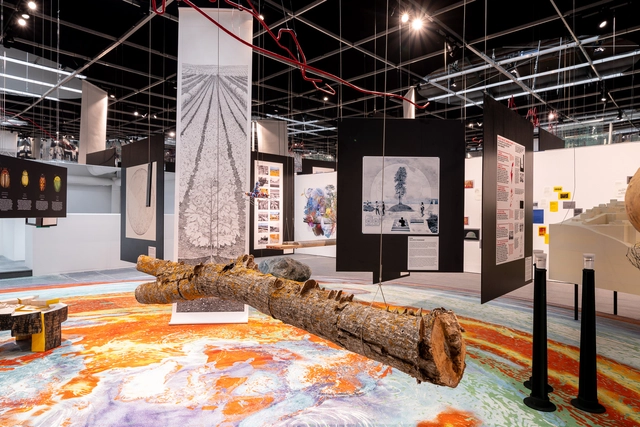
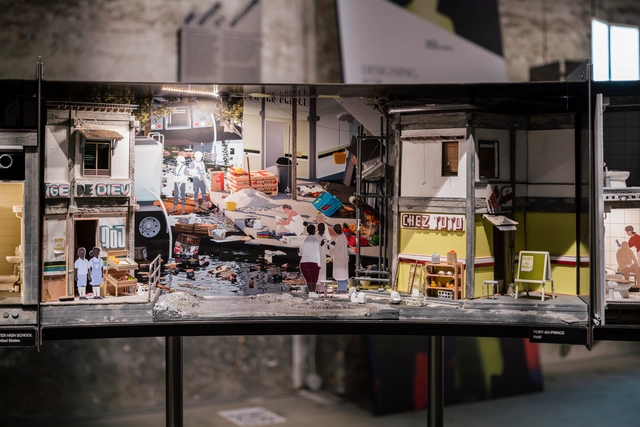
The 17th Venice Architecture Biennale invited architects to ponder the question “How will we live together”, eliciting various answers and interpretations. The International Exhibition unfolding in Giardini, the Arsenale and Forte Maghera presents 113 participants in the competition, coming from 46 countries, whose contributions are organized into five scales: Among Diverse Beings, As New Households, As Emerging Communities, Across Borders, and As One Planet. The following participants explore a variety of subjects, prompting a holistic re-evaluation of the collective in relationship with issues ranging from the urban and natural environment to climate action or the relationship with other species.
"When we enter the restroom, we are never alone. Instead, we are entangled in a network of bodies, infrastructures, ecosystems, cultural norms, and regulations". Although restrooms are often overlooked facilities that cater to the needs of individuals, they are, however, spaces where gender, religion, race, hygiene, health, and the economy are defined and expressed. For the 17th International Architecture Exhibition at La Biennale di Venezia, Matilde Cassani, Ignacio G. Galán, Iván L. Munuera, and Joel Sanders designed two pavilions that exhibit how restrooms are political architectures, serving as battlegrounds for the world's disputes.
Entitled Primitive Migration from/to Taiwan, the National Taiwan Museum of Fine Arts (NTMoFA) and curatorial teams Divooe Zein Architects and Double-Grass International Co., organized an immersive exhibition for the Biennale Architettura 2021. Taiwan’s Collateral Event for the 17th International Architecture Exhibition of La Biennale di Venezia will run from 22 May to 21 November 2021 at Palazzo delle Prigioni.
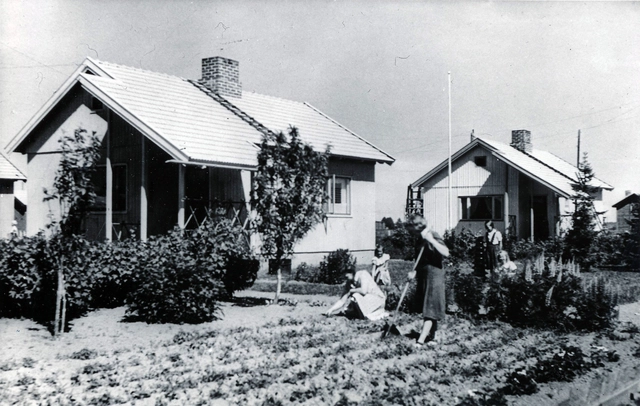
For the 17th International Architecture Exhibition of La Biennale di Venezia, Finland's Pavilion revisits a moment in local history when a refugee crisis led to new ways of building and a reconfiguration of domestic space, which ended up influencing different places around the world. Titled New Standards, the exhibition curated by Laura Berger, Philip Tidwell and Kristo Vesikansa presents the story of Puutalo Oy, an industrial enterprise specialized in prefabricated wooden buildings that set new standards for residential design in the 20th century and created Finland's most widespread architectural export.
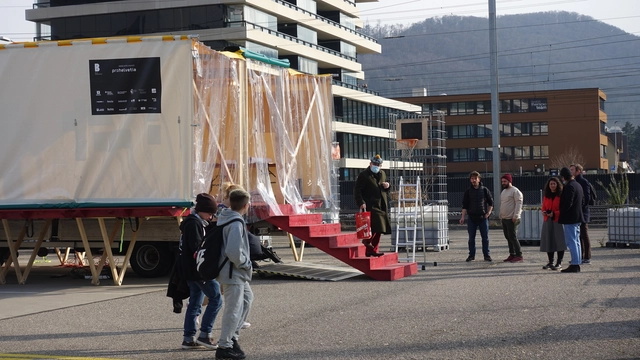
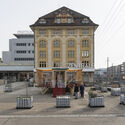
Titled Oræ -Experiences on the Border, (oræ, Latin for “borders”) the Swiss contribution to the 17th Venice Biennale explores the spatial and political dimension of the country’s border, investigating the social implications of this inhabited territory. Created by a Geneva-based team of architects and artists comprising Mounir Ayoub and Vanessa Lacaille from Laboratoire d’architecture, as well as filmmaker Fabrice Aragno and artist sculptor Pierre Szczepanski, the exhibition details a series of participative processes performed along the Swiss border that investigate the frontier and its inhabitants, revealing the poetic character of the space.
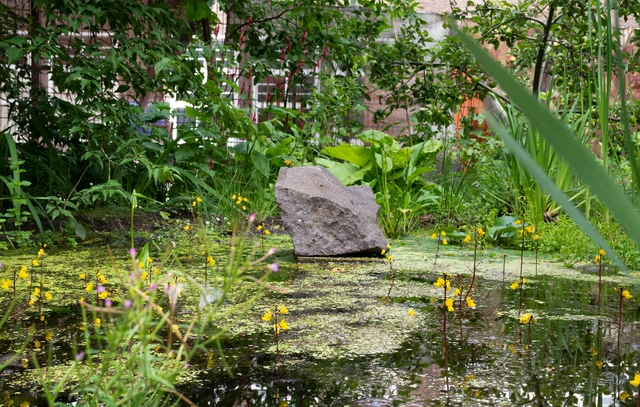
For the 17th international architecture exhibition – la biennale di Venezia 2021, Denmark is creating a water cyclic system that connects people with each other and with nature. The national pavilion, titled “Con-nect-ed-ness”, is curated by Marianne Krogh and Lundgaard & Tranberg Architects, and will be on display from May 22nd to November 21st, 2021.
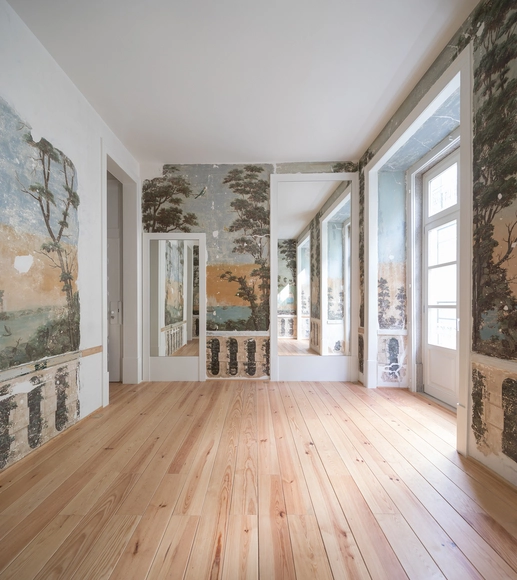
José Adrião. Douradores Apartments Lisbon | 2013–2020. Photo by Nuno Almendra, 2020
"The house is among the first concepts shared by society and architecture", states André Tavares and Pippo Ciorra, curators of the exhibition called At Home: Projects for Contemporary Housing, on display at Garagem Sul / Centro Cultural Belém, in Lisbon. The show, which is the unfolding of another one previously held at the MAXXI Museum in Rome, gathers pieces from the huge collection of the Italian institution and seeks intersections with contemporary Portuguese architectural production. Its main topic – the house, the home – has never been more discussed than right now.
Bringing together houses of different scales, built in diverse locations by various methods and techniques, and designed by Italian, Portuguese and international architects, the exhibition gathers, in groups of three, projects from which it is possible to weave relationships that go beyond geographies and materialities and foster reflections about the future of housing and what the home of tomorrow will look like.
We had the opportunity to talk with Tavares and Ciorra about the exhibition, its motivations and expectations with its opening in the physical venue of Garagem Sul. Read below.
Believing firmly that "architecture is [...] too important to leave solely to architects", Ole Bouman embarked on diverse activities throughout his three decades of work, reflecting on “architecture, not so much as the art or technique of making buildings, but architecture as the intelligent way to organize our lives on earth, and infuse it with purpose”.
After having shared Bouman's essay Finding Measure, ArchDaily had the chance to discuss with DesignSociety’s founding director his thoughts on the role of architecture, the current challenges of the world, the digital revolution, and many other thought-provoking topics.
Whether as a retrospective, a collection of contemporary works, or a compilation of prospects for the future - and all the other possibilities in between -, architecture and urban planning exhibitions have played an important role in shaping the future of cities over the decades. These events are often open to the public, reaching many people who don't necessarily have a background in the field, thus providing great environments to explore a collective view of the future of architecture and cities.
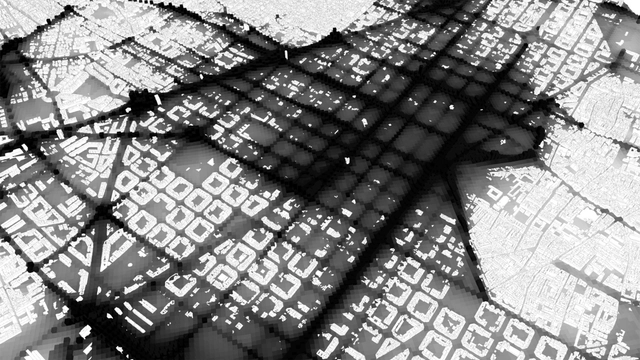
Cartography of Barcelona redrawn by air pollution. Image Courtesy of 300.000 Km/s
Catalonia in Venice - air/aria/aire, part of the Collateral Event of the Biennale Architettura 2021, is an exhibition curated by architect Olga Subirós, commissioned by the Institut Ramon Llull, with the participation of 300.000 Km/s, an urbanism studio in macro data-based strategic planning. Reflecting on the central theme of the Biennale “How will we live together?” the project investigates the role of architecture and urbanism within the context of the climate emergency and the public health crisis.
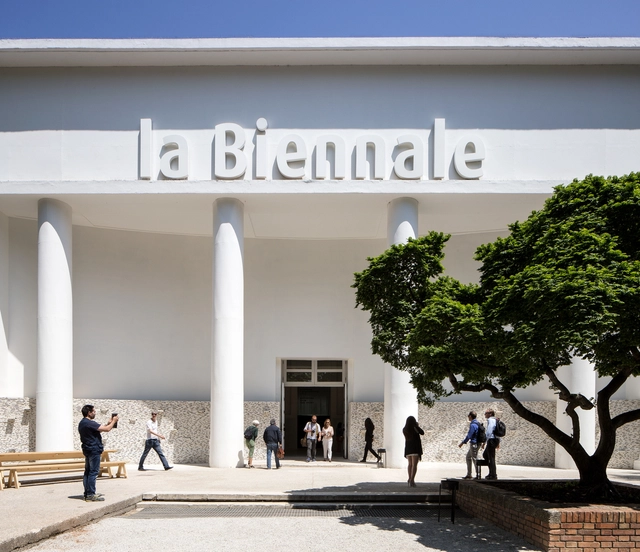
Padiglione Centrale Giardini_Photo by Francesco Galli. Image Courtesy of La Biennale di Venezia
La Biennale di Venezia is presenting for the first time an exhibition curated by all the Directors of the six Artistic Sectors from Art, Architecture, Cinema, Dance, Music, Theater. It will also be live-streamed on July 15th, 2020, at 2:30 pm (Italian time).
From the famous Kitchen Debate between Nikita Khrushchev and Richard Nixon to the popularity of Henry Ford within the USSR, the hundreds of factories designed by Detroit engineer Albert Kahn for Soviet Russia, and skyscrapers erected in Moscow, the Cold War had a peculiar side to it, that is the Russian fascination with American culture and technology.
RIBA presents Forms of Industry, an exhibition of contemporary photographs by Alastair Philip Wiper (1980) and archival images by Eric de Maré (1910-2002) from the RIBA Collections. Separated by more than 50 years, the two photographers share a common interest in industrial buildings and landscapes, yet their differing approaches create a commentary on changing attitudes towards industrialisation and sustainability.


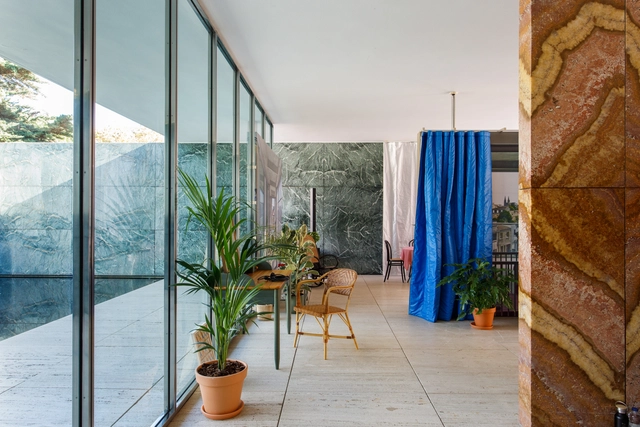





















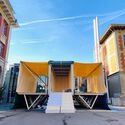

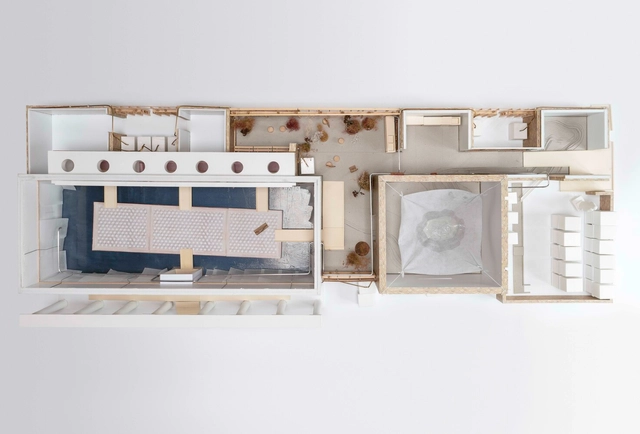




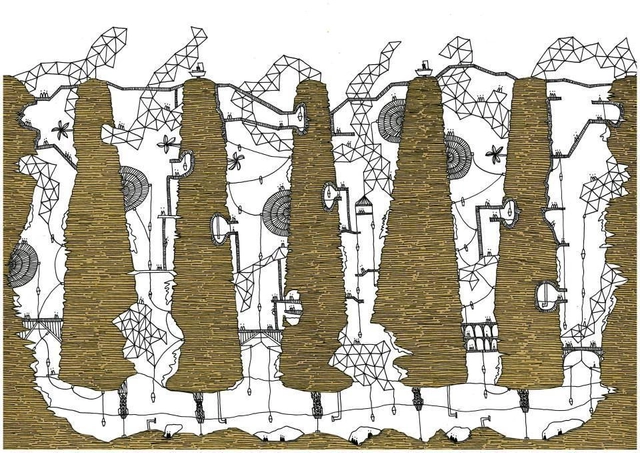




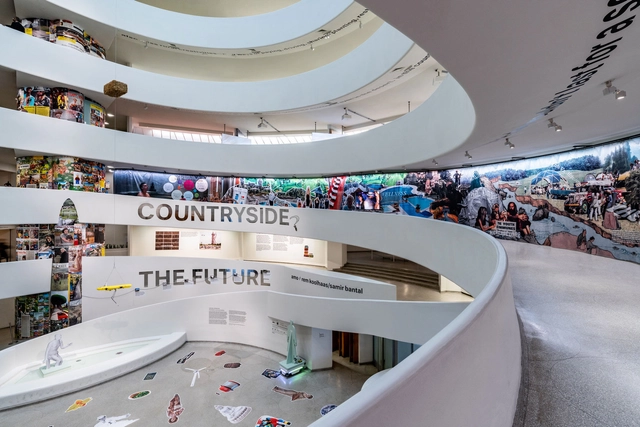


_8803.jpg?1610126390 "\"Refugee Heritage\" Exhibition at the 2019 Chicago Architecture Biennial / Ana María León and Andrew Herscher. Photo: © Laurian Ghinitoiu")