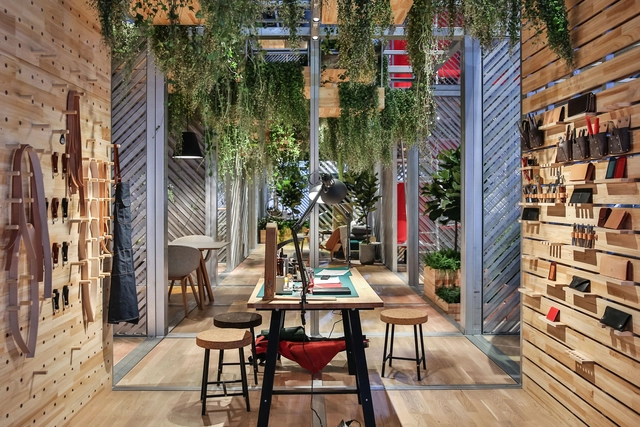
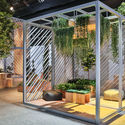
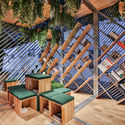
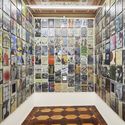
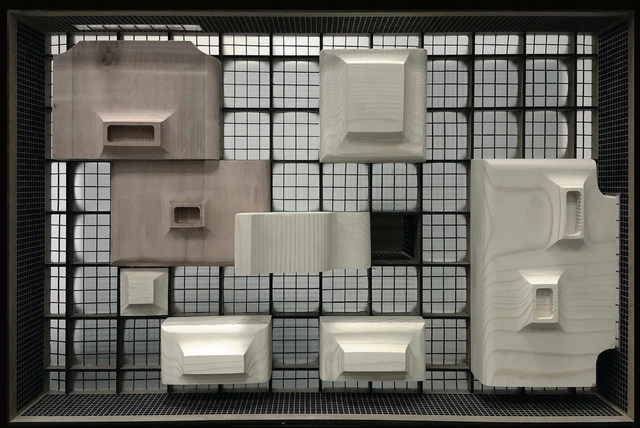
Architecture firm Penda has created "Urban Nest," a new small living concept in collaboration with BMW China's MINI LIVING group for the recent Shanghai Mini Life Exposition. The installation is constructed from a series of 3 by 3 by 3 modules housing different program elements that can be combined to create a variety of flexible living arrangements.
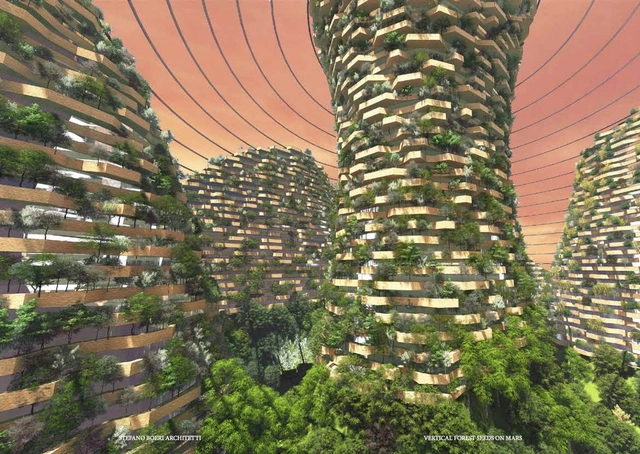
Can architecture and design reverse climate change? Architect and founding partner of Stefano Boeri Architetti (SBA), Stefano Boeri believes it can. Boeri’s Vertical Forest, a project which marries the natural and urban spheres through biodiversity and reforestation, has already come to fruition in Milan, is currently under construction in Beijing, and soon to be constructed in Shanghai. (Watch the video to learn more about Boeri’s Vertical Forest projects.)
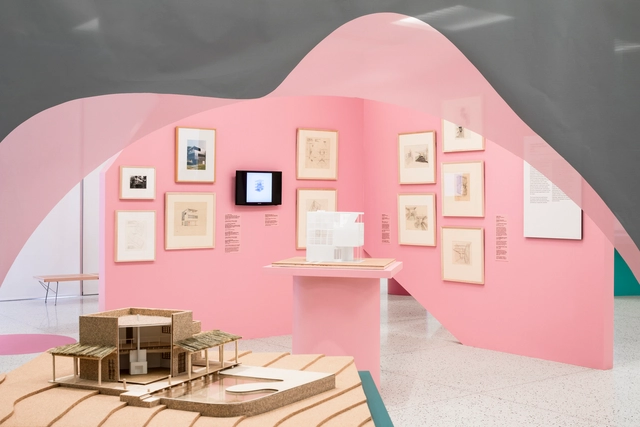
Mid-century modern visionaries, Albert Frey and Lina Bo Bardi are exhibited together at the Palm Springs Art Museum for an unprecedented show of models, drawings, design objects, and photographs, opened this fall and will remain on exhibit through January 7, 2018.
"We are at a moment of great cultural transition," Jorge Otero-Pailos argues. "The kinds of objects that we look to to provide some sort of continuity in that transformation is often times architecture, [...] one of the most stable objects in culture." This short film, in which an number of participants of the 2017 Chicago Architecture Biennial reflect on their work and those of others, tackles the theme conceived by artistic directors Sharon Johnston and Mark Lee: Make New History.
https://www.archdaily.com/880402/how-architects-in-chicago-architecture-biennial-2017-are-making-new-historyAD Editorial Team
This essay by Space Popular references an installation currently on display at Sto Werkstatt, in London. You can experience it in virtual reality, here.
The Glass House has no purpose other than to be beautiful. It is intended purely as a structure for exhibition and should be a beautiful source of ideas for “lasting” architecture but is not intended as such. According to the poet Paul Scheerbart, to whom it is dedicated, the Glass House should inspire the disillusion of current architecture’s far-too-restricted understanding of space and should introduce the effects and possibilities of glass into the world of architecture.
Bruno Taut [above] described his Glashaus for the 1914 Werkbund Exhibition in Cologne, Germany, as a "little temple of beauty"; as "reflections of light whose colors began at the base with a dark blue and rose up through moss green and golden yellow to culminate at the top in a luminous pale yellow.”[1] The Glass Pavilion, designed based on its potential effects on those who perceived it, was supposed to create vivid experiences. The site was the human mind.
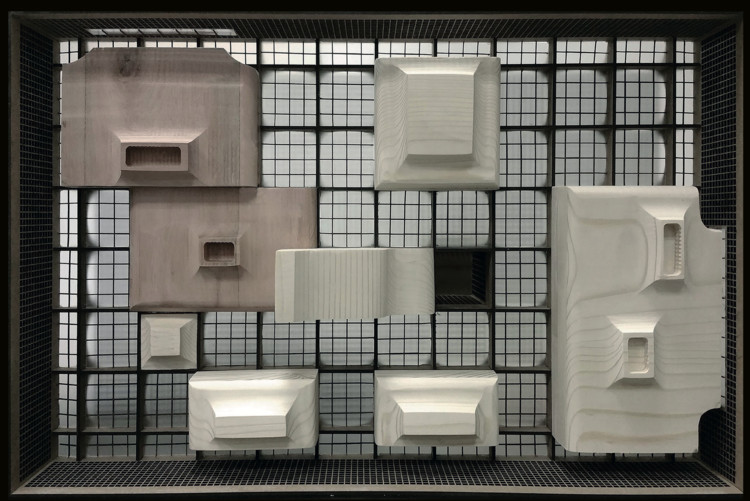
Their challenge was in considering the forms and ways that their selection "might extrapolate out from the cropped photographic frame into a spatial and lifestyle construction across a larger, horizontal site" – in this case, a field of plinths, the size and positioning of which is a direct reference to the footprint of Mies van der Rohe's 1947 plan for the IIT Campus in Chicago.
https://www.archdaily.com/880306/in-horizontal-city-24-architects-reconsider-architectural-interiors-at-2017-chicago-architecture-biennialAD Editorial Team
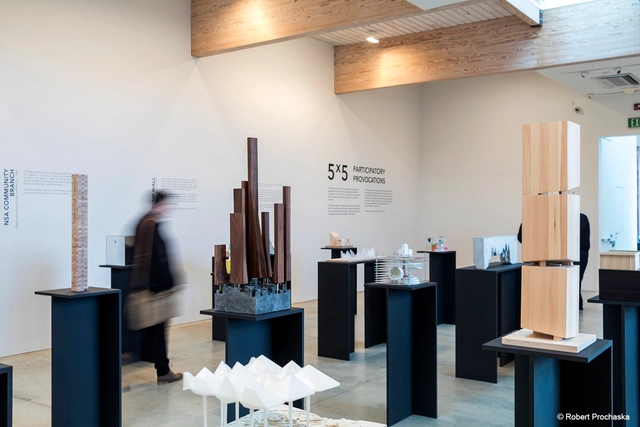
Architecture Exhibition5x5 Participatory Provocations opened its doors at the New York Center for Architecture on July 11, featuring 25 models by 25 young American architecture firms. The exhibition engages its participants to take clear stances on a series of provocative issues facing architecture today, with their models “producing a physical expression or provocation that is then made available to the public.” Curated by Kevin Erickson, Julia van den Hout, and Kyle May, the exhibition argues for “participatory criticism” covering growing income gaps, immigration, globalization, technology’s impact on our lives, surveillance, and power.
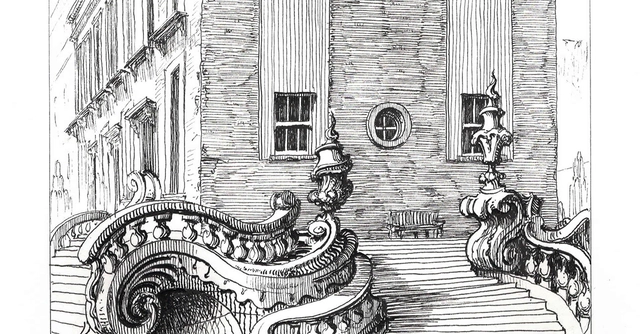
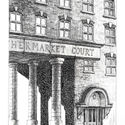
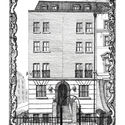
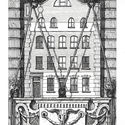
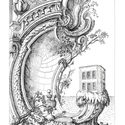
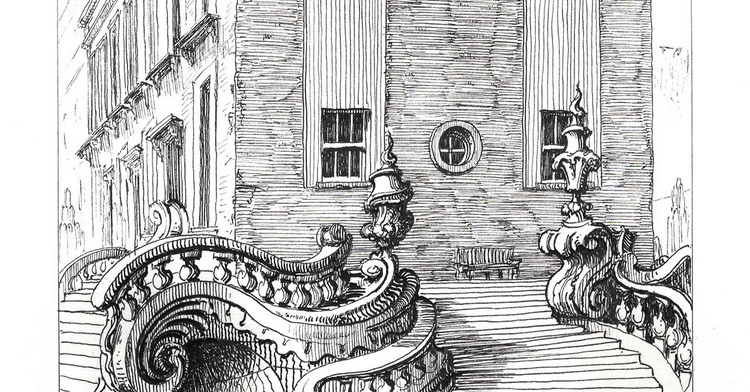
Detail: 132-135 Sewardstone Road, Victoria Park E2 9JQ. Ink on Paper, 21 x 14 cm. Copyright Pablo Bronstein, 2017. Courtesy Herald St, London and Galeria Franco Noero, Turin. Image Courtesy of RIBA
A new exhibition of commissioned work by artist Pablo Bronstein at London's Royal Institute of British Architects (RIBA) will explore "ubiquitous" neo-Georgian developments as exemplar of a British vernacular. The show—Pablo Bronstein: Conservatism, or The Long Reign of Pseudo-Georgian Architecture—will feature fifty new drawings of buildings constructed during the second half of the 20th Century in "an ostensibly neo-Georgian style." These will be presented alongside historical Georgian and neo-Georgian material chosen by Bronstein from the RIBA’s collections.
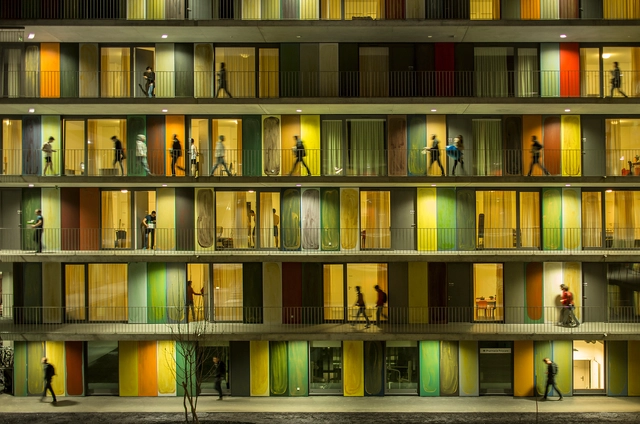
With the new millennium, architectural photography has gained exponential prominence in the relationship that architects have with society. The FG+SG studio has taken on the challenges presented by the greater media impact of architecture, which today constitutes a photographic practice rewarded with international prizes and recognition.
Fernando Guerra’s progressive affirmation as a photographer has accompanied contemporary architectural production and his photo reportages, disseminated worldwide through the virtual platform Últimas Reportagens, offer us a privileged look at today’s architecture. At the same time, his photographic practice responds to the technical evolution that has taken place in photography in recent decades, essentially marked by the full affirmation of the new digital media.
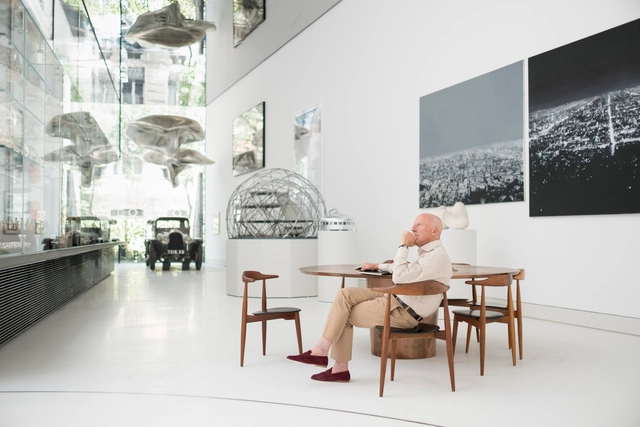
Earlier this month, the Norman Foster Foundation opened its doors in central Madrid. Inhabiting in an old residential palace, and having undergone extensive renovation works since, the Foundation have also constructed their own contemporary courtyard pavilion. Housing a treasure trove of artefacts from Lord Foster's personal collection, the structure—which is shaped like the wing of an aircraft—also exhibits a newly restored 1927 Avions Voisin C7 originally owned by Le Corbusier.
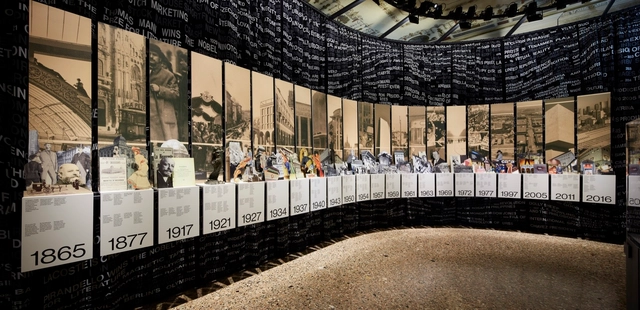
A new exhibition by OMA/AMO, lR100-Rinascente: Stories of Innovation, has officially opened in Milan’s Palazzo Reale. Marking the 100th anniversary of the classic Italian department store, la Rinascente, the exhibition commemorates the company’s long creative history and experimental spirit that has served as an influential part of Italian design, culture and commerce.
Videos
Award-winning ‘Badabing Badaboom’ by Jason Tan (Singapore) presents a Gold House in Dunkwa, Ghana, to house the Gold Exchange and the Miners Union. This ‘gift’ from the Chinese is a metaphor for China’s neo-colonial presence in Ghana and Africa. Image Courtesy of Archiprix International
Once every two years architecture schools around the world are invited to submit their single, finest graduation project to the ArchiprixInternational competition and exhibition. This year, the event selected Ahmedabad, in India, to exhibit the results. Here Arjen Oosterman, Editor-in-Chief of Volume, reviews the event and the work on display. You can read an interview with the Director ofArchiprix, Henk van der Veen, here.
From its inception at the dawn of the millennium (2001), Archiprix International has proved to be an adventure with enormous ambition. To collect, once every two years, the very best graduation projects from architecture, landscape architecture, and urban design schools around the world is no small feat. To comprehensively exhibit this material is also a challenge, and to create a meaningful and productive event around the award session—giving center stage to the selected graduates and their projects—is a task akin to walking a tightrope. And yet, this is what they are achieving.
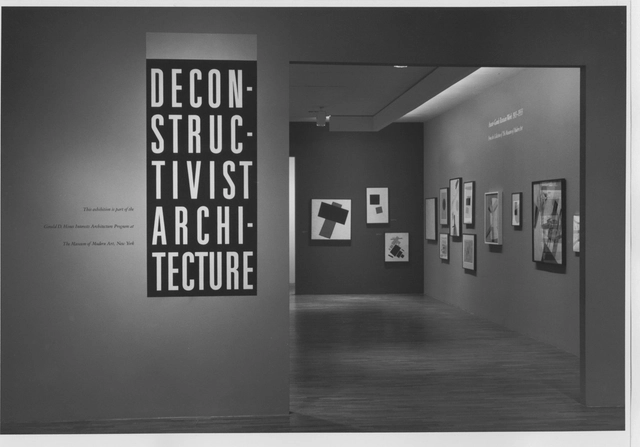
View into the exhibition (1988). Photographer unknown. Image via MoMA
When Philip Johnson curated the Museum of Modern Arts’ (MoMA) 1932 “International Exhibition of Modern Architecture,” he did so with the explicit intention of defining the International Style. As a guest curator at the same institution in 1988 alongside Mark Wigley (now Dean Emeritus of the Columbia GSAPP), Johnson took the opposite approach: rather than present architecture derived from a rigidly uniform set of design principles, he gathered a collection of work by architects whose similar (but not identical) approaches had yielded similar results. The designers he selected—Peter Eisenman, Frank Gehry, Zaha Hadid, Rem Koolhaas, Daniel Libeskind, Bernard Tschumi, and the firm Coop Himmelblau (led by Wolf Prix)—would prove to be some of the most influential architects of the late 20th Century to the present day.[1,2]
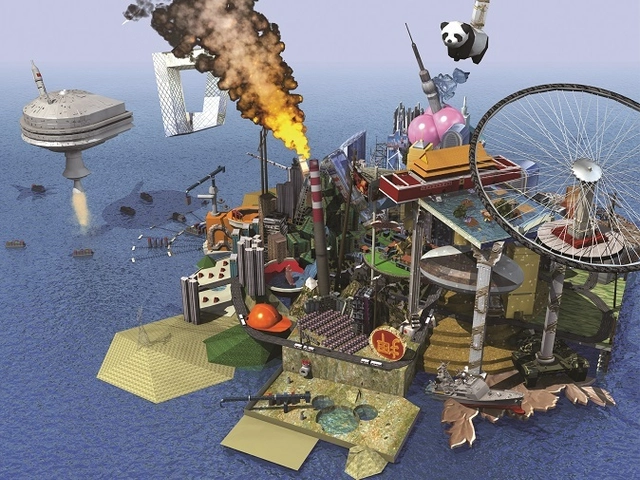
Utopia/Dystopia – A Paradigm Shift. Image Courtesy of MAAT
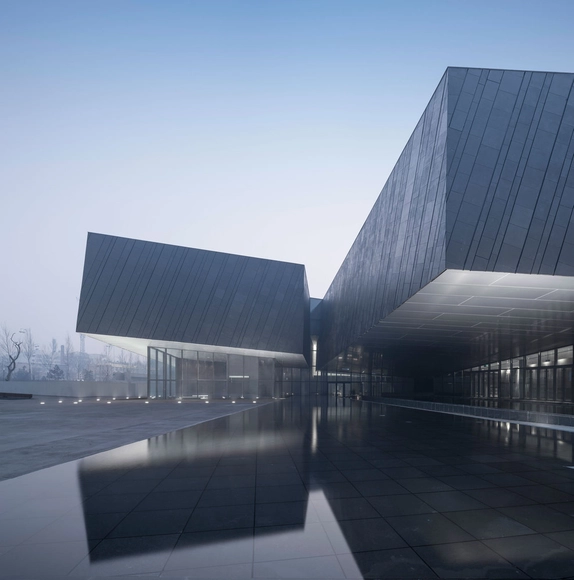
Following its official opening on October 5, 2016, the new MAAT building reopened to the public on March 22, 2017, with two major exhibitions that take up the whole building: Utopia/Dystopia – A Paradigm Shift, curated by Pedro Gadanho, João Laia and Susana Ventura – and Order and Progress by Mexican artist Héctor Zamora, curated by Inês Grosso.
The Bartlett School of Architecture, UCL, is celebrating the opening of its new building at 22 Gordon Street with an exhibition of work by visionary architect Sir Peter Cook. Running from 23 February to 10 March 2017, the exhibition marks Sir Peter’s 80th year with a celebration of 80 of his inspired and pioneering projects.
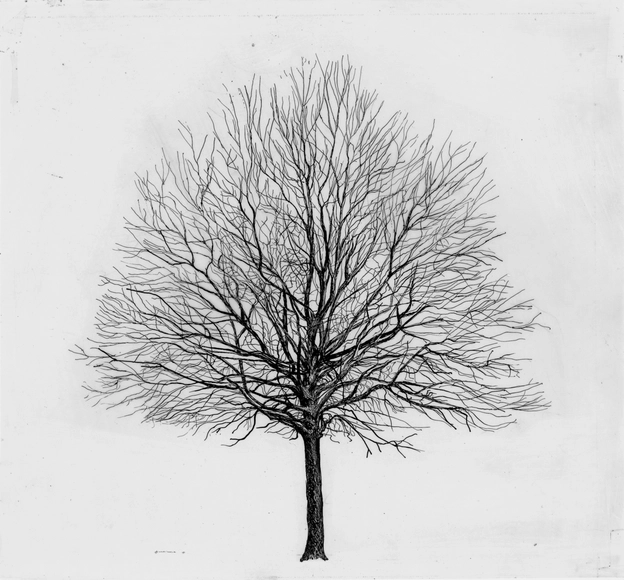
Cesare Leonardi, Franca Stagi, "11.3.1 Carpinus Betulus," 1978–1982
The Villa Croce Museum of Contemporary Art presents the first monographic exhibition on the work of Cesare Leonardi (Italian, b. 1935). In the course of a career spanning more than four decades Leonardi, an architect and photographer, has continuously challenged the boundary between design and artistic practice. In spite of the recognition gained by his early furniture design, most of Leonardi’s oeuvre has remained little known, even within Italy. Cesare Leonardi: Strutture, organised in close cooperation with Leonardi’s archive, sheds light on an intimate yet multifaceted body of work.
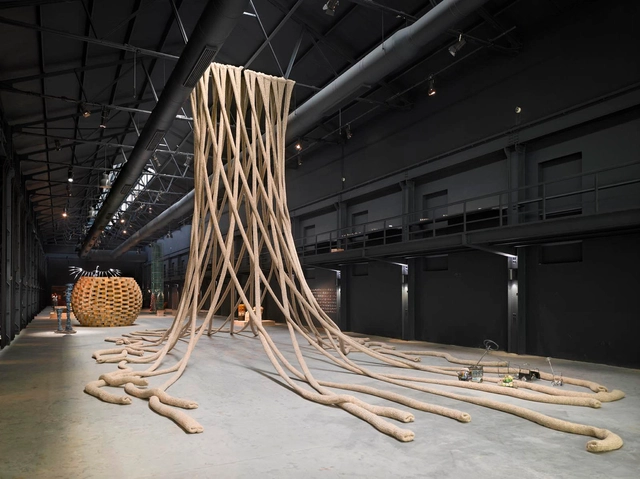
Jordanian artist Raya Kassisieh, with the support of American firm NADAAA, has repurposed her exhibit from the Amman Design Week in Jordan to create blankets for Syrian refugees and Jordanian families. The Entrelac exhibit, created by Kassisieh and NADAAA, consists of 300kg of hand-knit, un-dyed wool which was later cut and stitched to create blankets for those fleeing the Syrian Civil War, now approaching its sixth year.