New Generations is a European platform that analyses the most innovative emerging practices at the European level, providing a new space for the exchange of knowledge and confrontation, theory, and production. Since 2013, New Generations has involved more than 300 practices in a diverse program of cultural activities, such as festivals, exhibitions, open calls, video-interviews, workshops, and experimental formats.
New Generations is a European platform that analyses the most innovative emerging practices at the European level, providing a new space for the exchange of knowledge and confrontation, theory, and production. Since 2013, New Generations has involved more than 300 practices in a diverse program of cultural activities, such as festivals, exhibitions, open calls, video-interviews, workshops, and experimental formats.
New Generations launches a fresh new media platform, offering a unique space where emerging architects can meet, exchange ideas, get inspired, and collaborate. Recent projects, job opportunities, insights, news, and profiles will be published every day. The section ‘profiles’ provides a space to those who would like to join the network of emerging practices, and present themselves to the wide community of studios involved in the cultural agenda developed by New Generations.
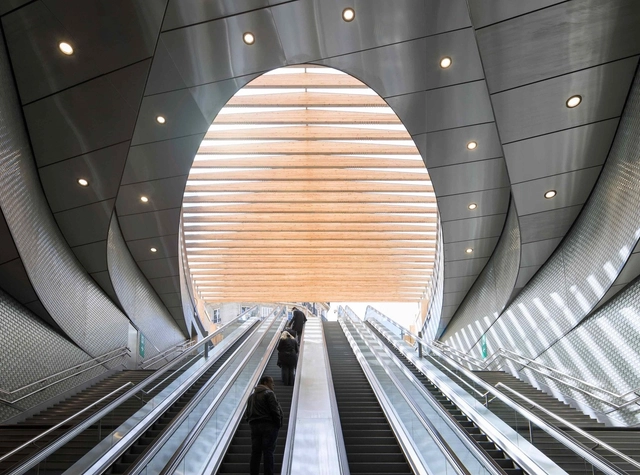
Urban connections define modern cities. From public transportation to walking and cycling paths, mobility has the potential to enrich urban life. In Europe, planners and designers have a long history of working through city connections to integrate with existing historic fabrics and make room for contemporary transport solutions.
New Generations is a European platform that analyses the most innovative emerging practices at the European level, providing a new space for the exchange of knowledge and confrontation, theory, and production. Since 2013, New Generations has involved more than 300 practices in a diverse program of cultural activities, such as festivals, exhibitions, open calls, video-interviews, workshops, and experimental formats.
New Generations launches a fresh new media platform, offering a unique space where emerging architects can meet, exchange ideas, get inspired, and collaborate. Recent projects, job opportunities, insights, news, and profiles will be published every day. The section ‘profiles’ provides a space to those who would like to join the network of emerging practices, and present themselves to the wide community of studios involved in the cultural agenda developed by New Generations.
ArchDaily and New Generations join forces! Every two weeks Archdaily publishes a selection of studio profiles chosen from the platform of New Generations.
New Generations is a European platform that analyses the most innovative emerging practices at the European level, providing a new space for the exchange of knowledge and confrontation, theory, and production. Since 2013, New Generations has involved more than 300 practices in a diverse program of cultural activities, such as festivals, exhibitions, open calls, video-interviews, workshops, and experimental formats.
New Generations has launched a fresh new media platform, offering a unique space where emerging architects can meet, exchange ideas, get inspired, and collaborate. Recent projects, job opportunities, insights, news, and profiles will be published every day. The section ‘profiles’ provides a space to those who would like to join the network of emerging practices, and present themselves to the wide community of studios involved in the cultural agenda developed by New Generations.
ArchDaily and New Generations join forces! Every two weeks ArchDaily publishes a selection of studio profiles chosen from the platform of New Generations.
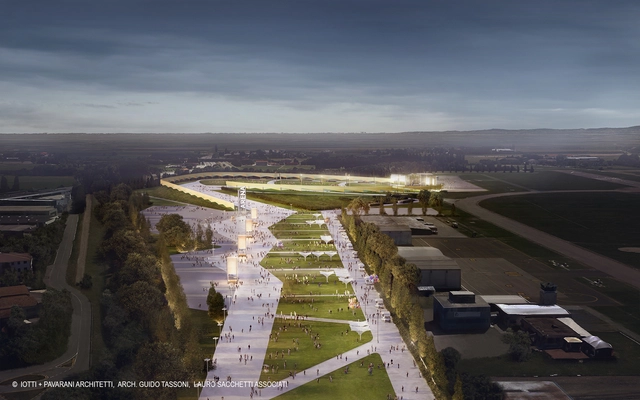
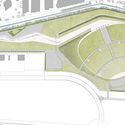
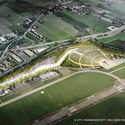
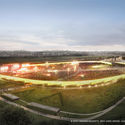
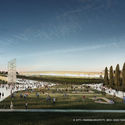
Designed by Iotti + Pavarani Architetti, Tassoni & Partners, Lauro Sacchetti Associati, the RCF Arena, currently under construction, is set to become Europe’s largest events and concerts venue. Located in the Italian region of Emilia Romagna, the structure can host up to 100 000 people.
Carnets. Architecture is Just a Pretext book cover. Credits: Carnets, M-L-XL
Carnets. Architecture Is Just a Pretext is a publication that resumes a large research about the state of the art of young Architecture practices in Europe. The work, dealing with architectural practices through a biographic approach, is addressing to the new direction which profession is taking in Europe among young architects.
CA'ASI is organising an architectural competition to highlight the vitality and originality of young European architecture.
The best projects in this international competition, which is open to young architects from across Europe, will be exhibited at CA'ASI as part of the 17th International Architecture Biennale in Venice (May 23 to November 29, 2020). This competition represents a unique opportunity to showcase the important role contemporary European architecture plays in finding innovative solutions to improve living conditions on our fragile planet.
In the context of the World Architecture Festival 2019, edgeallies, a brand owned by edgearch: Ahmed Abdulaziz Zaidan Consulting Architects has signed off a 4 years participation to the World Architecture Festival as main exhibitor as well as main sponsor for the first Engineering Prize category: For collaborative design by architects and structural engineers.
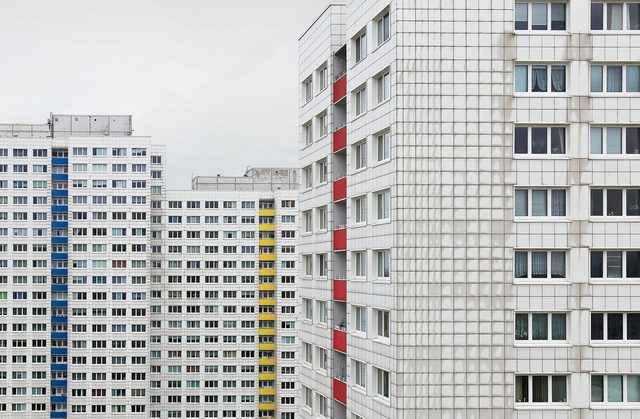
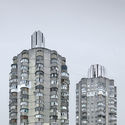
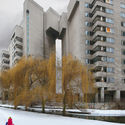
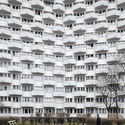
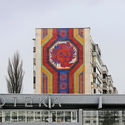
Post World War II, Brutalism found its way across Europe, redefining modernist architecture and establishing a new style for mass housing and communal buildings. Although most of the light was shed on concrete landmarks in major cities, European suburbs have also housed many exceptional brutalist buildings such as the 'Hammer-shaped Tower Blocks' or the 'Houses on Chicken Legs'.
The Estonian Academy of Arts (EKA) is welcoming applications for the international summer school — 2019 EKA Summer Academy of Art, Design and Architecture – Possible Futures! Application deadline: 26 May.
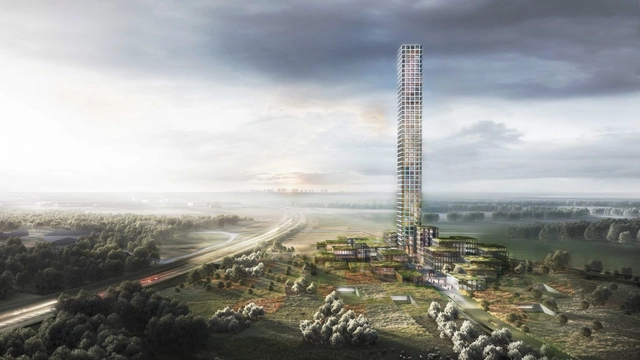
Danish firm Dorte Mandrup have designed a new skyscraper to become Western Europe’s tallest tower in Brande, Denmark. Rising over 1000 feet, the project is sited in a rural Danish village of 7,000 people. Dubbed Bestseller Tower, the project will be visible from 37 miles away in every direction. The skyscraper will include offices for the Bestseller fashion company, a hotel, and a “village” of green retail pavilions. The company aims to make the skyscraper "climate positive" as part of their sustainability goals.
Description via Amazon. As people make considered choices about their own lives and deaths, cremation has become an increasingly popular option in Europe, representing a recent but accelerating change in funerary practices. What do these spaces actually look like? What role does architecture play in these rituals?
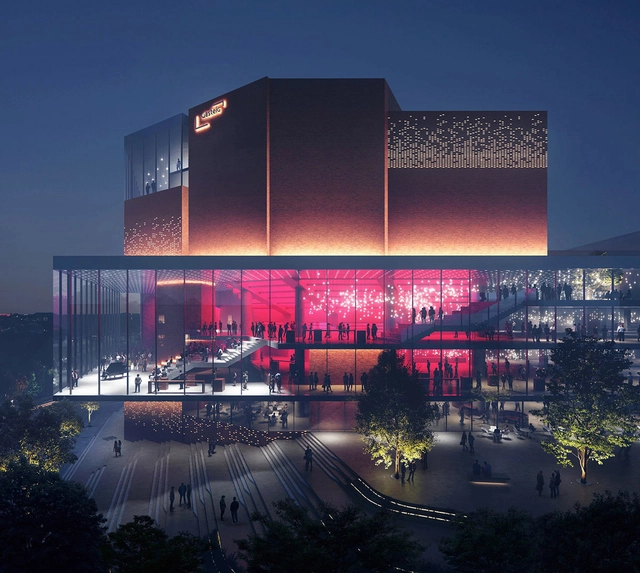
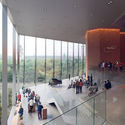
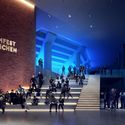
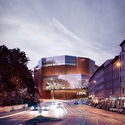
HENN have been selected to redesign the Gasteig, Europe's largest cultural center in Munich, Germany. The renovation and remodel aims to bring new life to the center after 30 years of use. Originally designed by the architecture partnership Raue, Rollenhagen, Grossmann and Lindemann, the Gasteig welcomes around two million visitors annually. The new design celebrates the building's role as a revered cultural hub and introduces a new glazed bridge to connect the existing parts of the building and bring transparency to the complex.
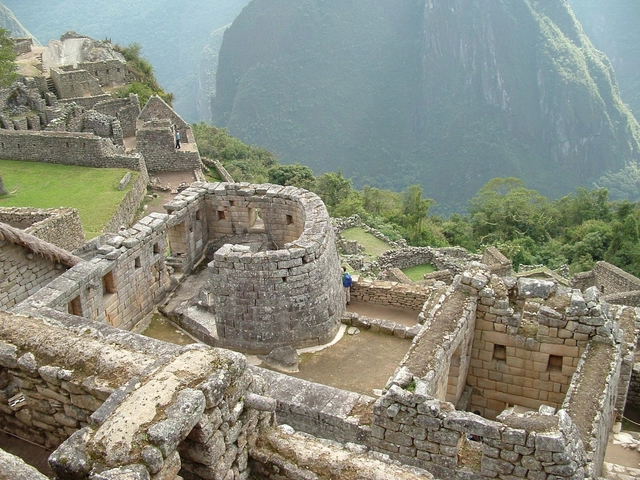
A collection of stones piled one on top of the other, dry stone is an iconic building method found just nearly everywhere in the world. Relying solely on an age-old craft to create sturdy, reliable structures and characterised by its rustic, interlocking shapes, the technique has deep roots that stretch back even before the invention of the wheel. Its principles are simple: stack the stones to create a unified, load-bearing wall. But the efficient, long-lasting results, coupled with the technique’s cultural significance, have lead to continued use and updated interpretations all the way to contemporary architecture today.
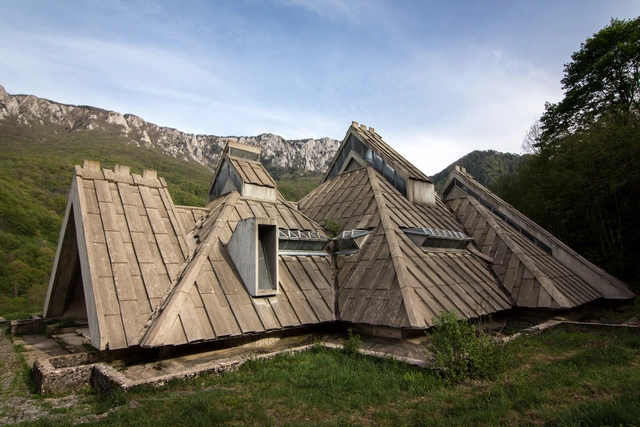
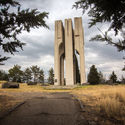
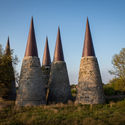
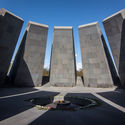
British researcher Darmon Richter has recently released Monumentalism, a visual study of over 200 photographs featuring socialist architecture and designs built by 20th century regimes around the world. These photos were taken in more than 30 different countries and show a broad range of subject matter, from military parades in the former Soviet Union to revolutionary memorial sites. See more after the break.
The Fundació Mies van der Rohe has announced a list of 40 projects that will compete for the Young Talent Architecture Award 2018 (YTAA 2018). The award was established in 2016 to “support the talent of recently graduated Architects, Urban Planners and Landscape Architects who will be responsible for transforming our environment in the future,” and joins the Foundation's European Union Prize for Contemporary Architecture – Mies van der Rohe Award “in promoting high-quality work amongst emerging and established architects through the acknowledgment of the value of good buildings.”
More than 330 projects were submitted from over 118 European, Chinese, and Korean architecture schools, which were narrowed down to a shortlist of 40 projects by an esteemed jury of architects and curators. The YTAA 2018 exhibition is a collateral event at the Venice Biennale, opening on May 24th at the Palazzo Mora, where 12 finalists will be announced. The names of the four winning schemes will become known on June 28th.



_Photo_Credits_Xhuliano_Lacinaj_.jpg?1595246315 "ABACO - The Greek apartment, Paris (France) © Xhuliano Lacina")