1. ArchDaily
  2. Energía

Energía: The Latest Architecture and News

Mapping the Technosphere: Architecture as an Interface Between Systems and Territories

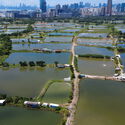
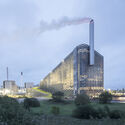
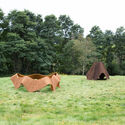
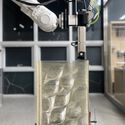
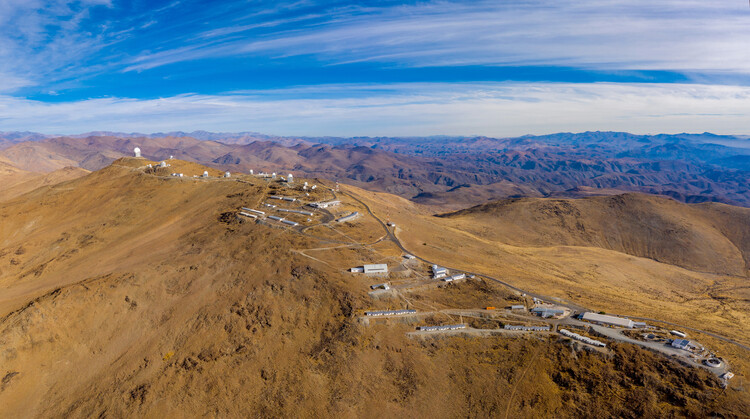
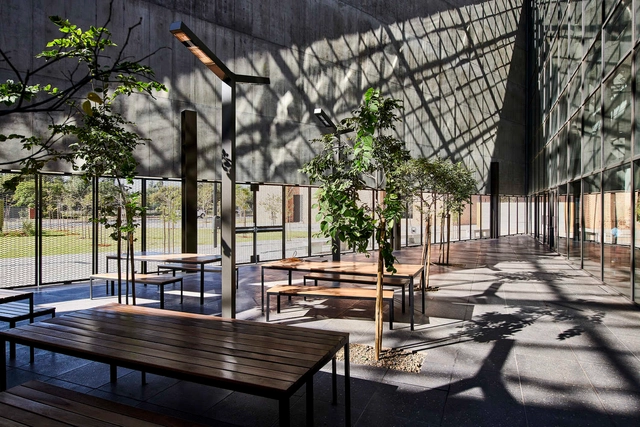
Architecture can no longer be conceived as an isolated object, detached from the technical networks that sustain contemporary life — a condition that calls for new readings and approaches. It is within this context that, in March, ArchDaily’s monthly theme focused on The Technosphere, a topic both broad and inherently complex. Drawing on the concept of the technosphere, coined by geoscientist Peter Haff to describe the totality of human-made artifacts, a landscape emerges in which contemporary life is deeply intertwined with machines, data, and energy networks.

Mapping the Technosphere: Architecture as an Interface Between Systems and Territories - Image 1 of 4Mapping the Technosphere: Architecture as an Interface Between Systems and Territories - Image 2 of 4Mapping the Technosphere: Architecture as an Interface Between Systems and Territories - Image 3 of 4Mapping the Technosphere: Architecture as an Interface Between Systems and Territories - Image 4 of 4Mapping the Technosphere: Architecture as an Interface Between Systems and Territories - More Images+ 11

Architecture Inspired by Permaculture: How to Integrate Its Design Principles Across Diverse Contexts

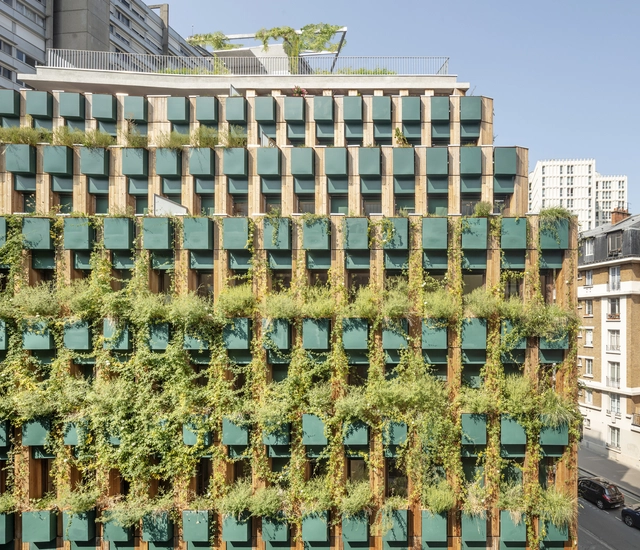
The concept of permaculture refers to a design system capable of creating sustainable human environments based on an ethic and a series of ecological, environmental, and resilience design principles. In contact with plants, animals, buildings, and infrastructures such as water, energy, and/or communications, permaculture analyzes the possible relationships between these elements based on their position in the landscape. Its 12 design principles can be applied in multiple architecture projects of varying scales and programs, contributing, for example, to the dissemination of new ways to reduce energy consumption in homes, save water through rainwater harvesting or the recycling of greywater for sanitary systems, gardens, and more, and participate in food production, among other matters.

Geothermal Energy: Using the Earth to Heat Buildings and Generate Electricity

Subscriber Access | 

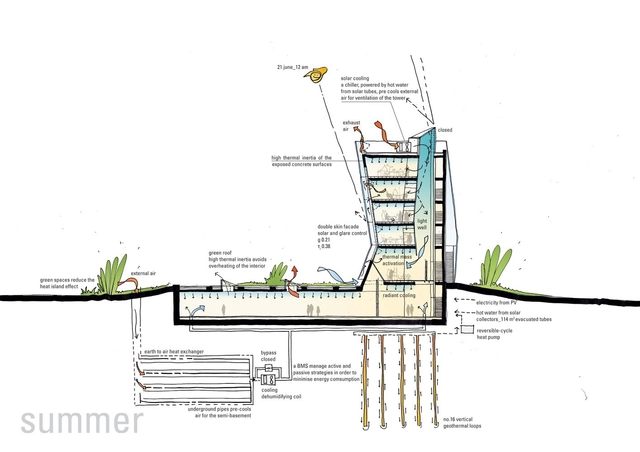
Unlike the air, the temperature in the subsoil varies very little during the year or according to geographical position. A few meters below the surface, the ground temperature is between about 10 to 21°C (50 to 70°F) depending on the region. Dig deeper, and the temperature increases between 20 to 40 degrees centigrade per km, reaching the Earth's core, which approaches 5000 °C. In fact, thinking about how we inhabit a sphere that is orbiting through space with a glowing center can be distressing for some. However, it may be helpful to learn that using Earth's forming energy to generate electricity is a sustainable and efficient way that is already common in some countries. At the same time, we can also take advantage of the mild temperature found a few meters under the ground to acclimatize buildings, whether in hot or cold climates.

Decarbonization and Energy Efficiency in Latin America: How to Progress Towards a More Sustainable Architecture?

Subscriber Access | 

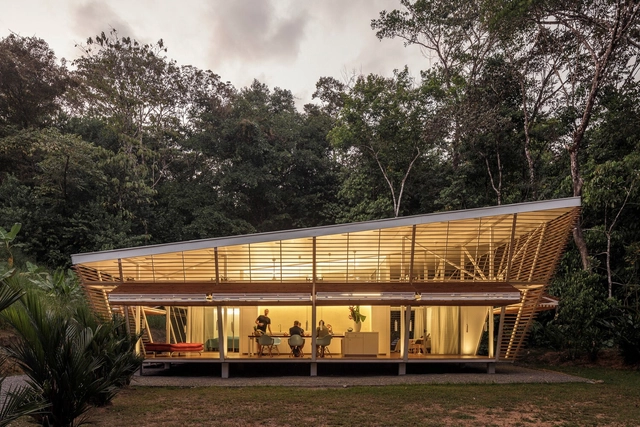
In the context of global initiatives to promote energy efficiency and the decarbonization of buildings, Latin America is at the center of the debate. The International Seminar on Sustainable and NetZero Buildings 2023, held in Bogotá and organized by CCCS, IEA, UNIANDES, CAF, and CEELA, aimed primarily to create a space for the exchange of experiences, such as Oliver Schütte's No Footprint House, while simultaneously conducting a review of government policies and the implementation of norms and standards in the region.

Among panels and conferences featuring Clara Camarasa, Nicola Borregaard, Laura Chapa, Paola Valencia, Iván Osuna, Juan Carlos Vega, Angélica Ospina, and Diego Velandia, five main learnings emerged as lessons: from creating more relevance and energy calculations to the development of the timber industry - and certifications.

Journey to Energy Efficiency: 10 Spanish Homes Applying Bioclimatic Strategies and Designs

Subscriber Access | 

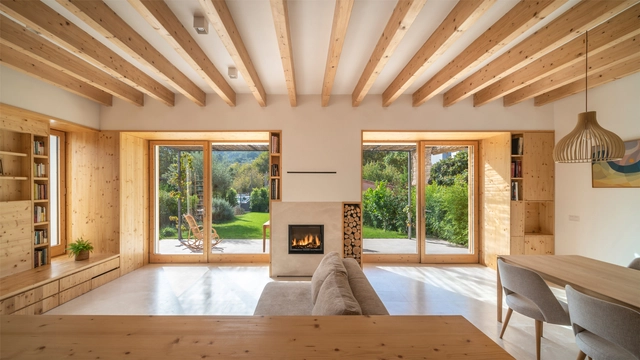
How is it possible to reduce the energy consumption of our homes? What design, material, and/or technological strategies can be developed to achieve interior comfort while also addressing the climate crisis? While achieving energy efficiency depends, among other factors, on the state of the homes, there are various strategies related to the implementation of renewable energies, air conditioning technologies, and more that can be applied, taking into account government policies, laws, regulations, and standards specific to each region.

8 Examples of Wind Powered Architecture

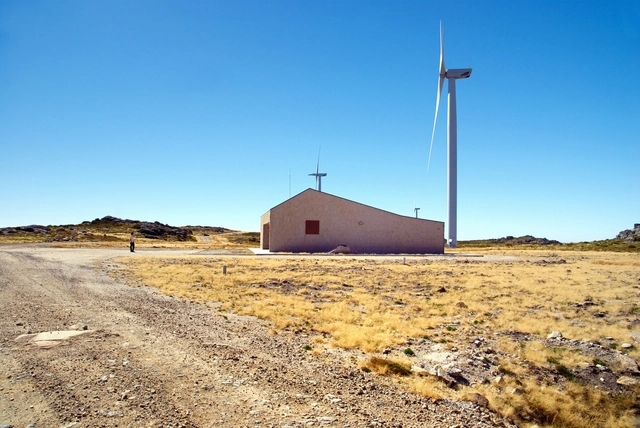
Wind energy is a type of renewable energy obtained from the wind, or in other words from the movement of air masses transferring from areas of high atmospheric pressure to nearby areas of lower atmospheric pressure, with speeds proportional to the pressure gradient. To take advantage of wind energy, machines called wind turbines or mills are used, activated by the movement of the wind as the propeller rotates. The propeller is in turn connected to a generator rotor that raises the speed of rotation to thousands of revolutions per minute, converting kinetic energy into electrical energy.

8 Examples of Wind Powered Architecture - Sustainability8 Examples of Wind Powered Architecture - Sustainability8 Examples of Wind Powered Architecture - Sustainability8 Examples of Wind Powered Architecture - Sustainability8 Examples of Wind Powered Architecture - More Images+ 15

How Material Simulation During Design Ensures Accurate Construction Performance

With the amount of information and technology we currently have, whether from academic research or from the manufacturers of construction products themselves, there is very little room for empiricism and experimentation when we design on the most diverse scales. Even worse is when design specification misconceptions can pose huge costs and headaches. However, long before construction and occupancy of the building, it is possible to clearly understand how the construction will function thermally, its photovoltaic power generation capacity, and even how much power will be required to cool and/or heat it. There are software, tools and applications that allow you to quantify all these design decisions to avoid errors, extra costs, unnecessary waste generation, and ensure the efficiency of all materials applied.