1. ArchDaily
  2. Earth Construction

Earth Construction: The Latest Architecture and News

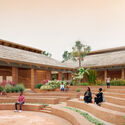
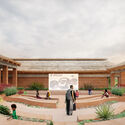
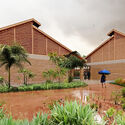
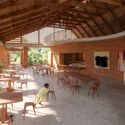
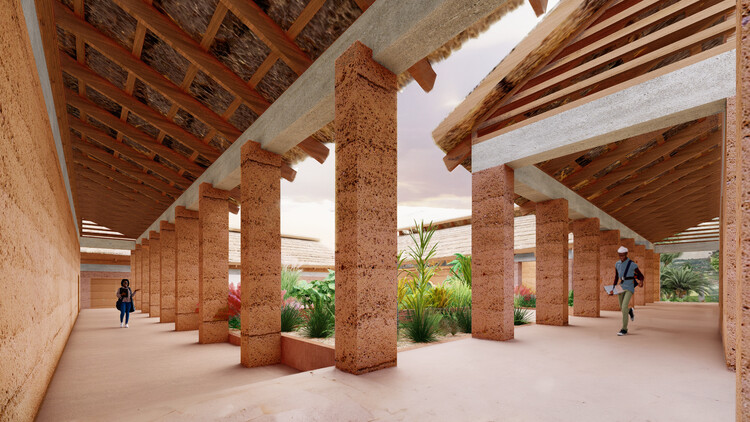
Studio NEiDA Designs The Falcon Cinema in Ghana, a Community Art Centre Dedicated to African Film

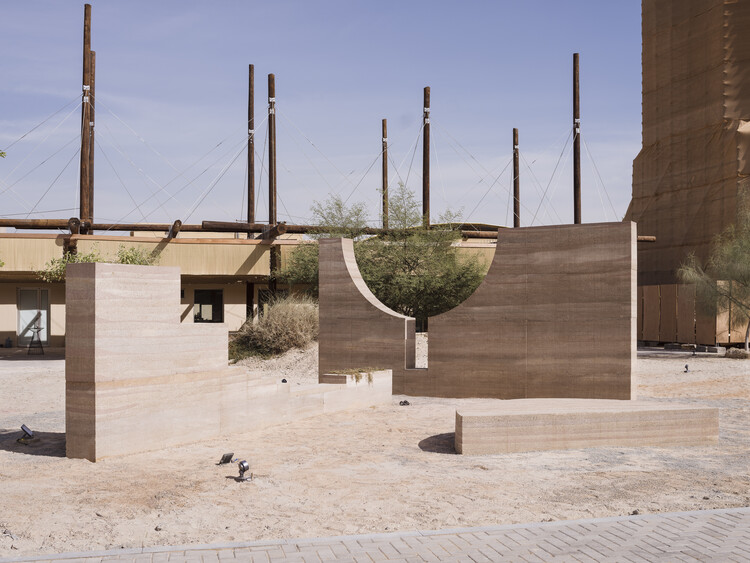
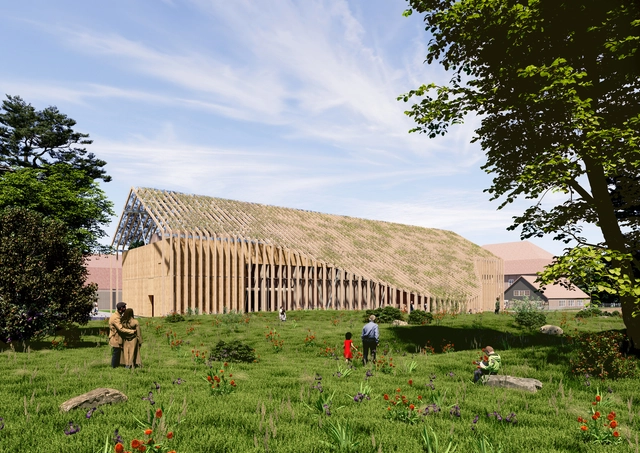
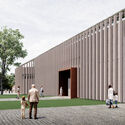
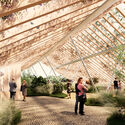
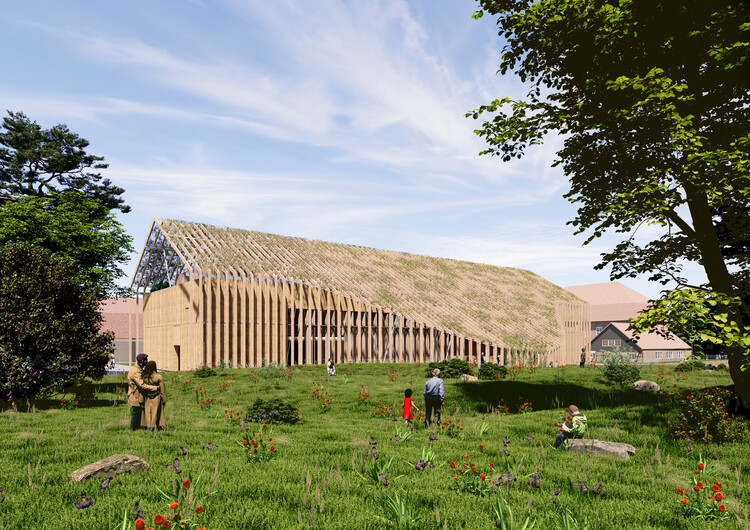
Designed by Studio NEiDA, The Falcon Cinema is a community and art centre located in Berekuso, Ghana, commissioned by film curator and Founding Director Jacqueline Nsiah. The cinema's mission is to create a home for cineastes to preserve Africa's cinematic legacy while hosting critical and creative thinking about contemporary filmmaking on the continent, designed and curated with a pan-African approach. The programme includes a 250-seat and a 150-seat screening room, a restaurant, an archive, communal spaces, an education hub, and an outdoor cinema. A second compound is planned for a future phase, to house living quarters for filmmakers in residence. Still in the design phase, the project started in 2024 and is expected to be completed in 2027.

Studio NEiDA Designs The Falcon Cinema in Ghana, a Community Art Centre Dedicated to African Film - Image 1 of 4Studio NEiDA Designs The Falcon Cinema in Ghana, a Community Art Centre Dedicated to African Film - Image 2 of 4Studio NEiDA Designs The Falcon Cinema in Ghana, a Community Art Centre Dedicated to African Film - Image 3 of 4Studio NEiDA Designs The Falcon Cinema in Ghana, a Community Art Centre Dedicated to African Film - Image 4 of 4Studio NEiDA Designs The Falcon Cinema in Ghana, a Community Art Centre Dedicated to African Film - More Images+ 8

“Earth Is Not Nostalgia”: Hand Over on Design-Build and Local Materials

Each year, the ArchDaily Next Practices Awards highlights emerging studios that are expanding the scope of architecture through new methods, materials, and ways of working. Selected from a global pool, these practices reflect a shift away from singular definitions of the discipline, engaging instead with broader questions of construction, environment, and social impact. Rather than operating within fixed categories, many of these studios position themselves across fields, combining design, research, and production to respond to contemporary conditions.

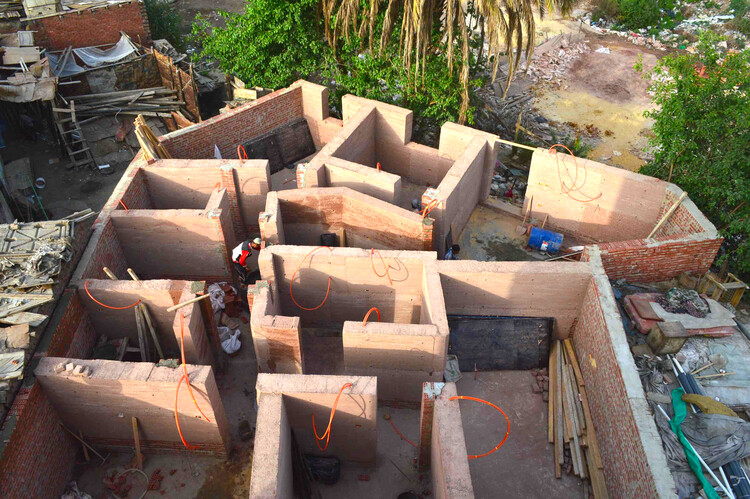
Named one of the winners of the 2025 edition, Hand Over is a Cairo-based practice operating across design, construction, and research. Founded by Radwa Rostom, a civil engineer with over fifteen years of experience in development and sustainability, the studio works through an integrated design-build model, engaging with earth construction, local materials, and community-based processes.

“Earth Is Not Nostalgia”: Hand Over on Design-Build and Local Materials - Image 1 of 4“Earth Is Not Nostalgia”: Hand Over on Design-Build and Local Materials - Image 2 of 4“Earth Is Not Nostalgia”: Hand Over on Design-Build and Local Materials - Image 3 of 4“Earth Is Not Nostalgia”: Hand Over on Design-Build and Local Materials - Image 4 of 4“Earth Is Not Nostalgia”: Hand Over on Design-Build and Local Materials - More Images+ 6

Elevating Earth: Reviving and Advancing an Indigenous Building Material

Subscriber Access | 

Twenty meters tall and four thousand years old, the Western Deffufa towers over the adjacent date orchards and ancient city remains in the desert. It is a former religious and administrative building near the modern-day Sudanese town of Kerma. Its significance is not only in its age and size, but also in that it is one of the oldest mud brick buildings in the world. And as the nearby mud brick houses also attest, earth is a material of continuous use from ancient times to the present. Yet, conversations around contemporary building systems have largely ignored this essential material. Some architects on the continent of Africa, however, are changing that.

Elevating Earth: Reviving and Advancing an Indigenous Building Material - Image 1 of 4Elevating Earth: Reviving and Advancing an Indigenous Building Material - Image 2 of 4Elevating Earth: Reviving and Advancing an Indigenous Building Material - Image 3 of 4Elevating Earth: Reviving and Advancing an Indigenous Building Material - Image 4 of 4Elevating Earth: Reviving and Advancing an Indigenous Building Material - More Images+ 11

The Earthen Towers of Shibam: A Vertical City in the Yemeni Desert

Subscriber Access | 

Symbols of technological development and urban density, tall buildings as we know them today emerged in the late nineteenth century, particularly in the United States, as a response to the rapid expansion of urban commerce and the need to grow cities without occupying additional land. The term skyscraper, for instance, was coined in the 1880s and originally referred to buildings with around 10 to 20 stories—an impressive height for the time.

However, the idea of building vertically is much older than the steel-and-glass skyscrapers of modern cities might suggest. Long before the Industrial Revolution, some societies were already experimenting with forms of vertical urbanization as a response to limited space, territorial defense, or environmental adaptation.

The Earthen Towers of Shibam: A Vertical City in the Yemeni Desert - Image 1 of 4The Earthen Towers of Shibam: A Vertical City in the Yemeni Desert - Image 2 of 4The Earthen Towers of Shibam: A Vertical City in the Yemeni Desert - Image 3 of 4The Earthen Towers of Shibam: A Vertical City in the Yemeni Desert - Image 4 of 4The Earthen Towers of Shibam: A Vertical City in the Yemeni Desert - More Images+ 7

Building with Earth: Traditional Knowledge in Contemporary Architecture 

Subscriber Access | 

In recent years, earthen construction has gained renewed attention in architecture. Materials such as adobe, rammed earth, and compressed earth blocks, once mainly associated with vernacular traditions, are increasingly being explored by contemporary architects. Rather than representing a simple return to the past, this renewed interest reflects a broader reconsideration of how architecture engages with materials, local resources, and environmental conditions.
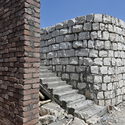
For centuries, building with earth was part of everyday construction across many regions of the world. Techniques such as adobe, rammed earth, cob, and other soil-based systems developed gradually through adaptation to climate, available resources, and local construction practices. These methods responded directly to environmental conditions while shaping cultural ways of building. This knowledge circulated through collective practices rather than formal architectural education, allowing techniques to evolve through continuous experimentation.

Building with Earth: Traditional Knowledge in Contemporary Architecture  - Image 1 of 4Building with Earth: Traditional Knowledge in Contemporary Architecture  - Image 2 of 4Building with Earth: Traditional Knowledge in Contemporary Architecture  - Image 3 of 4Building with Earth: Traditional Knowledge in Contemporary Architecture  - Image 4 of 4Building with Earth: Traditional Knowledge in Contemporary Architecture  - More Images+ 13

Indigenous Materials Towards an African Modernity: An Interview with Worofila

Subscriber Access | 

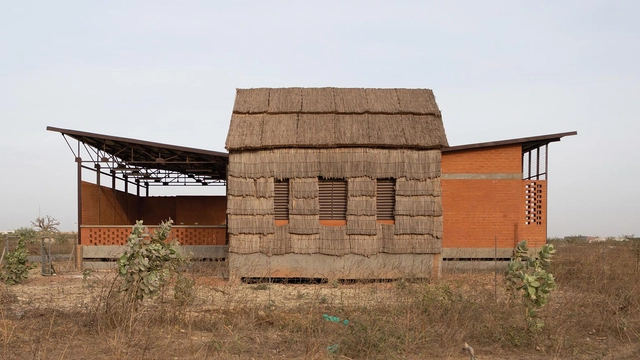
Founded by Senegalese architect Nzinga Mboup and French architect Nicolas Rondet, Worofila is a studio dedicated to bioclimatic and ecological architecture. Based in Dakar, Senegal, the firm explores the potential of vernacular materials like earth bricks and typha, applying modern techniques to create effective construction solutions. Their work addresses key issues of the environment, sustainability, and urbanization, merging traditional materials with innovative practices.
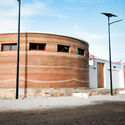
In this interview, Nzinga and Nicolas share their vision for a distinctly African modernity that integrates contemporary methods with traditional knowledge and resources. They advocate for a development approach that not only meets immediate needs but also empowers communities and fosters meaningful, long-term progress. Their insights provide a compelling perspective on how architecture can drive a more sustainable and contextually relevant future for African cities. 

Indigenous Materials Towards an African Modernity: An Interview with Worofila - Image 1 of 4Indigenous Materials Towards an African Modernity: An Interview with Worofila - Image 2 of 4Indigenous Materials Towards an African Modernity: An Interview with Worofila - Image 3 of 4Indigenous Materials Towards an African Modernity: An Interview with Worofila - Image 4 of 4Indigenous Materials Towards an African Modernity: An Interview with Worofila - More Images+ 4

Architecture in Ecuador: 16 Projects Rooted in Territory, Craft, and Collective Practice

Subscriber Access | 

Between the Andes, the coast, and the Amazon, Ecuador's architecture has evolved as a reflection of its layered geography, a place where climate, topography, and culture unite. Throughout the territory, architecture has been an act of adaptation: from vernacular traditions rooted in collective labor and local materials to the colonial and modernist influences that reshaped its cities. This diversity has produced distinct constructive systems, from bamboo and cane structures along the coast to earth and stone constructions in the Andes, forming an archive of adaptive design that continues to influence contemporary practice.

Yet in the past decade, Ecuadorian architecture has undergone a quiet but deep transformation. New academic programs and international references have encouraged a growing awareness of climate and social justice. Emerging architects are redefining practice through workshops, collective studios, and on-site experimentation that blurs the line between design and activism. No longer focused on architecture as an object, a new generation of architects is approaching design as a process. One focused on collaboration, sustainability, and cultural identity. Their questions have shifted the design language from what to build to with whom.

Architecture in Ecuador: 16 Projects Rooted in Territory, Craft, and Collective Practice  - Image 1 of 4Architecture in Ecuador: 16 Projects Rooted in Territory, Craft, and Collective Practice  - Image 2 of 4Architecture in Ecuador: 16 Projects Rooted in Territory, Craft, and Collective Practice  - Image 3 of 4Architecture in Ecuador: 16 Projects Rooted in Territory, Craft, and Collective Practice  - Image 4 of 4Architecture in Ecuador: 16 Projects Rooted in Territory, Craft, and Collective Practice  - More Images+ 12

Global Heating: How Vernacular Architecture is Affected by the Climate Crisis

Subscriber Access | 

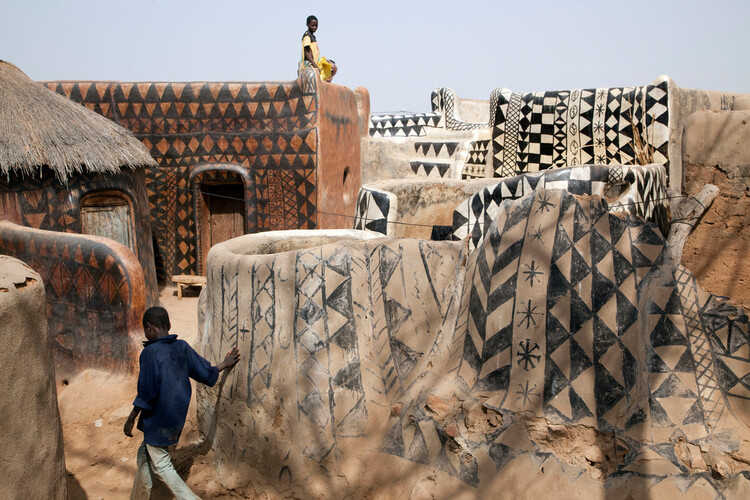
Vernacular architecture is often referred to as harboring lessons for creating low-energy buildings and the fight against climate change. Yet, as weather patterns are changing, there are cases where traditional building techniques are themselves becoming at risk. As well as changes in temperature, different regions have faced becoming wetter or drier, experiencing increased risk of droughts, flooding, storms, and changes to local flora. The painted houses of Tiébélé in Burkina Faso, recognized as a UNESCO World Heritage Site, are one example.

Global Heating: How Vernacular Architecture is Affected by the Climate Crisis - Image 1 of 4Global Heating: How Vernacular Architecture is Affected by the Climate Crisis - Image 2 of 4Global Heating: How Vernacular Architecture is Affected by the Climate Crisis - Image 3 of 4Global Heating: How Vernacular Architecture is Affected by the Climate Crisis - Image 4 of 4Global Heating: How Vernacular Architecture is Affected by the Climate Crisis - More Images+ 4

Kéré Architecture Breaks Ground on Museum Ehrhardt in Plüschow, Germany

Construction has officially begun on the Museum Ehrhardt in Plüschow, northeast Germany, marking the first cultural project in Germany by Francis Kéré and his firm Kéré Architecture, as well as their first museum building in Europe. Developed in cooperation with HK Architekten and Hermann Kaufmann + Partner ZT GmbH, the 1,400-square-meter museum will be dedicated to photography and contemporary art. The initiative was launched by Dr. Jens Ehrhardt, son of the artist Alfred Ehrhardt (1901–1984), together with his wife Elke Weicht-Ehrhardt, to honor the painter, photographer, and filmmaker who was a leading figure of Germany's New Objectivity movement. The museum will stand near the Baltic Sea, adjacent to Schloss Plüschow, an artist residency and gallery.

Kéré Architecture Breaks Ground on Museum Ehrhardt in Plüschow, Germany - Image 1 of 4Kéré Architecture Breaks Ground on Museum Ehrhardt in Plüschow, Germany - Image 2 of 4Kéré Architecture Breaks Ground on Museum Ehrhardt in Plüschow, Germany - Image 3 of 4Kéré Architecture Breaks Ground on Museum Ehrhardt in Plüschow, Germany - Image 4 of 4Kéré Architecture Breaks Ground on Museum Ehrhardt in Plüschow, Germany - More Images+ 26

Moroccan Pavilion at the Venice Architecture Biennale Showcases Earth as a Sustainable Building Material

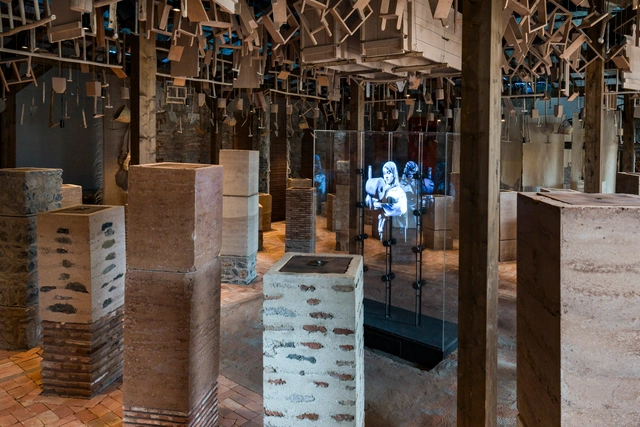
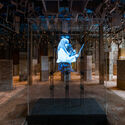
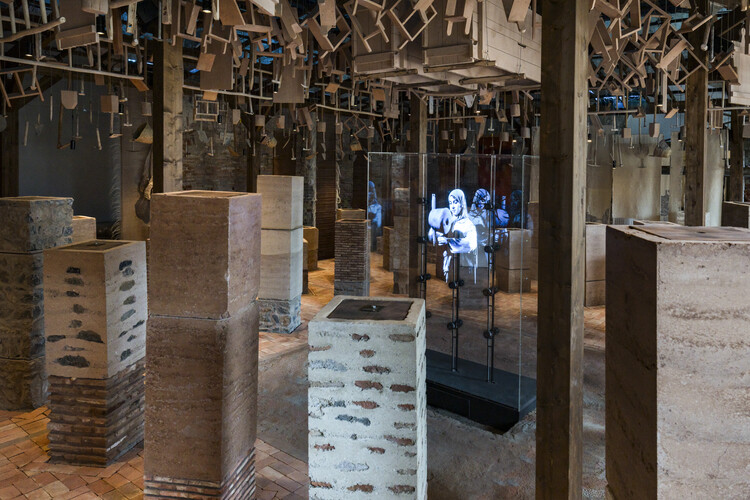
The Kingdom of Morocco's exhibition at the 19th International Architecture Exhibition – La Biennale di Venezia highlights Moroccan earth architecture and traditional construction techniques. The exhibition, titled Materiae Palimpsest, was curated by architects Khalil Morad El Ghilali and El Mehdi Belyasmine. In an exploration that blends ancient techniques with digital technologies, the exhibit features textile works by architect and artist Soumyia Jalal, along with holograms of artisans and tactile installations. The narrative presents earth as a renewable resource and sustainable material, and earth construction as a key to both preserving architectural heritage and addressing contemporary ecological and social challenges. Materiae Palimpsest offers an invitation to rethink architecture's current relationship with building materials, opening the way to locally rooted construction methods.

Moroccan Pavilion at the Venice Architecture Biennale Showcases Earth as a Sustainable Building Material - Image 1 of 4Moroccan Pavilion at the Venice Architecture Biennale Showcases Earth as a Sustainable Building Material - Image 2 of 4Moroccan Pavilion at the Venice Architecture Biennale Showcases Earth as a Sustainable Building Material - Image 3 of 4Moroccan Pavilion at the Venice Architecture Biennale Showcases Earth as a Sustainable Building Material - Image 4 of 4Moroccan Pavilion at the Venice Architecture Biennale Showcases Earth as a Sustainable Building Material - More Images+ 17

The Nubian Vault: Reviving Ancient Techniques for Modern Solutions

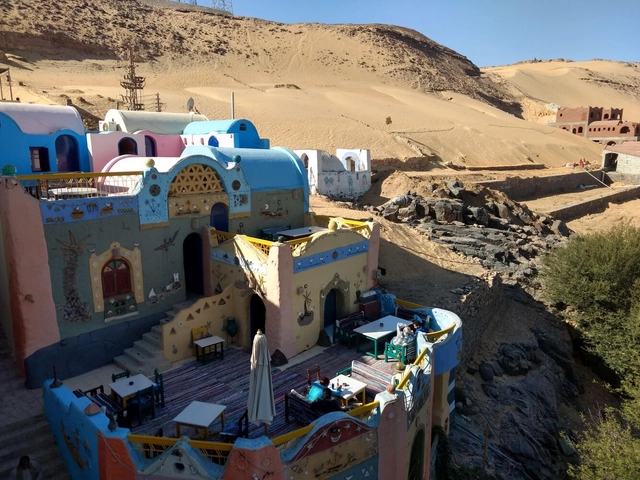
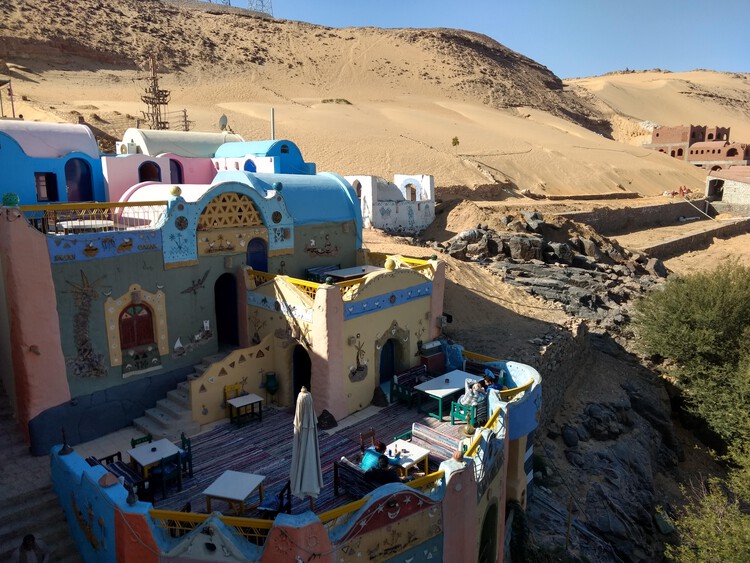
The colorful houses of Aswan in the south of modern-day Egypt attract tourists who venture that far up the River Nile. Accessed by small river boats, islands like Suheil West are the homes of Nubian communities, some of whom had had to relocate after the building of the Aswan High Dam in the 1960s. Behind the picturesque views of plastered walls covered in murals and motifs, perched on rocky hills overlooking the Nile, is a construction technique used locally for centuries. It uses locally sourced materials, conserves nature, and regulates internal temperatures against the heat in the day and the cold at night.

The Nubian Vault: Reviving Ancient Techniques for Modern Solutions - Image 1 of 4The Nubian Vault: Reviving Ancient Techniques for Modern Solutions - Image 2 of 4The Nubian Vault: Reviving Ancient Techniques for Modern Solutions - Image 3 of 4The Nubian Vault: Reviving Ancient Techniques for Modern Solutions - Image 4 of 4The Nubian Vault: Reviving Ancient Techniques for Modern Solutions - More Images+ 8

Vernacular Building and AI: Can Data Alone Bridge the Gap?

As artificial intelligence (AI) becomes increasingly embedded in society, it's essential to pause and reflect on the foundations that sustain it—and the dimensions to which it extends. At the heart of AI's learning are datasets, whose structure and content shape how these systems interpret and respond to the world. This reliance creates a deep interdependence—one that not only informs AI's capabilities but also defines its potential blind spots. In light of this, we must ask: What forms of understanding might this process exclude, especially those not easily captured in digital form?

Vernacular Building and AI: Can Data Alone Bridge the Gap? - Image 1 of 4Vernacular Building and AI: Can Data Alone Bridge the Gap? - Image 2 of 4Vernacular Building and AI: Can Data Alone Bridge the Gap? - Image 3 of 4Vernacular Building and AI: Can Data Alone Bridge the Gap? - Image 4 of 4Vernacular Building and AI: Can Data Alone Bridge the Gap? - More Images+ 15

Taming Nature: How Architecture is Redefining Its Relationship with the Environment

Integrating natural elements into architectural design has long been a fundamental pursuit in creating comfortable, sustainable environments that enhance both individual well-being and the relationship between buildings and their surrounding context. In areas with vast landscapes, incorporating natural elements is essential for seamlessly connecting architecture with its site. Conversely, in dense urban environments dominated by built structures, introducing greenery becomes also increasingly vital, reintroducing nature into the so-called "concrete jungle."

However, beyond conventional landscape features—such as water fountains, green walls, gardens, or courtyards—architects are redefining what it means to build with nature. The focus has shifted toward deeply integrating architecture with its natural surroundings, creating immersive spatial experiences that blur the boundaries between the built and the organic - in a way, "taming" nature. When successfully executed, these designs go beyond fostering well-being or promoting a healthy lifestyle; they evoke a profound sense of tranquility, power, and harmony, transforming the way we perceive and inhabit space.

Taming Nature: How Architecture is Redefining Its Relationship with the Environment - Image 1 of 4Taming Nature: How Architecture is Redefining Its Relationship with the Environment - Image 2 of 4Taming Nature: How Architecture is Redefining Its Relationship with the Environment - Image 3 of 4Taming Nature: How Architecture is Redefining Its Relationship with the Environment - Image 4 of 4Taming Nature: How Architecture is Redefining Its Relationship with the Environment - More Images+ 23

Bauhaus Earth Announces 2025 Experimental Fellows to Investigate Earth's Role in Contemporary Design

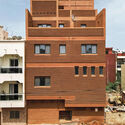
Maria Lisogorskaya and Kaye Song from the London-based collective Assemble, along with Lviv-based architects Anna Pomazanna and Mykhailo Shevchenko, have been announced as the 2025 Experimental Fellows at Bauhaus Earth. Selected from 120 submissions, their projects are set to explore earth as a material in contemporary architecture. The annual Bauhaus Earth Fellowship program was established in 2022 by architect Prof. Regine Leibinger. It aims to support diverse projects that explore new modes of practice across various geographies, that can contribute to ecological and social resilience. Fellows receive financial support, mentorship, and access to a network encouraging collaboration among architects, manufacturers, and local stakeholders.
Bauhaus Earth Announces 2025 Experimental Fellows to Investigate Earth's Role in Contemporary Design - Image 1 of 4Bauhaus Earth Announces 2025 Experimental Fellows to Investigate Earth's Role in Contemporary Design - Image 2 of 4Bauhaus Earth Announces 2025 Experimental Fellows to Investigate Earth's Role in Contemporary Design - Image 3 of 4Bauhaus Earth Announces 2025 Experimental Fellows to Investigate Earth's Role in Contemporary Design - Image 4 of 4Bauhaus Earth Announces 2025 Experimental Fellows to Investigate Earth's Role in Contemporary Design - More Images+ 16

Straw, Earth and Bamboo: Innovative Use of Natural Materials in 2024 Projects from the Global South

Sustainability has been a central theme in architectural discussions for years, encompassing not only the profession’s role in combating climate change and transitioning to low-carbon economies but also preserving cultural heritage and celebrating vernacular traditions. In 2024, a wave of projects and studies stood out for their innovative use of natural materials, particularly in the Global South. These initiatives skillfully blend creativity and technology with renewable resources, demonstrating how architecture can deliver high-quality spaces that align with contemporary demands for sustainability and environmental responsibility.

Straw, Earth and Bamboo: Innovative Use of Natural Materials in 2024 Projects from the Global South - Image 1 of 4Straw, Earth and Bamboo: Innovative Use of Natural Materials in 2024 Projects from the Global South - Image 2 of 4Straw, Earth and Bamboo: Innovative Use of Natural Materials in 2024 Projects from the Global South - Image 3 of 4Straw, Earth and Bamboo: Innovative Use of Natural Materials in 2024 Projects from the Global South - Image 4 of 4Straw, Earth and Bamboo: Innovative Use of Natural Materials in 2024 Projects from the Global South - More Images+ 9

Land as Raw Material: Latin American Homes Built With Locally Sourced Soil

Organizing, shaping, stacking. Transforming raw materials from the soil into architecture. This is a challenge that many Latin American architects embrace, demonstrating that scarcity can be daunting but also a rich opportunity to unleash creativity.
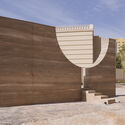
The use of materials extracted from the local soil serves a dual purpose. In regions with limited industrialization, using locally sourced materials makes economic sense because industrial materials such as concrete and steel are expensive and often require long-distance transportation, adding to their cost. Environmentally, choosing locally sourced materials from the start of a project reduces transportation needs and carbon emissions, supporting sustainability efforts.

Land as Raw Material: Latin American Homes Built With Locally Sourced Soil - Image 1 of 4Land as Raw Material: Latin American Homes Built With Locally Sourced Soil - Image 2 of 4Land as Raw Material: Latin American Homes Built With Locally Sourced Soil - Image 3 of 4Land as Raw Material: Latin American Homes Built With Locally Sourced Soil - Image 4 of 4Land as Raw Material: Latin American Homes Built With Locally Sourced Soil - More Images+ 9

“We Can Transform the Profession by Rethinking How We Might Serve Society”: A Conversation With Ronald Rael

Subscriber Access | 

Understanding a discipline from multiple perspectives and intersections is essential for acquiring a deep understanding of it. In architecture, the diversity of approaches to its study enriches our perception by allowing us to appreciate its complexity from different angles. For students and professionals alike, exploring aspects such as history, sources of materials and products, construction processes, implementation of new technologies, and contemporary social challenges is crucial. These aspects intertwine and expand the conventional notion of "architecture," transcending the mere creation of buildings or the definition of spaces.

Ronald Rael, an architect and the Eva Li Memorial Chair in Architecture at the University of California, Berkeley, exemplifies this vision through his practice, which spans from research to connecting indigenous and traditional material practices with contemporary technologies and issues. As an activist and designer, Rael's research interests explore additive fabrication, border-wall studies, and earth construction. Co-founder of Rael San Fratello, Emerging Objects, and Forust, his practice shows an approach to architecture that is highly relevant in contemporary times.

The Merits of Greenwashing: Social Stigma around Natural Construction in India

Subscriber Access | 

In recent years, India has seen a resurgence of interest in natural building materials, a movement driven by escalating environmental concerns and a growing desire to revive traditional lifestyles. From the busy streets of Mumbai to the serene villages of Kerala, architects, builders, and communities are coming together to experiment with the potential of earth, bamboo, lime, and other organic materials in shaping contextually relevant structures that also embody India's contemporary ideals. The shift towards using natural materials and other vernacular resources reflects a movement towards sustainability and a deeper connection with nature.
The Merits of Greenwashing: Social Stigma around Natural Construction in India - Image 1 of 4The Merits of Greenwashing: Social Stigma around Natural Construction in India - Image 2 of 4The Merits of Greenwashing: Social Stigma around Natural Construction in India - Image 3 of 4The Merits of Greenwashing: Social Stigma around Natural Construction in India - Image 4 of 4The Merits of Greenwashing: Social Stigma around Natural Construction in India - More Images+ 3