1. ArchDaily
  2. dRMM

dRMM: The Latest Architecture and News

How Not to Build: Architecture by the Absence of Intervention

Subscriber Access | 

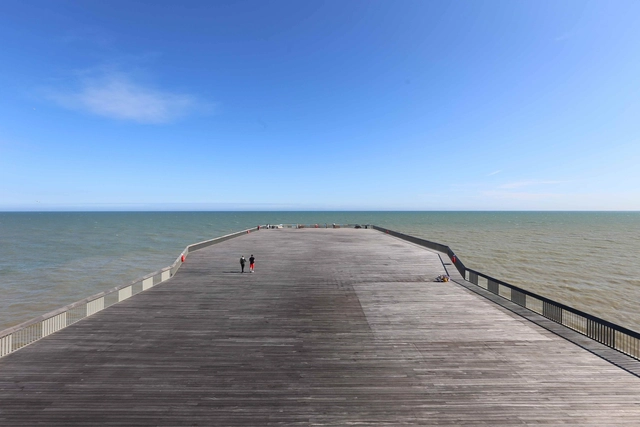
Whether for design competitions or architectural awards, buildings are often judged for what they offer–the programmed functions, the form, or the visual delight. In a minority of cases, it is the absence or the reduction of intervention that made a project successful. In 1971, a high-profile architectural competition in Paris was won by a proposal that only utilized half the available site, giving the rest as an urban space to the city. In London, a proposal to convert a disused power station with minimal additions, leaving large spaces untouched, won a design competition in 1994. The Stirling Prize, the UK's most prestigious architectural award, in 2017 was won by a proposal that was little more than an empty platform. These examples of cultural buildings from Northwestern Europe illustrate how the absence of intervention can provide more.
How Not to Build: Architecture by the Absence of Intervention - Image 1 of 4How Not to Build: Architecture by the Absence of Intervention - Image 2 of 4How Not to Build: Architecture by the Absence of Intervention - Image 3 of 4How Not to Build: Architecture by the Absence of Intervention - Image 4 of 4How Not to Build: Architecture by the Absence of Intervention - More Images+ 14

Architects, not Architecture: Sadie Morgan from dRMM

Architects, not Architecture decided to open their archive to help us cope with the current situation of not being able to go out as usual and create a source of inspiration and entertainment through sharing one of the unique talks from their previous 35 events, which have never been published before – including those of architects like Daniel Libeskind, Tatiana Bilbao, Peter Cook, Richard Rogers, Massimiliano Fuksas, Kim Herforth Nielsen, Ben van Berkel, Benedetta Tagliabue, Anupama Kundoo, Sadie Morgan, Dan Stubbergaard, Manuelle Gautrand and Kjetil Thorsen,

Every week, Archdaily will be sharing one of the Architects, not Architecture. talks which they are currently publishing online in the form of daily full-length video uploads as part of their event: Home Edition 2020 (www.architectsnotarchitecture.com).

Making it Happen: New Community Architecture

What does community architecture look like? Making It Happen tells the stories behind four very different examples of new or reimagined public areas. This immersive exhibition charts and celebrates the coming together of communities and architects to craft and create spaces that work for all.

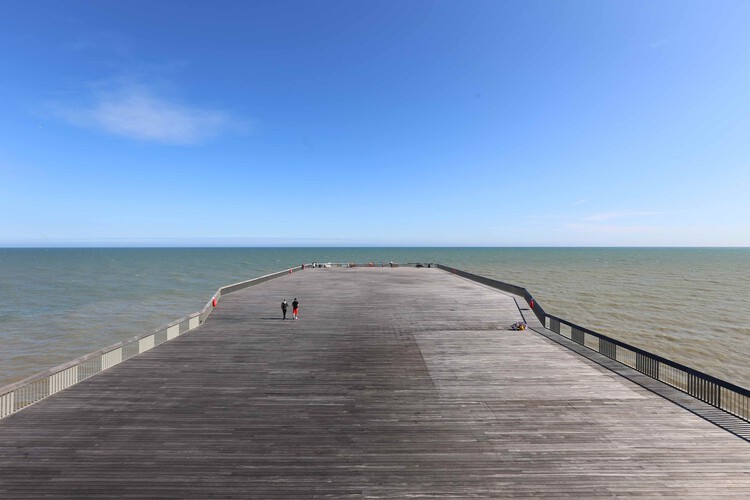
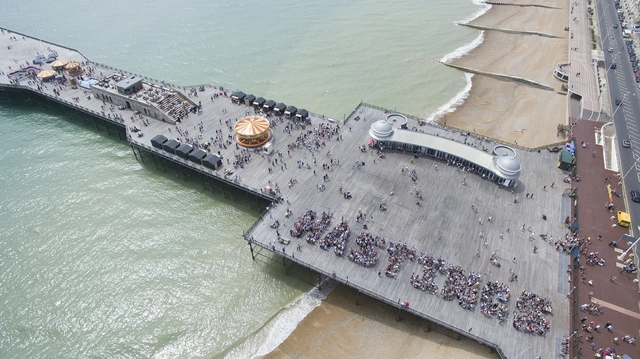
dRMM's Hastings Pier Wins 2017 RIBA Stirling Prize

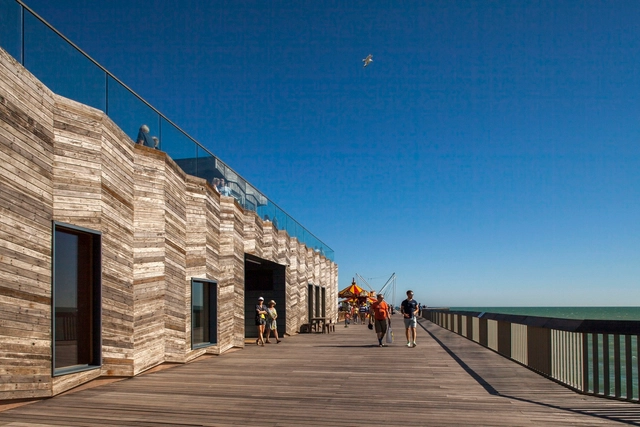
London-based architects dRMM have been announced as the winners of the 2017 RIBA Stirling Prize for their renovation of Hastings Pier, beating out a shortlist including projects by Rogers Stirk Harbour + Partners; Baynes and Mitchell Architects; Reiach & Hall Architects and Michael Laird Architects; Groupwork + Amin Taha; and 6a architects.

"Hastings Pier is a masterpiece in regeneration and inspiration. The architects and local community have transformed a neglected wreck into a stunning, flexible new pier to delight and inspire visitors and local people alike," said RIBA President and Stirling Prize jury chair Ben Derbyshire.

dRMM's Hastings Pier Wins 2017 RIBA Stirling Prize - Image 1 of 4dRMM's Hastings Pier Wins 2017 RIBA Stirling Prize - Image 2 of 4dRMM's Hastings Pier Wins 2017 RIBA Stirling Prize - Image 3 of 4dRMM's Hastings Pier Wins 2017 RIBA Stirling Prize - Image 4 of 4dRMM's Hastings Pier Wins 2017 RIBA Stirling Prize - More Images+ 7

Shortlist Announced For 2015 RIBA London Awards

A total of 68 buildings have been shortlisted for RIBA London 2015 Awards, featuring buildings by AHMM, dRMM, John McAslan + Partners and Grimshaw, to Níall McLaughlin Architects, Eric Parry Architects, and Rogers Stirk Harbour. Winning projects from last year included three Stirling Prize shortlisted projects, as well as another by Haworth Tompkins who ultimately took the prize in 2014 for the Everyman Theatre in Liverpool. All shortlisted buildings will now be assessed by a regional jury. Regional winners will then be considered for a RIBA National Award in recognition of their architectural excellence, the results of which will place some projects in the running for the 2015 RIBA Stirling Prize.

See the complete list of shortlisted projects after the break.

Shortlist Announced For 2015 RIBA London Awards - Image 1 of 4Shortlist Announced For 2015 RIBA London Awards - Image 2 of 4Shortlist Announced For 2015 RIBA London Awards - Image 3 of 4Shortlist Announced For 2015 RIBA London Awards - Image 4 of 4Shortlist Announced For 2015 RIBA London Awards - More Images+ 64

Ten Top Designers Get the Products of Their Dreams With "The Wish List"

Terence Conran asked nine of his friends in the design world "What have you always wanted in your home, but have never been able to find?" The result is The Wish List, a set of ten projects dreamed up by big name designers such as Norman Foster, Zaha Hadid and Richard Rogers, but designed and crafted in collaboration with emerging designers.

Sponsored by the American Hardwood Export Council, the only restriction was that the product had to be made of wood, leading to designs ranging from Foster's modest geometric pencil sharpeners to Paul Smith's dream garden shed.

As part of the 2014 London Design Festival, the resulting ten products will be on show at the V&A Museum until October 24th.

Ten Top Designers Get the Products of Their Dreams With "The Wish List" - Image 1 of 4Ten Top Designers Get the Products of Their Dreams With "The Wish List" - Image 2 of 4Ten Top Designers Get the Products of Their Dreams With "The Wish List" - Image 3 of 4Ten Top Designers Get the Products of Their Dreams With "The Wish List" - Image 4 of 4Ten Top Designers Get the Products of Their Dreams With The Wish List - More Images+ 16

Video: drMM

Subscriber Access | 

Video: drMM - Image 1 of 4

Dolls’ House Designs for KIDS Unveiled

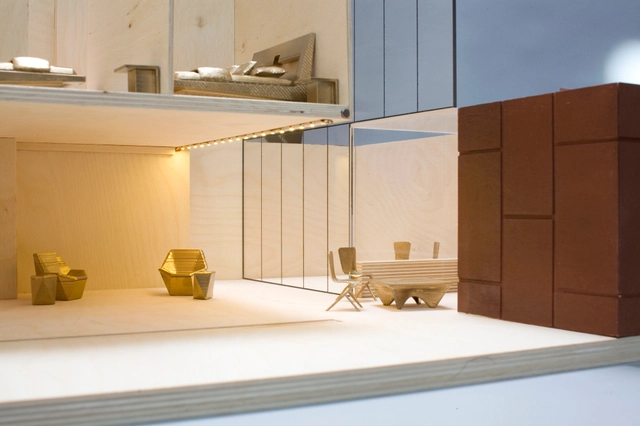
Inspired by the dolls’ house that Edwin Lutyens designed for The British Empire Exhibition in 1922, twenty British practices are each designing a contemporary dolls’ house in aid of the disabled childrens’ charity KIDS. Each version will sit on a 750mm square plinth to be auctioned at Bonham's on the 11th November and contains one feature which would make life easier for a disabled child. Among the participating practices is Zaha Hadid Architects and Rogers Stirk Harbour + Partners. FAT will also be working with Turner Prize recipient Grayson Perry CBE, and Studio Egret West with artist Andrew Logan.

See all the entries after the break...

20 Architects Design a Dolls' House for KIDS

Inspired by the dolls' house that Edwin Lutyens designed for The British Empire Exhibition in 1922, twenty British practices are each designing a contemporary dolls' house in aid of the disabled childrens' charity KIDS. Each version will sit on a 750mm square plinth to be exhibited during this year's London Design Festival (14th - 21st September, 2013) before being auctioned. Each design must contain "a unique feature to make life easier for a child who is disabled."