1. ArchDaily
  2. Disaster Relief Architecture

Disaster Relief Architecture: The Latest Architecture and News

How Can Cities Create Resilience in the Face of Natural Disasters

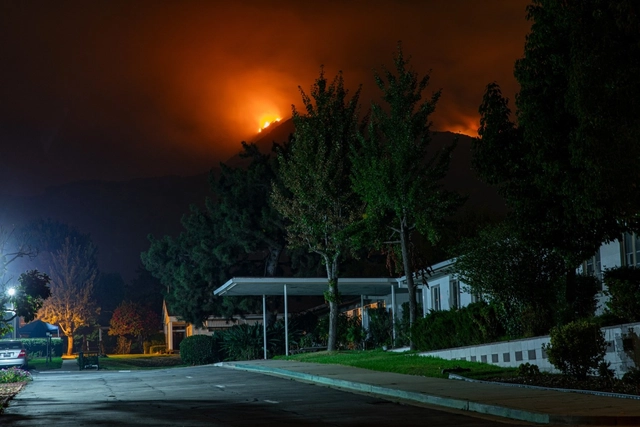
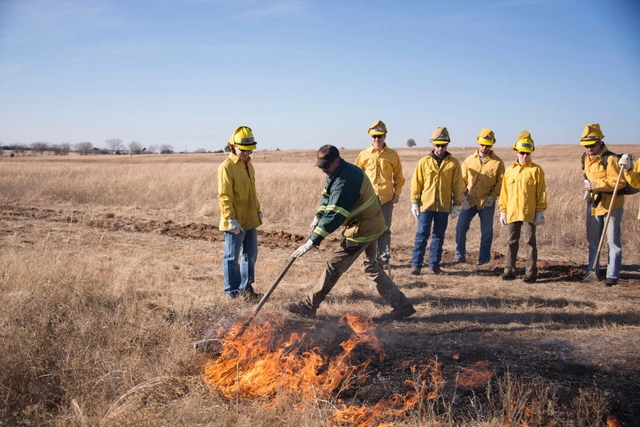
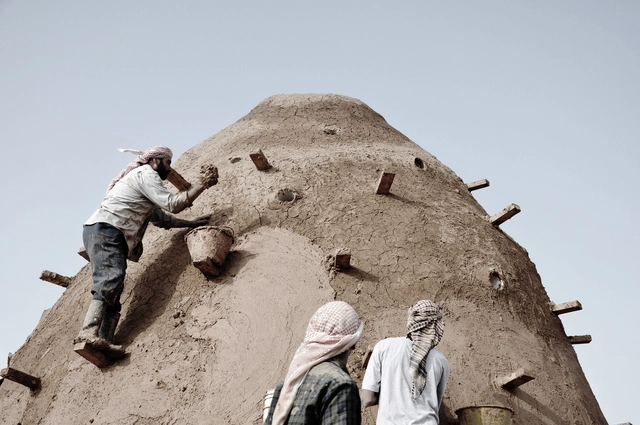
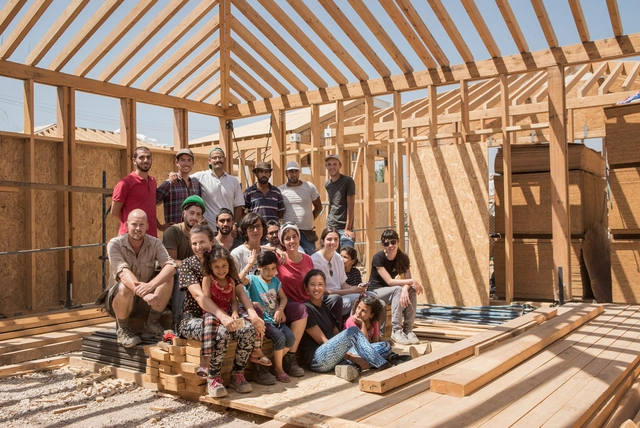
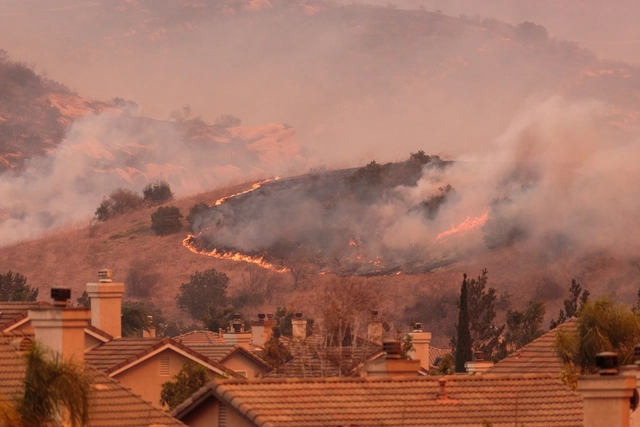
As the world grapples with the effects of climate change, natural disasters like flooding, and the spread of incontrollable wildfires are increasingly threatening cities and inhabitants. While architecture and urban planning cannot prevent these occurrences, they still possess strategies to minimize the damage associated with these events and help protect the citizens. Unfortunate events over the course of last year, like the earthquake that hit central Turkey and north-west Syria this February or the more recent earthquake in western Afghanistan, the flooding and dam failures in Libya, and the wildfires that devastated the city of Lahaina, Hawaii, demonstrate the urgency of implementing preventative and mitigation measures in addition to creating procedures for emergency intervention. This article explores the strategies and resources available to architects and urban planners to address these challenges in three types of natural disasters: flooding, wildfires, and earthquakes.

How Can Cities Create Resilience in the Face of Natural Disasters - Image 1 of 4How Can Cities Create Resilience in the Face of Natural Disasters - Image 2 of 4How Can Cities Create Resilience in the Face of Natural Disasters - Image 3 of 4How Can Cities Create Resilience in the Face of Natural Disasters - Image 4 of 4How Can Cities Create Resilience in the Face of Natural Disasters - More Images+ 11

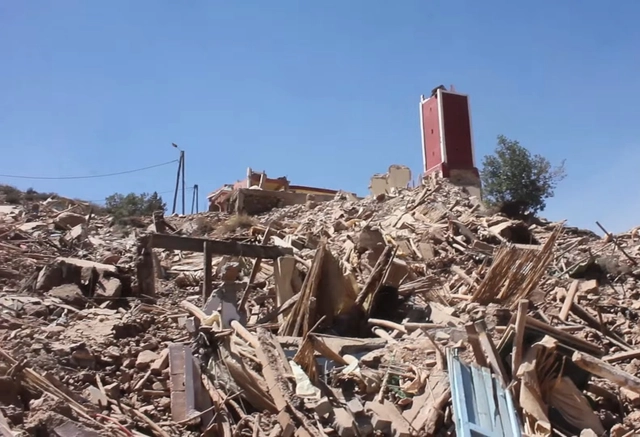
Cities, Villages, and UNESCO Historical Landmarks in Morocco Are Severely Damaged by a Major Earthquake

Friday, September 8th, a 6.8-magnitude earthquake hit Morocco’s High Atlas Mountain range. The epicenter was located just 72 kilometers southwest of Marrakech, the country’s fourth-largest city and a popular tourist destination. The quake is the strongest to hit the nation’s center in more than a century. Estimates put the number of victims at over 2,000 and more injured, but as several towns and villages remain inaccessible high in the mountains, the number is expected to increase. In addition to the human toll, several historical landmarks, including UNESCO World Heritage sites, have been affected, while eyewitnesses in the foothills of the mountains report that several remote towns have been completely destroyed, according to CNN.

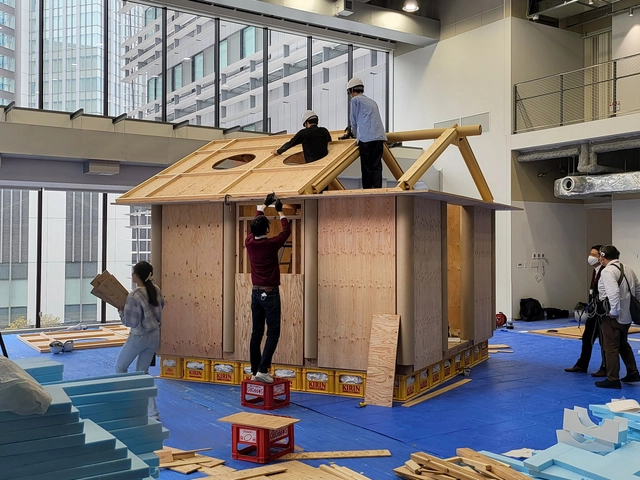
Shigeru Ban Unveils Updated Prototype for Temporary Housing in Response to the Turkey-Syria Earthquake

Shigeru Ban Architects, in collaboration with Voluntary Architects’ Network, has developed an improved version of the temporary housing developed to help those affected by the recent Turkey-Syria earthquake. The new prototype represents an upgrade of the paper tube system deployed in northwestern Turkey after the 1999 earthquake. This new version takes into consideration matters of efficiency and the need to minimize construction time on site.

Shigeru Ban Unveils Updated Prototype for Temporary Housing in Response to the Turkey-Syria Earthquake - Image 1 of 4Shigeru Ban Unveils Updated Prototype for Temporary Housing in Response to the Turkey-Syria Earthquake - Image 2 of 4Shigeru Ban Unveils Updated Prototype for Temporary Housing in Response to the Turkey-Syria Earthquake - Image 3 of 4Shigeru Ban Unveils Updated Prototype for Temporary Housing in Response to the Turkey-Syria Earthquake - Image 4 of 4Shigeru Ban Unveils Updated Prototype for Temporary Housing in Response to the Turkey-Syria Earthquake - More Images+ 4

A Major Earthquake Hits Turkey and Syria, Destroying a 2,000-Year-Old Unesco World Heritage Site

A major 7.8 magnitude earthquake hit central Turkey and north-west Syria this Monday, February 6, with a second 7.4 magnitude quake reported a few hours later in the same region, according to reports from the Guardian. Among the most affected areas is Gaziantep, located 150 miles from the border with Syria and 50 miles from the earthquake’s epicenter in Kahramanmaraş. Tremors were felt as far away as Lebanon, Greece, Israel, and the island of Cyprus. Authorities are still assessing the number of victims, as local and international rescue teams have been deployed to search for survivors. Early estimates report that over 1,700 buildings have collapsed or have been critically damaged, as confirmed by Turkey's Vice President Fuat Oktay.

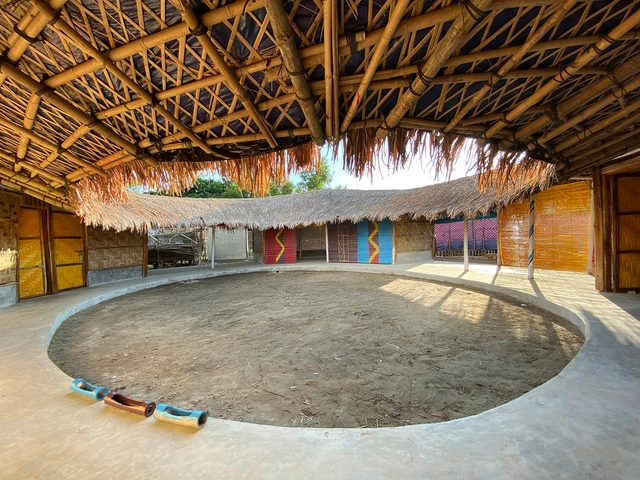
Beyond Survival - A Safe Space for Rohingya Women & Girls / Rizvi Hassan

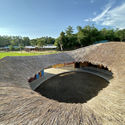
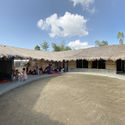
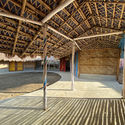
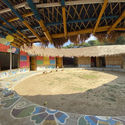
Beyond Survival - A Safe Space for Rohingya Women & Girls / Rizvi Hassan - Exterior Photography, Community CenterBeyond Survival - A Safe Space for Rohingya Women & Girls / Rizvi Hassan - Exterior Photography, Community CenterBeyond Survival - A Safe Space for Rohingya Women & Girls / Rizvi Hassan - Interior Photography, Community CenterBeyond Survival - A Safe Space for Rohingya Women & Girls / Rizvi Hassan - Interior Photography, Community CenterBeyond Survival - A Safe Space for Rohingya Women & Girls / Rizvi Hassan - More Images+ 9

  • Architects: Rizvi Hassan
  • Area Area of this architecture project Area:  2200 ft²
  • Year Completion year of this architecture project Year:  2019

Climate Crisis Is Ravaging the United States; Why Are We Still Building With Fossil Fuels?

This August, as hundreds of wildfires darkened the sky above my home in Corte Madera, California, thousands of miles away in Florida, my family braced for wind and flooding as two hurricanes barreled towards the Gulf of Mexico. We all hunkered down, anxiously, as climate change-fueled disasters wreaked havoc. For weeks, the air quality in California was too hazardous for us to open our windows or go outside. In Pensacola, the Gulf storm surge was several feet deep around my family’s home and the powerful winds downed mature oak trees in their yard.

It's Time for Designers to Embrace Fire as the Ecological and Cultural Force That It Is

Spurred by disasters like Hurricane Katrina and Superstorm Sandy, cities across the United States have, over the past 15 years, learned to “live with water.” After more than a century of filling wetlands, damming rivers, and diverting streams and stormwater flows into concrete channels, public officials, influenced by a coterie of landscape architects and planners, have embraced the opposite strategy, investing in open space networks that use dynamic natural systems to slow, store, and absorb floodwaters.

Architects Doing their Bit: 5 Architecture-Related Organisations for Emergency Response

Architecture can be a tool for social change, and the belief in this statement is what motivates the work of many architectural NGOs who strive to address the lack of adequate shelter, generate social and economic change and build resilience in communities. These NGOs operate in two major areas, disaster relief and community development, with many organisations pursuing both types of actions. This article rounds-up several architecture-related foundations that act in emergencies, covering their expertise, past involvement in humanitarian crises, as well as the means to join them in their efforts.


The Times Architects Stepped Up in Crises

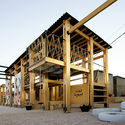
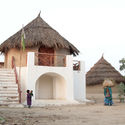
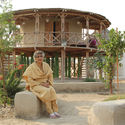
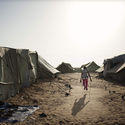
For the past few months, the architecture community has been trying to bring its contribution to the fight against the pandemic. The global spread of this crisis might have triggered a coordinated, and thus a more visible effort, but this isn’t the first time professionals step up in crises. Over the years, natural disasters and emergencies have determined several architects to get involved in disaster relief initiatives, as well as a wide range of humanitarian actions. In this article, we take a look at different occasions various architects and practices made a significant contribution to, helping affected communities overcome hardship.

The Times Architects Stepped Up in Crises - Films & ArchitectureThe Times Architects Stepped Up in Crises - Films & ArchitectureThe Times Architects Stepped Up in Crises - Films & ArchitectureThe Times Architects Stepped Up in Crises - Films & ArchitectureThe Times Architects Stepped Up in Crises - More Images+ 8

WTA Design 60 Emergency Quarantine Facilities to Fight COVID-19

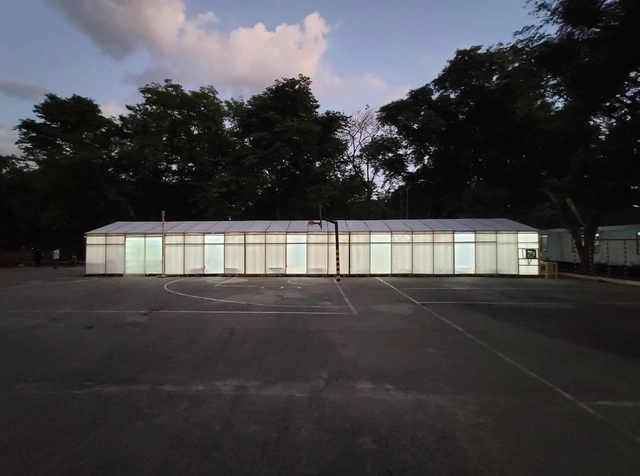
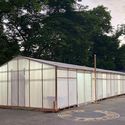
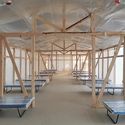
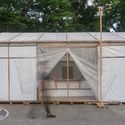
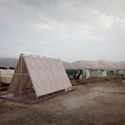
As hospitals around the world are reaching their capacity, the architecture and design community is developing new alternatives to fight COVID-19. In order to build 60 Emergency Quarantine Facilities (EQF), WTA was inspired by their pavilion developed last year, part of the Anthology Festival. A viable quarantine structure, the Boysen Pavilion “embodied speed, scalability and simplicity in its structure”.

WTA Design 60 Emergency Quarantine Facilities to Fight COVID-19 - Image 1 of 4WTA Design 60 Emergency Quarantine Facilities to Fight COVID-19 - Image 2 of 4WTA Design 60 Emergency Quarantine Facilities to Fight COVID-19 - Image 3 of 4WTA Design 60 Emergency Quarantine Facilities to Fight COVID-19 - Image 4 of 4WTA Design 60 Emergency Quarantine Facilities to Fight COVID-19 - More Images+ 25

Emergency Architecture: Designers Respond to Crisis

The COVID-19 pandemic has shown yet again how designers are needed to reimagine emergency shelters. With an estimated 900 million people around the world to remain at home because of the virus, there are also a number of hospitals without the necessary beds to treat infected patients. At the same time, the need for emergency shelters is tied to many types of crisis, not just this virus or a pandemic.

Emergency Architecture: Designers Respond to Crisis - Image 1 of 4Emergency Architecture: Designers Respond to Crisis - Image 2 of 4Emergency Architecture: Designers Respond to Crisis - Image 3 of 4Emergency Architecture: Designers Respond to Crisis - Image 4 of 4Emergency Architecture: Designers Respond to Crisis - More Images+ 11

Inexpensive, Easy-to-Build Gridshell Pavilion Uses Air-Filled Cushions for Construction

Subscriber Access | 

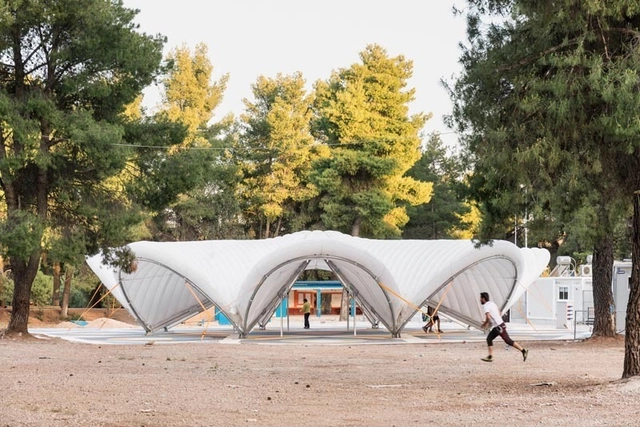
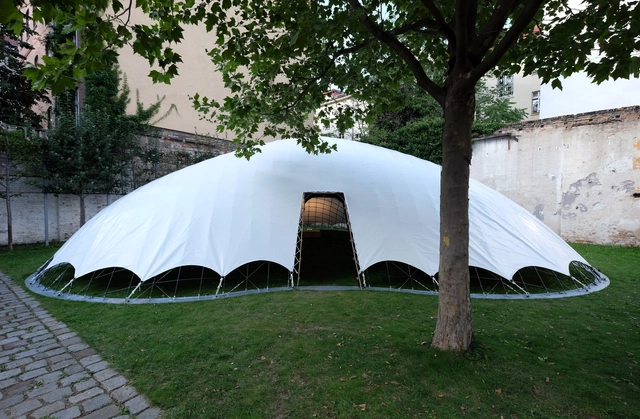
SheltAir, a pavilion developed and designed by Gregory Quinn as part of his doctoral thesis at the Berlin University of the Arts is, as its name suggests, a shelter constructed with the help of air: a meticulously devised system comprising an elastic gridshell and pneumatic falsework in the form of air-filled cushions.

Inexpensive, Easy-to-Build Gridshell Pavilion Uses Air-Filled Cushions for Construction - Image 1 of 4Inexpensive, Easy-to-Build Gridshell Pavilion Uses Air-Filled Cushions for Construction - Image 2 of 4Inexpensive, Easy-to-Build Gridshell Pavilion Uses Air-Filled Cushions for Construction - Image 3 of 4Inexpensive, Easy-to-Build Gridshell Pavilion Uses Air-Filled Cushions for Construction - Image 4 of 4Inexpensive, Easy-to-Build Gridshell Pavilion Uses Air-Filled Cushions for Construction - More Images+ 39

This House was Built in 5 Days Using Recycled Plastic Bricks

This House was Built in 5 Days Using Recycled Plastic Bricks - Featured Image
Construction of house made of recycled plastic bricks.. Image Courtesy of Conceptos Plásticos

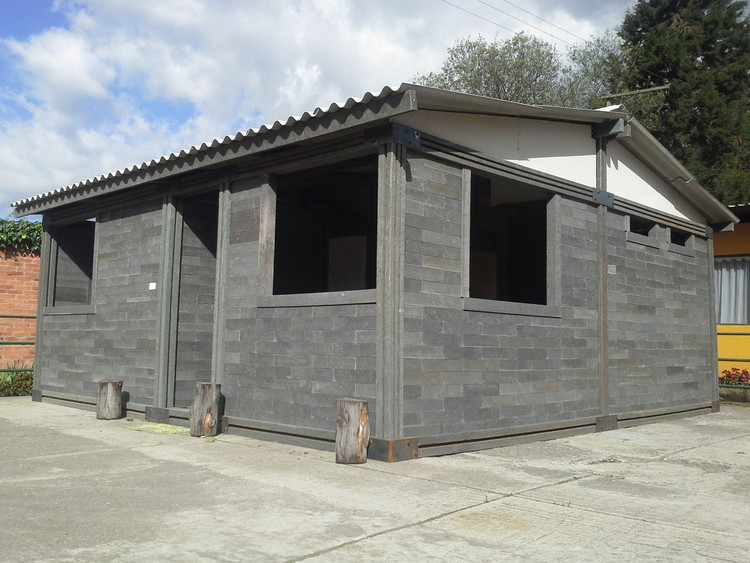
Ten years ago when Colombian Fernando Llanos tried to build his own house in Cundinamarca, he realized that moving the materials from Bogota was going to be very difficult. After mulling it over, he decided to build his house out of plastic, and after a series of trials and errors, he ended up meeting architect Óscar Méndez, who developed his thesis on the same subject, and together they founded the company Conceptos Plásticos (Plastic Concepts) in 2011. 

The innovative local company managed to patent its system of bricks and pillars made of recycled plastic, which is then put together like Lego pieces in a construction system that lets you build houses up to two stories high in five days.

This House was Built in 5 Days Using Recycled Plastic Bricks - Image 1 of 4This House was Built in 5 Days Using Recycled Plastic Bricks - Image 2 of 4This House was Built in 5 Days Using Recycled Plastic Bricks - Image 3 of 4This House was Built in 5 Days Using Recycled Plastic Bricks - Image 7 of 4This House was Built in 5 Days Using Recycled Plastic Bricks - More Images+ 11