1. ArchDaily
  2. Design

Design: The Latest Architecture and News

“Architecture Schools Are Responsible for Educating the Whole Student:” In Conversation with Michael Monti

This article was originally published on Common Edge.

The vast majority of practitioners I've known over the years seek well-trained graduates who are ready on Day One to be productive employees. But that's not all an architectural education needs to deliver. Michael Monti—who for the past 20 years has served as executive director of the Association of Collegiate Schools of Architecture (ACSA), which represents 5,000 architecture faculty teaching more than 30,000 students—stresses that architectural education needs to rest on strong foundation of shared values and ethics in order for graduates to make meaningful contributions to what he describes as a "civilized life," promoting the dignity, freedom, health, and well-being of the people who interact with architecture every day.

“Architecture Schools Are Responsible for Educating the Whole Student:” In Conversation with Michael Monti - Image 1 of 4“Architecture Schools Are Responsible for Educating the Whole Student:” In Conversation with Michael Monti - Image 2 of 4“Architecture Schools Are Responsible for Educating the Whole Student:” In Conversation with Michael Monti - Image 3 of 4“Architecture Schools Are Responsible for Educating the Whole Student:” In Conversation with Michael Monti - Image 4 of 4“Architecture Schools Are Responsible for Educating the Whole Student:” In Conversation with Michael Monti - More Images

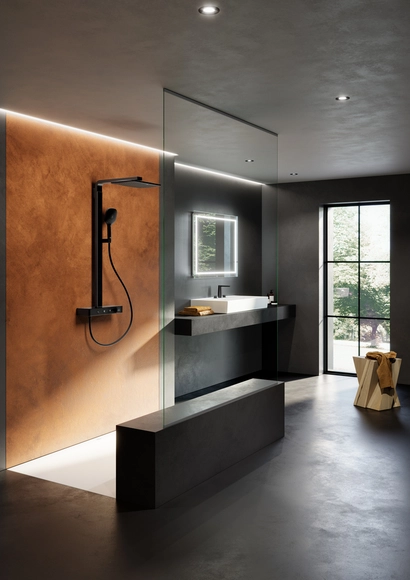
Fittings for High Demands: Showers Designed for Modern Living

 | Sponsored Content

In addition to elegantly designed ceramics, stylish furniture and practical accessories, Villeroy & Boch's bathroom range also includes elegant fittings. As with all the company's products, the extensive range offers durable quality and reliable functionality, ensuring long-lasting usability through high-quality materials and meticulous craftsmanship. Furthermore, the fittings are perfectly coordinated with the company's own bathroom collections in terms of design and functionality, with the Top-Together label, as presented by Villeroy & Boch, showcasing particularly harmonious combinations for architects and bathroom planners. A total of 13 fitting collections are available, offering a wide range of styles, sizes and shapes.

Contemporary Architecture and the Modern City

This article was originally published on Common Edge.

"O beautiful, for spacious skies, for amber waves of grain, has there ever been another place on earth where so many people of wealth and power have paid for and put up with so much architecture they detested as within thy blessed borders today?"

Tom Wolfe wrote this in his 1981 book From Bauhaus to Our House. The conflict between modern and traditional design has barely abated since, as is evident in this recent article. In the U.S., modern buildings are often met with community aversion, for familiar reasons: their perceived coldness and lack of contextual sensitivity, the impact on local character, and the loss of historical continuity. But on another level, the critique against modern design finds even more purchase on the larger scale: the city. Modern U.S. cities reek of traffic congestion and pollution, social inequality and gentrification, a loss of community and cultural spaces, and a lack of usable open space.

Contemporary Architecture and the Modern City - Image 1 of 4Contemporary Architecture and the Modern City - Image 2 of 4Contemporary Architecture and the Modern City - Image 3 of 4Contemporary Architecture and the Modern City - Image 4 of 4Contemporary Architecture and the Modern City - More Images

Architecture Beyond Humanity: Designing for Non-Human Species

Are humans the only stewards of the built environment? For many architects and planners, spaces are designed with a focus on the needs, comfort, and health of humans. A spatial ordering, in constructed spaces and the urban fabric, designates humans as the default, singular user in this scenario. However, as much as humans have influenced the trajectory of the world, other species play a crucial role in designing, forming, and maintaining the urban landscapes of the twenty-first century.

Architecture Beyond Humanity: Designing for Non-Human Species - Image 1 of 4Architecture Beyond Humanity: Designing for Non-Human Species - Image 2 of 4Architecture Beyond Humanity: Designing for Non-Human Species - Image 3 of 4Architecture Beyond Humanity: Designing for Non-Human Species - Image 4 of 4Architecture Beyond Humanity: Designing for Non-Human Species - More Images+ 30

Simple Design Strategies for Extreme Heat

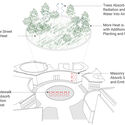
Anyone who walks during the summer in a city like Boston knows that a significant amount of time is spent charting routes with shade. But I can’t use that as my only excuse for being off-task. Honestly, I’m distracted. The swirling headlines of the U.S. presidential election, an unprecedented UN climate conference looming, and the phrase “decade of decisive action” weighs heavy on my shoulders. While it’s easy to get caught up in current events, those of us with solutions must stay focused.

A perhaps helpful Japanese phrase to call upon is “kotsu kotsu,” essentially meaning to slow down and focus on the task at hand, and do it well. Temperatures are soaring, people are suffering. As a recent UN COP letter stated, “time lost is lives, livelihoods, and the planet lost.” Cooling our cities and communities is more important than ever.

Simple Design Strategies for Extreme Heat - Image 1 of 4Simple Design Strategies for Extreme Heat - Image 2 of 4Simple Design Strategies for Extreme Heat - Image 3 of 4Simple Design Strategies for Extreme Heat - Image 4 of 4Simple Design Strategies for Extreme Heat - More Images+ 4

Learning from Copenhagen

Subscriber Access | 

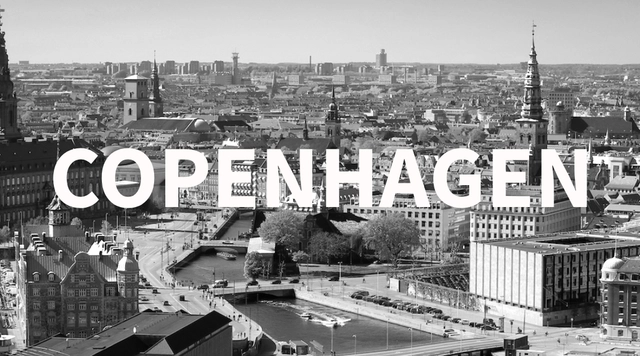
Copenhagen was founded around the 11th century, from a small fishing village called "Havn" (harbor), which served as a strategic point for trade and navigation. Over time, this settlement transformed into an industrial city and eventually became the capital of Denmark. Though small in size, Copenhagen exerts significant global influence as a model of urban living. Spread across two islands, it is recognized as one of the most livable cities in the world, compensating for its modest size with an imposing character, reflected in its vibrant urban life and a skyline punctuated by historic towers, low-rise buildings, and a mix of old and modern architecture.

The Second Studio Podcast: AV Design in Architecture

The Second Studio (formerly The Midnight Charette) is an explicit podcast about design, architecture, and the everyday. Hosted by Architects David Lee and Marina Bourderonnet, it features different creative professionals in unscripted conversations that allow for thoughtful takes and personal discussions.
A variety of subjects are covered with honesty and humor: some episodes are interviews, while others are tips for fellow designers, reviews of buildings and other projects, or casual explorations of everyday life and design. The Second Studio is also available on iTunes, Spotify, and YouTube.

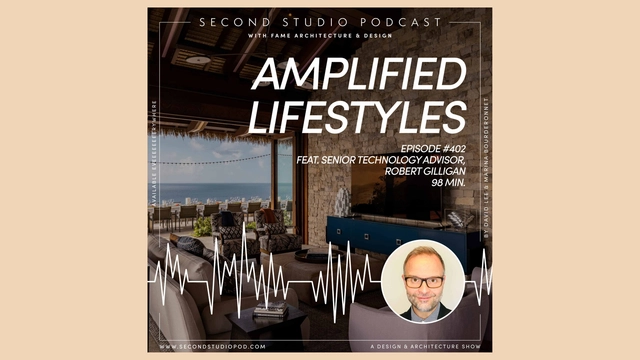
This week David and Marina of FAME Architecture & Design are joined by Robert Gilligan, Senior Technology Advisor at Amplified Lifestyles to discuss his background in audio-visual technology; advancements in smart home technology; home audio-visual system management; the role of audio-visual engineers in architecture projects; home security systems; the future of audio-visual technology; and more.

Frank Lloyd Wright’s Price Tower Set to Close and Go Up for Auction

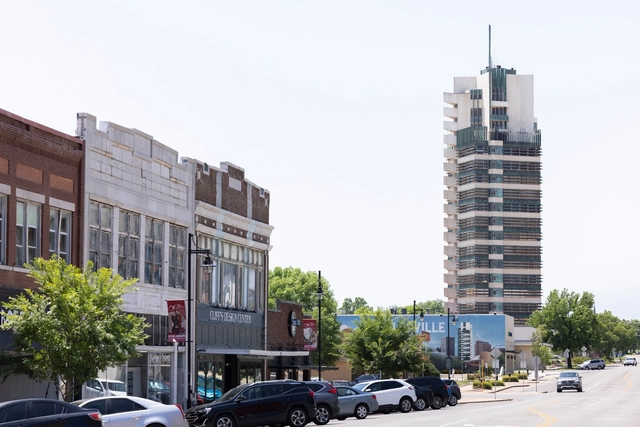
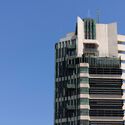
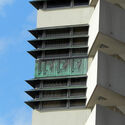
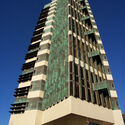
The Price Tower, Frank Lloyd Wright’s only realized high-rise building, and a beloved landmark in Bartlesville, Oklahoma, has been going through a financial controversy, with recent developments announcing an October auction, as revealed by the Bartlesville Examiner-Enterprise. Designed in 1952, the tower was commissioned by Harold C. Price, Sr., as a multipurpose tower for commercial and residential use.

Frank Lloyd Wright’s Price Tower Set to Close and Go Up for Auction  - Image 1 of 4Frank Lloyd Wright’s Price Tower Set to Close and Go Up for Auction  - Image 2 of 4Frank Lloyd Wright’s Price Tower Set to Close and Go Up for Auction  - Image 3 of 4Frank Lloyd Wright’s Price Tower Set to Close and Go Up for Auction  - Image 4 of 4Frank Lloyd Wright’s Price Tower Set to Close and Go Up for Auction  - More Images+ 2

How the Much-Maligned Porch Supports Walkable, Sustainable Communities

This article was originally published on Common Edge.

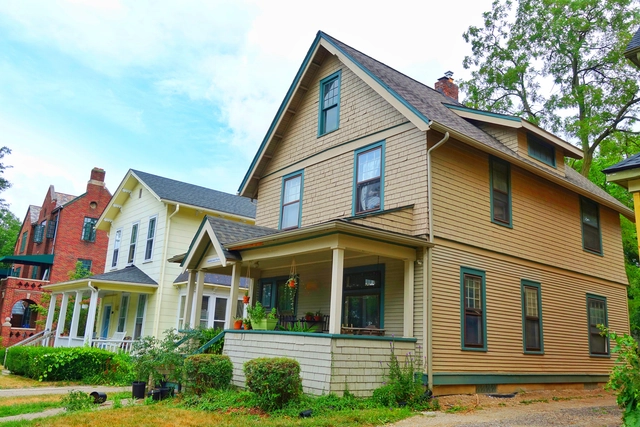
I was inspired to write this essay by a fascinating post on the social dynamic of porches by Patrick Deneen entitled A Republic of Front Porches. Sustainable places must be acccessible by a variety of means, especially walking. Neighborhoods where people walk to numerous destinations are more likely to be securable, because people tend to know more of their neighbors and therefore are likelier to know when a stranger is in the area. Walkability is essential to a serviceable place, because people won’t walk to those services as often if the pedestrian experience is bad. So walking is a fundamental aspect of a place’s sustainability. Porches can serve a crucial role in the walkability of residential streets in a neighborhood, and therefore in the ultimate sustainability of the neighborhood.

How the Much-Maligned Porch Supports Walkable, Sustainable Communities - Image 1 of 4How the Much-Maligned Porch Supports Walkable, Sustainable Communities - Image 2 of 4How the Much-Maligned Porch Supports Walkable, Sustainable Communities - Image 3 of 4How the Much-Maligned Porch Supports Walkable, Sustainable Communities - Featured ImageHow the Much-Maligned Porch Supports Walkable, Sustainable Communities - More Images

The Second Studio Podcast: Architecture Pet Peeves

The Second Studio (formerly The Midnight Charette) is an explicit podcast about design, architecture, and the everyday. Hosted by Architects David Lee and Marina Bourderonnet, it features different creative professionals in unscripted conversations that allow for thoughtful takes and personal discussions.
A variety of subjects are covered with honesty and humor: some episodes are interviews, while others are tips for fellow designers, reviews of buildings and other projects, or casual explorations of everyday life and design. The Second Studio is also available on iTunes, Spotify, and YouTube.

This week David and Marina of FAME Architecture & Design discuss their pet peeves in architecture design. The two cover poorly adapted historical elements; inconsistent use of materiality and detail in a project; dead-end hallways; poor construction execution and more.

The Deceptive Grandeur of City Skylines

National Public Radio officials thought they had a solid plan. Over a decade ago, they began to create new offices in the NoMa neighborhood of Washington, D.C., to consolidate 800 employees in three buildings. The $201 million adaptive reuse of an old warehouse plus a new seven-story tower opened in 2013 with soaring ceilings, a 24-hour wellness center, a gourmet café staffed by a resident chef, and dozens of bike racks to encourage cycling. There’s only one problem: hardly anyone works there now.

At least three-quarters of densely packed cubicles that dominate entire building floors sat eerily unoccupied during a tour for the American Institute of Architects annual convention, held in June, and it wasn’t because reporters were out covering stories. Due to work-at-home policies, few writers and editors take advantage of the building’s $44 million in top-shelf audio and multimedia equipment, 14 studios, and six recording booths.

The Deceptive Grandeur of City Skylines - Image 1 of 4The Deceptive Grandeur of City Skylines - Image 2 of 4The Deceptive Grandeur of City Skylines - Image 3 of 4The Deceptive Grandeur of City Skylines - Image 4 of 4The Deceptive Grandeur of City Skylines - More Images

The (ab)Normal Vision: Bridging Disciplines to Redefine Contemporary Design

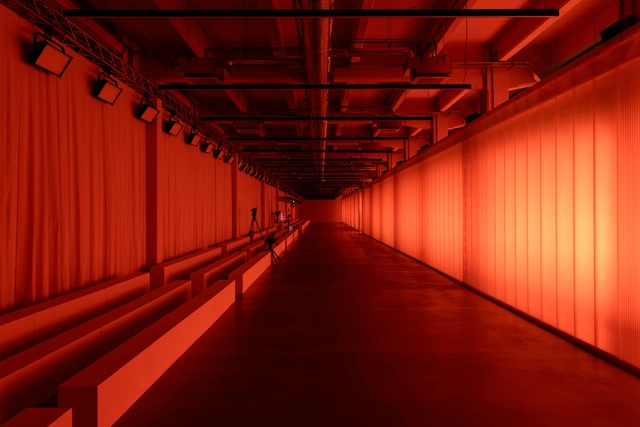
Named one of ArchDaily’s Best New Practices of 2024, (ab)Normal is redefining the boundaries of contemporary inspiration, architecture, and design. This Milan-based interdisciplinary studio, led by architects Mattia Inselvini, Davide Masserini, and Luigi Savio, aims to seamlessly merge architecture, product design, and creative direction into a cohesive practice. Founded in 2017 alongside Marcello Carpino, (ab)Normal's work spans various domains, including art, culture, design, interiors, and fashion. Their projects traverse multiple scales and formats, moving between the virtual and tangible, ephemeral and permanent, speculative and commercial, while integrating iconic elements with nods to popular culture and focusing on the implications of technological progress. Acting as Creative Director for the built environment, (ab)Normal operates across scales and formats, moving between the virtual and tangible, ephemeral and permanent, performative and static.

The (ab)Normal  Vision: Bridging Disciplines to Redefine Contemporary Design - Image 1 of 4The (ab)Normal  Vision: Bridging Disciplines to Redefine Contemporary Design - Image 2 of 4The (ab)Normal  Vision: Bridging Disciplines to Redefine Contemporary Design - Image 3 of 4The (ab)Normal  Vision: Bridging Disciplines to Redefine Contemporary Design - Image 4 of 4The (ab)Normal  Vision: Bridging Disciplines to Redefine Contemporary Design - More Images

Urban Farming: A Sustainable Pathway Out of Nigeria’s Unfolding Food Crisis

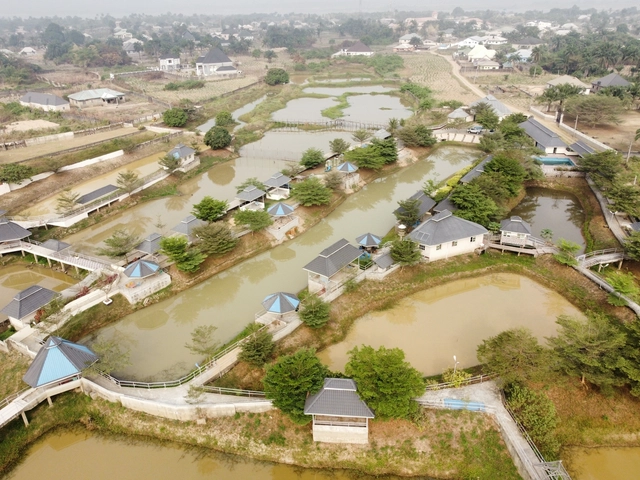
A recent report from Nigeria’s Ministry of Agriculture predicts that at least 31.5 million citizens may experience a food and nutrition crisis between June and August of this year. This alarming data highlights the severity of the food crisis that has progressively escalated over the last few years. The high prices of fruits and vegetables and their dwindling supply in local markets are already evident, as major staples disappear from food tables. This situation portends a bleak future for Nigeria as most people struggle to make ends meet, even in better times.

Urban Farming: A Sustainable Pathway Out of Nigeria’s Unfolding Food Crisis - Image 1 of 4Urban Farming: A Sustainable Pathway Out of Nigeria’s Unfolding Food Crisis - Image 2 of 4Urban Farming: A Sustainable Pathway Out of Nigeria’s Unfolding Food Crisis - Image 3 of 4Urban Farming: A Sustainable Pathway Out of Nigeria’s Unfolding Food Crisis - Image 4 of 4Urban Farming: A Sustainable Pathway Out of Nigeria’s Unfolding Food Crisis - More Images

RSHP Wins Competition for Convention Center and Hotel Complex in Zhengzhou, China

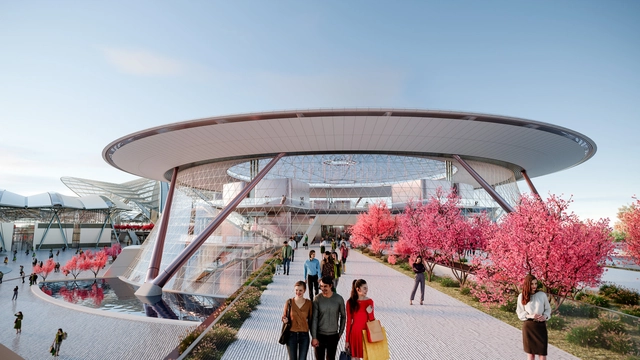
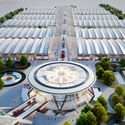
RSHP, in collaboration with TJAD, has been selected in the international competition for the design of the Zhongyuan International Convention and Conference Centre complex. The project, located within the Zhengzhou Airport Economic Zone and adjacent to the international airport, aims to introduce a flexible and recognizable location for all visitors. The architectural design takes cues from the cultural heritage of the area and its natural surroundings.

RSHP Wins Competition for Convention Center and Hotel Complex in Zhengzhou, China - Image 1 of 4RSHP Wins Competition for Convention Center and Hotel Complex in Zhengzhou, China - Image 2 of 4RSHP Wins Competition for Convention Center and Hotel Complex in Zhengzhou, China - Image 3 of 4RSHP Wins Competition for Convention Center and Hotel Complex in Zhengzhou, China - Image 4 of 4RSHP Wins Competition for Convention Center and Hotel Complex in Zhengzhou, China - More Images+ 10

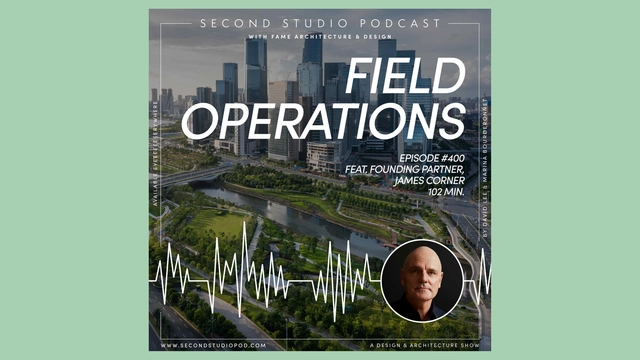
The Second Studio Podcast: James Corner, Founding Partner of Field Operations

The Second Studio (formerly The Midnight Charette) is an explicit podcast about design, architecture, and the everyday. Hosted by Architects David Lee and Marina Bourderonnet, it features different creative professionals in unscripted conversations that allow for thoughtful takes and personal discussions.
A variety of subjects are covered with honesty and humor: some episodes are interviews, while others are tips for fellow designers, reviews of buildings and other projects, or casual explorations of everyday life and design. The Second Studio is also available on iTunes, Spotify, and YouTube.

This week David and Marina of FAME Architecture & Design are joined by James Corner, Founding Partner of Field Operations to discuss his background; early interests; education in landscape architecture and urban design; the value of urban design; the difference between architecture and landscape architecture; design competitions; Field Operations' practice structure; the Highline Project; and more.

Measuring Progress: The Building Sector’s Response to the Climate Crisis

This article was originally published on Common Edge.

The relentless drumbeat of climate disasters in the headlines—scorching heat waves, raging wildfires, historic floods, crippling droughts—are no longer a series of anomalies. As a grim new reality across much of the globe, these extreme weather events, driven by human-induced climate change, are becoming more frequent and severe. In short, they are clearly symptomatic of a broader and more pervasive environmental crisis.

Measuring Progress: The Building Sector’s Response to the Climate Crisis - Featured ImageMeasuring Progress: The Building Sector’s Response to the Climate Crisis - Image 1 of 4Measuring Progress: The Building Sector’s Response to the Climate Crisis - Image 2 of 4Measuring Progress: The Building Sector’s Response to the Climate Crisis - Image 3 of 4Measuring Progress: The Building Sector’s Response to the Climate Crisis - More Images

Blair Kamin on Reframing the Crucial Issue of Design Equity

This article was originally published on Common Edge.

The format for Blair Kamin’ latest book, Who Is the City For? is slightly different from typical compilations. Kamin groups his columns thematically (all 55 appeared in the Chicago Tribune, when he served as architecture critic), and then, more often than not, adds a postscript updating or reframing the story for our fraught new normal. One of the recurring themes, both in the stories and in the postscripts, is the issue of design equity. As income inequality, systemic racism, and climate change became central to the cultural and political debates, equity became the critical lens for much design criticism. In our recent conversation, Kamin advocated for a broader definition of the term.

Buildings Are Not Sacred, but We Can Find Beauty Through Them

This article was originally published on Common Edge.

What makes something sacred? When does a building mean more to us than nearly all other places, spaces, objects, or activities in our lives? Architects strive to achieve the sacred in buildings, but it’s the rest of us who either sense it or not, whatever the aesthetics may be. I think the meaning of what is sacred to us can be most profoundly seen and felt when things change.

Buildings Are Not Sacred, but We Can Find Beauty Through Them - Image 1 of 4Buildings Are Not Sacred, but We Can Find Beauty Through Them - Image 2 of 4Buildings Are Not Sacred, but We Can Find Beauty Through Them - Image 3 of 4Buildings Are Not Sacred, but We Can Find Beauty Through Them - Image 4 of 4Buildings Are Not Sacred, but We Can Find Beauty Through Them - More Images