1. ArchDaily
  2. Curtains

Curtains: The Latest Architecture and News

Interior Design Trends of 2025

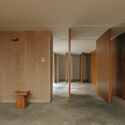
As 2025 approaches its end, we look back at an eventful year in the world of interior design. Last year, designers favored reserved, modest approaches, a trend that continued from previous years. The emergence of artificial intelligence generated intense discussions on digital equity and misinformation, which continued into 2025, especially with the topic of the Venice Architecture Biennale, Intelligens. This opened the conversation to the opportunities of digital technologies, attempting a more hopeful outlook. On the other hand, completed interior design projects over the year focused more on the tangible and the pragmatic, with expressed raw materials and an appreciation of history.


Interior Design Trends of 2025 - Image 1 of 4Interior Design Trends of 2025 - Image 2 of 4Interior Design Trends of 2025 - Image 3 of 4Interior Design Trends of 2025 - Image 4 of 4Interior Design Trends of 2025 - More Images+ 35

Design Solutions for Small Living: Maximizing Space in Apartments Under 40 Square Meters

Subscriber Access | 

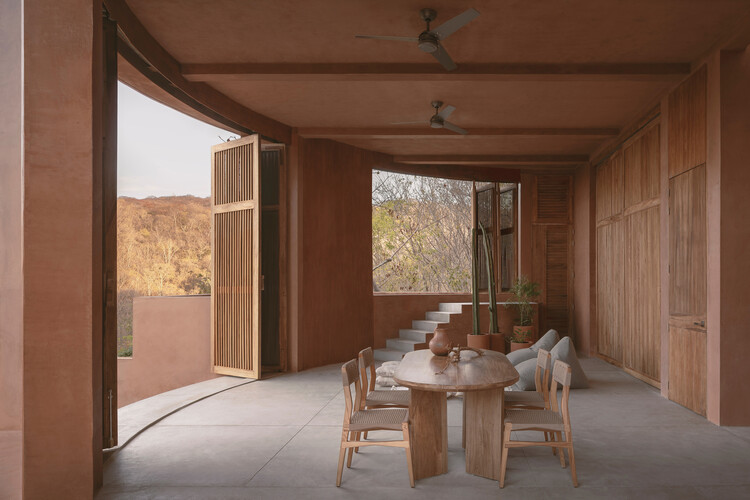
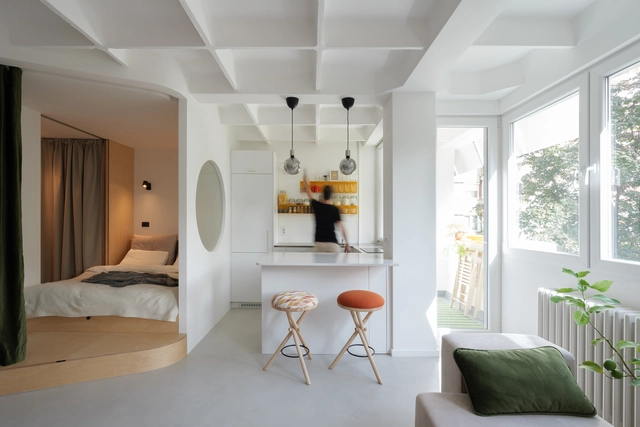
Living in densely populated cities is a reality for many. While the benefits of urban living—such as proximity to amenities, infrastructure, job opportunities, and lifestyle—remain highly valued, homes have seen a significant reduction in square footage. The trend toward smaller apartments has become increasingly common, with interior design playing a fundamental role. Reducing square meters demands efficient use of space and smart floor plan layouts. However, far from generating dull spaces, creativity in design has led to interesting architectural solutions that condense high-quality living into what is often called a micro apartment or studio, studios of 40m2 or under.
Design Solutions for Small Living: Maximizing Space in Apartments Under 40 Square Meters - Image 1 of 4Design Solutions for Small Living: Maximizing Space in Apartments Under 40 Square Meters - Image 2 of 4Design Solutions for Small Living: Maximizing Space in Apartments Under 40 Square Meters - Image 3 of 4Design Solutions for Small Living: Maximizing Space in Apartments Under 40 Square Meters - Image 4 of 4Design Solutions for Small Living: Maximizing Space in Apartments Under 40 Square Meters - More Images+ 22

Revisiting Skyscraper Design: The Benefits of Responsive Facades and Passive Designs

Subscriber Access | 

Our contemporary society has been witnessing a surge in skyscraper construction in urban centers worldwide for various reasons—including engineering advancements, increased urban density, space constraints, and, arguably, a competitive drive for building the tallest structures. The allure of all-glass facades and the pursuit of curtain walls with larger panes of continuous glass have often come at the cost of functionality.

In these towers, operable windows are sacrificed for aesthetics and expansive views, with a central core layout that maximizes 360-degree views while creating architectural "solar heat-gain monsters." Without natural or cross ventilation, these glass skyscrapers trap significant heat from solar radiation within habitable spaces, relying almost exclusively on mechanical HVAC systems to cool these spaces. This raises the question: is passive ventilation strategy becoming obsolete in high-rise design, or can operable systems be integrated effectively into our high-tech towers?

Revisiting Skyscraper Design: The Benefits of Responsive Facades and Passive Designs - Image 1 of 4Revisiting Skyscraper Design: The Benefits of Responsive Facades and Passive Designs - Image 2 of 4Revisiting Skyscraper Design: The Benefits of Responsive Facades and Passive Designs - Image 3 of 4Revisiting Skyscraper Design: The Benefits of Responsive Facades and Passive Designs - Image 4 of 4Revisiting Skyscraper Design: The Benefits of Responsive Facades and Passive Designs - More Images+ 24

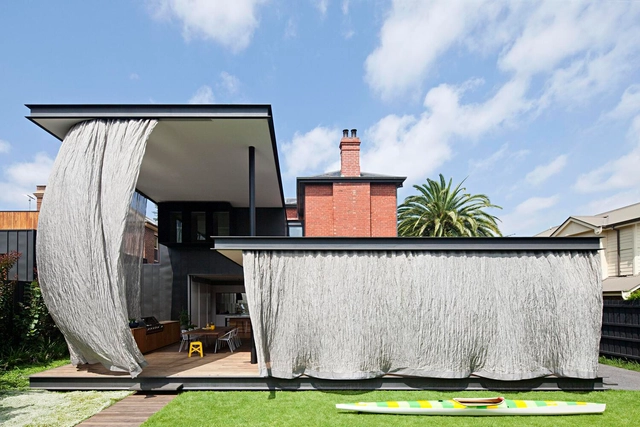
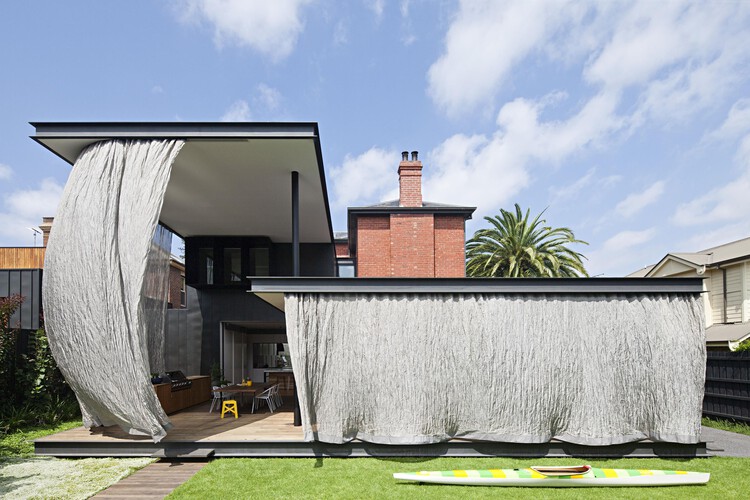
Fluid Facades: Creating Movement in Architecture With Curtains

Fluid Facades: Creating Movement in Architecture With Curtains - Image 1 of 4Fluid Facades: Creating Movement in Architecture With Curtains - Image 2 of 4Fluid Facades: Creating Movement in Architecture With Curtains - Image 3 of 4Fluid Facades: Creating Movement in Architecture With Curtains - Image 4 of 4Fluid Facades: Creating Movement in Architecture With Curtains - More Images+ 10

Curtains can provide a freer and more dynamic flow in architecture. These elements are usually intended to protect the interior from sunlight or create visual privacy, but they are also used as decoration or as room dividers. Since they are very movable and flexible, curtains are becoming a popular choice for architects and interior designers, creating layers between interior and exterior spaces that transform the environment through light and shade. Here, we have gathered some examples of projects that use curtains, particularly in the facades, showing how this solution can affect the overall impression of the design.

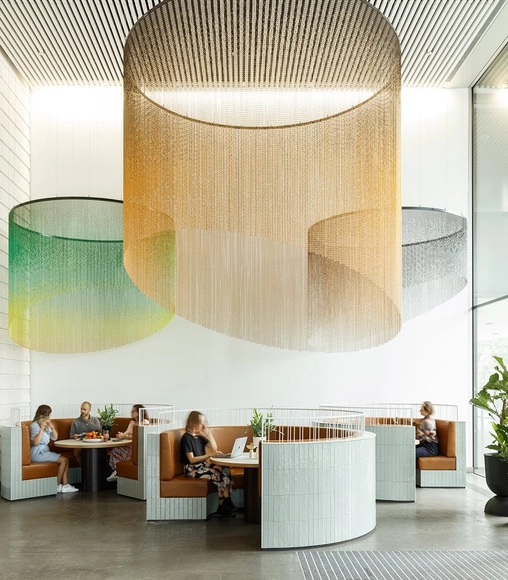
Elevating Spaces from Ordinary to Sublime with Chain Curtains

 | Sponsored Content

Turning an interior space from a standard room into an artistic product is no easy feat. Careful consideration must be paid to the textures, colors, and all other elements of design when striving to create a balance of visual intrigue and pleasurability. 

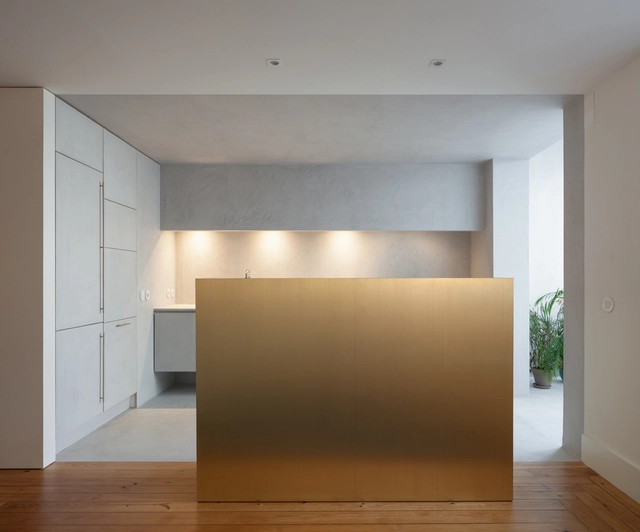
Firmeza Apartment / Pablo Pita Arquitectos

Firmeza Apartment / Pablo Pita Arquitectos - Interior Photography, Apartment Interiors, KitchenFirmeza Apartment / Pablo Pita Arquitectos - Interior Photography, Apartment Interiors, Bedroom, ChairFirmeza Apartment / Pablo Pita Arquitectos - Interior Photography, Apartment InteriorsFirmeza Apartment / Pablo Pita Arquitectos - Interior Photography, Apartment Interiors, BedroomFirmeza Apartment / Pablo Pita Arquitectos - More Images+ 18

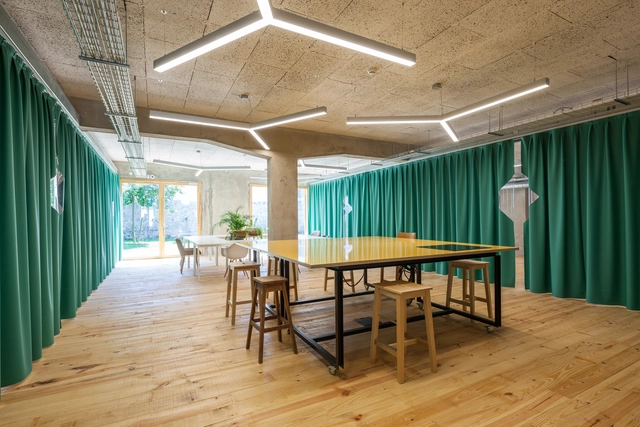
Armazem Cowork / oitoo

Armazem Cowork / oitoo - Interior Photography, Cowork InteriorsArmazem Cowork / oitoo - Interior Photography, Cowork Interiors, ChairArmazem Cowork / oitoo - Interior Photography, Cowork InteriorsArmazem Cowork / oitoo - Exterior Photography, Cowork Interiors, Facade, Door, BalconyArmazem Cowork / oitoo - More Images+ 22

  • Architects: oitoo
  • Area Area of this architecture project Area:  416
  • Year Completion year of this architecture project Year:  2018
  • Manufacturers Brands with products used in this architecture project
    Manufacturers:  GRAPHISOFT, Saint-Gobain, Aleluia Cerâmicas, Amorim, Ikea, +1

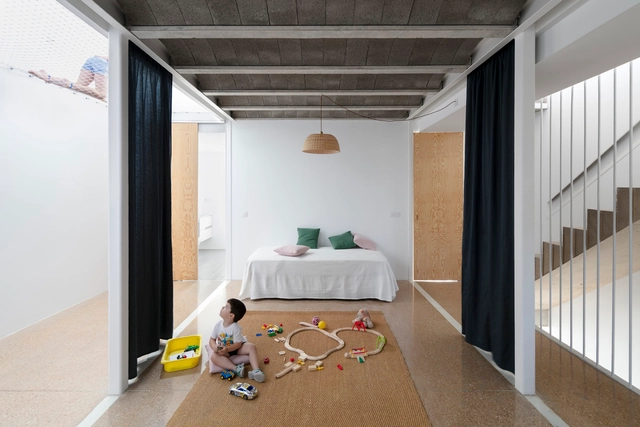
Curtains as Room Dividers: Towards a Fluid and Adaptable Architecture

Over the past few decades, interior spaces have become increasingly open and versatile. From the thick walls and multiple subdivisions of Palladian villas, for example, to today's free-standing and multi-functional plans, architecture attempts to combat obsolescence by providing consistently efficient environments for everyday life, considering both present and future use. And while Palladio's old villas can still accommodate a wide variety of functions and lifestyles, re-adapting their use without changing an inch of their original design, today, flexibility seems to be the recipe for extending the useful life of buildings as far as possible.

How, then, can we design spaces neutral and flexible enough to adapt to the evolving human being, while still accomplishing the needs that each person requires today? An ancient element could help redefine the way we conceive and inhabit space: curtains.

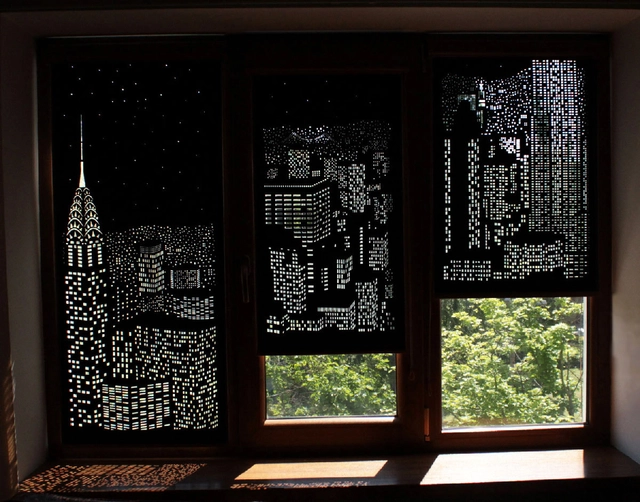
Add Style and Pizzazz to Your Living Space With These Dazzling Cityscape Curtains

Subscriber Access | 

There is something so beautiful and alluring about city skylines at night—the way light twinkles from buildings and illuminates the dark, night sky, creating a backdrop romantics swoon over. Imagine being able to experience your favorite night time skyline anytime of the day, from the comfort of your own living room. HoleRoll allows you to do just this, simply by pulling down your blinds.