1. ArchDaily
  2. crime

crime: The Latest Architecture and News

Our Cities Aren’t Dead Yet!

This article was originally published on Common Edge.

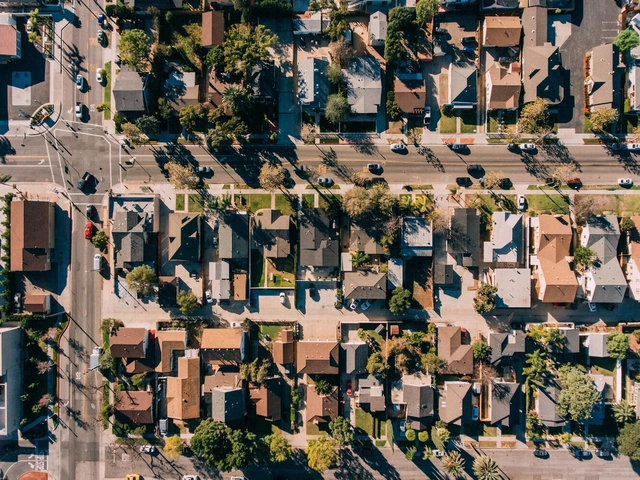
It has been a bull market for downbeat urban reporting since the pandemic arrived in town. And it isn’t hard to see why. In 2020, central U.S. cities went from “comeback” success stories to ghost towns; transit lost nearly all ridership; tens of thousands of stores and restaurants shuttered; and many of the affluent decamped to the suburbs and distant Zoom towns. 

Can an App Help Mitigate Crime in our Neighborhoods?

Subscriber Access | 

Envision your ideal neighborhood. Maybe it’s on a cul-de-sac in the suburbs, where every neighbor has a well-manicured lawn, a two-car garage, and everyone gives each other a friendly wave on their way to work. Or maybe you live in a high-rise building in a dense urban center, where you take public transit to the office five days a week and say hello to your doorman on your way out. Whatever your neighborhood might look like, there’s always a sense of wanting to know the people who live around your- or at least an unspoken reliance on one another to ensure that your surroundings are safe. What happens when technology brings you and your neighbors together to report on local happenings? Is it a good thing, or does it create a vigilante situation gone awry?

What is Architectural Forensics?

Subscriber Access | 

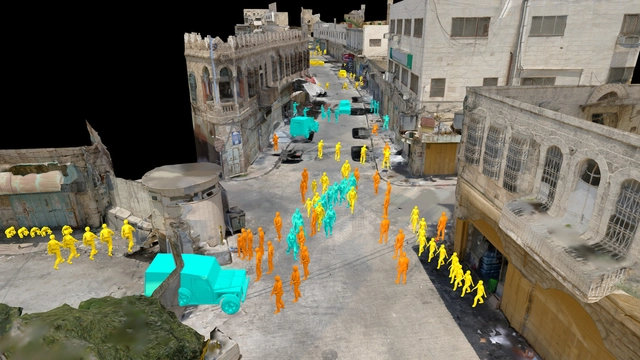
The term ‘Architectural Forensics’ varies in definition. In short, it refers to the investigation of the built environment, whether that be in relation to crime and injustice or an investigative process to discover the root cause of damage and deterioration in buildings. Often forensic architects are invited to identify potential issues and advise in how to avoid them. The role of this architect is to remain unbiased, identify issues within construction, determine potential causes and suggest solutions. They are to uncover factual evidence, which may aid in future construction or provide answers to issues associated with a particular built environment.

What is Architectural Forensics? - Image 1 of 4What is Architectural Forensics? - Image 2 of 4What is Architectural Forensics? - Image 3 of 4What is Architectural Forensics? - Image 4 of 4What is Architectural Forensics? - More Images

How Mixed-Use Neighborhoods Can Reduce Crime Rates

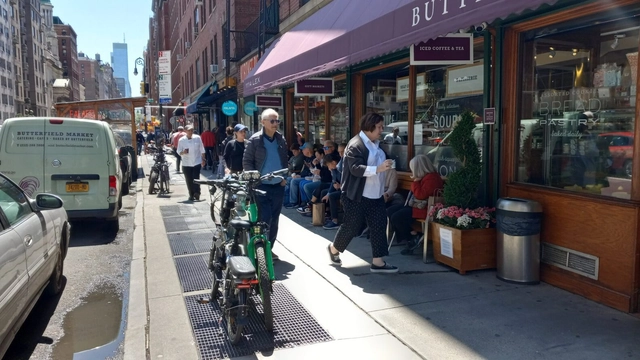
The planning and design of mixed-use neighborhoods and individual mixed-use developments are on the rise. Many of the places we frequent most feature a variety of programs, bringing many of life's daily conveniences to one place. But mixed-use spaces do more than just create a diverse array of experiences in cities- they might also help contribute to lower crime rates.

Open Call: DESIGN A FUTURE FINANCIAL CRIME


Crime, whether we like it or not, is a driving force behind a large proportion of technological ‘progress’. In 1817, a burglary at a British dockyard led the government to start a competition, challenging locksmiths to invent an unpickable lock. The result was the Chubb detector lock, and it remained ‘unpicked’ for 33 years.

86% of the Most Dangerous Cities are in This Part of the World

Subscriber Access | 

For the past fifteen years, global headlines have depicted, through harrowing imagery, the effects of war on cities across the Middle East. An inevitable fracturing of law and order leads to an explosion of crime which we imagine could not be tolerated in a region at peace. However, when cities in war zones are set aside, an overwhelming yet underreported narrative emerges – 86% of the world’s most dangerous cities are in Latin America and the Caribbean.